One Station in Depth Because Tokyo Station Defeats Everyone
Tokyo Station is a multi-level city block where the Marunouchi and Yaesu sides operate as separate worlds. This guide untangles the underground maze.
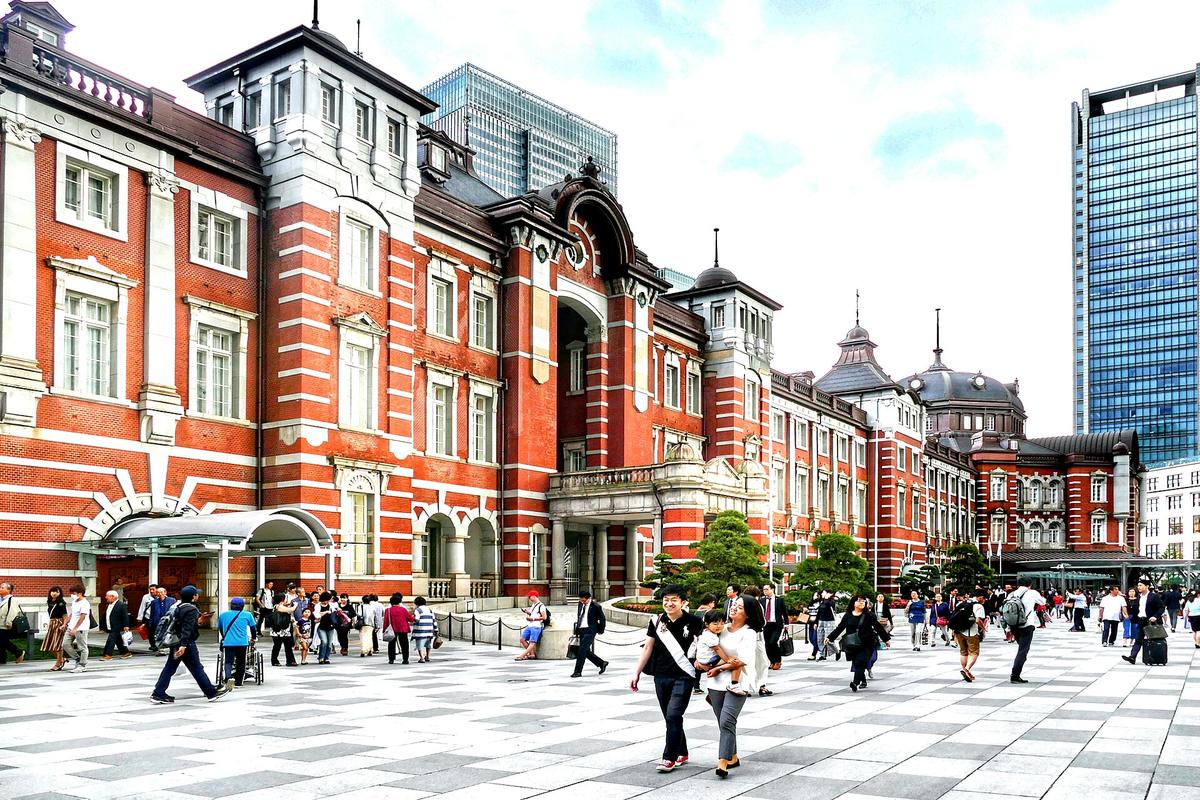
.jpg)
You Enter Through the Wrong Side Every Time
Tokyo Station has 28 platforms across two levels, three distinct exit banks on each side, and two underground shopping labyrinths that look identical but lead to different train lines. The single most useful fact: pick your side before you arrive. The Marunouchi side faces the Imperial Palace and serves the Yamanote Line, Chuo Rapid Line, and Tokaido Shinkansen. The Yaesu side faces the business district and serves the Tohoku, Joetsu, and Hokuriku Shinkansen, the Sobu/Yokosuka Line, and the Keiyo Line. Exit through the wrong side and you add a 500-metre walk through a basement full of bakeries and souvenir shops before you can correct course. Memorise which side your train departs from. That is the only shortcut that actually works.
The Two Sides Are Different Cities
Marunouchi is brick, business, and the bullet train to Kyoto. Yaesu is glass, shopping, and the high-speed service to Hokkaido. Treat them as separate stations connected by a long corridor and you will stop getting lost.
Marunouchi Side: Above Ground and South End
Above ground, tracks 1 through 10 handle JR East conventional lines. Track 2 and 3 are the Yamanote loop. Track 1 and 4 are the Keihin Tohoku Line. The Tokaido Shinkansen occupies tracks 14 through 19 at the south end, still above ground. If you are going to Kyoto or Osaka, enter through a Marunouchi exit. Use Marunouchi South for the shortest walk to the bullet-train gates. The Chuo Rapid Line also departs from tracks 1 and 2 up here.
Yaesu Side: Underground and North End
Below ground, tracks 14 through 23 split by operator. Tracks 14 to 19 are the Tokaido Shinkansen again (south end, underground access). Tracks 20 to 23 are the Tohoku, Joetsu, Hokuriku, Yamagata, and Akita Shinkansen lines (north end, underground). The Sobu/Yokosuka Line runs on its own set of underground tracks 1 through 4 in a separate station area. The Keiyo Line is further south-west, tracks 1 through 4 in another dedicated zone. Ramen Street and Character Street are both on B1F of the Yaesu side inside Tokyo Station Ichibangai. That is why they are there: the shopping draws people to the basement, which feeds them directly into the underground high-speed boarding areas.
How to Do the Hard Transfer: Narita Express to Tokaido Shinkansen
Step by step, because this is the transfer that breaks people. Get off the Narita Express on a platform in the JR conventional area. Follow signs to the Tokaido Shinkansen lines, not to the Yaesu exit and not to the Marunouchi exit. Walk toward the south end of the station. You will pass through the Central Passage, the main east, west corridor on the first basement level. At the south end, take an escalator or stairs up to the bullet-train concourse. The Tokaido gates are clearly marked above tracks 14 through 19. Budget 30 to 45 minutes if it is your first time and you have luggage. The minimum connection time with no luggage and staying inside JR areas is 20 minutes. That assumes you know exactly where you are going. You do not. Take the longer window.
The 500-Metre Underground Transfer
If you need to move from the Tokaido Shinkansen (tracks 14 to 19, above ground, south end) to the Tohoku, Joetsu, and Hokuriku Shinkansen (tracks 20 to 23, underground, north end), you are walking roughly 500 metres with a level change. Do it on the basement level via the Central Passage. Do not try to walk it above ground. The above-ground route forces you through ticket gates and out of the station entirely. Allow 30 minutes.
Luggage Lockers: Where They Are and How They Work
Lockers cluster at Marunouchi North, Marunouchi South, Yaesu Central, Yaesu North, on B1 at Gransta, and in the Keiyo Line area. Sizes run small (35 cm high), medium (55 cm), large (84 cm), and extra large (113 cm). Width and depth are consistent at 34 cm by 57 cm. A large locker fits a standard checked suitcase. An extra large fits two carry-ons stacked. Payment takes Suica or Pasmo IC cards at most units. Some accept coins. Do not count on cash only. Maximum rental is three calendar days, not three 24-hour periods. Store on day one, retrieve on day three, or the locker auto-empties and your bag goes to a central office.
Buy Ekiben Before You Board
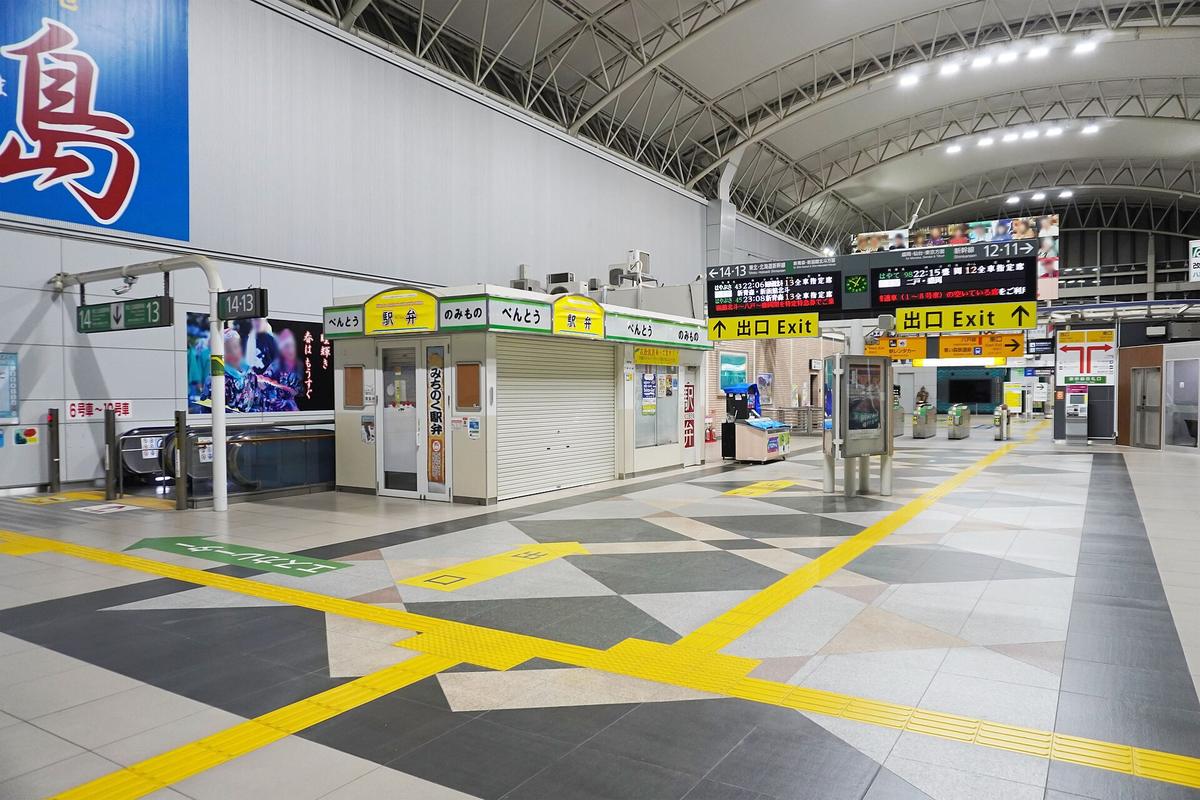
The ekiben ritual happens on the concourse. Shops cluster near the bullet-train gates on both sides. Buy your box lunch before you go through the ticket gate; selection is wider. Look for the shop that sells the station-specific tin, a train-shaped container that doubles as a souvenir. Do not wait to buy on the platform. The platform shops sell only the basic options.

Ramen Street and Character Street Are Not Sightseeing
Tokyo Ramen Street on B1F of the Yaesu side has eight shops. Pick one, order from the ticket machine, eat, leave. It is functional eating for travellers on a transfer, not a destination. Character Street next to it has about 20 shops selling Studio Ghibli, Pokemon, and other franchise merchandise. If you have 15 minutes before a bullet train, it is a decent place to buy a gift. If you schedule an afternoon here, you are doing Tokyo wrong. Skip both if you are on the Marunouchi side. The walk to Ramen Street from the Marunouchi exits takes longer than eating the ramen.
Read next
-
 Tokyo Hotels by Type and Budget from Capsules to Luxury
Tokyo hotels organised by type and price band, from efficient capsule pods to full-service luxury towers, to help you book the right room.
Tokyo Hotels by Type and Budget from Capsules to Luxury
Tokyo hotels organised by type and price band, from efficient capsule pods to full-service luxury towers, to help you book the right room.
-
 Where to Stay in Tokyo by District and Travel Style
A comparison of Tokyo's major districts to help you choose the right base for your travel style, whether you want calm or chaos.
Where to Stay in Tokyo by District and Travel Style
A comparison of Tokyo's major districts to help you choose the right base for your travel style, whether you want calm or chaos.
-
 Narita or Haneda for Tokyo and What That Airport Choice Costs You
Narita or Haneda for Tokyo: compare door-to-district time, transfer cost, and what the wrong airport choice eats from your trip.
Narita or Haneda for Tokyo and What That Airport Choice Costs You
Narita or Haneda for Tokyo: compare door-to-district time, transfer cost, and what the wrong airport choice eats from your trip.
-
 Things to Do in Tokyo That Are Worth Your Limited Days
A curated list of Tokyo's highest-impact sights and experiences, from immersive art to quiet backstreets, to help you prioritise your days.
Things to Do in Tokyo That Are Worth Your Limited Days
A curated list of Tokyo's highest-impact sights and experiences, from immersive art to quiet backstreets, to help you prioritise your days.
-
 Best Time to Visit Tokyo Month by Month Tradeoffs
A month-by-month guide to visiting Tokyo, laying out the trade-off between weather, crowds, price, and what's actually open.
Best Time to Visit Tokyo Month by Month Tradeoffs
A month-by-month guide to visiting Tokyo, laying out the trade-off between weather, crowds, price, and what's actually open.
-
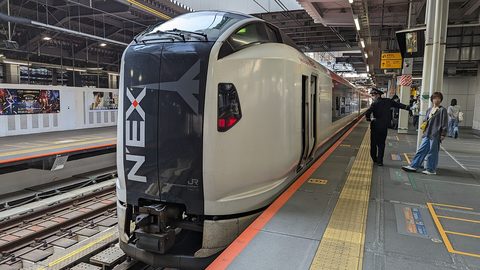 Getting Around Tokyo by Train Airport Transfers and IC Cards
A practical guide to Tokyo's rail network, covering airport transfers, IC cards, and how to avoid the station navigation mistakes that eat your day.
Getting Around Tokyo by Train Airport Transfers and IC Cards
A practical guide to Tokyo's rail network, covering airport transfers, IC cards, and how to avoid the station navigation mistakes that eat your day.
-
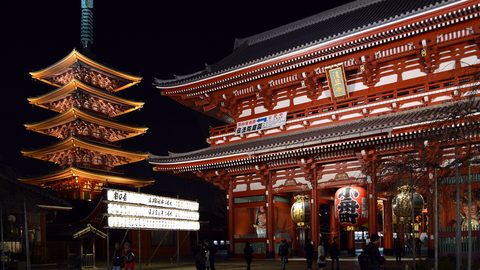 Senso-ji
 is free and never closes, but the experience at 6am with empty Nakamise stalls is nothing like the 11am crush under Kaminarimon. Here is when to go and what you get at each hour.
Senso-ji
Senso-ji is free and never closes, but the experience at 6am with empty Nakamise stalls is nothing like the 11am crush under Kaminarimon. Here is when to go and what you get at each hour.
-
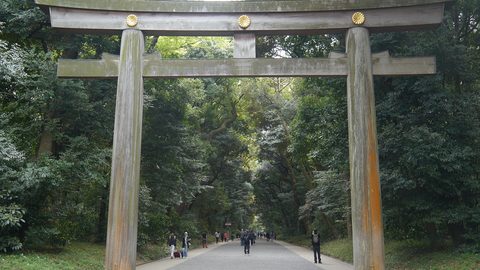 Meiji Jingu
The Meiji Jingu visit changes completely depending on which torii gate you enter. One drops you from Harajuku noise into sudden forest, the other builds quiet slowly from Yoyogi.
Meiji Jingu
The Meiji Jingu visit changes completely depending on which torii gate you enter. One drops you from Harajuku noise into sudden forest, the other builds quiet slowly from Yoyogi.
-
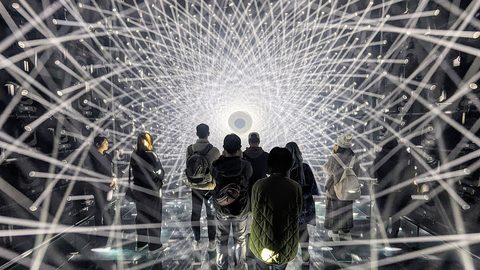 teamLab
 Borderless and Planets are two different Tokyo venues with separate booking systems. Borderless tickets at Azabudai Hills sell in timed slots and the maze has no fixed route.
teamLab
teamLab Borderless and Planets are two different Tokyo venues with separate booking systems. Borderless tickets at Azabudai Hills sell in timed slots and the maze has no fixed route.