Understanding Yasukuni Shrine Before You Decide to Visit
Yasukuni Shrine is one of Tokyo's most beautiful and most divisive spaces, where cherry blossoms and war memorials share the same ground.

Understanding Yasukuni Shrine Before You Decide to Visit
Visitors often arrive at Yasukuni Jinja expecting a simple war memorial where Japan mourns its dead. It is not. That misreading causes confusion about why the site triggers diplomatic crises every time a Japanese prime minister crosses its threshold. The shrine is a Shinto religious institution founded in 1869 by Emperor Meiji to enshrine the souls of those who died fighting for the emperor. Among them are 14 Class A war criminals, enshrined secretly in 1978. That single act transformed a domestic memorial into an international provocation.
Understand this before you walk through the giant steel torii. Your reaction depends on which lens you bring. The facts and the physical reality of a visit follow. The judgement is yours.
- Official Name: Yasukuni Jinja
- Address: 3-1-1 Kudankita, Chiyoda-ku, Tokyo 102-8246
- Nearest Station: Kudanshita (Tokyo Metro Tozai Line, Hanzomon Line, Toei Shinjuku Line)
- Exit For Shrine Approach: Kudanshita Station Exit 1
- Founded: 1869
- Deities Enshrined: 2,466,532 war dead who served the Emperor of Japan
- Class A War Criminals Enshrined: 14, enshrined on 17 October 1978
- Shrine Admission: Free
- Shrine Hours (Mar Oct): 06:00 to 18:00
- Shrine Hours (Nov Feb): 06:00 to 17:00
- Yushukan Museum Admission (Adult): ¥1,000
- Yushukan Hours (Mar Oct): 09:00 to 17:00 (last entry 16:30)
- Yushukan Hours (Jan Feb, Nov Dec): 09:00 to 16:30 (last entry 16:00)
How a Memorial Became a Flashpoint
The controversy hinges on the 14 Class A war criminals enshrined in 1978. China and South Korea view any visit by a sitting Japanese prime minister as an official endorsement of men convicted by the International Military Tribunal for the Far East. That perception is not accidental. The shrine's priests arranged the enshrinement without public debate. When the news broke in April 1979, it exploded.
Shinzo Abe's visit on 26 December 2013 is the one that defined the modern dispute; prime ministers since have generally sent ritual offerings rather than attending in person. Every such visit generates coordinated protests from Beijing and Seoul, front-page headlines across East Asia, and official statements from the United States expressing disappointment. Even ritual offerings sent through surrogates draw the same condemnation. The shrine has become a proxy for a larger question: has Japan fully reckoned with its wartime past?
Walking the Approach
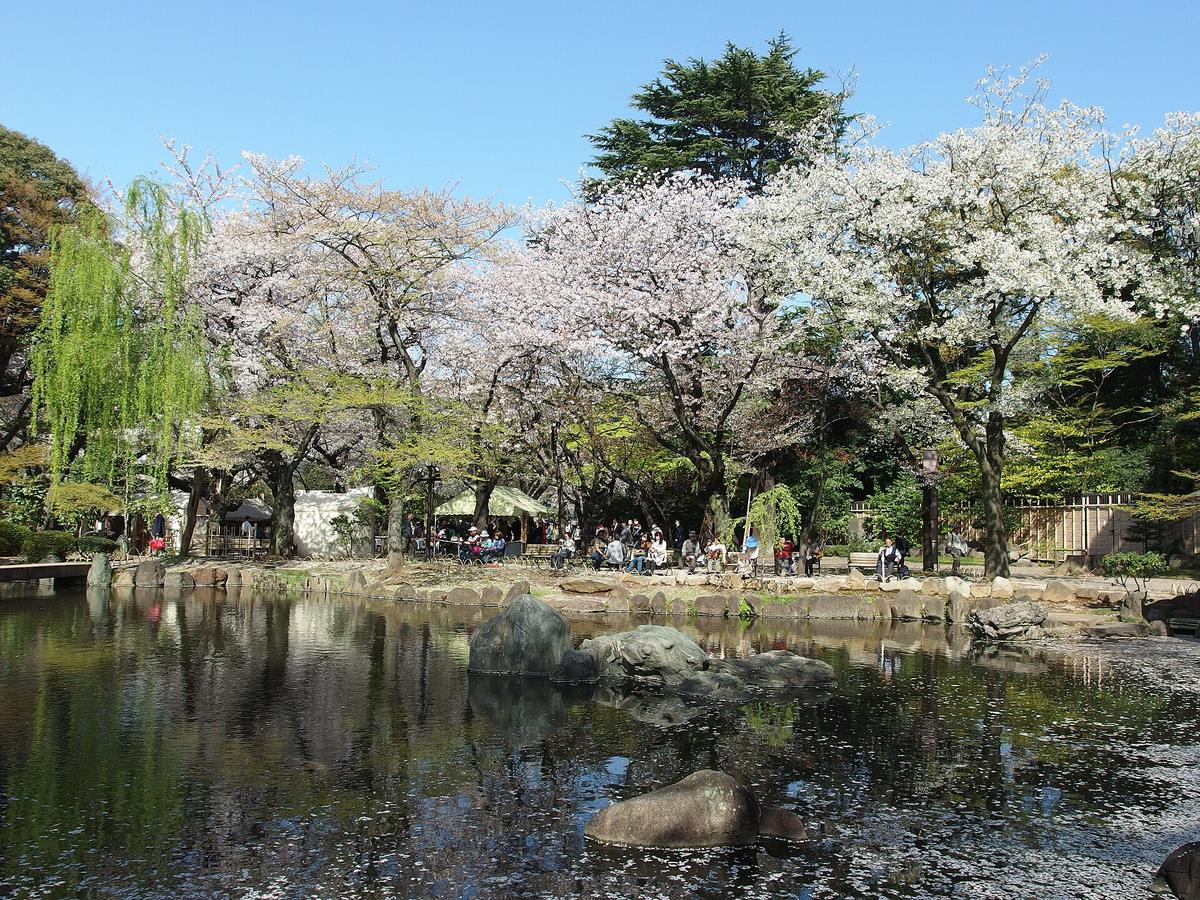
None of that context is visible from Kudanshita Station Exit 1. You emerge onto a broad, tree-lined boulevard called the Sando, a 500-metre approach that begins at the Daiichi Torii, a 25-metre steel gate erected in 1974. Cherry trees line the path on both sides. One of them is the Somei Yoshino tree that the Tokyo Meteorological Agency uses to declare the official start of cherry blossom season. The threshold is five or six blossoms open on that single tree.
Pass the bronze Daini Torii, installed in 1887, then the cypress-wood Shinmon gate rebuilt in 1974. The shrine buildings themselves are restrained, constructed in a formal Shinto design. The grounds cover 99,000 square metres, large enough to feel separate from the surrounding city. The atmosphere is sombre. You will see uniformed Self-Defence Force personnel paying respects. You will also see tourists taking photographs near the main hall, unsure of the protocol.
The Yushukan Museum: the Other Flashpoint
The museum sits on the shrine grounds. It opened in 1882 and underwent a major renovation in 2002 that gave it its current form. Admission costs ¥1,000 for adults, ¥500 for university students, ¥300 for high school and junior high students, and nothing for elementary students and younger. Hours are 09:00 to 17:00 from March through October, with last entry at 16:30. From November to February, hours are 09:00 to 16:30, last entry at 16:00. The museum closes on irregular maintenance days; check the official site before you go.
This is where the controversy becomes physical. The exhibits present Japan's military actions as a defensive war to liberate Asia from Western colonialism. The museum minimises or omits documentation of the Nanjing Massacre and the system of wartime sexual slavery. Visitors who know the standard historical record will find the narrative deeply partial. Visitors who do not may absorb a version of events unsupported by international scholarship. Whether you find the museum instructive or offensive depends on the history you carry with you.
Visit the shrine grounds without entering the museum. Many do exactly that. If you choose to enter, budget at least 90 minutes. The displays are dense and almost entirely in Japanese, though English audio guides are available.
When to Go and What to Expect
Yasukuni is free and open daily. March to October hours run 06:00 to 18:00. November to February hours run 06:00 to 17:00. Arrive before 09:00 to experience the grounds before the tour groups arrive. By 11:00 the main approach is packed. Morning light on the cherry blossoms in late March or early April is exceptional, but be ready for crowds. The shrine's Somei Yoshino tree is the official benchmark for Tokyo's cherry blossom declaration, so media crews gather when the blooms open.
Mitama Matsuri
Mid-July brings the Mitama Matsuri, an annual festival held from 13 to 16 July that started in 1947. The shrine strings 30,000 lanterns along the Sando approach. The atmosphere shifts from sombre to celebratory. Admission is free. The festival draws large crowds. Arrive by late afternoon to secure a comfortable position.
Dates to Avoid
Skip the shrine during Golden Week, late April to early May. Domestic tourism clogs every transport hub in Tokyo. Avoid mid-August for humidity and the New Year period from 29 December to 3 January, when independent shops and restaurants close. The shrine stays open during these windows, but conditions outside its control will compromise your visit.
.jpg)
Making Your Decision
You now have the facts. The shrine is a Shinto institution built to honour the emperor's war dead. The 1978 enshrinement of 14 Class A war criminals made it a permanent point of friction in East Asian diplomacy. The museum presents a contested version of history. The grounds are quiet and expansive, with the cherry blossom tree that starts Tokyo's spring each year.
Whether you visit depends on what you want from your Tokyo itinerary. If you want to understand the fault lines in modern Japan, the shrine is a necessary stop. If you are looking for a peaceful garden or a Shinto experience without political weight, skip it and go to Meiji Jingu instead. No guide should tell you which choice is correct. You know why you travel.
Book your visit for a morning between 07:00 and 09:00. Exit Kudanshita Station at Exit 1. Walk straight through the steel torii. Decide for yourself.
Common Questions
Is it disrespectful to take photographs at Yasukuni Shrine?
Photography is permitted in the grounds and at the torii gates. Inside the main hall and the museum, photography is prohibited. Follow posted signs. Treat the space as you would any active place of worship.
Can I visit the shrine without seeing the Yushukan?
Yes. The shrine grounds are free and open to everyone. The museum requires a paid ticket and sits to the side of the main approach. Walk the Sando, see the main hall, and leave without entering the museum.
Why do Chinese and South Korean governments protest visits here?
Because the shrine enshrines 14 Class A war criminals convicted by the International Military Tribunal for the Far East. These governments view prime ministerial visits as official honouring of those men and as a symbol that Japan has not fully accepted responsibility for wartime atrocities.
Is there a dress code for entering the shrine?
There is no formal dress code. Dress respectfully, as you would at any religious site. Remove your hat at the main hall. Bow once before entering the prayer hall, clap twice, bow once more. This is the standard Shinto prayer gesture.
Read next
-
 Tokyo Hotels by Type and Budget from Capsules to Luxury
Tokyo hotels organised by type and price band, from efficient capsule pods to full-service luxury towers, to help you book the right room.
Tokyo Hotels by Type and Budget from Capsules to Luxury
Tokyo hotels organised by type and price band, from efficient capsule pods to full-service luxury towers, to help you book the right room.
-
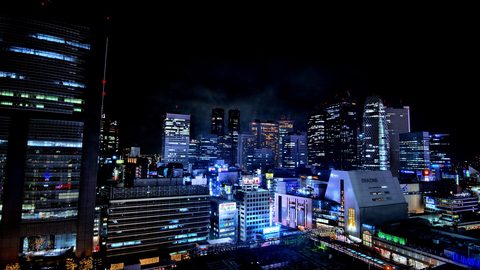 Where to Stay in Tokyo by District and Travel Style
A comparison of Tokyo's major districts to help you choose the right base for your travel style, whether you want calm or chaos.
Where to Stay in Tokyo by District and Travel Style
A comparison of Tokyo's major districts to help you choose the right base for your travel style, whether you want calm or chaos.
-
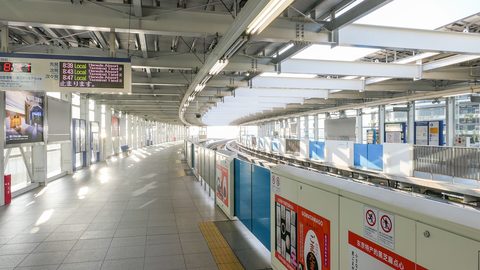 Narita or Haneda for Tokyo and What That Airport Choice Costs You
Narita or Haneda for Tokyo: compare door-to-district time, transfer cost, and what the wrong airport choice eats from your trip.
Narita or Haneda for Tokyo and What That Airport Choice Costs You
Narita or Haneda for Tokyo: compare door-to-district time, transfer cost, and what the wrong airport choice eats from your trip.
-
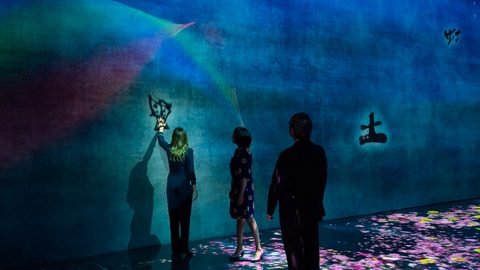 Things to Do in Tokyo That Are Worth Your Limited Days
A curated list of Tokyo's highest-impact sights and experiences, from immersive art to quiet backstreets, to help you prioritise your days.
Things to Do in Tokyo That Are Worth Your Limited Days
A curated list of Tokyo's highest-impact sights and experiences, from immersive art to quiet backstreets, to help you prioritise your days.
-
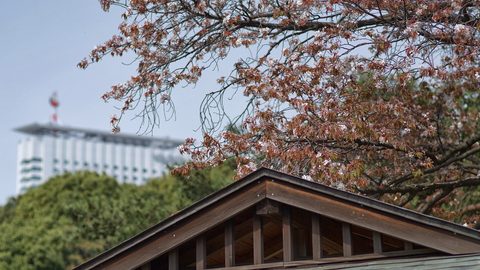 Best Time to Visit Tokyo Month by Month Tradeoffs
A month-by-month guide to visiting Tokyo, laying out the trade-off between weather, crowds, price, and what's actually open.
Best Time to Visit Tokyo Month by Month Tradeoffs
A month-by-month guide to visiting Tokyo, laying out the trade-off between weather, crowds, price, and what's actually open.
-
 Getting Around Tokyo by Train Airport Transfers and IC Cards
A practical guide to Tokyo's rail network, covering airport transfers, IC cards, and how to avoid the station navigation mistakes that eat your day.
Getting Around Tokyo by Train Airport Transfers and IC Cards
A practical guide to Tokyo's rail network, covering airport transfers, IC cards, and how to avoid the station navigation mistakes that eat your day.
-
 Senso-ji
 is free and never closes, but the experience at 6am with empty Nakamise stalls is nothing like the 11am crush under Kaminarimon. Here is when to go and what you get at each hour.
Senso-ji
Senso-ji is free and never closes, but the experience at 6am with empty Nakamise stalls is nothing like the 11am crush under Kaminarimon. Here is when to go and what you get at each hour.
-
 Meiji Jingu
The Meiji Jingu visit changes completely depending on which torii gate you enter. One drops you from Harajuku noise into sudden forest, the other builds quiet slowly from Yoyogi.
Meiji Jingu
The Meiji Jingu visit changes completely depending on which torii gate you enter. One drops you from Harajuku noise into sudden forest, the other builds quiet slowly from Yoyogi.
-
 teamLab
 Borderless and Planets are two different Tokyo venues with separate booking systems. Borderless tickets at Azabudai Hills sell in timed slots and the maze has no fixed route.
teamLab
teamLab Borderless and Planets are two different Tokyo venues with separate booking systems. Borderless tickets at Azabudai Hills sell in timed slots and the maze has no fixed route.