An Honest Answer to Whether Shanghai Is Worth Your Time
Shanghai is worth visiting for skyline photographers, street-food obsessives, and first-time China visitors wanting a soft landing—but skip it if you want quaint old towns or imperial history.
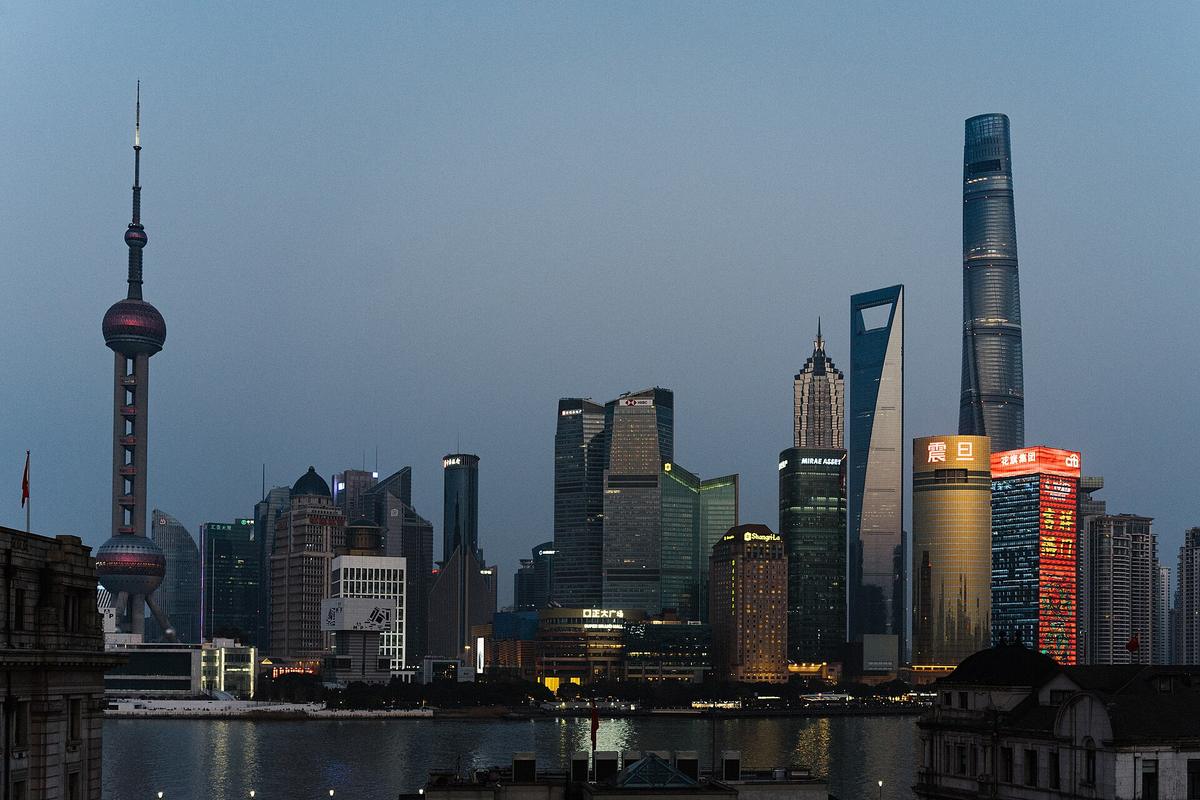

An Honest Answer to Whether Shanghai is Worth Your Time
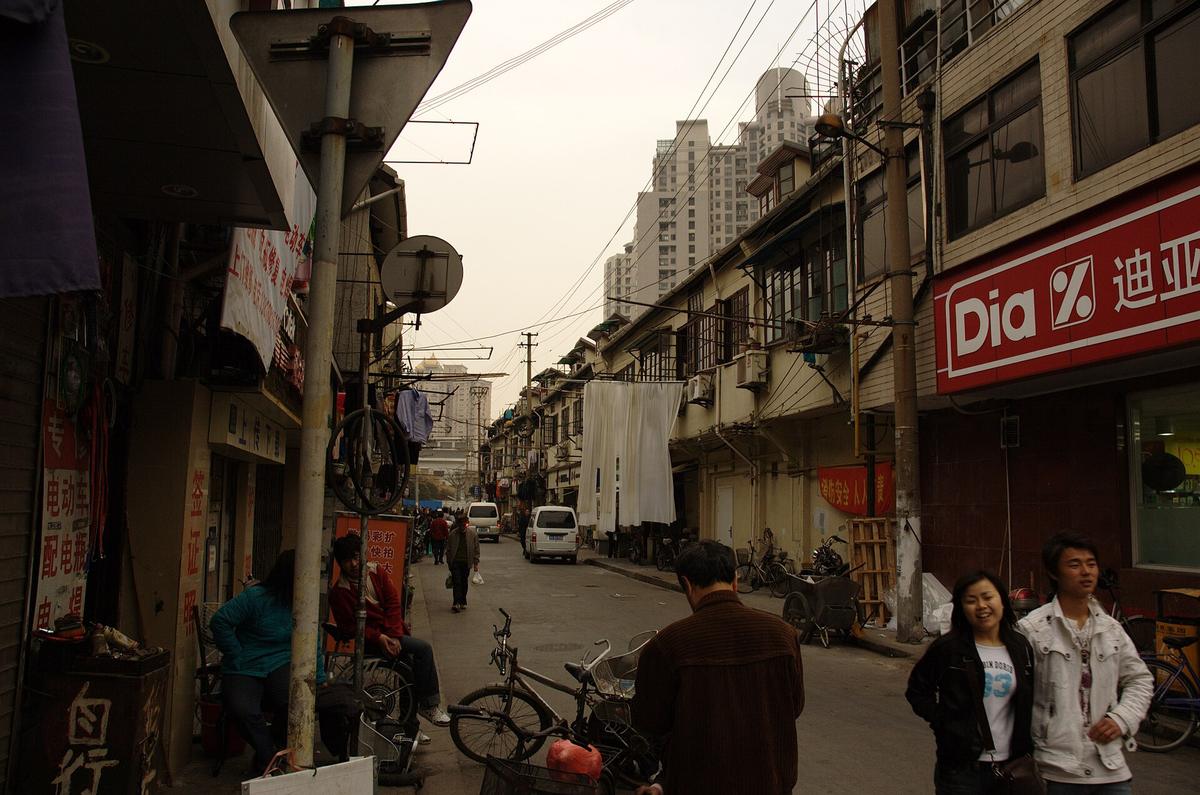
Yes. For a specific type of traveller, Shanghai is the best city in mainland China and the answer to is shanghai worth visiting is a decisive yes. The city rewards architecture lovers with a skyline that earns its reputation, food-focused travellers with the best street-level eating in the country, and first-time China visitors with a soft landing that Beijing cannot match. Shanghai is the only genuinely walkable Chinese megacity, and its lane-house nostalgia and futuristic towers sit on the same block. That combination does not exist anywhere else.
But the honest negatives matter more than the praise. Shanghai is not an old city. It has few imperial monuments, and it is the wrong city for temples and history. Travellers seeking a walkable old town with little English support will find frustration rather than charm. The city's historic pockets are fragments, not whole districts. If you want immersion in classical Chinese gardens and imperial history, Suzhou or Beijing deliver that far better. If you want a relaxed pace, Shanghai will exhaust you.
Decide who should go, who should give the days elsewhere, and exactly what the trade-offs are. The numbers, costs, and failure cases are all here.
Shanghai Pros and Cons
Food And Walkability
Shanghai pros and cons are not balanced. They are specific to your travel style. If you match the best-for list, the pros dominate. If you match the not-for list, the cons will ruin your trip.
On the pro side: Shanghai is the best food city in mainland China. Shengjianbao at Da Hu Chun costs about ¥10 for four buns, and the scalding broth and crispy base are worth the queue. Cifantuan from a hole-in-the-wall shop is a ¥5 breakfast that beats any hotel buffet. Congyou banmian, scallion oil noodles, costs ¥10 to ¥15 and is a breakfast staple served from street stalls. The food crawl is the central activity, and no other Chinese city matches its density of accessible street eats.
The skyline earns its reputation. The Bund is free and best at blue hour. Shanghai Tower's Top of Shanghai observation deck runs ¥180 or more, and the view from the world's highest observation deck is the single most efficient sightseeing investment in the city. The Former French Concession offers plane-tree avenues, lane houses, and café culture that makes Shanghai the only genuinely walkable Chinese megacity. Crossing a district can swallow half a day, but the walkable pockets are real.
The Trade Offs
On the con side: Shanghai is not an old city. The Old City around Yu Garden is a tourist-focused Ming-era bazaar, not a living historic district. The city has few imperial monuments. Longhua Temple is Shanghai's oldest at ¥10, but it is a single temple, not a temple complex. The Jade Buddha Temple costs ¥20 and holds two rare jade statues, but you can cover it in 30 minutes. If you want multiple days of temple and history immersion, you are in the wrong city.
The scale and pace are harder than expected. The Metro is dominant with 18 lines and English signage, but operations stop around 22:30 to 23:00. Last train timing varies by line. Assume the Metro shuts down, not that it runs late. Taxi drivers rarely speak English. Have destinations in Chinese characters. Hailing on the street during rain or shift change from 16:00 to 18:00 is near impossible. Sidewalk traffic is a contact sport: e-bikes and scooters use pedestrian paths silently and at speed.
Who Should Visit Shanghai
For Food And Urban Explorers
Shanghai is for food-focused travellers. The street-level eats are the reason to come. Xiaolongxia, spicy crawfish, is a summer-only street feast on the Shouning Road strip. Hairy crab or dazhaxie is a seasonal obsession from September to October, eaten with vinegar and ginger. The city's food culture is accessible from ¥5 to ¥50 and requires no restaurant booking. You eat standing, walking, or at a plastic stool. That is the point.
Shanghai is for urban explorers. The city's soul is hidden behind unmarked doors and upper-floor walk-ups, not on the main boulevards. M50 Art District is free and holds working artist studios in a former textile mill. The Propaganda Poster Art Centre is a private collection in a basement, costs ¥25, and requires a booking. 1933 Old Millfun is a concrete slaughterhouse turned creative space, free to enter. These are not tourist attractions. They are places that reward curiosity.
For First Timers And Skyline Lovers
Shanghai is for first-time China visitors wanting a soft landing. The Metro has English signage. The airport express from Pudong International, the Maglev, takes eight minutes to Longyang Road for ¥50, or ¥40 with a same-day flight ticket. Alipay and WeChat Pay support foreign cards since 2023, with passport verification in the app. The city is easier than Beijing to navigate on arrival. The trade-off is that Shanghai does not give you classical China. It gives you modern China.
Shanghai is for architecture and skyline enthusiasts. The Oriental Pearl Tower observation deck costs ¥199 or more. The Bund is free. The Rockbund Art Museum costs ¥30 and is in an Art Deco building. The China Art Museum is in the old China Pavilion, free with passport. The West Bund has riverside contemporary art museums and galleries. If you photograph buildings, Shanghai is worth your time.
Who Should Skip Shanghai
Skip It For History Or Temples
Skip Shanghai if you want ancient history. The city has few imperial monuments. The Ming-era rockery and pavilions at Yu Garden cost ¥40 and take an hour. That is the extent of Shanghai's classical Chinese garden immersion. Suzhou is 25 minutes by high-speed train from Shanghai Hongqiao station and offers classical gardens and canals that Shanghai cannot touch. If gardens and history are your priority, spend your days in Suzhou, not Shanghai.
Skip Shanghai if you want traditional temples. Longhua Temple is ¥10 and is Shanghai's oldest, but it is active worship, not a historical site. The Jade Buddha Temple costs ¥20. Both together take less than half a day. Beijing delivers imperial temples, the Forbidden City, and the Temple of Heaven. Shanghai delivers a handful of small temples. The comparison is not close.
Skip It For Small Town Charm
Skip Shanghai if you want small-town charm. Zhujiajiao Water Town is reachable by Metro Line 17 in about 60 minutes, but it is a tourist-oriented canal town with stinky tofu stalls and souvenir shops. Nanxun Water Town is quieter, 90 minutes by bus from Shanghai South Bus Station, with silk-industry mansions. Neither is a walkable old town where you can get lost without a plan. If that is what you want, go to Suzhou or Hangzhou. Hangzhou is 45 to 60 minutes by high-speed train from Hongqiao and offers West Lake and tea plantations.
Shanghai First Time China: What to Know Before You Go
Payments And Connectivity
Shanghai first time china visits require preparation that most travellers underestimate. The single biggest failure is cashlessness. Many vendors refuse cash entirely. Alipay and WeChat Pay dominate. Foreign card acceptance on both apps has been supported since 2023, but it requires passport verification in the app. Set this up before departure. If you arrive without a working payment app, you will struggle to buy food or ride the Metro.
The Great Firewall blocks Google, WhatsApp, Instagram, Facebook, and X. You need a VPN installed and tested before departure. Free public Wi-Fi requires a Chinese phone number for SMS verification. A local SIM or eSIM with a Chinese number unlocks app-based services. Without it, ride-hailing and some museum bookings become difficult. The Shanghai Museum requires a time slot booked on WeChat. The Power Station of Art requires online booking. If you cannot access WeChat, you cannot book these.
Comparisons And Planning
Shanghai is worth it if you have been to Hong Kong. The food culture is distinct, the colonial history is distinct, and the scale is distinct. Hong Kong is dense and vertical. Shanghai is sprawling and layered. Shanghai is worth it if you have been to Tokyo. The country, food, language, and price point are all unrelated. The comparison is not useful.
Shanghai works as a standalone city trip. It does not need Beijing beside it, but the two together form the classic first-timer pairing. If you have three to four full days, Shanghai is enough on its own. If you have a week, split it between Shanghai and Beijing. The handoff page for that decision is the Beijing or Shanghai comparison.
.jpg)
Shanghai vs Beijing vs Suzhou: Where to Spend Your Days
Choose Your City
Shanghai vs Beijing vs Suzhou is a question of what you want to see. Beijing has imperial history, the Forbidden City, the Great Wall, and the Temple of Heaven. It is not walkable. Its distances are vast, its traffic is worse, and its food scene is more about northern staples like Peking duck and lamb skewers than street-level variety. If you want history, choose Beijing. If you want food and walkability, choose Shanghai.
Suzhou has classical gardens, canals, and a slower pace. It is 25 minutes by high-speed train from Shanghai Hongqiao. You can do Suzhou as a day trip from Shanghai. If you stay in Shanghai and want garden immersion, take the train to Suzhou for the day. If you skip Shanghai entirely for Suzhou, you lose the skyline, the food crawl, and the contemporary art scene.
Plan Your Days
The common mistake is trying to see both sides of the Huangpu River in one morning, then cramming the French Concession into the afternoon. Distances are vast. This turns the day into a Metro commute rather than an experience. Three full days is the minimum: one for the Bund and Pudong, one for the French Concession and lane houses, and one for a deep food crawl plus a contemporary art or water town half day. Do not try to do it in two.
| Factor | Detail |
|---|---|
| Minimum days | 3 full days |
| Peak season | April to May and October to November, 15 to 25°C |
| Avoid window | Chinese New Year (late Jan/Feb), July to August (35°C, 80% humidity, typhoon risk) |
| Airport to city | PVG: Maglev 8 min ¥50, taxi 50 to 70 min ¥180 to ¥250. SHA: Metro 35 min ¥5, taxi 25 to 40 min ¥50 to ¥80 |
| Metro fare | From ¥3, 18 lines, English signage, stops 22:30 to 23:00 |
| Transport card | Shanghai Public Transportation Card or Alipay transport QR code |
| Key cost: Shanghai Tower | ¥180+, pre book |
| Key cost: Yu Garden | ¥40, book ahead |
| Key cost: Propaganda Poster Art Centre | ¥25, book ahead |
The Firewall Effect and What Breaks
The Great Firewall blocks Google, WhatsApp, Instagram, Facebook, and X. You need a VPN installed and tested before departure. Without it, you lose mapping, messaging, and social media. Free public Wi-Fi requires a Chinese phone number for SMS verification. A local SIM or eSIM with a Chinese number unlocks app based services. Without one, ride hailing and some museum bookings become difficult.
Metro security checks at every station slow progress. Allow five extra minutes per entry during rush hour. Public toilets frequently lack soap and toilet paper. Carry both. The single thing that most often goes wrong: assuming the Metro runs 24 hours. It stops around 22:30 to 23:00. Last train timing varies by line. If you are out after that, a taxi is your only option, and hailing one on the street during shift change or rain is near impossible. Have your destination in Chinese characters on your phone and budget for the surge.
Read next
-
 Shanghai Hotels by Property Type and Price Band — Bund Palaces to Lane-House Stays
Shanghai hotels sorted by property type and price band: Bund river-view icons, French Concession lane-house boutiques, Pudong towers, and budget-smart Metro-side picks.
Shanghai Hotels by Property Type and Price Band — Bund Palaces to Lane-House Stays
Shanghai hotels sorted by property type and price band: Bund river-view icons, French Concession lane-house boutiques, Pudong towers, and budget-smart Metro-side picks.
-
Where to Stay in Shanghai — Choosing Your Base Across 10 Districts
Choosing where to stay in Shanghai shapes everything. Compare the French Concession, Bund, Jing'an, and Pudong across atmosphere, walkability, and after-dark personality.
-
 Flying to Shanghai Pudong and Hongqiao Airports Without the Arrival Chaos
Compare Shanghai Pudong and Hongqiao airports on arrival logistics: Maglev steps, Metro Line 10 timing, taxi costs, and which airport wastes less of your first day.
Flying to Shanghai Pudong and Hongqiao Airports Without the Arrival Chaos
Compare Shanghai Pudong and Hongqiao airports on arrival logistics: Maglev steps, Metro Line 10 timing, taxi costs, and which airport wastes less of your first day.
-
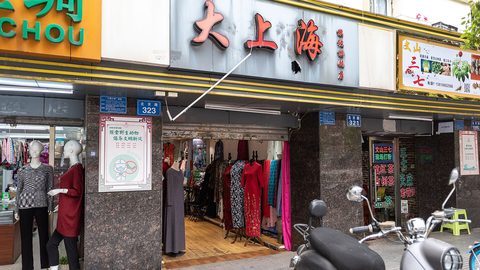 Things to Do in Shanghai — Ranked Sights and What to Skip With Only Days
Shanghai sights ranked and argued: the Bund at blue hour, Shanghai Tower versus Oriental Pearl, Yu Garden's tradeoffs, and what to skip when days are short.
Things to Do in Shanghai — Ranked Sights and What to Skip With Only Days
Shanghai sights ranked and argued: the Bund at blue hour, Shanghai Tower versus Oriental Pearl, Yu Garden's tradeoffs, and what to skip when days are short.
-
 Best Time to Visit Shanghai — Month-by-Month Weather, Crowds, and Closures
Shanghai's best months are April–May and October–November, but each carries a tradeoff. Month-by-month weather, crowd surges, festival timing, and closure periods.
Best Time to Visit Shanghai — Month-by-Month Weather, Crowds, and Closures
Shanghai's best months are April–May and October–November, but each carries a tradeoff. Month-by-month weather, crowd surges, festival timing, and closure periods.
-
 Getting Around Shanghai — Metro Card Tricks, Taxi Traps, and the 11pm Stranding
Shanghai's Metro shuts around 11pm and taxis vanish during shift change. Learn the transport card trick, Alipay QR setup, and how to avoid getting stranded.
Getting Around Shanghai — Metro Card Tricks, Taxi Traps, and the 11pm Stranding
Shanghai's Metro shuts around 11pm and taxis vanish during shift change. Learn the transport card trick, Alipay QR setup, and how to avoid getting stranded.
-
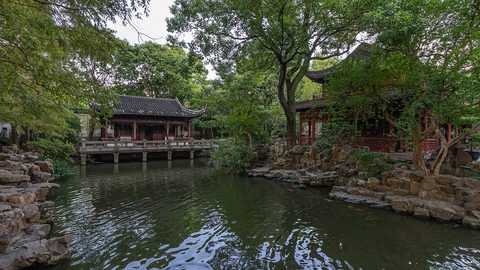 Yu Garden
 is a genuine 16th-century Ming garden behind walls most visitors never enter, trapped in the souvenir bazaar outside. Here is what is inside and how to get there.
Yu Garden
Yu Garden is a genuine 16th-century Ming garden behind walls most visitors never enter, trapped in the souvenir bazaar outside. Here is what is inside and how to get there.
-
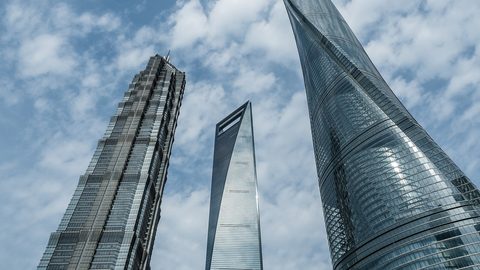 Shanghai Tower
 is 632 metres with the world's fastest lift, but a Jin Mao bar drink, the World Financial Center deck, or the free Pudong riverside walk offer the same skyline for less.
Shanghai Tower
Shanghai Tower is 632 metres with the world's fastest lift, but a Jin Mao bar drink, the World Financial Center deck, or the free Pudong riverside walk offer the same skyline for less.
-
 Shanghai Museum
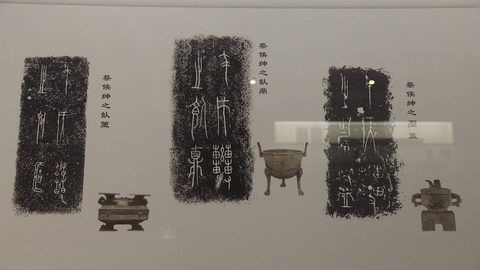
The Shanghai Museum now spans two buildings. Here is exactly which collections live where, and how to book free tickets for both.
Shanghai Museum
The Shanghai Museum now spans two buildings. Here is exactly which collections live where, and how to book free tickets for both.