A Five Day Hong Kong Plan That Leaves the Concrete Twice
Five days: two of them leave the city, and that is what makes the trip. A Hong Kong itinerary with breathing room.

The Opening Scene
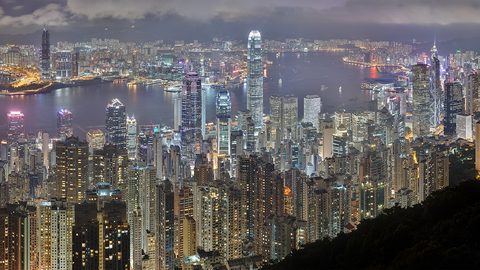
You step off the Peak Tram at 7:30 p.m. and the viewing platform is three people deep. Below you, the harbour is a grid of lit ferries and glowing office towers. This is the shot everyone posts. And it is worth seeing once. But if your five days in Hong Kong consist of nothing except this view, a dim sum lunch, and a temple, you have missed the whole point of the place.
A five day Hong Kong itinerary that works admits something: the urban core is exhausting. The crowds. The humidity. The narrow pavements blocked by scaffolding and the aggressive air conditioning. Most visitors burn out by day three. The fix is not to push harder. It is to leave.
This plan puts two of your five days outside the dense downtown districts. One goes to Lantau Island. The other goes to a hike or a boat trip with a rest afternoon built in. That structure is what makes the urban days bearable, because you recover. And you get a second thing many visitors miss: Hong Kong is not just a city. It is a territory with beaches, stilt villages, hiking trails, and geological formations you cannot see anywhere else.
Days 1 and 2: the Urban Core, Compressed and Intentional
How to Spend Two City Days Without Wasting One
These first two days compress what the three day version covers. You have less time in the city so you have to be selective. Skip the Peak during the day. Go at dusk. Skip the Avenue of Stars. Go to the Star Ferry instead. Skip the M+ Museum if you only have two days. It demands a half day on its own and you do not have the margin.
Day one belongs to Hong Kong Island. Start in Sheung Wan for Man Mo Temple and the dried seafood lanes, then walk east through Central and into Wan Chai. The point is not to see every landmark. The point is to feel the vertical density and figure out how the city works. End at the Peak around 5 p.m. Arrive early enough to watch the sky change but late enough that you skip the midday queue. The return tram fare is around HKD 88. If the queue at the top is long, walk down the Old Peak Road. It takes roughly 40 minutes and saves you the wait.
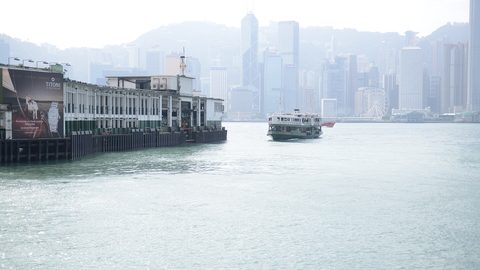
Day two is Kowloon. Cross the harbour on the Star Ferry, upper deck, HKD 5 on a weekday. Spend the morning in Tsim Sha Tsui. The Hong Kong Museum of History gives you the city context in two hours. After that, walk into Mong Kok. Temple Street Night Market opens around 6 p.m. Go hungry. Eat the claypot rice and the egg waffles. The density here is the point, not the merchandise. You are here for the sensory overload, not the bargain buys.
By the end of day two you will be tired. That is the design. Day three gets you out of it.
Day Three: Pick Your Escape Route
You have three options for the first out of city day. All of them leave from Central ferries or MTR. All of them put you somewhere that does not look like the city you saw for the first two days.
Option A: Cheung Chau
Ferry from Central Pier 5. The fast ferry takes 35 to 40 minutes. The ordinary ferry takes 55 to 60 minutes. Cheung Chau has no cars. It has narrow lanes, a few small beaches, seafood restaurants along the waterfront, and the Cheung Po Tsai Cave. You can walk the whole island in three hours. Eat the seafood. Skip the bun festival if you are not there in early May. The rest of the year the island is quiet and workable.
Option B: Lamma Island
Ferry from Central Pier 4. Yung Shue Wan is 25 to 30 minutes. Sok Kwu Wan is 30 to 35 minutes. Walk the Family Trail between them. It is about 5 kilometres and takes 1.5 to 2 hours. The trail is flat, shaded in sections, and ends at Sok Kwu Wan where the seafood restaurants line the pier. Lamma is the better option if you want a proper walk with a lunch reward. Cheung Chau is better if you want a compact island you can explore without a trail.
Option C: Lantau End To End
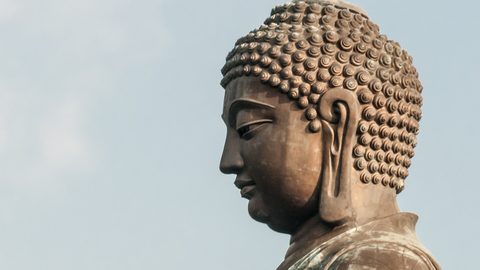
This is the full day. Ferry from Central Pier 6 to Mui Wo (35 to 55 minutes). Bus 1 from Mui Wo to Tai O (40 to 50 minutes). That gets you the stilt houses and the pink dolphin boat tours. Then bus 21 from Tai O to Ngong Ping (about 20 minutes) for the Tian Tan Buddha and the Po Lin Monastery. Then bus 23 from Ngong Ping to Tung Chung (about 50 minutes) for the MTR back to Central. Do not try to add the Ngong Ping 360 cable car on the same day unless you prebooked it. The cable car queue can eat two hours. The bus is faster and cheaper.
Option C is the most ambitious. It suits travellers who want variety over relaxation. If you have been to Hong Kong before, do Lantau end to end. If this is your first visit, do Cheung Chau or Lamma. Save your energy for day four.
Day Four: the Hike or the Boat, with a Mandatory Rest Afternoon
This is the day that makes the five day plan different from the three day plan. You do not try to do a hike or a boat trip in the same day as a museum or a market. You do the outdoor thing in the morning and you stop.
For First Time Hikers: Dragon's Back To Big Wave Bay
Take bus 9 from Shau Kei Wan MTR to the To Tei Wan trailhead. The trail is about 8.5 kilometres with 300 metres of elevation gain. It takes 2.5 to 3 hours. The difficulty is easy to moderate. The view from the ridge is a coastline of green slopes dropping into turquoise water. You end at Big Wave Bay Beach. There are changing rooms, showers, and kiosks. Swim. Eat a pineapple bun with butter from the beachside stall. Then take a taxi or bus 9 back to Shau Kei Wan.
This hike works for almost everyone except those who cannot manage 300 metres of ascent. Do not attempt it during a thunderstorm warning. Check the Hong Kong Observatory forecast the morning of. If the warning is active, swap this day with day five and do the museum or market option.
For Return Visitors Or Boat People: Sai Kung And The Geopark
Take the minibus or taxi from Kowloon to Sai Kung town. The ride is roughly 45 minutes. From the Sai Kung New Public Pier, join a boat tour that runs 4 to 6 hours and covers the Hong Kong UNESCO Global Geopark. The key formation is the hexagonal volcanic rock columns. The area spans about 150 square kilometres. The boat is the only practical way to see it. This is a good option if you have already done the Dragon's Back or if you prefer being on the water to walking. It is not a good option if you get seasick on small boats.
The Rest Afternoon
After either the hike or the boat, do nothing. Go back to your hotel. Shower. Sit in a cafe that has air conditioning set to aggressive and drink Hong Kong style milk tea. Do not schedule a museum for this afternoon. Do not schedule a shopping trip. The reason is cumulative fatigue. Two non urban days back to back tire you in a different way from two urban days. If you skip the rest, day five will feel like a chore.
Day Five: Macau, Sha Tin, or a Slow City Day
Your last day has three options. Choose based on your energy level and your interests.
Macau Day Trip
Ferry from Sheung Wan or Tsim Sha Tsui. TurboJET and Cotai Water Jet both run the crossing in about one hour. One way costs HKD 160 to 200. You need your passport. Most passport holders get visa free entry for short stays. Budget HKD 500 to 800 per person for the day including ferry and meals. The gambling is optional. The colonial architecture and the Portuguese egg tarts are not. This is a good option if you want to say you have been to a second territory in five days. It is a bad option if you are tired of transport. You will spend two hours on ferries plus immigration time.
Sha Tin Day
Take the MTR to Sha Tin. Walk uphill from the Sha Tin MTR station, 20 to 30 minutes, to the Ten Thousand Buddhas Monastery. It is free. It opens 09:00 to 17:00. The path has more than 400 golden statues. The monastery itself is quieter than the urban temples. If it is a race day (mostly Saturdays and Sundays, some Wednesday evenings, September to July), you can continue to Sha Tin Racecourse. Public enclosure admission is HKD 10. The Hong Kong Jockey Club publishes the race day schedule. This option suits travellers who want a half day with a clear destination and no ferry.
Slow City Day
Spend the day in the districts you rushed on days one and two. Start in Sham Shui Po for the electronics and fabric market from late morning. Walk north into Mong Kok for the Ladies' Market (opens around 12:00), the Goldfish Market, and Sneaker Street. Finish in Yau Ma Tei for the Jade Market (open until about 17:00). Eat street food at each stop. The total cost for the day including meals will be under HKD 300 per person. This is the best option if you are exhausted. It requires no planning, no ferry schedule, and no entry fee.
Whichever option you choose, book the splurge meal for the evening. The budget for a proper restaurant dinner in Hong Kong is HKD 800 to 2,500 per person. Do not try to squeeze it into the middle of a hike day. Do it on the last night when you know what you have earned.

Weather Contingencies You Need Before You Go
The chance of at least one wet day in five is high, especially between May and September. The wettest months are June and August. The driest are November and December. If the day you planned for Dragon's Back or the Geopark boat looks wet, swap it with the museum or market day. You can do a rainy day in Kowloon. You should not do a rainy day on a ridge with 300 metres of elevation gain.
If a typhoon signal T8 or above is hoisted, public transport, ferries, and most indoor venues close. Do not attempt to sightsee. Stay in your hotel. If a thunderstorm warning is active, suspend the Dragon's Back hike and the Sai Kung boat trip. Neither is safe in lightning. The Hong Kong Observatory publishes the rainstorm warning levels (Amber, Red, Black) and the typhoon signal scale (T1, T3, T8, T9, T10). Check it every morning.
What This Plan Leaves Out, Deliberately
This itinerary skips the New Territories walled villages, the Wetland Park, Ocean Park, the Ngong Ping 360 cable car (unless you do Lantau end to end and prebook), and most outlying islands beyond Cheung Chau, Lamma, and Lantau. You have five days, not ten. These omissions are not failures. They are the result of picking the things that matter most for a short stay: the urban core, the outdoor escape, and one wild card day.
This plan works for urban explorers who love public transport and skyline photography, food focused travellers who will eat at dai pai dongs and hole in the wall noodle shops, hikers who want serious trails with sea views, and solo travellers who value safety and ease of navigation. It does not work for travellers on a tight budget who want cheap hostels, people who dislike crowds or queues, anyone seeking a relaxed slow paced beach town, or travellers who want wide open public spaces instead of vertical malls and narrow streets. Hong Kong is not a gentle introduction to Asia. Five days with two out of the city is the way to see it without pretending it is something it is not.
Read next
-
 Hong Kong eSIM and Data Plans Before You Land
Hong Kong has no internet firewall. A cheap eSIM or tourist SIM from the airport gives you fast data for Google Maps and WhatsApp from the moment you land.
Hong Kong eSIM and Data Plans Before You Land
Hong Kong has no internet firewall. A cheap eSIM or tourist SIM from the airport gives you fast data for Google Maps and WhatsApp from the moment you land.
-
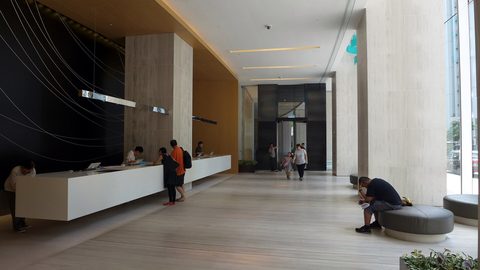 Hong Kong Hotels by Price Band and Property Type
Hong Kong hotel rooms are small, but the difference between a luxury harbour-view tower and a Mong Kok budget room is enormous.
Hong Kong Hotels by Price Band and Property Type
Hong Kong hotel rooms are small, but the difference between a luxury harbour-view tower and a Mong Kok budget room is enormous.
-
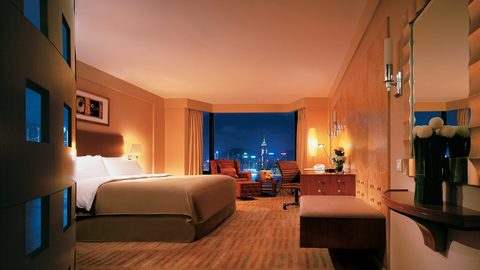 Where to Stay in Hong Kong Island or Kowloon for a First Visit
Hong Kong Island puts you in the financial and dining core, while Kowloon gives you harbour views and street life. The street you pick matters more than the district.
Where to Stay in Hong Kong Island or Kowloon for a First Visit
Hong Kong Island puts you in the financial and dining core, while Kowloon gives you harbour views and street life. The street you pick matters more than the district.
-
 How to Find Cheap Flights to Hong Kong International Airport
Hong Kong has one airport, a lot of airline competition, and a fast train into the city. The routing tricks are in the booking, not the arrival.
How to Find Cheap Flights to Hong Kong International Airport
Hong Kong has one airport, a lot of airline competition, and a fast train into the city. The routing tricks are in the booking, not the arrival.
-
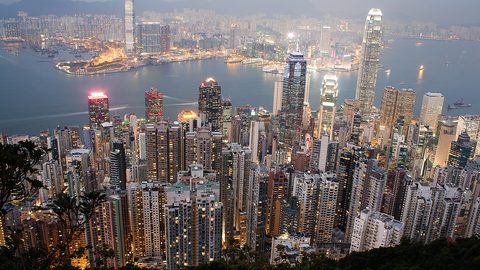 Things to Do in Hong Kong Ranked by What Is Worth Your Time
Victoria Peak, the Star Ferry, and a serious hike earn their fame. Some other Hong Kong sights do not.
Things to Do in Hong Kong Ranked by What Is Worth Your Time
Victoria Peak, the Star Ferry, and a serious hike earn their fame. Some other Hong Kong sights do not.
-
 Best Time to Visit Hong Kong for Clear Skies and Low Humidity
October to December offers the best balance of clear skies and low humidity, but every other season trades weather for lower prices or festivals.
Best Time to Visit Hong Kong for Clear Skies and Low Humidity
October to December offers the best balance of clear skies and low humidity, but every other season trades weather for lower prices or festivals.
-
 Victoria Peak
The view from Victoria Peak is the point; the tram queue is the problem, and there are four other ways up.
Victoria Peak
The view from Victoria Peak is the point; the tram queue is the problem, and there are four other ways up.
-
 Star Ferry
The Star Ferry costs HK$5, takes 10 minutes, and the upper deck heading from Tsim Sha Tsui to Central gives the best skyline view.
Star Ferry
The Star Ferry costs HK$5, takes 10 minutes, and the upper deck heading from Tsim Sha Tsui to Central gives the best skyline view.
-
 Big Buddha and Ngong Ping
The Big Buddha is 268 steps up, the cable car takes 25 minutes, and the village at the top is mostly a shopping mall.
Big Buddha and Ngong Ping
The Big Buddha is 268 steps up, the cable car takes 25 minutes, and the village at the top is mostly a shopping mall.