Riding the Hong Kong Tram From Kennedy Town to Shau Kei Wan
A flat fare, a hundred and twenty years, and the best slow hour in the city. How to ride the Hong Kong tram like a local.

Riding the Hong Kong Tram from Kennedy Town to Shau Kei Wan
You are standing on a narrow pavement on Des Voeux Road Central, three lanes of taxis and buses roaring past, the humidity pressing in from all sides. A green and cream double decker rattles up behind you, bell clanging, and the rear door slides open. Nobody queues. You step on, find a seat upstairs, and the whole city slows to a crawl. This is the Hong Kong tram, and it is the best three dollars you will spend on this island.
Most visitors treat the tram as a curiosity, something to photograph from the pavement before they disappear into the air conditioned MTR. Do not make that mistake. This is not a practical way to get from A to B. It is a deliberate, slow, slightly uncomfortable way to watch Hong Kong Island change block by block, and that is exactly the point. Treat the journey as the destination, not as transport.
The tram is cheap, it is slow, and it has not changed much since 1904. That is its argument. At an average speed of about 10 to 13 km per hour, a taxi can overtake you three times before you cover one block. The MTR can get you from Kennedy Town to Shau Kei Wan in under thirty minutes. The tram takes about 90 minutes to cover the same 13 km of track, stopping at roughly 120 stops along the way. You pay the same flat fare whether you ride one stop or the whole line. The adult fare is set by the tram operator and confirmed in the 2022 fare revision published by the Transport Department. Check the operator's official fare table before you travel, because this is a price with an expiry date. It buys you a front row seat to the most vertical city in the world.
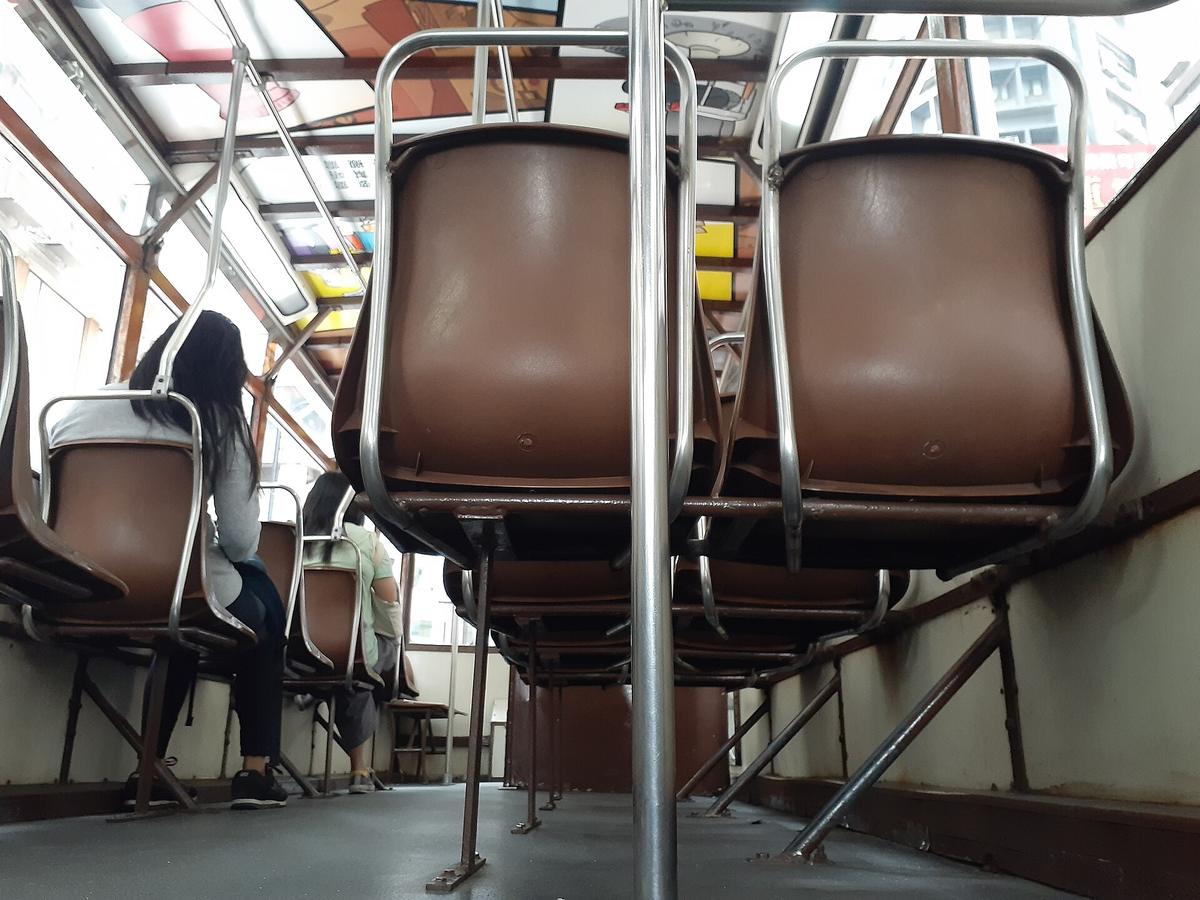
Do not expect comfort. Standard trams have no air conditioning. The upper deck windows slide open, and the breeze that hits you at 13 km per hour is not going to cool you down in August. The seats are hard wooden or plastic benches. The lighting is fluorescent. The noise level inside the tram runs at 70 to 80 dB, which is approximately the volume of a busy restaurant. The ride is bumpy, especially on older track sections, and the staircase to the upper deck is narrow enough that you should not attempt it with a suitcase or a backpack larger than a daypack. You will not care about any of this once you are upstairs.
Ding Ding Tram Hong Kong Fare: How to Pay and Where to Board
The fare system is simple because the tram was designed for a city that did not have time to figure out zones. You board at the rear door, find your seat, and when you are ready to alight, you move to the front door and pay the driver as you step off. That backwards flow is the opposite of every bus in Hong Kong, and it catches first time riders every time. Do not try to pay at the rear. Do not try to board at the front. Rear in, front out.
Payment Methods and Exact Change
Payment is by Octopus card, exact coins, or contactless credit and debit card. The Octopus reader sits next to the driver at the front door, and the fare is deducted automatically when you tap out. If you pay cash, carry exact coins. The electronic farebox accepts coins from the smallest denomination up to a set maximum and rejects everything larger, including some coins and all banknotes. No change is given. If you hand the driver a large note, he will shrug. You will see this happen to someone on your first ride. Do not let it be you.
Concession Fares and Passes
Children and seniors pay a reduced fare, deducted automatically from a registered Octopus card. Check the operator's current concession table before you ride. There is no tourist day pass for the tram, no group ticket, no family discount. The flat fare is already the cheapest ride on the island, and the monthly pass only makes sense if you ride the tram more than 73 times in a calendar month. You will not.
How to Read the Destination Sign
The tram does not have route numbers. You find your destination by reading the sign on the front of the tram, which shows the terminus it is heading toward. Three termini exist: Kennedy Town at the western end, Shau Kei Wan at the eastern end, and Happy Valley on a 1.5 km branch line that forks off from the main line near Causeway Bay. A tram marked for Happy Valley will not take you anywhere near Shau Kei Wan, and a tram marked for Kennedy Town will not take you to the Happy Valley racecourse. Check the sign before you board. If you board the wrong tram, your fare is not refundable. You just have to ride it to the terminus and come back.
Hong Kong Tram Best Route: Kennedy Town to Shau Kei Wan
The best route on the system is the full end to end run from Kennedy Town to Shau Kei Wan, or the reverse. That is not a subjective opinion. It is the only route that shows you the full range of what Hong Kong Island is, from the fading tenement blocks of the west to the neon packed shopping canyons of Causeway Bay to the working class eastern districts where the city stops pretending to be glamorous. A 90 minute ride that costs the flat adult fare and requires nothing from you except sitting still is the single best value sightseeing experience in Hong Kong. It leaves from a terminus you can reach from Central in a ten minute walk.
Start at Kennedy Town
Start at Kennedy Town. The western terminus sits on a reclaimed stretch of waterfront that still feels like a separate village, with small bakeries and cha chaan tengs that serve pineapple buns with butter and Hong Kong style milk tea for prices that would make a Central barista wince. Board here, get the front row seat on the upper deck, and settle in. The first segment from Kennedy Town to Sheung Wan runs along the northern edge of the island, with the tram track set into the roadway and buildings pressing in on both sides. You will pass the Western Market stop, where the heritage style TramOramic tour departs daily at 10:30, 12:00, 13:30, 15:00, 16:30, and 18:00 from the Western Market terminus. The standard tram costs the flat fare for this same route. The TramOramic costs a premium, includes an audio guide in five languages, and uses a restored heritage tram with upholstered seats and air conditioning. Check the operator's current price before you book. Choose whichever version fits your budget and your tolerance for heat.
Sheung Wan to Central
As the tram passes through Sheung Wan, look for the dried seafood shops that hang shark fin and scallop from their awnings, and for the incense that spills out of Man Mo Temple, which sits one block north of the track. The Central stop comes next, and this is where the upper deck view becomes the whole point. From the front row you are looking down at the crowd on the pavement, level with the neon signs that hang over the street, and directly into the second floor windows of the shops and restaurants that line the route. No car gives you that angle. No bus climbs high enough. The tram's upper deck, with its headroom of about 170 cm and its openable windows, puts you exactly where you need to be to see the city as it lives, not as it poses.
Wan Chai and the Wet Markets
After Central, the tram turns east through Admiralty and into Wan Chai, where the architecture shifts from colonial stone and glass towers to the older mixed use buildings that characterise this district. The Wan Chai market area near Johnston Road is a good place to notice the wet markets and dai pai dongs that operate under the tram tracks. You will smell durian if the wind is right. You will hear the clatter of mahjong tiles from open doorways. The tram does not stop for any of this. It just passes through, and your job is to watch.
Hong Kong Tram Upper Deck View: Why You Sit at the Front
The upper deck is the reason this ride exists. The lower deck is enclosed with sliding windows and gives you a view of other passengers' elbows. The upper deck has openable windows and a staircase so narrow that the tram company could not have built it if modern accessibility regulations existed in 1904. Climb that staircase anyway.
Take the front row of the upper deck. This seat gives you a view that is unobstructed by the tram's own structure, with the windscreen of the car directly ahead of you and the track stretching out into the traffic. From this seat, you watch the tram weave between double parked vans, delivery tricycles, and the occasional Mercedes that tries to squeeze past. You see the traffic light sequences that the driver is timing. You see the conductor on the tram ahead signalling with his hand out the window. You see the city from a height that nobody else occupies, because the double decker bus is on a different road and the taxi is at street level. The front row of the upper deck on a Hong Kong tram is a private observation platform, and it costs the flat fare.
Sit on the left side of the upper deck if you want to see the harbour between the buildings. Sit on the right if you want to see the hillside that rises behind the city, where the Mid Levels luxury apartments cling to the slope and the Peak towers above them. Both sides are worth your attention. The tram moves slowly enough that you can switch sides between stops if the tram is not full, and on most off peak journeys it will not be full. The upper deck seats about 45 passengers. The standing capacity downstairs is about 70. If you ride during the weekday rush hours of 07:30 to 09:30 or 17:30 to 19:30, you will be shoulder to shoulder with commuters who are not sightseeing. Ride mid morning or late evening instead, when the tram is quiet and the windows are open.
Kennedy Town to Shau Kei Wan Tram: the Full Route with Landmarks
Ride the full line from Kennedy Town to Shau Kei Wan, and you pass through every version of Hong Kong Island that exists. The tram does not skip the boring parts. It lingers in them. That is the point.
What to Watch For Between Kennedy Town and Central
From Kennedy Town the tram follows the waterfront past the Sai Wan depot, where trams that are 40 to 60 years old are stored overnight. The track curves around to the Sheung Wan market stretch, where the dried seafood shops give way to the antiques and galleries that cluster near the Western Market stop. The Central stop is at the corner of Des Voeux Road Central and Pedder Street, and from the upper deck you can see the escalators that lead up to the Mid Levels, the entrance to the MTR station below, and the crowd that moves at a pace that makes the tram feel stationary. It nearly is. The speed in Central is 10 to 15 km per hour, slower than a brisk walk.
What to Watch For Between Central and Causeway Bay
Through Wan Chai the tram picks up a slight dedicated lane in some sections, but mostly it shares the road with everything else. The Wan Chai stop is near the wet market and the bars that give this district its reputation for old Hong Kong grit. Past Wan Chai, the tram enters Causeway Bay, where the shopping density is so high that the neon signs form a second canopy over the street. The Causeway Bay stop is at the junction with Canal Road, and the Happy Valley branch forks off here if you want to detour to the racecourse. Stay on the main line. The stretch from Causeway Bay to North Point is where the tram runs closest to the harbour, and where the older residential buildings give the city a scale that the skyscrapers of Central do not.
What to Watch For Between North Point and Shau Kei Wan
North Point is where the market stretch along Chun Yeung Street runs directly under the tram tracks. Vendors hang their stock from awnings that brush the side of the tram as it passes. Do not try to photograph this from the lower deck. The upper deck gives you a clear line of sight down into the market stalls. Past North Point, the tram runs through Tai Koo and Sai Wan Ho, where the density drops and the buildings step back from the track. The Shau Kei Wan terminus is a modest shelter at the end of a residential street, with a small fishing port a few minutes walk away and a ferry pier that connects to the outlying islands. When the tram arrives, the driver steps out, the bell rings, and the whole cycle begins again.
The Cheapest and Slowest Way to See Hong Kong Island
There are faster ways to see Hong Kong Island. The MTR is faster, cleaner, and air conditioned. The Star Ferry gives you a harbour crossing for a low flat fare. The Peak Tram goes up a steep gradient and gives you a view from the top. None of these are the tram. The tram is not trying to compete. It is deliberately inefficient, deliberately uncomfortable, and deliberately slow, and that is what makes it essential.
Hong Kong is a city that exhausts visitors. The crowds, the humidity, the relentless concrete, the narrow pavements blocked by scaffolding, the aggressive air conditioning indoors that forces you to carry a layer year round. After a few days of this, the impulse is to retreat to the air conditioned cocoon of the MTR and let the stations pass in a blur of beige tiles and recorded announcements. The tram does not let you do that. It forces you to stay on the surface, in the heat and the noise and the smell, moving at a pace that matches the pedestrian traffic on the pavement. You cannot scroll through your phone on the upper deck without feeling the jolt of every track joint. You have to look up. That is the whole point.
The tram is also a practical tool for the food focused traveller. The route passes within walking distance of some of the best wonton noodle soup shops in the city, the roast goose restaurants on the Wan Chai stretch, and the egg waffle stalls in Causeway Bay. Ride one stop, eat, and ride the next tram that comes along. The frequency off peak is every 5 to 8 minutes, so you will never wait long. The flat fare means you can hop on and off as many times as you want, paying the adult fare each time, and the total cost for a day of this will still be less than a single taxi ride from Central to Causeway Bay.
Read next
-
 Hong Kong eSIM and Data Plans Before You Land
Hong Kong has no internet firewall. A cheap eSIM or tourist SIM from the airport gives you fast data for Google Maps and WhatsApp from the moment you land.
Hong Kong eSIM and Data Plans Before You Land
Hong Kong has no internet firewall. A cheap eSIM or tourist SIM from the airport gives you fast data for Google Maps and WhatsApp from the moment you land.
-
 Hong Kong Hotels by Price Band and Property Type
Hong Kong hotel rooms are small, but the difference between a luxury harbour-view tower and a Mong Kok budget room is enormous.
Hong Kong Hotels by Price Band and Property Type
Hong Kong hotel rooms are small, but the difference between a luxury harbour-view tower and a Mong Kok budget room is enormous.
-
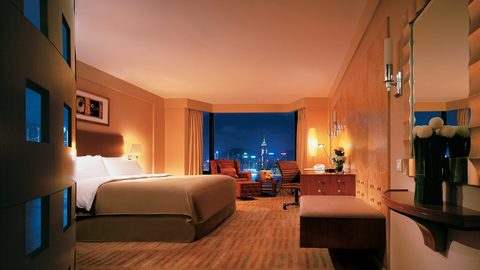 Where to Stay in Hong Kong Island or Kowloon for a First Visit
Hong Kong Island puts you in the financial and dining core, while Kowloon gives you harbour views and street life. The street you pick matters more than the district.
Where to Stay in Hong Kong Island or Kowloon for a First Visit
Hong Kong Island puts you in the financial and dining core, while Kowloon gives you harbour views and street life. The street you pick matters more than the district.
-
 How to Find Cheap Flights to Hong Kong International Airport
Hong Kong has one airport, a lot of airline competition, and a fast train into the city. The routing tricks are in the booking, not the arrival.
How to Find Cheap Flights to Hong Kong International Airport
Hong Kong has one airport, a lot of airline competition, and a fast train into the city. The routing tricks are in the booking, not the arrival.
-
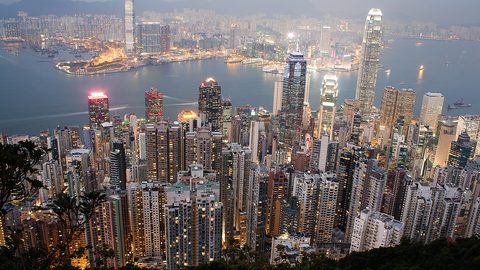 Things to Do in Hong Kong Ranked by What Is Worth Your Time
Victoria Peak, the Star Ferry, and a serious hike earn their fame. Some other Hong Kong sights do not.
Things to Do in Hong Kong Ranked by What Is Worth Your Time
Victoria Peak, the Star Ferry, and a serious hike earn their fame. Some other Hong Kong sights do not.
-
 Best Time to Visit Hong Kong for Clear Skies and Low Humidity
October to December offers the best balance of clear skies and low humidity, but every other season trades weather for lower prices or festivals.
Best Time to Visit Hong Kong for Clear Skies and Low Humidity
October to December offers the best balance of clear skies and low humidity, but every other season trades weather for lower prices or festivals.
-
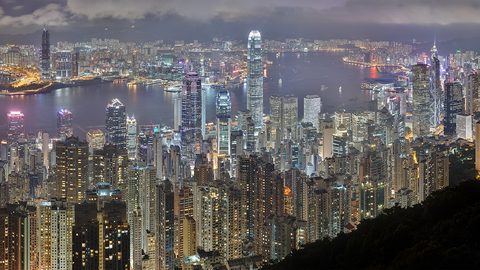 Victoria Peak
The view from Victoria Peak is the point; the tram queue is the problem, and there are four other ways up.
Victoria Peak
The view from Victoria Peak is the point; the tram queue is the problem, and there are four other ways up.
-
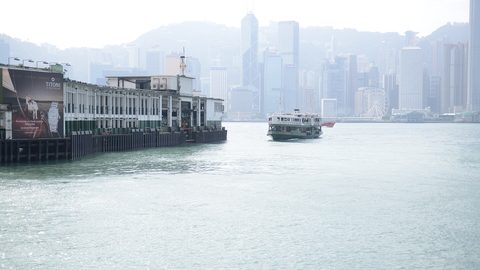 Star Ferry
The Star Ferry costs HK$5, takes 10 minutes, and the upper deck heading from Tsim Sha Tsui to Central gives the best skyline view.
Star Ferry
The Star Ferry costs HK$5, takes 10 minutes, and the upper deck heading from Tsim Sha Tsui to Central gives the best skyline view.
-
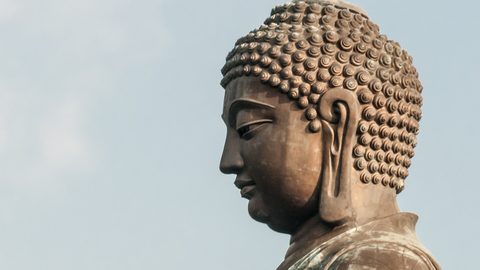 Big Buddha and Ngong Ping
The Big Buddha is 268 steps up, the cable car takes 25 minutes, and the village at the top is mostly a shopping mall.
Big Buddha and Ngong Ping
The Big Buddha is 268 steps up, the cable car takes 25 minutes, and the village at the top is mostly a shopping mall.