When the Beach Season Runs, What the Flags Mean, and Where to Go
Which Hong Kong beaches justify the trip, when the season runs, what the flags and shark nets mean, and how to get there.

When the Beach Season Runs, What the Flags Mean, and Where to Go
Hong Kong is dense, vertical, and efficient, but it is not a gentle introduction to Asia. Visitors find it more exhausting than expected, crowds, humidity, relentless concrete, while also being surprised by how much wild green space and village life exists 30 minutes from the business district. That tension is what makes the beaches worth visiting. They are not your typical Southeast Asian palm coast. They are escapes that demand something from you, a bus ride, a ferry crossing, a hike, and reward you with a version of Hong Kong most travellers miss entirely. The swimming season runs from 1 April to 31 October, when lifeguards are on duty at managed beaches. Outside those dates, the shark nets come out and you swim at your own risk. The flag system is simple: blue means swim, red means do not. Ignoring the red flag is not brave, it is how people get pulled out by the lifeguards or worse. This guide ranks the beaches that justify a journey from the city centre, explains how to read the safety system, and tells you when to go and when to skip.
Repulse Bay for Facilities and Families
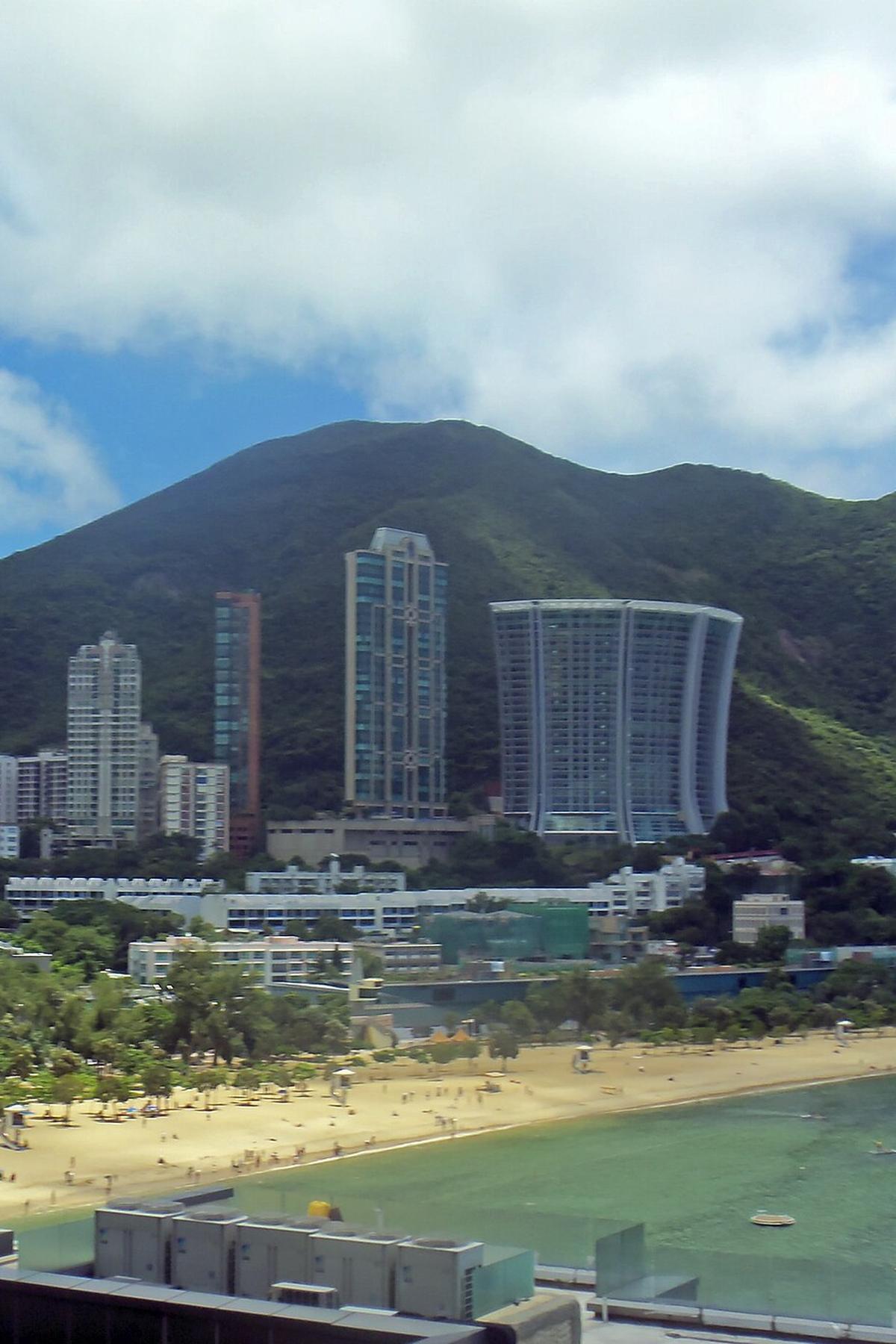
Repulse Bay is the most accessible and popular beach on Hong Kong Island. From the city centre you catch bus 6, 6A, 6X, 66, or 260 from Exchange Square and arrive in 25 to 35 minutes. The beach runs roughly 290 metres, sand is clean, and the backdrop is high end residential towers. This is the beach for people who want everything provided: changing rooms, showers, toilets, refuse bins, barbecue pits, a lifeguard tower every few metres.
Water And Safety
Water condition is graded by the Environmental Protection Department weekly during the bathing season, and Repulse Bay consistently scores grade 1, good. The shark nets are installed through the season and no fatal attack has occurred in Hong Kong since 1995, a fact that matters to swimmers who find the netted enclosures reassuring.
When To Arrive
On hot Sundays it is crowded. Do not expect solitude. What you get instead is efficiency: you can swim, shower, eat at a nearby restaurant, and be back in the city before the afternoon heat peaks. If you have children, this is the only beach worth considering. If you want quiet, skip it and go further.
Shek O Beach Hong Kong
Shek O Beach sits on the southern coast of Hong Kong Island and requires a 45 to 60 minute journey from the city centre. You take the MTR to Shau Kei Wan station, then catch bus 9. The ride is the attraction: the road winds along the coast, and you feel the city drop away. Shek O is a wide sandy beach roughly 200 metres long, popular with families and groups. What distinguishes it from Repulse Bay is the village atmosphere. Shek O village has a few casual restaurants, a convenience store, and a pace that feels deliberately slow.
Facilities And Crowds
The beach has lifeguards, shark nets, changing rooms, showers, toilets, and barbecue pits. It also gets crowded on hot Sundays, but the crowd here is different, more local, more relaxed. The water condition is good, graded weekly by the EPD. If you want a beach that feels like a day out rather than a commute to a hotel pool, Shek O is the choice. The trade off is travel time. It is worth it for the bus ride alone.
Big Wave Bay for Surf
Big Wave Bay is adjacent to Shek O, smaller at roughly 150 metres, and serves a specific purpose: surfing. The surf break is a beach break, typical wave height runs 0.5 to 1.5 metres, and during typhoon swells in summer it can reach 3 metres. The surf season runs September to March, but summer swells from distant typhoons also produce rideable waves. Getting there requires bus 9 from Shau Kei Wan to Shek O, then a 15 minute walk.
Who Should Go
The beach has lifeguards during the season, shark nets, changing rooms, showers, toilets, and barbecue pits. It is not a beginner surf spot. The waves are inconsistent, and the crowd of local surfers knows the break well. If you surf, bring your own board; rental options are limited. If you do not surf, Big Wave Bay is still worth a visit for the atmosphere, but the swimming area is small. A better option for non surfers is Shek O, just a short walk away.
Tai Long Wan Beach Access
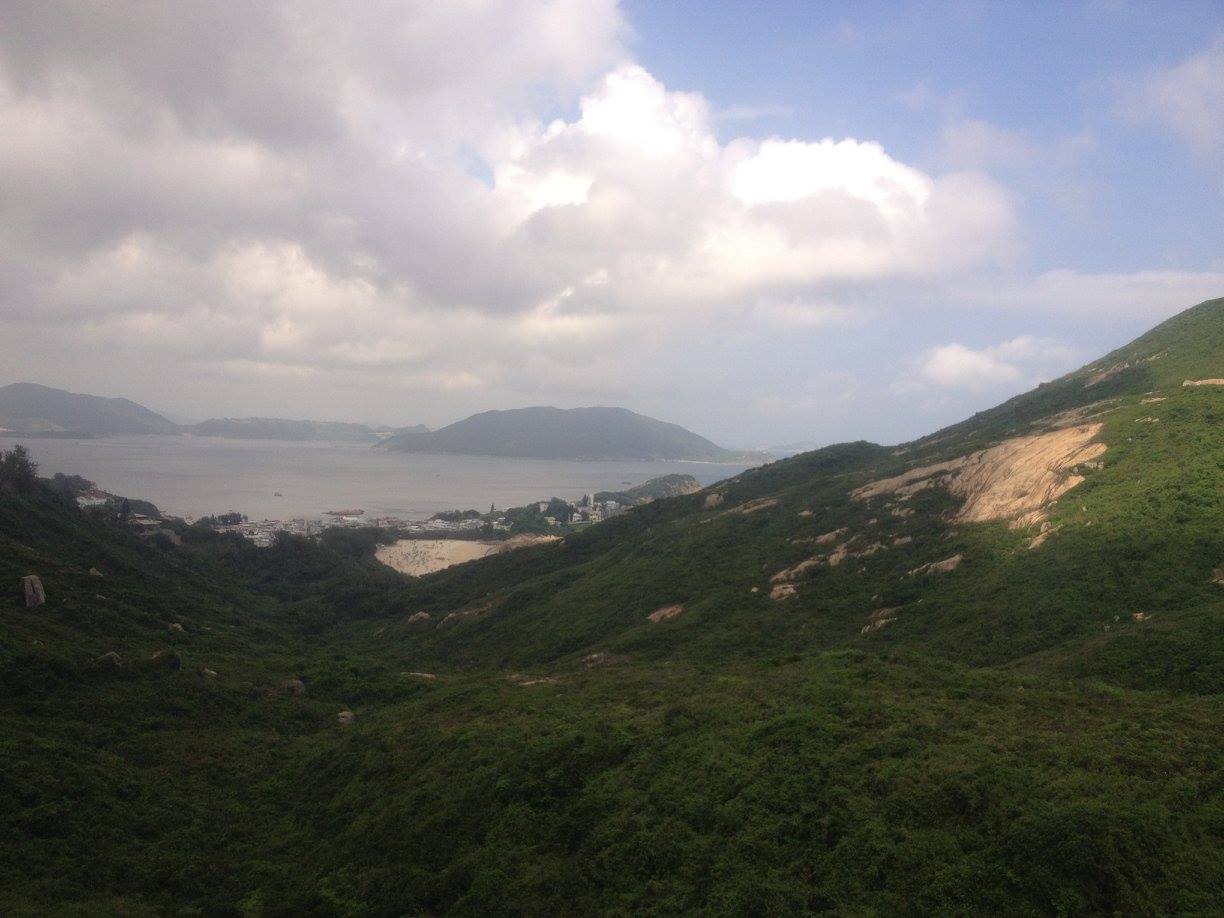
Tai Long Wan is the reward for effort. Located in Sai Kung East Country Park, it is a remote coastline of four beaches: Tai Wan, Ham Tin Wan, Sai Wan, and Tung Wan. None are managed beaches. There are no lifeguards at most of them, no shark nets, no changing rooms, no showers. The water condition is not graded by the EPD because it is not a managed beach. You are on your own.
The Route
Access requires commitment. From the city centre, take the MTR to Choi Hung, then bus 92 to Sai Kung, then bus 94 to Pak Tam Au, then hike 60 to 90 minutes. Alternatively, take a speedboat from Sai Kung Pier, roughly 30 minutes. Total travel time is 2 to 3 hours including the hike. The effort is rewarded with clear water, uncrowded sand, and a sense of escape that no managed beach on Hong Kong Island can offer.
What To Bring
Camping is possible. Bring everything you need, food, water, sun protection, and take your rubbish out with you. This beach is for hikers and people who want to earn their swim. If you are short on time or energy, skip it. It is not a casual day trip.
Cheung Sha on Lantau for Space
Cheung Sha Beach on south Lantau Island is the longest beach in Hong Kong at approximately 3 kilometres. It is divided into two managed sections, Upper Cheung Sha and Lower Cheung Sha, both with lifeguards during the season, shark nets, changing rooms, showers, toilets, and barbecue pits. Getting there takes 60 to 90 minutes from the city centre: ferry from Central Pier 6 to Mui Wo, then bus 1, 2, or 4.
Why It Works
The length of the beach means it never feels crowded, even on hot Sundays when Repulse Bay and Shek O are packed. The water condition is graded weekly by the EPD and scores grade 1 or 2. The character is relaxed and undeveloped. There is a small restaurant at the beach, but nothing like the commercial strip at Repulse Bay. This is the beach for travellers who want space to walk, room to spread out, and a genuine sense of being away from the city. The downside is the travel time. If you only have half a day, Cheung Sha may not fit. But if you have a full day on Lantau, combine it with a visit to the Big Buddha or Tai O fishing village.
How the Flag and Shark Net System Works
Every managed beach in Hong Kong operated by the Leisure and Cultural Services Department uses a two flag system. A blue flag means swimming is permitted. A red flag means swimming is prohibited. The red flag is flown when water condition is poor, when dangerous marine life is spotted, or when conditions are unsafe. Ignoring it can result in a fine or, more seriously, a rescue. The LCSD publishes beach closure announcements when a Tropical Cyclone Warning Signal No. 3 or above is hoisted, or when a Red or Black Rainstorm Warning is issued. After a typhoon, beaches reopen only after water testing and safety inspection by the LCSD and EPD.
Shark Nets And Safety
Shark nets are installed at all managed beaches during the lifeguard season. No fatal shark attack has occurred in Hong Kong since 1995. The nets are not a guarantee, but they reduce risk significantly. Outside the lifeguard season, from 1 November to 31 March, the nets are removed and no lifeguards are on duty. Swimming outside this period is at your own risk, and the LCSD does not recommend it. Sea temperatures in January and February run 17 to 19 degrees Celsius, cold enough to deter most swimmers anyway. By April, temperatures rise to 22 to 24 degrees, and by summer they reach 28 to 30 degrees.
Water Condition Grades
The Environmental Protection Department grades beach water condition from 1, good, to 4, very poor. Grades are published weekly during the bathing season on the EPD Beach Water Condition website. Grade 3 or 4 should be taken seriously. Repulse Bay, Shek O, Big Wave Bay, Cheung Sha, and Clear Water Bay score well. Remote beaches like Tai Long Wan are not graded, so you swim without official data.
.jpg)
Hong Kong Beach Shark Nets
Shark nets are a standard feature at all 41 managed beaches in Hong Kong during the lifeguard season. They are not the full enclosure nets used in Australia. They are mesh barriers designed to reduce the chance of a shark entering the swimming area, not to eliminate it entirely. The LCSD maintains them and checks them regularly. The risk is low. The last fatal shark attack in Hong Kong was in 1995. For most swimmers, the psychological reassurance of the net matters more than the actual statistical threat. If you swim at a remote beach like Tai Long Wan, there are no nets. The choice is between managed safety and wild swimming. Neither is wrong, but you should know the difference before you get in the water.
Less Crowded Alternatives on Hot Sundays
Repulse Bay, Shek O, Stanley Main, and Tung Wan on Cheung Chau fill up fast on summer weekends. If you want to avoid the crowds, three options stand out. Cheung Sha on Lantau is long enough to absorb everyone. Clear Water Bay First and Second Beaches on the Clear Water Bay Peninsula are scenic and have barbecue pits, but require bus 91 from Diamond Hill MTR, taking 60 to 75 minutes from the city centre. Hung Shing Yeh Beach on Lamma Island is a 45 to 60 minute journey via ferry to Yung Shue Wan and a 20 minute walk. It has barbecue pits and a relaxed atmosphere, but is busy on weekends too, just less so than Repulse Bay. The real quiet is at Tai Long Wan, but you have to earn it with a hike.
What to Know Before You Go
Hong Kong beaches suit urban explorers who value public transport and are willing to trade time for space. They do not suit travellers who want a relaxed, slow paced Southeast Asian beach town. The beaches here are excursions, not destinations. You plan them into a day, you pack your own food and water for remote ones, and you check the EPD water condition report before heading out. The peak season for beach weather is October to early December, when humidity drops and temperatures sit around 20 to 28 degrees Celsius. August is the hottest and most humid month, with typhoon risk. Avoid the first week of October for Golden Week when mainland visitor numbers spike, and Chinese New Year when many restaurants close. Bring cash for small purchases, carry a layer for aggressive air conditioning on the bus and ferry, and know that station exits matter enormously in the city centre. A wrong exit can put you 10 minutes and several footbridges from where you need to be. The beaches are worth the effort, but only if you know what you are getting into.
Read next
-
 Hong Kong eSIM and Data Plans Before You Land
Hong Kong has no internet firewall. A cheap eSIM or tourist SIM from the airport gives you fast data for Google Maps and WhatsApp from the moment you land.
Hong Kong eSIM and Data Plans Before You Land
Hong Kong has no internet firewall. A cheap eSIM or tourist SIM from the airport gives you fast data for Google Maps and WhatsApp from the moment you land.
-
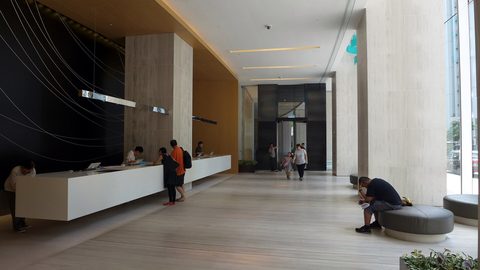 Hong Kong Hotels by Price Band and Property Type
Hong Kong hotel rooms are small, but the difference between a luxury harbour-view tower and a Mong Kok budget room is enormous.
Hong Kong Hotels by Price Band and Property Type
Hong Kong hotel rooms are small, but the difference between a luxury harbour-view tower and a Mong Kok budget room is enormous.
-
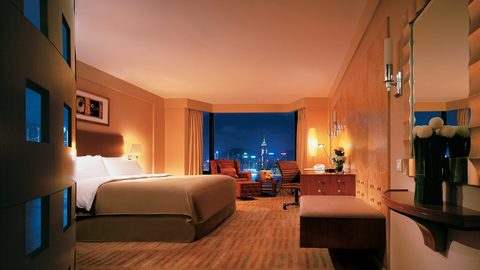 Where to Stay in Hong Kong Island or Kowloon for a First Visit
Hong Kong Island puts you in the financial and dining core, while Kowloon gives you harbour views and street life. The street you pick matters more than the district.
Where to Stay in Hong Kong Island or Kowloon for a First Visit
Hong Kong Island puts you in the financial and dining core, while Kowloon gives you harbour views and street life. The street you pick matters more than the district.
-
 How to Find Cheap Flights to Hong Kong International Airport
Hong Kong has one airport, a lot of airline competition, and a fast train into the city. The routing tricks are in the booking, not the arrival.
How to Find Cheap Flights to Hong Kong International Airport
Hong Kong has one airport, a lot of airline competition, and a fast train into the city. The routing tricks are in the booking, not the arrival.
-
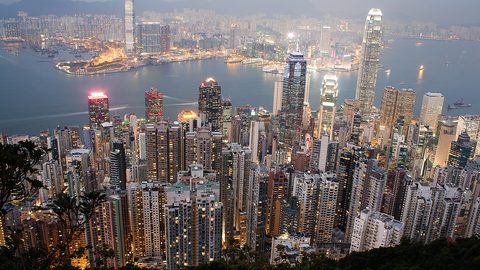 Things to Do in Hong Kong Ranked by What Is Worth Your Time
Victoria Peak, the Star Ferry, and a serious hike earn their fame. Some other Hong Kong sights do not.
Things to Do in Hong Kong Ranked by What Is Worth Your Time
Victoria Peak, the Star Ferry, and a serious hike earn their fame. Some other Hong Kong sights do not.
-
 Best Time to Visit Hong Kong for Clear Skies and Low Humidity
October to December offers the best balance of clear skies and low humidity, but every other season trades weather for lower prices or festivals.
Best Time to Visit Hong Kong for Clear Skies and Low Humidity
October to December offers the best balance of clear skies and low humidity, but every other season trades weather for lower prices or festivals.
-
 Victoria Peak
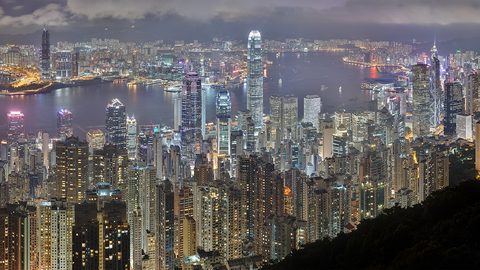
The view from Victoria Peak is the point; the tram queue is the problem, and there are four other ways up.
Victoria Peak
The view from Victoria Peak is the point; the tram queue is the problem, and there are four other ways up.
-
 Star Ferry
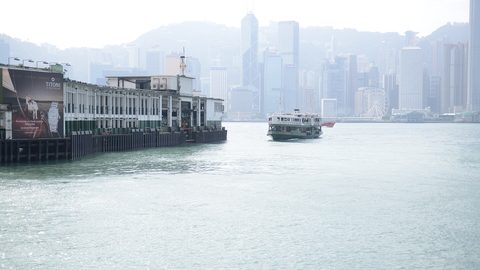
The Star Ferry costs HK$5, takes 10 minutes, and the upper deck heading from Tsim Sha Tsui to Central gives the best skyline view.
Star Ferry
The Star Ferry costs HK$5, takes 10 minutes, and the upper deck heading from Tsim Sha Tsui to Central gives the best skyline view.
-
 Big Buddha and Ngong Ping
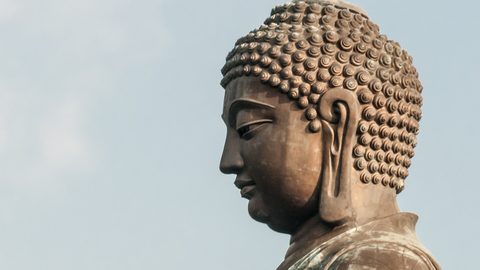
The Big Buddha is 268 steps up, the cable car takes 25 minutes, and the village at the top is mostly a shopping mall.
Big Buddha and Ngong Ping
The Big Buddha is 268 steps up, the cable car takes 25 minutes, and the village at the top is mostly a shopping mall.