Cable Car, Big Buddha, Tai O and a Beach Without Backtracking
The Lantau Island day trip in the right order: cable car, Big Buddha, Tai O stilt village, and a beach without backtracking.

Start at Tung Chung Before the Cable Car Queue Forms
Most visitors to Lantau Island make the same mistake: they take the cable car up, see the Big Buddha, then ride the cable car back down, eat lunch at a shopping mall in Tung Chung, and call it a day. They never see Tai O, never touch the sand at Cheung Sha Beach, and they spend the afternoon staring at the same hills they already passed in the morning. That itinerary wastes a ferry ride and a bus network that can carry you across the island without ever doubling back. A proper lantau island day trip itinerary uses the cable car exactly once, then moves east to west across the island, and finishes at a ferry pier instead of a cable car station.
Ngong Ping 360 to Big Buddha Route: Ride Early, Ride Once
Arrive at Tung Chung MTR Station by 09:00. The Ngong Ping 360 cable car lower terminus is right outside the station. The cable car opens at 10:00 daily, and the queue at that hour is short. By 10:30 it is long. By 11:00 it stretches past the ticket office and into the covered walkway. You do not want to be in that queue at 11:00 when you could be standing on the Buddha's platform with the crowd two hundred metres below you.
Buy a standard cabin ticket. The crystal cabin costs HKD 215 one-way, which is HKD 55 more than the standard cabin at HKD 160, and the glass floor adds nothing to the ride. The view is the same: a 25-minute, 5.7 km glide over the North Lantau Country Park, Tung Chung Bay, and the airport runways. The standard cabin gives you the same panorama without the gimmick.
Walk Straight Through Ngong Ping
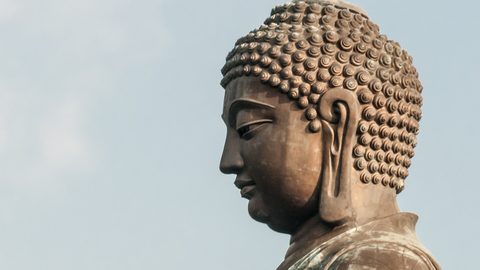
Disembark at Ngong Ping Village, which is a tourist village of shops and a fake thatched roof. Walk straight through it. The Tian Tan Buddha is a five-minute walk from the cable car exit. The 268 steps up to the platform are not punishing. Take them slowly. The Buddha is 34 metres tall and weighs 250 tonnes. It was completed in 1993. The view from its base looks south across the South China Sea and north toward the airport. The Po Lin Monastery, founded in 1906, sits beside the Buddha platform. Walk through its courtyard and the main hall. It takes fifteen minutes.
Skip the vegetarian restaurant inside the monastery. It is crowded, the food is bland, and you have better options in Tai O.
Big Buddha Lantau to Tai O: Bus 21 is the Connector
From the Big Buddha platform, walk back past the Po Lin Monastery gate toward the Ngong Ping Village bus stop. That stop serves New Lantao Bus 21, which runs from Ngong Ping to Tai O. The journey takes 20 minutes. The bus is small and the road is narrow, winding through the hills of south Lantau. Sit on the right side for the view of the coastline.
Use the Wait for Wisdom Path
The bus does not run often. Check the printed schedule at the stop before you board. If you miss one, the wait is usually 30 to 45 minutes. That is fine. You have already seen the Buddha. Use the wait to walk to Wisdom Path, a 15-minute walk from the Big Buddha. The 38 wooden pillars are arranged in a figure-of-eight layout. The Heart Sutra is inscribed on them in the calligraphy of Professor Jao Tsung-I. It is quiet, shaded, and nobody goes there.
Do not take bus 23 back to Tung Chung and then bus 11 to Tai O. That route adds 50 minutes of backtracking. Bus 21 is the direct line from the Buddha to the stilt houses, and it is the reason this itinerary works.
Tai O Stilt Village Bus from Tung Chung: Why the Village Works Later
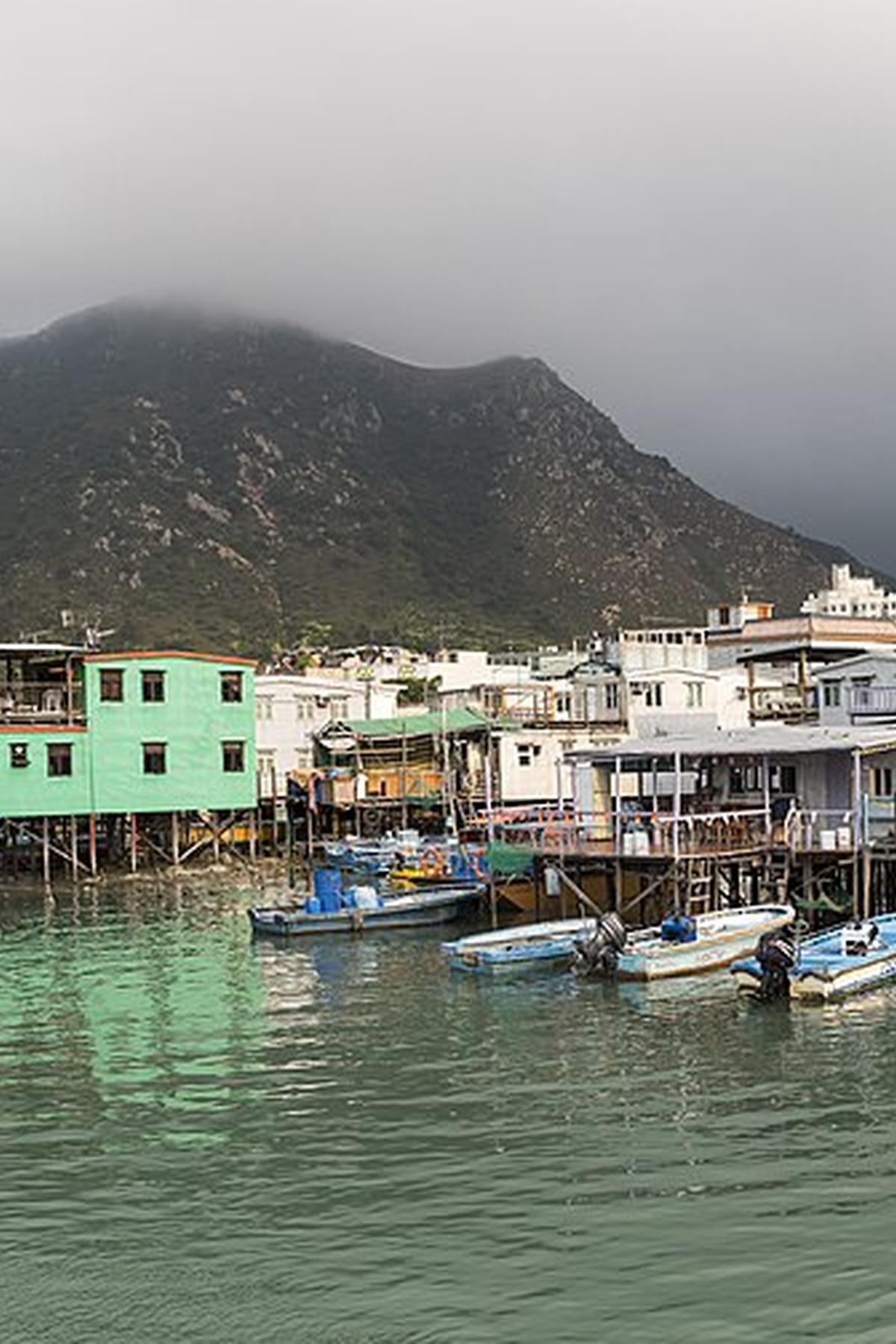
Tai O is a fishing village of about 2,000 people. The stilt houses are built on wooden piles over a tidal creek. The main street sells dried seafood: shrimp paste, salted fish, dried scallops, and dried shrimp roe. The smell is strong and specific. That is the smell of a place that still works, not a place that has been curated for tourists.
Arrive After the Tour Buses Leave
Arrive in Tai O around 12:30. The village sees its heaviest tour bus traffic between 10:00 and 11:30, when groups come directly from Tung Chung on bus 11. By 12:30 those groups are eating lunch or leaving. The narrow alleyways are walkable. The stilt houses are visible from the footbridge over the creek. Do the boat trip. It costs HKD 30 to 40 and lasts 20 to 30 minutes. The boats go out of the creek into the Pearl River Estuary. You might see Chinese white dolphins, locally called pink dolphins. The population estimate in the estuary is roughly 40 to 60 individuals, so the sighting is not guaranteed. The boat ride itself is worth it for the view of the stilt houses from the water.
Eat lunch at a dai pai dong on the waterfront. Order the shrimp paste fried rice or the steamed fish. The portion is large, the price is low, and the view is a working harbour with no souvenir shop in frame.
Tai O after the Buddha works because the village is low energy. The Buddha requires steps, direct sun, and attention. Tai O requires nothing. You sit, you eat, you watch the creek. That is the sequence that makes sense.
Cheung Sha Beach Lantau: the Optional Finish That Changes the Day
From Tai O, take New Lantao Bus 1 toward Mui Wo. The bus runs along the south coast of Lantau. Get off at Cheung Sha Beach. The journey from Tai O is about 25 minutes.
Swim or Skip It
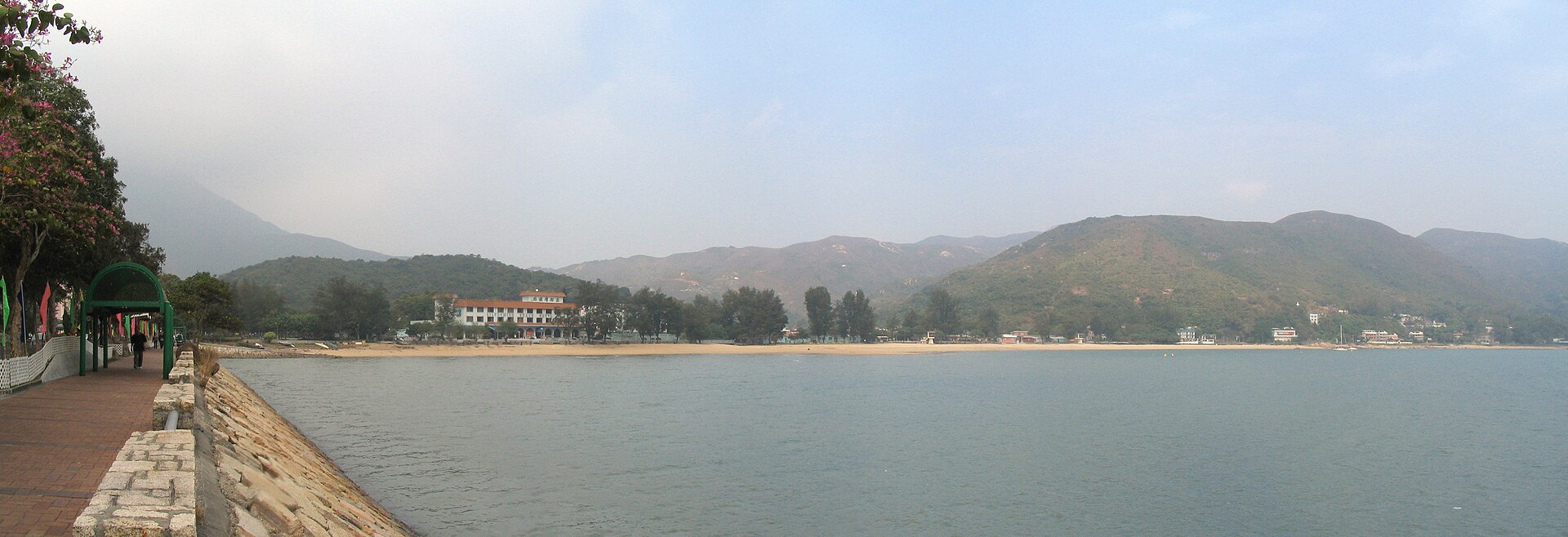
Cheung Sha Beach is the longest beach in Hong Kong. It stretches 3 kilometres of pale sand divided into Upper Cheung Sha and Lower Cheung Sha. The water is clean. The waves are small. The crowd is thin on weekdays and manageable on weekends, especially compared to the packed beaches on Hong Kong Island.
This is the place to stop if you want to swim. There are no lifeguards outside the summer months. There are no showers you can rely on. There is a small shop selling drinks and noodles near the bus stop. Bring your own towel and water.
If you do not want to swim, skip Cheung Sha. Take bus 1 all the way to Mui Wo instead. Mui Wo is a ferry port with a few waterfront restaurants and a quiet village atmosphere. The ferry from Mui Wo to Central is run by Sun Ferry. The fast ferry takes 35 to 40 minutes and costs HKD 29.90 on weekdays, HKD 43.50 on Sundays and public holidays. The ordinary ferry takes 50 to 55 minutes and costs HKD 16.60 on weekdays, HKD 24.60 on Sunday. Ferries run every 30 to 60 minutes depending on the time of day. The last ferry from Mui Wo to Central departs around 23:30.
Finish at Pier 6
Arriving in Central by ferry puts you on the waterfront at Pier 6, five minutes from the MTR. That is the cleanest end to a Lantau day: a harbour crossing at dusk, the skyline rising as you approach Hong Kong Island, and no backtrack to Tung Chung.
Bus Frequencies and the Blue Taxi Rule
New Lantao Bus routes 21, 11, and 1 do not run as often as the MTR. On bus 21 between Ngong Ping and Tai O, the gap between departures can reach 45 minutes. On bus 1 between Tai O and Mui Wo, the gap is shorter but still irregular. Check the printed timetable at each bus stop. Do not rely on Google Maps for departure times on Lantau. Citymapper and HKeMobility are more reliable, but the printed schedule at the stop is the only source you can trust.
Blue taxis are the only taxis permitted on south Lantau roads, including Ngong Ping, Cheung Sha, and Mui Wo. They are rare. If you see one, take it. If you do not, wait for the bus. The bus is cheaper and the route is scenic.

Why This Sequence Saves You an Hour
The standard mistake is to ride the cable car up, visit the Buddha, ride the cable car down, then take bus 11 from Tung Chung to Tai O, then bus 11 back to Tung Chung, then take the MTR back to Hong Kong Island. That route takes you through Tung Chung three times. Each pass adds 10 minutes of walking through the transit interchange and 10 minutes waiting for the next bus. That is an hour of wasted time across the day. It also means you ride the cable car twice, which costs you a second fare, and you never see the south coast of Lantau.
The correct sequence uses the cable car once, bus 21 from Ngong Ping to Tai O, bus 1 from Tai O to Mui Wo, and the ferry from Mui Wo to Central. You cross the island in one direction. You see the Buddha, the stilt village, and the beach in that order. You finish on a ferry deck with the city ahead. That is a day worth taking.
When the Day Does Not Work
This itinerary suits travellers who move deliberately, who can stand at a bus stop for 30 minutes without checking their phone, and who want to see the full range of Lantau from its Buddhist monument to its fishing harbour to its open beach. It does not suit travellers on a tight budget who need every meal under HKD 50, because the ferry alone costs HKD 30 each way. It does not suit anyone seeking a relaxed, slow paced beach town, because Cheung Sha has no bars, no restaurants, and no nightlife. It does not suit people who dislike crowds or narrow streets, because Tai O at lunchtime is busy and the alleyways are tight and uneven.
Lantau is the green side of Hong Kong. The dense, vertical, exhausting city is thirty minutes across the water. That is the point of going. You step off the ferry at Mui Wo and the air smells different. The humidity is the same, the concrete is not. If you want one day that does not feel like the rest of your trip, this is the day.
Read next
-
 Hong Kong eSIM and Data Plans Before You Land
Hong Kong has no internet firewall. A cheap eSIM or tourist SIM from the airport gives you fast data for Google Maps and WhatsApp from the moment you land.
Hong Kong eSIM and Data Plans Before You Land
Hong Kong has no internet firewall. A cheap eSIM or tourist SIM from the airport gives you fast data for Google Maps and WhatsApp from the moment you land.
-
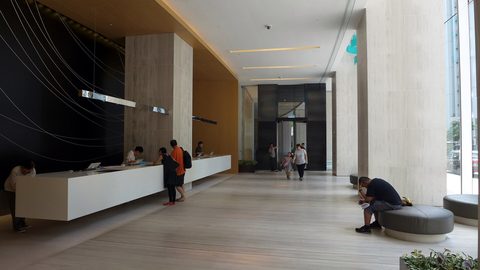 Hong Kong Hotels by Price Band and Property Type
Hong Kong hotel rooms are small, but the difference between a luxury harbour-view tower and a Mong Kok budget room is enormous.
Hong Kong Hotels by Price Band and Property Type
Hong Kong hotel rooms are small, but the difference between a luxury harbour-view tower and a Mong Kok budget room is enormous.
-
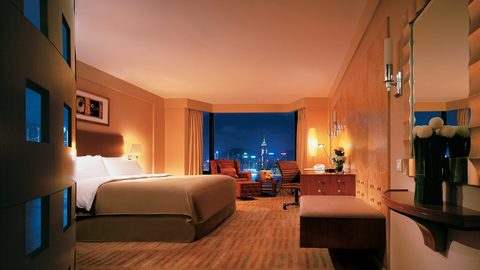 Where to Stay in Hong Kong Island or Kowloon for a First Visit
Hong Kong Island puts you in the financial and dining core, while Kowloon gives you harbour views and street life. The street you pick matters more than the district.
Where to Stay in Hong Kong Island or Kowloon for a First Visit
Hong Kong Island puts you in the financial and dining core, while Kowloon gives you harbour views and street life. The street you pick matters more than the district.
-
 How to Find Cheap Flights to Hong Kong International Airport
Hong Kong has one airport, a lot of airline competition, and a fast train into the city. The routing tricks are in the booking, not the arrival.
How to Find Cheap Flights to Hong Kong International Airport
Hong Kong has one airport, a lot of airline competition, and a fast train into the city. The routing tricks are in the booking, not the arrival.
-
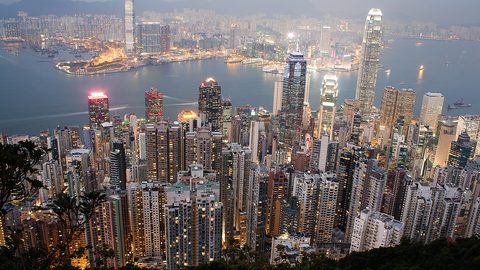 Things to Do in Hong Kong Ranked by What Is Worth Your Time
Victoria Peak, the Star Ferry, and a serious hike earn their fame. Some other Hong Kong sights do not.
Things to Do in Hong Kong Ranked by What Is Worth Your Time
Victoria Peak, the Star Ferry, and a serious hike earn their fame. Some other Hong Kong sights do not.
-
 Best Time to Visit Hong Kong for Clear Skies and Low Humidity
October to December offers the best balance of clear skies and low humidity, but every other season trades weather for lower prices or festivals.
Best Time to Visit Hong Kong for Clear Skies and Low Humidity
October to December offers the best balance of clear skies and low humidity, but every other season trades weather for lower prices or festivals.
-
 Victoria Peak
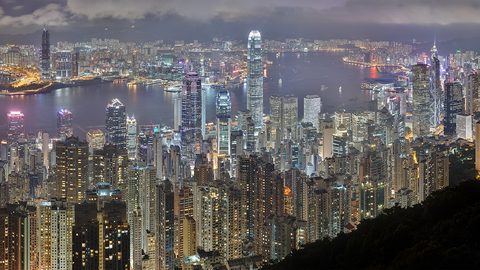
The view from Victoria Peak is the point; the tram queue is the problem, and there are four other ways up.
Victoria Peak
The view from Victoria Peak is the point; the tram queue is the problem, and there are four other ways up.
-
 Star Ferry
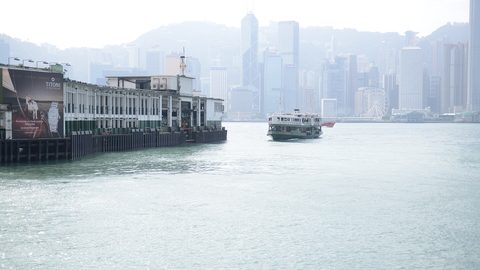
The Star Ferry costs HK$5, takes 10 minutes, and the upper deck heading from Tsim Sha Tsui to Central gives the best skyline view.
Star Ferry
The Star Ferry costs HK$5, takes 10 minutes, and the upper deck heading from Tsim Sha Tsui to Central gives the best skyline view.
-
 Big Buddha and Ngong Ping
The Big Buddha is 268 steps up, the cable car takes 25 minutes, and the village at the top is mostly a shopping mall.
Big Buddha and Ngong Ping
The Big Buddha is 268 steps up, the cable car takes 25 minutes, and the village at the top is mostly a shopping mall.