A Day Out in Chichibu: Moss Phlox Hills and a December Fire Festival
Chichibu delivers pink moss phlox carpets in spring and a fiery December night festival, but its real draw is the slow Saitama countryside between events.
.jpg)
The Problem with Most Chichibu Coverage
The standard story about Chichibu is the Night Festival on 2-3 December. That is three days of the year. The rest of the calendar gets ignored, which means most travellers skip a place that works better as a slow, quiet escape than a checklist stop. Here is exactly what is there in spring, summer, and the months between, and whether it is worth the train ride from Tokyo outside those two famous dates.
Chichibu rewards visitors who want a low-key valley pace rather than another big-sight day. It does not reward travellers who want compact walkable old towns or cheap backpacker street food. If you fall into the second group, read the Tokyo districts guide instead and pick Shimokitazawa or Kagurazaka for a half-day out. If you fall into the first group, read on.
Getting There: the Seibu Line from Ikebukuro
Buying the Right Ticket
Depart from Ikebukuro on the Seibu Railway. Do not use JR lines. The Seibu Limited Express "Laview" or "Chichibu" takes 80 to 100 minutes one way to Seibu-Chichibu. The one-way fare with an unreserved limited express seat is ¥780 base fare plus a ¥710 surcharge, totalling ¥1,490. A reserved seat costs ¥780 plus ¥1,010, totalling ¥1,790. The Seibu Railway website publishes the exact fare in force when you travel.
The SEIBU 1Day Pass (Nagatoro & Chichibu) costs around ¥2,400; Seibu publishes the current price and the dates it runs. It covers unlimited base-fare rides on Seibu lines between Ikebukuro and the Chichibu and Nagatoro area for one calendar day, but it does not cover the limited express surcharge. You still pay the ¥710 or ¥1,010 extra each way for the express. The pass breaks even if you take at least one local journey beyond the round trip. For most day trips, buying a round-trip base ticket plus two single surcharges costs more than the pass if you also take a local bus or train once you arrive.
Timing the Trains
First useful departure on weekdays is Laview No. 3 at 07:30 from Ikebukuro, arriving Seibu-Chichibu at 08:52. On weekends and holidays, Laview No. 51 departs at the same time and arrives at the same time. Last useful return is Laview No. 46 from Seibu-Chichibu at 20:25, arriving Ikebukuro at 21:55. Miss that train and the next one is a local service that takes roughly two hours. Do not miss it.
Shibazakura at Hitsujiyama Park: the Spring Reason to Go
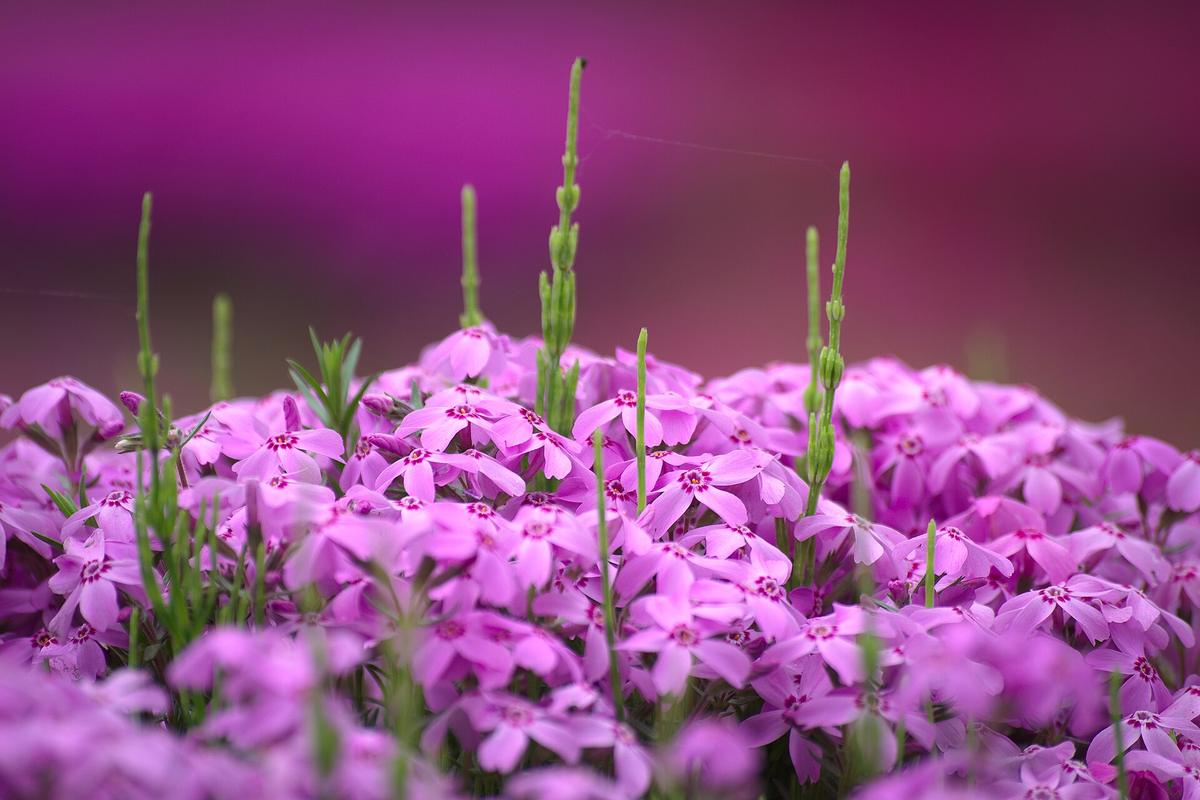
The shibazakura bloom at Hitsujiyama Park is the reason Chichibu justifies a full day from Tokyo outside winter. Moss phlox covers a hillside in pink, white, and purple from mid-April to early May, with peak bloom in late April. The 2025 entry fee was ¥300. The park is a 15-minute walk from Seibu-Chichibu. No bus needed.
This is not a massive garden. You can cover the ground in 45 minutes. The photo trick is the view looking uphill with the phlox colours layered and the sky above. The real value is combining it with a slow lunch of miso pork don, the local speciality, at one of the restaurants near the railway hub. Miso-marinated grilled pork over rice costs ¥800 to ¥1,200. Order that, eat it, then walk back.
Outside the shibazakura window, Hitsujiyama Park is a grassy hill with some seasonal flowers. Not worth the detour alone.
The Night Festival in December: What You Actually Need to Book
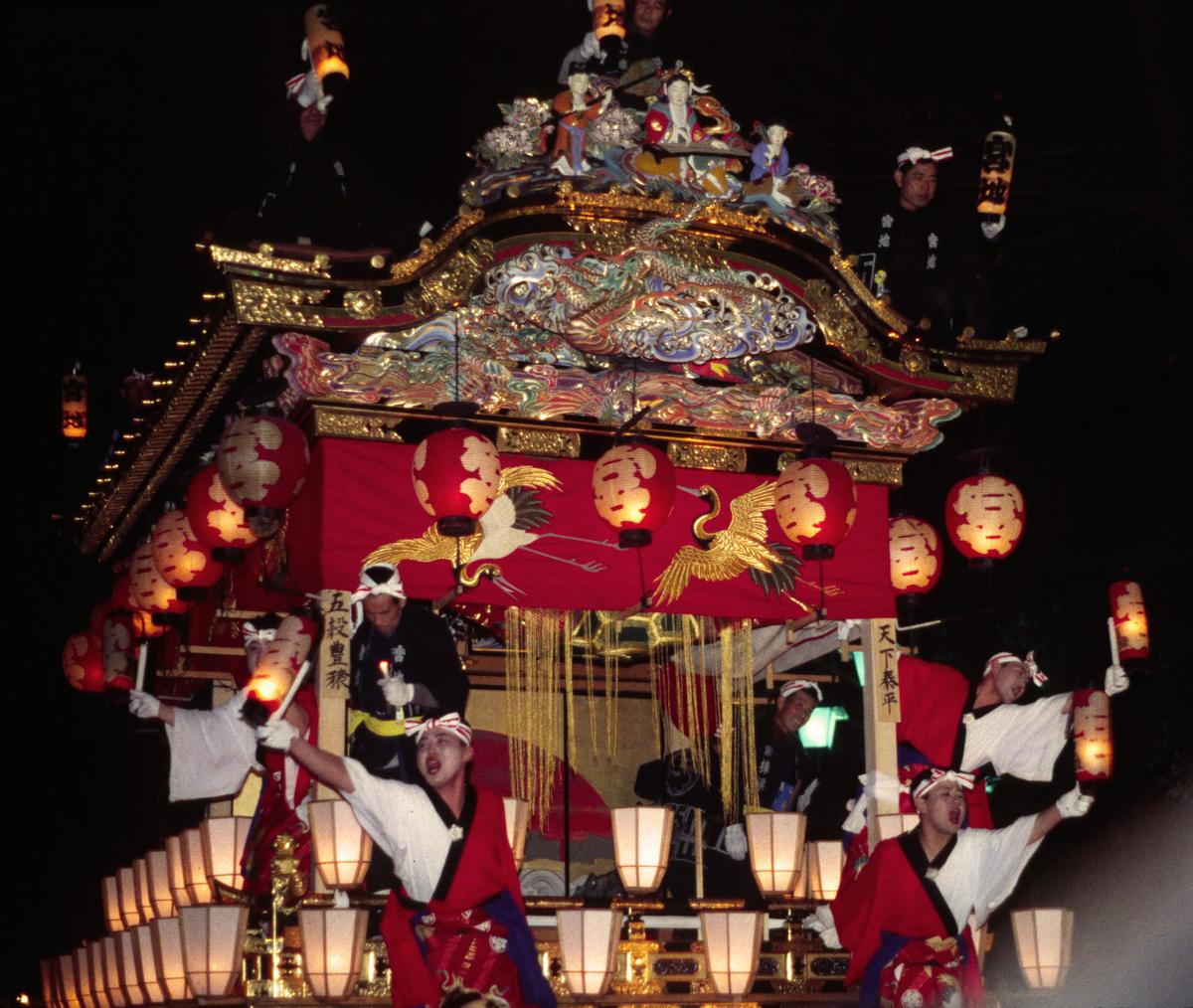
The Chichibu Night Festival runs on 2 December and 3 December every year. The main float pulling happens on the evening of 3 December. This is a major festival. Accommodation and reserved viewing seats book out months in advance. If you decide to go any later than September, expect to sleep in Ikebukuro and take the last Laview back. That works: the train departs at 20:25 and you lose the late fireworks but catch the floats.
Do not go on 2 December expecting the full spectacle. The floats are assembled and displayed but not pulled. The street food stalls open, and the atmosphere is warm, but the main event is the 3rd. If you can only make the 2nd, go anyway, but adjust your expectations.
Outside both windows, the town of Chichibu is a quiet valley with limited attractions. A full day is too much unless you add the Mitsumine Shrine bus ride or the pilgrimage.
What Else is There: Mitsumine Shrine and the 34-Temple Pilgrimage
Mitsumine Shrine
Mitsumine Shrine is a mountain shrine reached by a 75-minute bus ride from Seibu-Chichibu or Mitsumine-guchi. The bus is operated by Seibu Bus and costs approximately ¥1,000 one way. The Seibu Bus website publishes the exact fare. The shrine sits at 1,100 metres and has a wooden architecture style that feels distinct from Tokyo's Shinto buildings. The return bus schedule is thin: plan your arrival and departure times before you board the outbound bus, or risk a two-hour wait.
The 34-Temple Pilgrimage
The Chichibu 34 Kannon Pilgrimage covers 100 kilometres across 34 temples. Completing it on foot takes 4 to 5 days. If you are not doing the full pilgrimage, do not try to visit multiple temples as a day trip. Pick one within walking distance of the railway hub, spend 20 minutes there, and move on. Most temples are small and unstaffed. The pleasure is the walk through fields and forest, not the temple interiors.

Who Should Skip Chichibu Entirely
Skip Chichibu if your visit has no overlap with the shibazakura peak in late April or the Night Festival on 2-3 December, and you have no interest in a long mountain bus ride to Mitsumine Shrine. Without one of those three reasons, the town offers a half-day at most: walk from the railway hub to the river, eat miso pork don, look at the old warehouse district, and you are done by 14:00. That is not a failure. It is a perfectly pleasant half-day. But do not build a full itinerary around it.
If you are a solo traveller who likes anonymous slow days, the half-day version works. If you are a repeat Tokyo visitor who has already done Kamakura, Nikko, and Kawagoe, the half-day version also works. If you are a first-time traveller to Japan on a five-day Tokyo trip, skip Chichibu and use that day for Kamakura instead. The payoff is higher per hour.
| Seasonal Focus | Best Months | Full Day Worth | Key Cost |
|---|---|---|---|
| Shibazakura at Hitsujiyama Park | Mid-April to early May, peak late April | Yes | ¥300 entry |
| Chichibu Night Festival | 2-3 December | Yes | Free to watch; reserved seats book months ahead |
| Mitsumine Shrine | May to October (snow risk in winter) | Yes, if paired with nothing else | ¥1,000 bus each way |
| Off-season quiet visit | Any month not listed above | No (half-day max) | ¥1,490 train + ¥800 lunch |
The One Thing That Most Often Goes Wrong
Travellers buy a round-trip base ticket, walk through the limited express gates without a surcharge ticket, and get stopped by the fare adjustment machine at Seibu-Chichibu. The machine demands cash for the missing surcharge, and the counter window has a queue. Buy both tickets at Ikebukuro before you board. The Seibu ticket machines have an English mode. Select the Limited Express option, choose your train, pay for base and surcharge together, and keep both tickets until you exit at Ikebukuro on the return. That is the single step that turns a smooth 90-minute journey into a frustrated 20-minute argument with a ticket machine.
Read next
-
 Tokyo Hotels by Type and Budget from Capsules to Luxury
Tokyo hotels organised by type and price band, from efficient capsule pods to full-service luxury towers, to help you book the right room.
Tokyo Hotels by Type and Budget from Capsules to Luxury
Tokyo hotels organised by type and price band, from efficient capsule pods to full-service luxury towers, to help you book the right room.
-
 Where to Stay in Tokyo by District and Travel Style
A comparison of Tokyo's major districts to help you choose the right base for your travel style, whether you want calm or chaos.
Where to Stay in Tokyo by District and Travel Style
A comparison of Tokyo's major districts to help you choose the right base for your travel style, whether you want calm or chaos.
-
 Narita or Haneda for Tokyo and What That Airport Choice Costs You
Narita or Haneda for Tokyo: compare door-to-district time, transfer cost, and what the wrong airport choice eats from your trip.
Narita or Haneda for Tokyo and What That Airport Choice Costs You
Narita or Haneda for Tokyo: compare door-to-district time, transfer cost, and what the wrong airport choice eats from your trip.
-
 Things to Do in Tokyo That Are Worth Your Limited Days
A curated list of Tokyo's highest-impact sights and experiences, from immersive art to quiet backstreets, to help you prioritise your days.
Things to Do in Tokyo That Are Worth Your Limited Days
A curated list of Tokyo's highest-impact sights and experiences, from immersive art to quiet backstreets, to help you prioritise your days.
-
 Best Time to Visit Tokyo Month by Month Tradeoffs
A month-by-month guide to visiting Tokyo, laying out the trade-off between weather, crowds, price, and what's actually open.
Best Time to Visit Tokyo Month by Month Tradeoffs
A month-by-month guide to visiting Tokyo, laying out the trade-off between weather, crowds, price, and what's actually open.
-
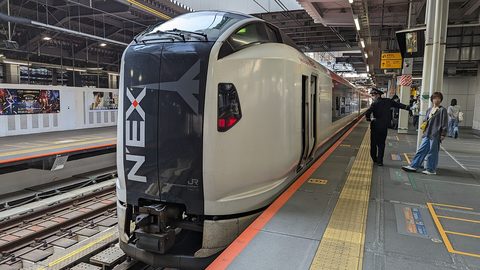 Getting Around Tokyo by Train Airport Transfers and IC Cards
A practical guide to Tokyo's rail network, covering airport transfers, IC cards, and how to avoid the station navigation mistakes that eat your day.
Getting Around Tokyo by Train Airport Transfers and IC Cards
A practical guide to Tokyo's rail network, covering airport transfers, IC cards, and how to avoid the station navigation mistakes that eat your day.
-
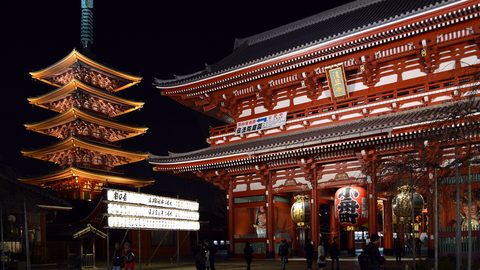 Senso-ji
 is free and never closes, but the experience at 6am with empty Nakamise stalls is nothing like the 11am crush under Kaminarimon. Here is when to go and what you get at each hour.
Senso-ji
Senso-ji is free and never closes, but the experience at 6am with empty Nakamise stalls is nothing like the 11am crush under Kaminarimon. Here is when to go and what you get at each hour.
-
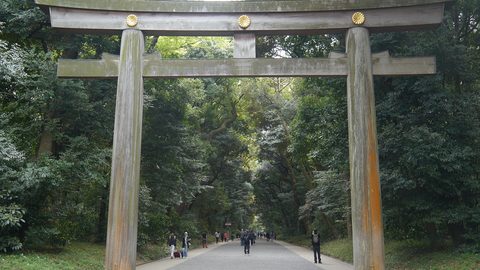 Meiji Jingu
The Meiji Jingu visit changes completely depending on which torii gate you enter. One drops you from Harajuku noise into sudden forest, the other builds quiet slowly from Yoyogi.
Meiji Jingu
The Meiji Jingu visit changes completely depending on which torii gate you enter. One drops you from Harajuku noise into sudden forest, the other builds quiet slowly from Yoyogi.
-
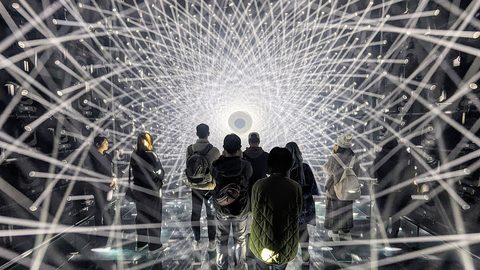 teamLab
 Borderless and Planets are two different Tokyo venues with separate booking systems. Borderless tickets at Azabudai Hills sell in timed slots and the maze has no fixed route.
teamLab
teamLab Borderless and Planets are two different Tokyo venues with separate booking systems. Borderless tickets at Azabudai Hills sell in timed slots and the maze has no fixed route.