Gotokuji: The Temple of Thousands of Beckoning Cats in Setagaya
Gotokuji in Setagaya is the legendary birthplace of the maneki-neko beckoning cat, with thousands of white figurines on tiered shelves at a quiet Zen temple.

Gotokuji: the Temple of Thousands of Beckoning Cats in Setagaya
Gotokuji costs you nothing to enter, takes thirty minutes to see, and sits at the end of a quiet residential street in Setagaya where nothing else demands your attention. That is its strength. The official name is Daikeizan Gotokuji, a Soto Zen temple, and the only reason a traveller leaves the Tokyu Setagaya Line for it is the maneki-neko legend. You are here for a single story, a specific visual, and a small ritual. Treat it as a deliberate detour on the way somewhere else, not a destination that fills a morning.
- Address: 2-24-7 Gotokuji, Setagaya, Tokyo
- Entry Fee: ¥0 (free)
- Nearest Station: Gotokuji Station, Tokyu Setagaya Line
- Walk From Station: Approximately 5 minutes
- Cat Statue Price Range: ¥300 to ¥5,000, purchased at the temple office
- Weekly Rhythm: Low and quiet on weekdays; crowded with photographers on weekends
- Time To Budget: 30 minutes, including buying a cat statue
- Nearby Attractions: Few to none within walking distance
The Legend That Built it
During the early Edo period, in the 17th century, a feudal lord named Ii Naotaka, daimyo of the Hikone domain, was passing near the temple when a cat on the grounds lifted its paw as if beckoning him. He followed the gesture into the temple grounds. Moments later, lightning struck the spot where he had been standing. Ii Naotaka survived. He became a patron of the temple, and the cat that saved him became the prototype for the maneki-neko figurine now found in shop windows and restaurants across Japan. That is the story. No competing versions matter here. Gotokuji owns the origin claim, and the cat statues lining its shelves are direct descendants of that single animal's gesture.
What You Actually See
Walk past the main hall and the bell tower to the dedicated shelves on the left. That is where the thousands of white ceramic cats sit, packed close together on tiered shelves, each one bought and left here by a visitor. Sizes range from a few centimetres to over thirty centimetres. The effect is not dramatic. It is quiet, repetitive, carefully arranged. The cats are all white, raised paw up, and the space feels more like a storage room for accumulated prayers than a tourist photo op. Weekend visitors come to photograph the shelves, and the density of people then can make the narrow path feel congested. On a weekday you might share the spot with two or three other people.
The grounds also hold a three-storey pagoda built in 2006, roughly 22.5 metres tall, with panels carved into cats and other animals. The temple is also the cemetery site of the Ii family, which connects the feudal lord back to the land. Buddhist statuary sits throughout. You see all of it in ten minutes.
How to Do the Ritual
Buy a cat statue from the temple office. Prices start at ¥300 and go up to ¥5,000, depending on size. Pick one, take it to the shelves, and place it there as an offering. That is the ritual. There is no prayer recited, no incense to light, no staff member watching. You leave the cat, you look at the other thousands of cats, you walk away. The purchase is not a souvenir for your suitcase. These statues stay at the temple. If you want a maneki-neko for your own home, buy one from the nearby shops on the walk from the station or from a depachika basement food hall back in central Tokyo. The statues sold at Gotokuji are for the temple shelves only.
The 30-Minute Stop
From Gotokuji Station on the Tokyu Setagaya Line, the walk takes five minutes down a street with no signage until you see the temple gate. The Setagaya Line is a single tram-like line that connects to Shibuya and Shimokitazawa, so you can fold this stop into a morning that begins in Shibuya, passes through Shimokitazawa for vintage shopping or curry, and ends up here before backtracking. The total time from Shibuya station to the temple gate is about twenty-five minutes. Do not build a half-day around it. The grounds are small, the surrounding neighbourhood has few cafés or shops, and the temple itself offers nothing beyond what is described here. Arrive, see the cats, place your offering, leave.
Why it Works and Who Should Skip it
Gotokuji works for a specific kind of Tokyo visitor: someone who understands that the city's magic lives in its ordinary corners, not in its headline sights. The temple is not a polished attraction. It is a functioning Soto Zen temple with a side business in cat figurines. That is exactly why it feels authentic. The silence of a weekday visit, the friction of navigating a tram line to reach it, the anticlimax of a five-minute walk through a residential block to find a stack of ceramic cats on a shelf: these are the textures of Tokyo that no neon sign can replicate.
Skip it if you want a photo that impresses Instagram. The lighting is flat, the shelves are cramped, and the crowd on weekends makes a clean shot nearly impossible. Skip it if you are on a one-day Tokyo itinerary and have not seen Asakusa, Meiji Jingu, or Shinjuku Gyoen. Gotokuji is a repeat-visitor stop, not a first-timer requirement.

_Statues_at_Gotokuji_Temple,_Tokyo.jpg)

| Item | Detail |
|---|---|
| Official name | Daikeizan Gotokuji |
| Religion | Soto Zen Buddhism |
| Entry fee | ¥0 |
| Nearest station | Gotokuji Station, Tokyu Setagaya Line |
| Walk from station | 5 minutes |
| Cat statue price range | ¥300 to ¥5,000 |
| Cat statue count | Thousands, on dedicated shelves left of the main hall |
| Pagoda height | Approx. 22.5 m |
| Pagoda built | 2006 |
| Weekday crowd | Low |
| Weekend crowd | High, crowded for photography |
| Suggested visit time | 30 minutes |
| Nearby attractions | Few to none within walking distance |
Common Questions
What is the legend of Gotokuji Cat Temple?
In the early Edo period, feudal lord Ii Naotaka was passing the temple when a cat beckoned him inside. Lightning struck the spot where he had been standing moments later. The cat saved his life, and the maneki-neko figurine originated from that event.
How much does it cost to visit Gotokuji?
Entry is free. Cat statues for offering cost between ¥300 and ¥5,000, purchased at the temple office.
How long does a visit to Gotokuji take?
Allow 30 minutes total, including buying a cat statue and walking the grounds.
What is the best time to visit Gotokuji?
Weekday mornings or early afternoons, when visitor density is low. Weekends are crowded with photographers.
How do I get to Gotokuji Cat Temple?
Take the Tokyu Setagaya Line to Gotokuji Station. The temple is a five-minute walk from the station.
Can I take the cat statue home as a souvenir?
No. Statues purchased at the temple are left on the dedicated shelves as offerings. Buy a maneki-neko elsewhere if you want to take one home.
Is Gotokuji worth visiting if I only have one day in Tokyo?
No. Spend that day on Asakusa, Meiji Jingu, or Shinjuku Gyoen. Gotokuji is a detour for repeat visitors or those with extra time.
Read next
-
 Tokyo Hotels by Type and Budget from Capsules to Luxury
Tokyo hotels organised by type and price band, from efficient capsule pods to full-service luxury towers, to help you book the right room.
Tokyo Hotels by Type and Budget from Capsules to Luxury
Tokyo hotels organised by type and price band, from efficient capsule pods to full-service luxury towers, to help you book the right room.
-
 Where to Stay in Tokyo by District and Travel Style
A comparison of Tokyo's major districts to help you choose the right base for your travel style, whether you want calm or chaos.
Where to Stay in Tokyo by District and Travel Style
A comparison of Tokyo's major districts to help you choose the right base for your travel style, whether you want calm or chaos.
-
 Narita or Haneda for Tokyo and What That Airport Choice Costs You
Narita or Haneda for Tokyo: compare door-to-district time, transfer cost, and what the wrong airport choice eats from your trip.
Narita or Haneda for Tokyo and What That Airport Choice Costs You
Narita or Haneda for Tokyo: compare door-to-district time, transfer cost, and what the wrong airport choice eats from your trip.
-
 Things to Do in Tokyo That Are Worth Your Limited Days
A curated list of Tokyo's highest-impact sights and experiences, from immersive art to quiet backstreets, to help you prioritise your days.
Things to Do in Tokyo That Are Worth Your Limited Days
A curated list of Tokyo's highest-impact sights and experiences, from immersive art to quiet backstreets, to help you prioritise your days.
-
 Best Time to Visit Tokyo Month by Month Tradeoffs
A month-by-month guide to visiting Tokyo, laying out the trade-off between weather, crowds, price, and what's actually open.
Best Time to Visit Tokyo Month by Month Tradeoffs
A month-by-month guide to visiting Tokyo, laying out the trade-off between weather, crowds, price, and what's actually open.
-
 Getting Around Tokyo by Train Airport Transfers and IC Cards
A practical guide to Tokyo's rail network, covering airport transfers, IC cards, and how to avoid the station navigation mistakes that eat your day.
Getting Around Tokyo by Train Airport Transfers and IC Cards
A practical guide to Tokyo's rail network, covering airport transfers, IC cards, and how to avoid the station navigation mistakes that eat your day.
-
 Senso-ji
 is free and never closes, but the experience at 6am with empty Nakamise stalls is nothing like the 11am crush under Kaminarimon. Here is when to go and what you get at each hour.
Senso-ji
Senso-ji is free and never closes, but the experience at 6am with empty Nakamise stalls is nothing like the 11am crush under Kaminarimon. Here is when to go and what you get at each hour.
-
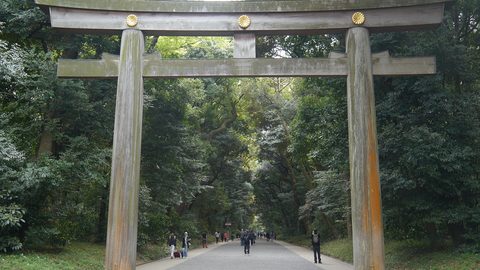 Meiji Jingu
The Meiji Jingu visit changes completely depending on which torii gate you enter. One drops you from Harajuku noise into sudden forest, the other builds quiet slowly from Yoyogi.
Meiji Jingu
The Meiji Jingu visit changes completely depending on which torii gate you enter. One drops you from Harajuku noise into sudden forest, the other builds quiet slowly from Yoyogi.
-
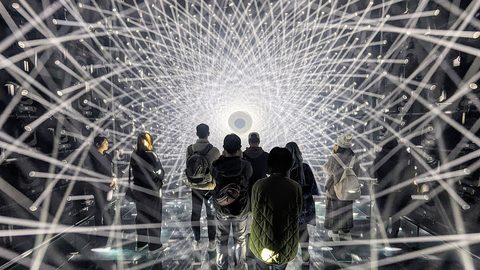 teamLab
 Borderless and Planets are two different Tokyo venues with separate booking systems. Borderless tickets at Azabudai Hills sell in timed slots and the maze has no fixed route.
teamLab
teamLab Borderless and Planets are two different Tokyo venues with separate booking systems. Borderless tickets at Azabudai Hills sell in timed slots and the maze has no fixed route.