Kawagoe from Ikebukuro A Half Day in Little Edo
Forty-five minutes from Ikebukuro on the Tobu Tojo Line, Kawagoe's Edo-era warehouse district and sweet potato street snacks fill a relaxed half-day from Tokyo.

Kawagoe from Ikebukuro: a Half Day in Little Edo
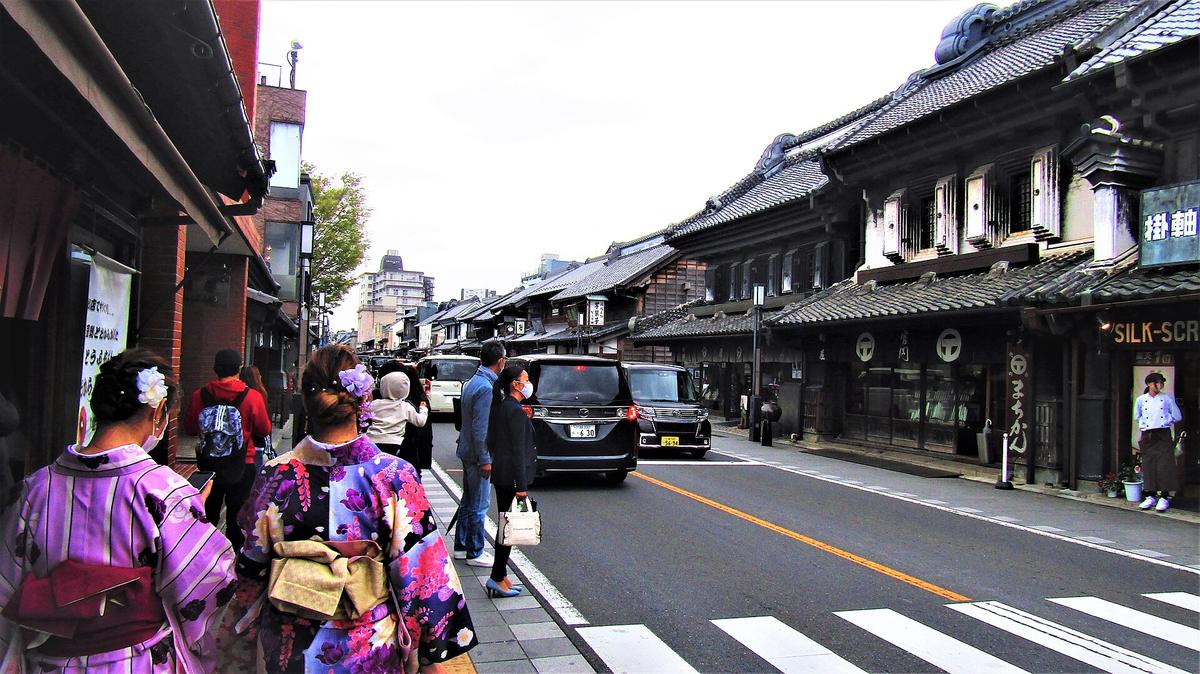
The Tobu Tojo Line train slides into Kawagoe-shi 45 minutes after leaving Ikebukuro. At 08:45 on a Tuesday, the concourse is sparse. The walk east to Kurazukuri no Machinami takes ten minutes, past a 7-Eleven, a dry cleaner, and a shuttered real estate office. This is the quiet prelude to a street that looks nothing like the rest of Tokyo.
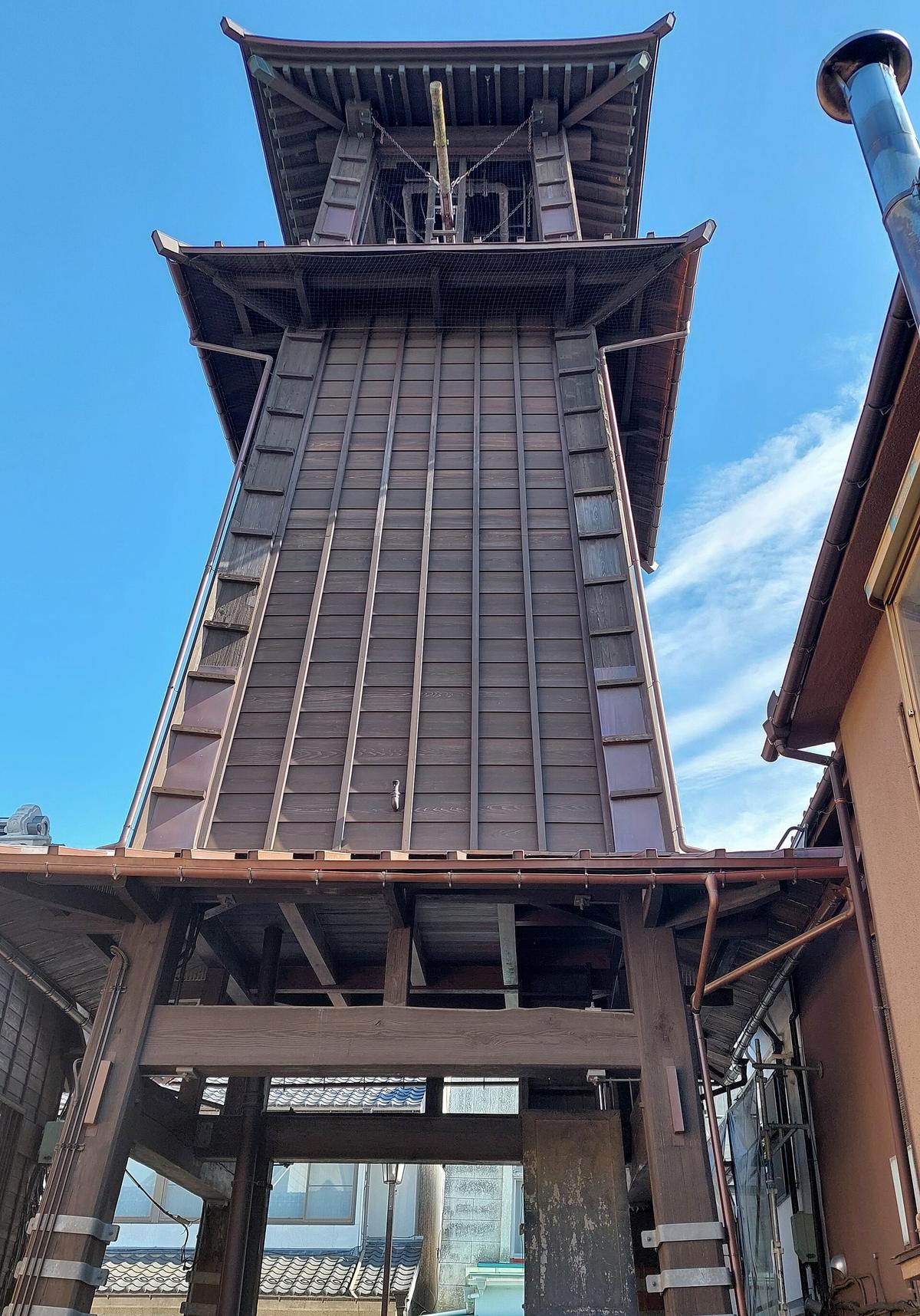
Kawagoe answers a specific question: is there an Edo period merchant street you can do in a morning and be back in Shinjuku by lunch? Yes. The kurazukuri district survives because its clay walled warehouses, finished in plaster, resisted the Great Kawagoe Fire of 1893 and the firebombs of World War II. Roughly 30 buildings remain on Ichibangai, none of them museums dressed as shops. They are working stores selling sweet potato beer, pickled vegetables, and lacquerware. The Toki no Kane bell tower at the street midpoint rings four times a day at 06:00, 12:00, 15:00, and 18:00. An automated mechanism replaced the hand struck bell in 1993, but the sound carries the same three note pattern down the narrow lane.
Arrive on a weekday morning. Weekend visitors hit Kurazukuri Street between 11:00 and 15:00, when foot traffic turns the walk into a shuffle. On a Tuesday at 09:00 you share the pavement with a baker loading sacks of flour and a woman sweeping the entrance to her shop.
Which Train to Take and How Much it Costs
Picking Your Line
The Tobu Tojo Line from Ikebukuro is the fastest: 30 to 45 minutes on an express versus a semi express or local, at ¥510 one way on an IC card (2026 rate). A Kawagoe Discount Pass costs ¥720 (2026 rate, subject to revision; check the Tobu railway website for the current figure) and covers the round trip plus discounts at 10 to 15 shops. Buy it at the Tobu Tourist Information Center on B1F of Ikebukuro Station. The pass breaks even if you use ¥210 in discounts, which two sweet potato snacks easily cover.
The Seibu Shinjuku Line departs from Seibu Shinjuku and reaches Hon Kawagoe in 55 to 60 minutes, also ¥510 one way. The Seibu Kawagoe Pass costs ¥1,200 (2026 rate, verify on the Seibu Railway site) and adds unlimited rides on the Koedo Loop Bus plus shop discounts. The JR Saikyo and Kawagoe Line direct from Shinjuku takes 50 to 55 minutes at ¥770 one way, with no dedicated discount pass. The JR Tokyo Wide Pass covers it, but that pass is built for three day itineraries, not a half day trip.
The One Thing Not to Get Wrong
The last Tobu express from Kawagoe-shi to Ikebukuro departs around 23:30 on weekdays. Miss it, and a taxi to the nearest JR stop on the Saikyo Line costs roughly ¥3,000. The train from there runs until just past midnight. Better to leave by 20:00 and avoid the question.
The Half Day Route: What to See and What to Skip
The Main Street and the Bell
Start at either Kawagoe-shi (Tobu) or Hon Kawagoe (Seibu). Walk east on the covered shopping arcade called Taisho roman Yume dori for five minutes, then turn north onto Kurazukuri no Machinami. The street runs about 400 meters north to Toki no Kane. Take the photograph, check your watch for the next bell ring, and keep moving.
Sweet Alley
Kashiya Yokocho branches off Ichibangai near the bell tower. About 20 to 25 shops sell dagashi (cheap traditional candies), baked sweet potato, sweet potato soft serve (imo koi), sweet potato yokan, sweet potato senbei, sweet potato ame, and sweet potato beer. The sweet potato arrived during the Edo period and became the local staple because it grew well in the region's volcanic soil. The shopkeepers expect you to taste before buying. Do this.
Kita in Temple and the 538 Statues
Kita in Temple lies 15 minutes north of Kashiya Yokocho. It was founded in 830 as a Tendai sect temple, but the main hall you see today was moved from Edo Castle in 1638. It is the only surviving building from the castle. The main draw is the Gohyaku Rakan: 538 stone statues carved between 1782 and 1825, each with a different facial expression. Admission is ¥600 (2026 rate, confirm on the temple's site). The statues sit in a mossy grove that takes 20 minutes to walk through. Skip this if you have seen similar rakan statue clusters at temples in Kyoto or Kamakura.
When To Use The Bus And When To Walk
The Koedo Loop Bus runs every 30 to 40 minutes at ¥220 per ride or ¥500 for a day pass (2026 rates, verify with the Kawagoe city tourism office). The walk from the station area to Kita in Temple is 3 to 4 kilometers one way, about 45 to 60 minutes without stops. Arrive at 09:00, walk both ways, and you finish by 12:30. That is the point of a half day trip. Take the bus only if you have mobility constraints or rain. The bus stop locations lack clear English signage. Google Maps struggles with the stop numbering; the Japan Official Travel App works better offline.

How Much Time You Actually Need and Who Should Skip it
The core sights of Kurazukuri Street, Toki no Kane, Kashiya Yokocho, and Kita in Temple are completable in four to five hours including walking time and a sit down lunch. That is a half day. A full day is unnecessary unless you add the Kawagoe Festival Museum or the City Museum, which retell the same story in display cases. The sweet potato cafes on the main street serve the same food you can buy from the vendors, just priced higher for the table service.
Skip Kawagoe entirely if you already have Kanazawa, Kurashiki, or Takayama on your itinerary. Those cities have larger, more intact Edo period districts with the same clay wall architecture and fewer sweet potato shops. Kawagoe is a consolation prize for travelers whose schedule cannot reach those destinations.
The single thing that most often goes wrong: arriving at 11:00 on a Saturday and assuming you will find an empty street. You will not. The crowd density on Kurazukuri Street between 11:00 and 15:00 on weekends turns the half day plan into a full day of queuing for sweet potato soft serve. Go on a weekday or do not go.
Read next
-
 Tokyo Hotels by Type and Budget from Capsules to Luxury
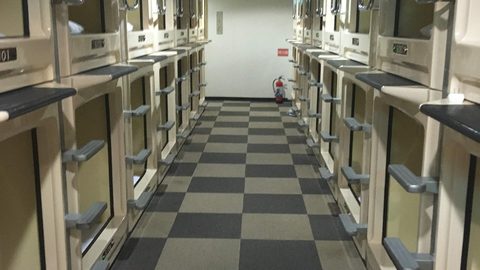
Tokyo hotels organised by type and price band, from efficient capsule pods to full-service luxury towers, to help you book the right room.
Tokyo Hotels by Type and Budget from Capsules to Luxury
Tokyo hotels organised by type and price band, from efficient capsule pods to full-service luxury towers, to help you book the right room.
-
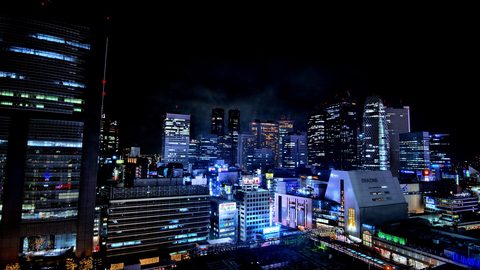 Where to Stay in Tokyo by District and Travel Style
A comparison of Tokyo's major districts to help you choose the right base for your travel style, whether you want calm or chaos.
Where to Stay in Tokyo by District and Travel Style
A comparison of Tokyo's major districts to help you choose the right base for your travel style, whether you want calm or chaos.
-
 Narita or Haneda for Tokyo and What That Airport Choice Costs You
Narita or Haneda for Tokyo: compare door-to-district time, transfer cost, and what the wrong airport choice eats from your trip.
Narita or Haneda for Tokyo and What That Airport Choice Costs You
Narita or Haneda for Tokyo: compare door-to-district time, transfer cost, and what the wrong airport choice eats from your trip.
-
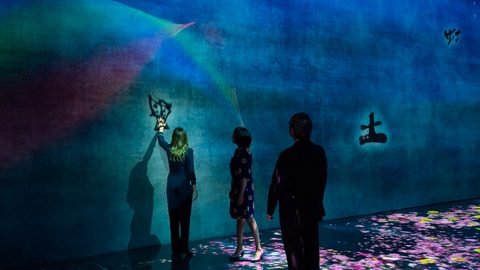 Things to Do in Tokyo That Are Worth Your Limited Days
A curated list of Tokyo's highest-impact sights and experiences, from immersive art to quiet backstreets, to help you prioritise your days.
Things to Do in Tokyo That Are Worth Your Limited Days
A curated list of Tokyo's highest-impact sights and experiences, from immersive art to quiet backstreets, to help you prioritise your days.
-
 Best Time to Visit Tokyo Month by Month Tradeoffs
A month-by-month guide to visiting Tokyo, laying out the trade-off between weather, crowds, price, and what's actually open.
Best Time to Visit Tokyo Month by Month Tradeoffs
A month-by-month guide to visiting Tokyo, laying out the trade-off between weather, crowds, price, and what's actually open.
-
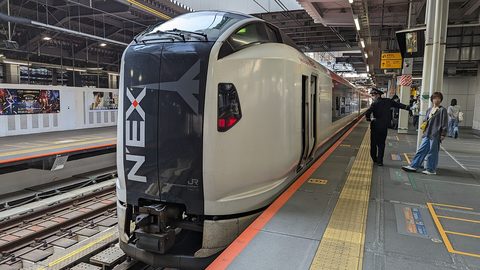 Getting Around Tokyo by Train Airport Transfers and IC Cards
A practical guide to Tokyo's rail network, covering airport transfers, IC cards, and how to avoid the station navigation mistakes that eat your day.
Getting Around Tokyo by Train Airport Transfers and IC Cards
A practical guide to Tokyo's rail network, covering airport transfers, IC cards, and how to avoid the station navigation mistakes that eat your day.
-
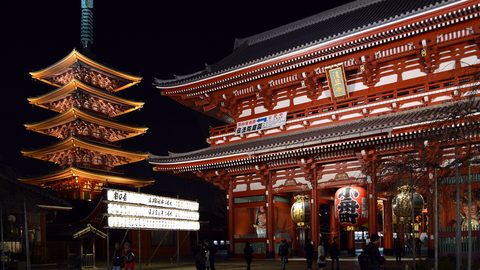 Senso-ji
 is free and never closes, but the experience at 6am with empty Nakamise stalls is nothing like the 11am crush under Kaminarimon. Here is when to go and what you get at each hour.
Senso-ji
Senso-ji is free and never closes, but the experience at 6am with empty Nakamise stalls is nothing like the 11am crush under Kaminarimon. Here is when to go and what you get at each hour.
-
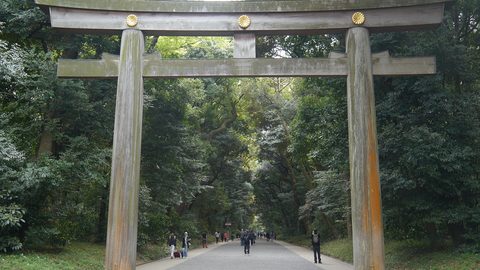 Meiji Jingu
The Meiji Jingu visit changes completely depending on which torii gate you enter. One drops you from Harajuku noise into sudden forest, the other builds quiet slowly from Yoyogi.
Meiji Jingu
The Meiji Jingu visit changes completely depending on which torii gate you enter. One drops you from Harajuku noise into sudden forest, the other builds quiet slowly from Yoyogi.
-
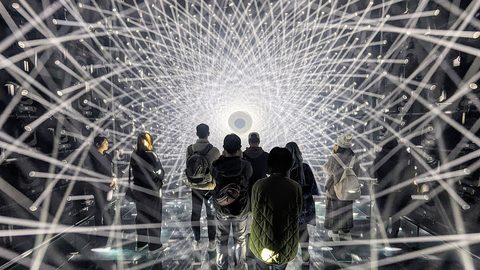 teamLab
 Borderless and Planets are two different Tokyo venues with separate booking systems. Borderless tickets at Azabudai Hills sell in timed slots and the maze has no fixed route.
teamLab
teamLab Borderless and Planets are two different Tokyo venues with separate booking systems. Borderless tickets at Azabudai Hills sell in timed slots and the maze has no fixed route.