Inside the Nezu Museum: Pre-Modern Art and a Hidden Aoyama Garden
The Nezu Museum in Aoyama pairs a serious pre-modern Japanese art collection with a sprawling bamboo garden and glass teahouse that steal the show.

The Wrong Reason to Visit the Nezu Museum
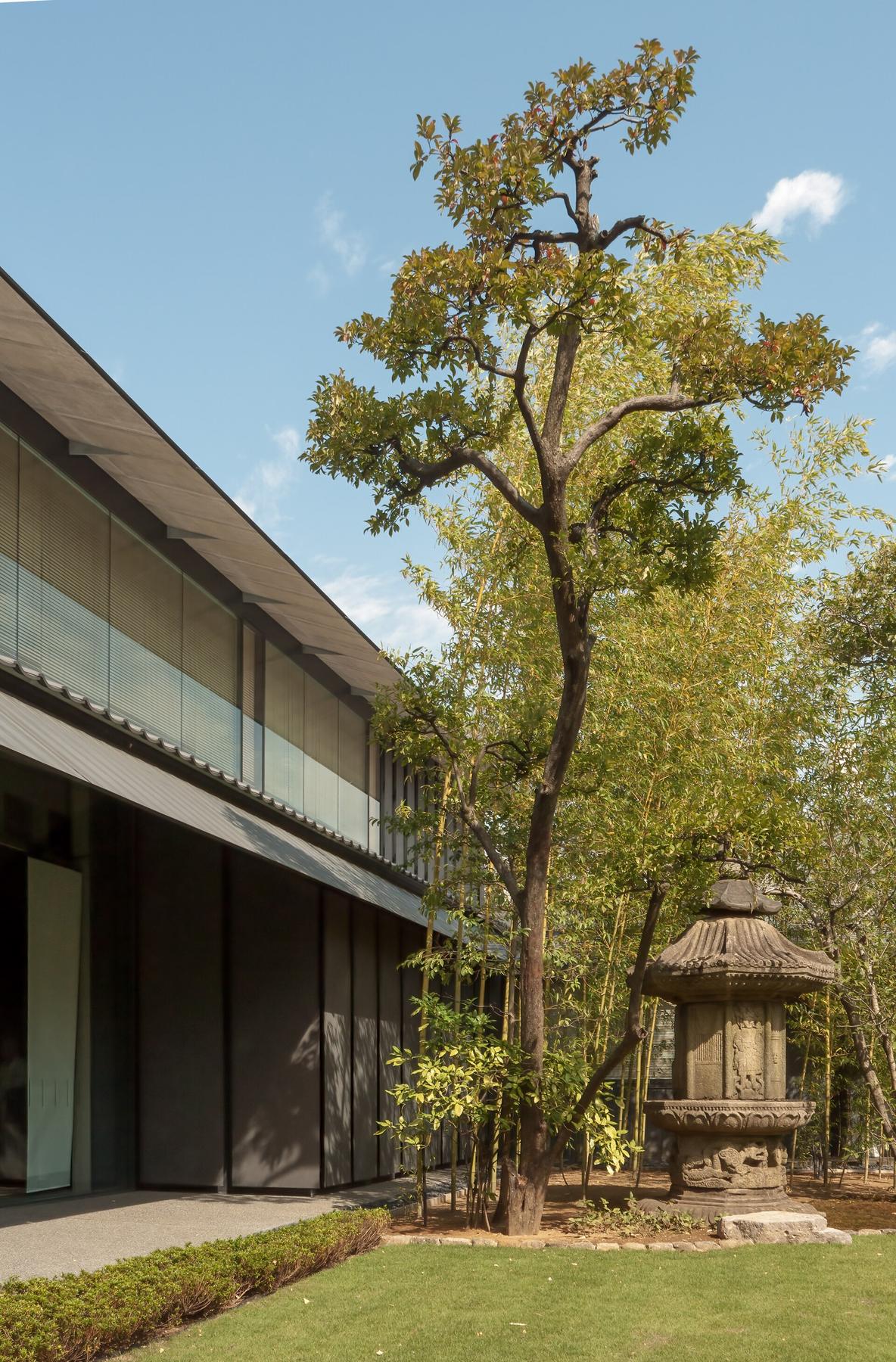
You are looking at the Nezu Museum on a map and thinking it is a rainy-day backup plan, a quiet little art detour on Omotesando. That is a mistake. The art is superb, but the garden is the reason this place exists. It is an Edo-period strolling garden hidden one block north of Omotesando Avenue, invisible from the street. Walk down the bamboo-lined stone path designed by architect Kengo Kuma. The noise of Harajuku, a ten-minute walk away, simply stops. The question is not whether to see the art. The question is whether you are willing to visit a museum for the garden and treat the National Treasure as a bonus. You should be.
- Address: 6-5-1 Minami Aoyama, Minato-ku, Tokyo
- Nearest Station: Omotesando Station (Tokyo Metro Ginza, Chiyoda, Hanzomon lines), Exit A5, 8-minute walk
- General Admission: ¥1,300 (2024 rate; check museum website for current pricing)
- Special Exhibitions: Timed-entry tickets required; price varies by exhibition
- Regular Closure: Mondays (or Tuesday if Monday is a public holiday)
- Building Architect: Kengo Kuma
- Garden Features: Ponds, stone lanterns, five teahouses
- Key Annual Display: Ogata Kōrin's Irises screen (National Treasure), late April to mid-May. Expect queues.
Why the Garden Beats the Gallery
Tokyo does not give you many places where you are alone. The Nezu Museum garden is one of them. Five teahouses sit around ponds connected by winding paths. Stone lanterns are placed so that their light catches the water at dusk. Sit on the veranda of the thatched Nanatei teahouse. Watch nothing move. That is rare in a city where the nearest subway line carries 3.5 million people a day.
Buy a general admission ticket online. You do not need the special exhibition to access the garden. The garden is included in the standard ¥1,300 entry. Arrive at 10:00, just after opening. The morning light filters through the bamboo and hits the moss on the path. You will have the main pond to yourself for at least the first forty minutes. The glass-walled café on the lower level opens onto the garden. Order a matcha set and take it outside. Do not sit inside.
Getting There Without The Crowd
Take the Tokyo Metro to Omotesando Station. Use Exit A5. Walk north one block on the avenue, past the Prada building, then turn onto the side street. The entrance is a gap in the wall with a bamboo canopy. You will not hear the boulevard anymore. The walk is eight minutes from the station exit. Ignore the taxis. The approach is worth doing on foot because the transition from the loud Aoyama pavement to the gravel path is the point.
The Teahouse You Need To See
Five teahouses are scattered through the grounds. The most important is the Zuientei, a rectangular structure with a thick thatched roof built in the sukiya style. It was moved here from Kyoto in the early twentieth century. Walk up to it, step onto the veranda, and look into the interior. Wood screens, tatami, a single scroll. That is all. It is not open for tea service, and that is fine. The value is in the framing. The garden was designed to be seen from a seated position at that specific height above the pond. Sit on the edge of the veranda for five minutes. Do not take a photo. Just look.
The Collection as a Refined Bonus
Once you have done the garden, head upstairs. The art is excellent. The permanent collection holds pre-modern Japanese and East Asian works. The single most important object is Ogata Kōrin's Irises (Kakitsubata-zu), a pair of six-panel folding screens painted in the early eighteenth century. It is a National Treasure. If you come between late April and mid-May, you will see it. In those three weeks, the museum queues. Outside that window, it is in storage, and the galleries are calm.
Skip the special exhibition unless the artist is someone you actively follow. The permanent collection is strong enough on its own. The museum is small. Two rooms hold the rotating gallery, and the corridor between them has a window that looks down into the garden. Stop at that window. It frames the bamboo grove from above, a perspective you cannot get from the paths. Spend no more than an hour in the galleries. The garden took ninety minutes. The proportions tell you what matters.
When To Skip The Art Entirely
If you only have forty-five minutes, skip the galleries and do the garden. The garden is the only thing like it within walking distance of this neighbourhood. The art can be seen in other museums. The experience of sitting alone at the Zuientei veranda while a carp stirs the pond cannot. Go straight from the entrance to the path that descends to the left. You will reach the main pond in under two minutes.
Why This Place is an Antidote to Harajuku
Harajuku is two stops on the Chiyoda Line. You can be at Takeshita Street in under fifteen minutes from the museum entrance. The contrast is the point. The Nezu Museum grounds were the home of Nezu Kaichirō, the railway magnate who built the collection. He designed the garden as a retreat from the Meiji-era city. It still works. The sound insulation comes from layered planting. Bamboo, maple, camellia, and pine form a wall that absorbs the traffic. You hear birds and water. That is all.
This is not a tourist attraction that happens to have a garden. It is a garden that happens to have a museum attached. The approach from the street forces you to recalibrate. The bamboo path narrows. The gravel shifts under your shoes. The light changes. By the time you reach the ticket counter, you are already in a different Tokyo. The one that exists behind the walls of the city's quietest neighbourhoods. The one you came to find.
One honest caveat. The garden is not large. You cannot spend four hours here. It is a ninety-minute stop, maybe two hours if you sit in the café. Plan it as the quiet middle of your day, not the destination. Start in Harajuku. Spend the morning in the chaos, then walk south through the Aoyama designer stores and arrive at the museum around 13:00. You will be tired of noise. The garden will give you exactly what you need. Then walk to Shibuya for dinner and let the crowds feel distant again.

| Item | Cost | Notes |
|---|---|---|
| General Admission (2024) | ¥1,300 | Check museum website for current pricing |
| Special Exhibition | Varies | Timed entry required; book online |
| Matcha Set at Café | ¥1,000-¥1,500 | Served with a small sweet |
| Pocket WiFi Rental (per day) | ¥1,000-¥1,500 | More reliable than eSIM underground |
| Taxi from Omotesando Station | ¥730 minimum | Not needed; 8-minute walk |
Common Questions
Do I need to buy a timed ticket for the garden?
No. Timed tickets are required only for special exhibitions. A general admission ticket gives you full access to the garden. Buy it online to skip the queue, or at the counter if the Irises screen is not on display.
Can I visit the garden if the museum is closed?
No. The garden is inside the museum grounds and shares the same entrance and closure days. The museum is closed every Monday (or Tuesday if Monday is a public holiday). Check before you go.
Is the bamboo garden the same as the main garden?
Yes. The bamboo-lined stone path from the entrance leads directly into the strolling garden. It is not a separate section. The bamboo thicket is part of the path system around the pond.
Is the Nezu Museum suitable for children?
The garden works well for children who can walk quietly. The art galleries are a harder sell. Strollers are allowed outdoors but must be left at the entrance before entering the galleries. Consider it a place for adults.
Read next
-
 Tokyo Hotels by Type and Budget from Capsules to Luxury
Tokyo hotels organised by type and price band, from efficient capsule pods to full-service luxury towers, to help you book the right room.
Tokyo Hotels by Type and Budget from Capsules to Luxury
Tokyo hotels organised by type and price band, from efficient capsule pods to full-service luxury towers, to help you book the right room.
-
 Where to Stay in Tokyo by District and Travel Style
A comparison of Tokyo's major districts to help you choose the right base for your travel style, whether you want calm or chaos.
Where to Stay in Tokyo by District and Travel Style
A comparison of Tokyo's major districts to help you choose the right base for your travel style, whether you want calm or chaos.
-
 Narita or Haneda for Tokyo and What That Airport Choice Costs You
Narita or Haneda for Tokyo: compare door-to-district time, transfer cost, and what the wrong airport choice eats from your trip.
Narita or Haneda for Tokyo and What That Airport Choice Costs You
Narita or Haneda for Tokyo: compare door-to-district time, transfer cost, and what the wrong airport choice eats from your trip.
-
 Things to Do in Tokyo That Are Worth Your Limited Days
A curated list of Tokyo's highest-impact sights and experiences, from immersive art to quiet backstreets, to help you prioritise your days.
Things to Do in Tokyo That Are Worth Your Limited Days
A curated list of Tokyo's highest-impact sights and experiences, from immersive art to quiet backstreets, to help you prioritise your days.
-
 Best Time to Visit Tokyo Month by Month Tradeoffs
A month-by-month guide to visiting Tokyo, laying out the trade-off between weather, crowds, price, and what's actually open.
Best Time to Visit Tokyo Month by Month Tradeoffs
A month-by-month guide to visiting Tokyo, laying out the trade-off between weather, crowds, price, and what's actually open.
-
 Getting Around Tokyo by Train Airport Transfers and IC Cards
A practical guide to Tokyo's rail network, covering airport transfers, IC cards, and how to avoid the station navigation mistakes that eat your day.
Getting Around Tokyo by Train Airport Transfers and IC Cards
A practical guide to Tokyo's rail network, covering airport transfers, IC cards, and how to avoid the station navigation mistakes that eat your day.
-
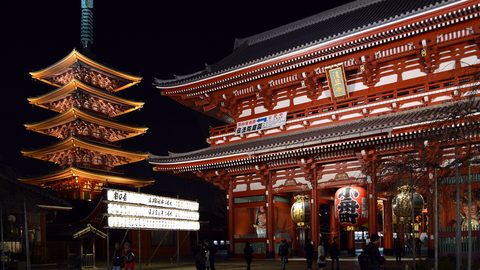 Senso-ji
 is free and never closes, but the experience at 6am with empty Nakamise stalls is nothing like the 11am crush under Kaminarimon. Here is when to go and what you get at each hour.
Senso-ji
Senso-ji is free and never closes, but the experience at 6am with empty Nakamise stalls is nothing like the 11am crush under Kaminarimon. Here is when to go and what you get at each hour.
-
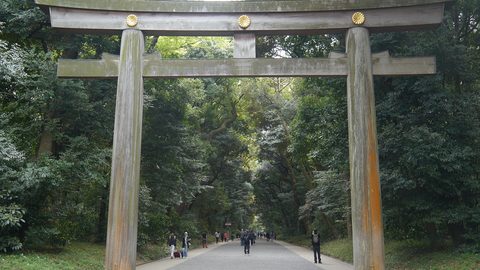 Meiji Jingu
The Meiji Jingu visit changes completely depending on which torii gate you enter. One drops you from Harajuku noise into sudden forest, the other builds quiet slowly from Yoyogi.
Meiji Jingu
The Meiji Jingu visit changes completely depending on which torii gate you enter. One drops you from Harajuku noise into sudden forest, the other builds quiet slowly from Yoyogi.
-
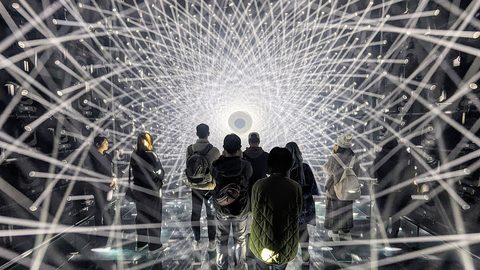 teamLab
 Borderless and Planets are two different Tokyo venues with separate booking systems. Borderless tickets at Azabudai Hills sell in timed slots and the maze has no fixed route.
teamLab
teamLab Borderless and Planets are two different Tokyo venues with separate booking systems. Borderless tickets at Azabudai Hills sell in timed slots and the maze has no fixed route.