Tokyo’s Azalea Shrine and Its Secret Calm Beyond the Bloom
Nezu Shrine bursts into colour for a few weeks each spring, but the real Tokyo secret is how empty its torii tunnel is the rest of the year.

Tokyo’s Azalea Shrine and Its Secret Calm Beyond the Bloom
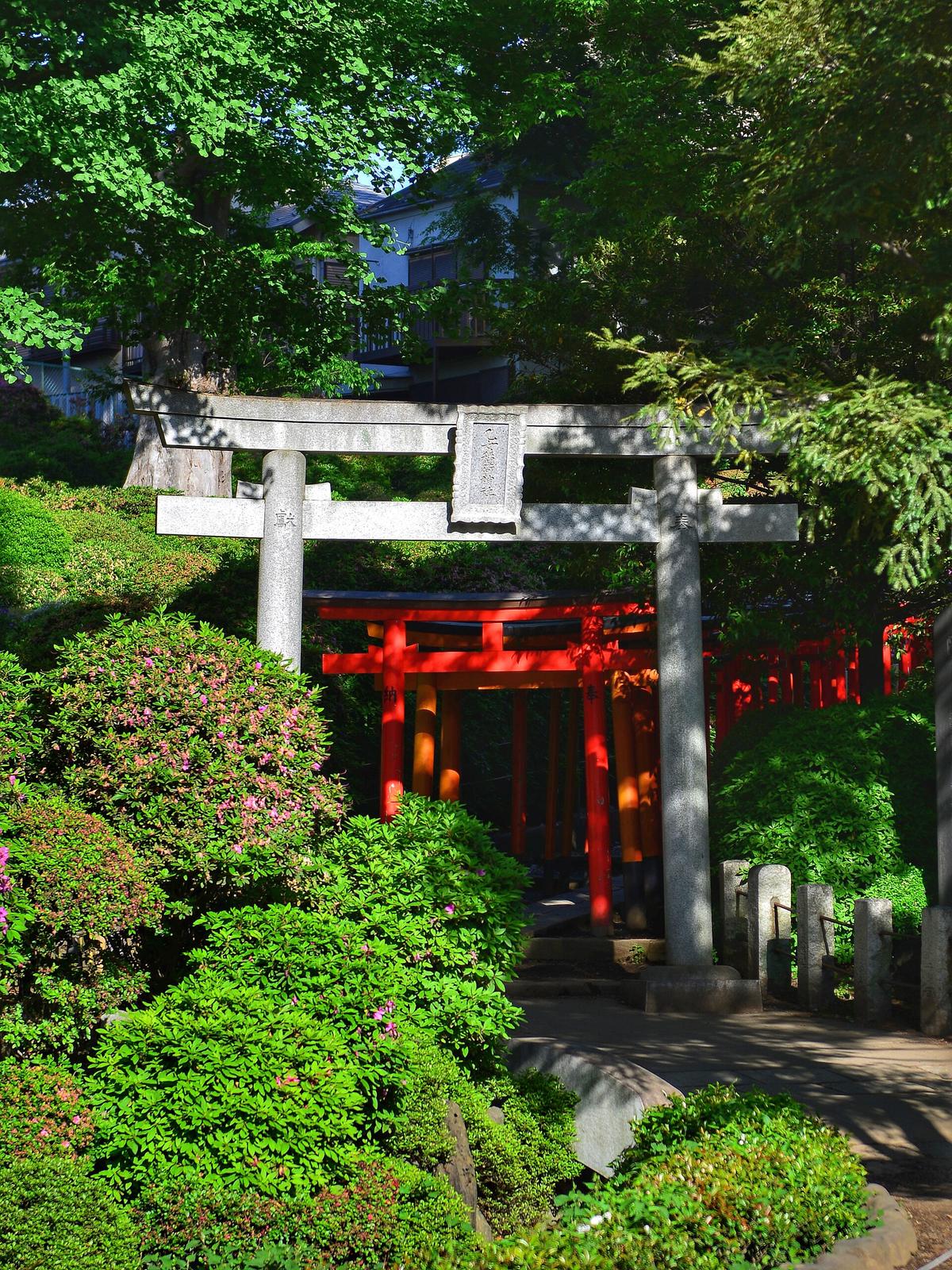
Most visitors assume Nezu Shrine is a minor stop on the way to Yanaka Ginza. They are wrong. The shrine has two entirely separate identities, and which one you experience depends on the date you arrive. For three weeks each spring, it becomes the most crowded floral attraction in Bunkyo Ward. The other eleven months it is a near-empty escape where a tunnel of vermilion torii gates rises up a hillside without a single person in your photograph.
That split personality is intentional. Nezu Shrine was built in 1706, and five of its structures including the main hall, the worship hall, the Romon gate, and the Karamon gate survived World War II intact. They now hold the designation Important Cultural Properties of Japan. The shrine sits in the Yanesen area, the old shitamachi district that escaped both the 1923 earthquake and the firebombing of 1945. It is old Tokyo, not reconstructed Tokyo, and that is precisely why it draws crowds only during the Tsutsuji Matsuri, the Bunkyo Azalea Festival.
- Nearest Station: Nezu Station (Chiyoda Line), 5-minute walk. Also accessible from Sendagi Station (Chiyoda Line) and Todaimae Station (Namboku Line).
- General Admission: Free, every day of the year.
- Azalea Garden Admission: ¥500 during the Tsutsuji Matsuri (approx. early April to early May). This figure is set annually by the shrine; check the Bunkyo Ward tourism site for the exact 2027 rate.
- Azalea Garden Contents: Approximately 3,000 shrubs across roughly 100 varieties.
- Torii Tunnel: Approximately 90 vermilion torii gates in two parallel rows ascending the hillside. Compare with Fushimi Inari's 10,000 gates on a mountainside.
- Peak Bloom Window: Mid-April for the azaleas, but the festival period shifts annually. The 2024 festival ran early April to early May.
- Main Hall Construction: 1706. Also survived: worship hall, Romon gate, Karamon gate, and other structures from the same year.
When to Arrive and What it Costs
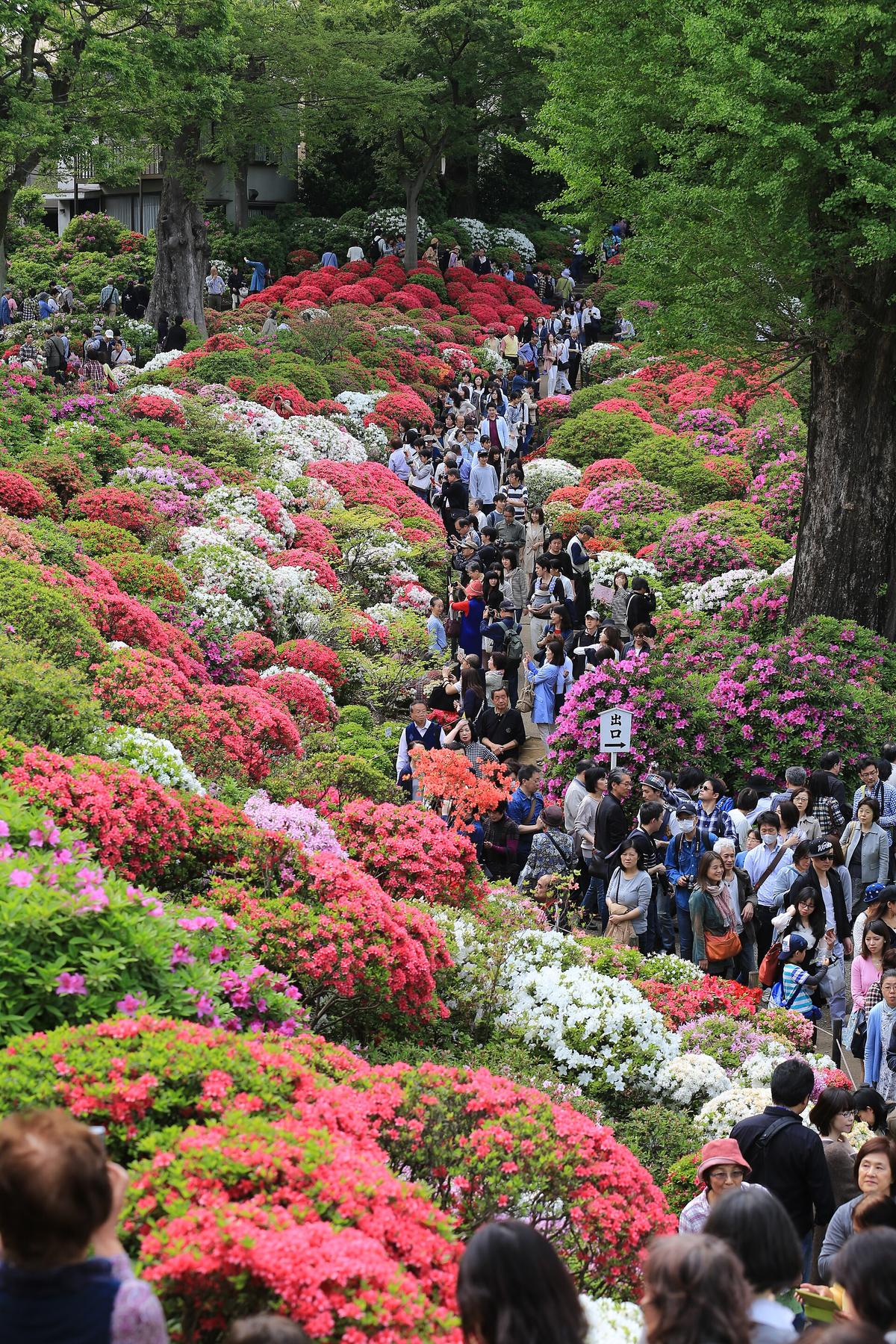
The festival transforms the shrine. The hillside garden that is empty on a Tuesday in October becomes a queue for a ¥500 ticket to see clusters of pink, white, and purple azaleas at their peak. The carp pond with its stepping stones, adjacent to the main approach, stays accessible for free, but the dense crowds around it make quiet contemplation impossible.
If you want the festival experience, arrive before 8:00 AM. The shrine opens its grounds at sunrise. The garden ticket booth opens at 8:30. By 9:30 the narrow paths between the shrubs are shoulder-to-shoulder. Arrive at 11:00 and you are in line.
The cost is simple. The shrine grounds are always free. The azalea garden charges ¥500 during the festival only. That fee grants access to the main concentration of blooms. You do not need a ticket to see the torii tunnel or the main hall. The festival also sets up food stalls along the approach. They accept cash only. Bring small bills.
What You Get for the ¥500
The garden holds roughly 3,000 shrubs of about 100 varieties. The exact number changes slightly each year as plants are replaced. The shrine itself publishes the count, but the key point is scale: it is not a vast landscape garden. It is a hillside bowl densely planted, and the colour saturation during peak bloom is intense. You can walk the entire garden in twenty minutes if it is empty. In festival season, budget an hour for the queue and the slow shuffle.
The Other Eleven Months: Quiet That Feels Secret
Outside the festival window, Nezu Shrine is one of the most underused major shrines in central Tokyo. The torii tunnel of about 90 gates ascends the hillside in two parallel rows. Stand at the bottom. Look up the empty corridor of vermilion pillars receding upward. A weekday afternoon in November or February gives you solitude.
Photographing the Torii Tunnel
That tunnel is the shrine's defining feature. It is deliberately miniature compared with Fushimi Inari's thousands of gates spread across a mountain. But it is also perfectly contained and photographically manageable. The gates form two parallel rows, so you can shoot one row empty while the other frames a single person walking. A tripod is not necessary. A standard lens works because the path is straight and the distance is short.
The Carp Pond
The carp pond with its stepping stones sits just off the main approach. It is a functional water feature, not a karesansui dry garden. The fish are active. The stepping stones cross the pond in a short arc. Stop on the middle stone and look back toward the Romon gate for a composition that includes water, carp, and the 1706 structure in one frame.
How to Build the Morning
Treat the Yanesen district as a single morning walk from Nezu Station. Get off at Nezu Station on the Chiyoda Line. Exit from ticket gate 1 and walk straight for five minutes. You arrive at the shrine's main approach, marked by a stone torii and a steep flight of stairs. The carp pond is on your left before you ascend.
From the shrine, walk south through Yanaka Cemetery toward Yanaka Ginza shopping street. The cemetery is worth the detour: it contains the grave of the last Tokugawa shogun and a broad avenue of cherry trees. Yanaka Ginza runs for about 200 meters with small shops selling senbei, croquettes, and cat-themed souvenirs. The walk from shrine to shopping street takes twenty minutes. Do not reverse the order.
Visiting during the festival and arriving after 9 AM? Skip the garden. Walk the free shrine grounds, photograph the torii tunnel from below, and go to Yanaka Ginza for lunch. The garden is not worth the wait when you could see it empty on your next trip, and the shrine itself does not charge admission.
The Trap Most Visitors Fall Into
The festival period overlaps with cherry blossom season in late March and early April. Do not assume Nezu Shrine has significant cherry trees. It does not. The azaleas are the draw. If you come for cherry blossoms you will be disappointed, and you will pay ¥500 for a garden that is not yet in peak color. Check the Bunkyo Ward tourism site for the azalea bloom forecast before you buy a ticket.
The second trap is the belief that the shrine is a day-long destination. It is not. You will spend forty minutes on a quiet day, maybe ninety during the festival if you include the garden and the food stalls. The paired route with Yanaka Ginza and the cemetery makes a solid two-hour morning. Nothing more.
The third trap is the assumption that the torii tunnel is a scaled-down Fushimi Inari. It is not that either. It is a short set of gates on a hillside, not a mountainside trail system. That is its advantage, not its flaw. You get the visual effect without the two-hour hike. Use it for what it is.

| Festival Season (Early Apr - Early May) | Quiet Season (All Other Months) | |
|---|---|---|
| Crowd Level | Dense by 9 AM: expect queuing for the garden and shoulder-to-shoulder paths near the main hall | Empty: see the torii tunnel alone on any weekday afternoon |
| Admission Cost | Free for shrine grounds; ¥500 for the azalea garden (set annually) | Free for everything |
| Best Time to Visit | Before 8 AM for the garden; skip the garden if arriving after 9 AM | Weekday afternoon; any time on a weekday morning |
| Primary Draw | Azalea blooms in 3,000 shrubs of ~100 varieties | Torii tunnel of ~90 empty gates, carp pond, 1706 main hall |
| Photography Conditions | Crowded: use a 50mm lens and shoot upward to exclude people | Empty: use any lens, any composition, no waiting |
| Paired Walk | Feasible but shortened: skip the garden to save time for Yanaka Ginza | Easy: full two-hour loop including Yanaka Cemetery and shopping street |
Moving Through the Grounds
Work the approach as a loop. Enter through the main stone torii, pass the carp pond on your left, and climb the stairs to the main hall. The torii tunnel entrance is to the right of the main hall. Walk up the left row of gates and down the right row. At the top you emerge at a small clearing with a view over the neighborhood. Descend the same way or cut through the garden path if you have the ticket.
Festival Navigation
During the festival, the garden entrance is below the torii tunnel on the right. Pay at a temporary booth and enter a roped path that winds through the azaleas. The path is one-way. Do not reverse it.
Shrine Etiquette
The main hall is open to the public but do not walk past the wooden barriers. Offerings go in the box. Bow twice, clap twice, bow once. That is the standard Shinto protocol. Foreign visitors are expected to do it correctly, but the shrine staff will not correct you if you get it wrong.
Common Questions
What is the exact date of the Bunkyo Azalea Festival in 2027?
The festival is scheduled annually from early April to early May. As of August 2026, the 2027 dates have not been published. Check the Bunkyo Ward tourism website in February 2027 for the confirmed dates and the garden admission fee.
Is the ¥500 azalea garden fee worth it during peak bloom?
Yes, if you arrive before 8:30 AM and leave by 9:30 AM. No, if you arrive later than 9 AM because the queues are long and the experience becomes a shuffle. On a quiet day outside the festival, the garden is closed, so the fee is irrelevant.
How long should I spend at Nezu Shrine?
Forty minutes on a quiet day. Ninety minutes during the festival if you include the garden and the food stalls. Combine it with Yanaka Ginza and Yanaka Cemetery for a two-hour morning walk.
Can I see the torii tunnel without paying?
Yes. The torii tunnel is on the shrine grounds, which are always free. The ¥500 fee is only for the azalea garden beside the main hall.
Is Nezu Shrine accessible for people with mobility issues?
Partially. The main approach has a steep flight of stairs. There is a side entrance with a ramp from the street, but the torii tunnel and the azalea garden paths are on hillsides with uneven paving. Skip the tunnel if you use a wheelchair.
What food is available near the shrine?
During the festival, temporary food stalls sell yakitori, takoyaki, and shaved ice on the approach. On quiet days, walk five minutes to Yanaka Ginza for croquettes, senbei, and coffee. There is no restaurant in the shrine itself.
How does Nezu Shrine compare with Fushimi Inari in Kyoto?
Nezu has about 90 gates in a short hillside tunnel. Fushimi Inari has about 10,000 gates on a mountainside trail that takes two hours to hike. Nezu gives you the visual effect in ten minutes. Fushimi Inari is a half-day commitment.
Read next
-
 Tokyo Hotels by Type and Budget from Capsules to Luxury
Tokyo hotels organised by type and price band, from efficient capsule pods to full-service luxury towers, to help you book the right room.
Tokyo Hotels by Type and Budget from Capsules to Luxury
Tokyo hotels organised by type and price band, from efficient capsule pods to full-service luxury towers, to help you book the right room.
-
 Where to Stay in Tokyo by District and Travel Style
A comparison of Tokyo's major districts to help you choose the right base for your travel style, whether you want calm or chaos.
Where to Stay in Tokyo by District and Travel Style
A comparison of Tokyo's major districts to help you choose the right base for your travel style, whether you want calm or chaos.
-
 Narita or Haneda for Tokyo and What That Airport Choice Costs You
Narita or Haneda for Tokyo: compare door-to-district time, transfer cost, and what the wrong airport choice eats from your trip.
Narita or Haneda for Tokyo and What That Airport Choice Costs You
Narita or Haneda for Tokyo: compare door-to-district time, transfer cost, and what the wrong airport choice eats from your trip.
-
 Things to Do in Tokyo That Are Worth Your Limited Days
A curated list of Tokyo's highest-impact sights and experiences, from immersive art to quiet backstreets, to help you prioritise your days.
Things to Do in Tokyo That Are Worth Your Limited Days
A curated list of Tokyo's highest-impact sights and experiences, from immersive art to quiet backstreets, to help you prioritise your days.
-
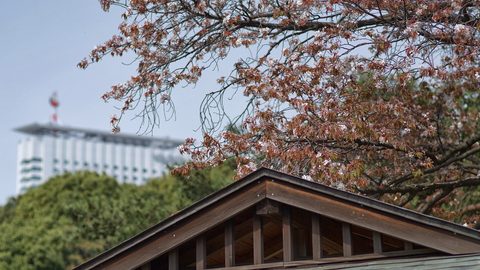 Best Time to Visit Tokyo Month by Month Tradeoffs
A month-by-month guide to visiting Tokyo, laying out the trade-off between weather, crowds, price, and what's actually open.
Best Time to Visit Tokyo Month by Month Tradeoffs
A month-by-month guide to visiting Tokyo, laying out the trade-off between weather, crowds, price, and what's actually open.
-
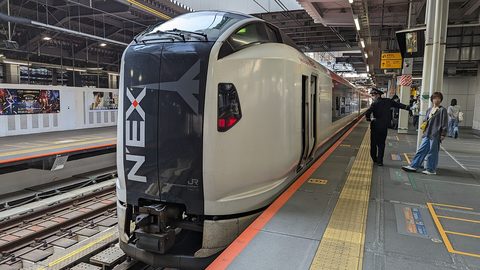 Getting Around Tokyo by Train Airport Transfers and IC Cards
A practical guide to Tokyo's rail network, covering airport transfers, IC cards, and how to avoid the station navigation mistakes that eat your day.
Getting Around Tokyo by Train Airport Transfers and IC Cards
A practical guide to Tokyo's rail network, covering airport transfers, IC cards, and how to avoid the station navigation mistakes that eat your day.
-
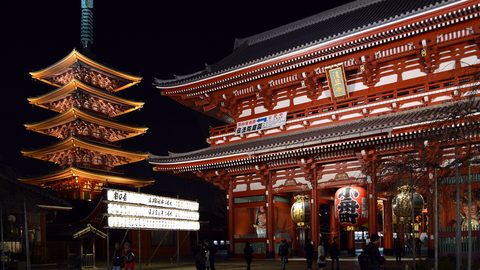 Senso-ji
 is free and never closes, but the experience at 6am with empty Nakamise stalls is nothing like the 11am crush under Kaminarimon. Here is when to go and what you get at each hour.
Senso-ji
Senso-ji is free and never closes, but the experience at 6am with empty Nakamise stalls is nothing like the 11am crush under Kaminarimon. Here is when to go and what you get at each hour.
-
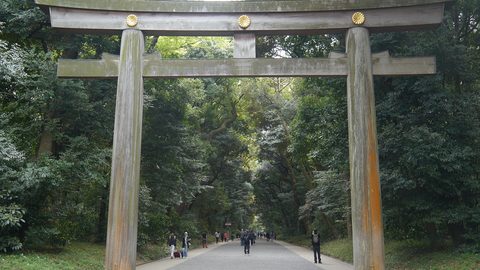 Meiji Jingu
The Meiji Jingu visit changes completely depending on which torii gate you enter. One drops you from Harajuku noise into sudden forest, the other builds quiet slowly from Yoyogi.
Meiji Jingu
The Meiji Jingu visit changes completely depending on which torii gate you enter. One drops you from Harajuku noise into sudden forest, the other builds quiet slowly from Yoyogi.
-
 teamLab
 Borderless and Planets are two different Tokyo venues with separate booking systems. Borderless tickets at Azabudai Hills sell in timed slots and the maze has no fixed route.
teamLab
teamLab Borderless and Planets are two different Tokyo venues with separate booking systems. Borderless tickets at Azabudai Hills sell in timed slots and the maze has no fixed route.