Strolling Yanaka Ginza and the Temple Cat Trails of Old Tokyo
Yanaka is the old Tokyo that survived, a neighbourhood of temple cemeteries, cat-themed shops, and slow lanes best walked without a checklist.
- Flag
-

- ISO code
- JP
- Currency
- JPY
- Timezone
- Asia/Tokyo
Strolling Yanaka Ginza and the Temple Cat Trails of Old Tokyo
Tokyo is a city of quiet, orderly neighbourhoods stitched together by relentless rail commutes, not a single coherent centre. First timers find the sheer scale and lack of street names harder than expected. The real magic sits in the mundane: perfectly engineered convenience stores and silent backstreets. Not just the neon. So how do you experience the old Tokyo shitamachi atmosphere without following a rigid sightseeing checklist? Stop treating Yanaka like a list of coordinates to tick off. Treat it like a place to disappear into.
Yanaka sits on the northern edge of the Musashino upland, roughly 20 metres above sea level. That elevation matters. During the 1923 Great Kanto Earthquake, building collapse rates here stayed below an estimated 5 percent. During Operation Meetinghouse, the firebombing of March 9 10 1945, less than an estimated 10 percent of the area burned. The elevated topography, the absence of military industrial targets nearby, and a prevailing wind that carried fire south and east away from the neighbourhood meant Yanaka survived while the rest of low lying Tokyo went up. The result is a grid of early Showa streetscapes that the bulldozers of the 1960s redevelopment boom never touched.
Start at JR Nippori Station, West Exit. That puts you at the top of the hill. You do not need a map. You do not need a checklist. You need the willingness to walk down a lane because it looks like it might dead end and then find that it opens into something you did not expect.
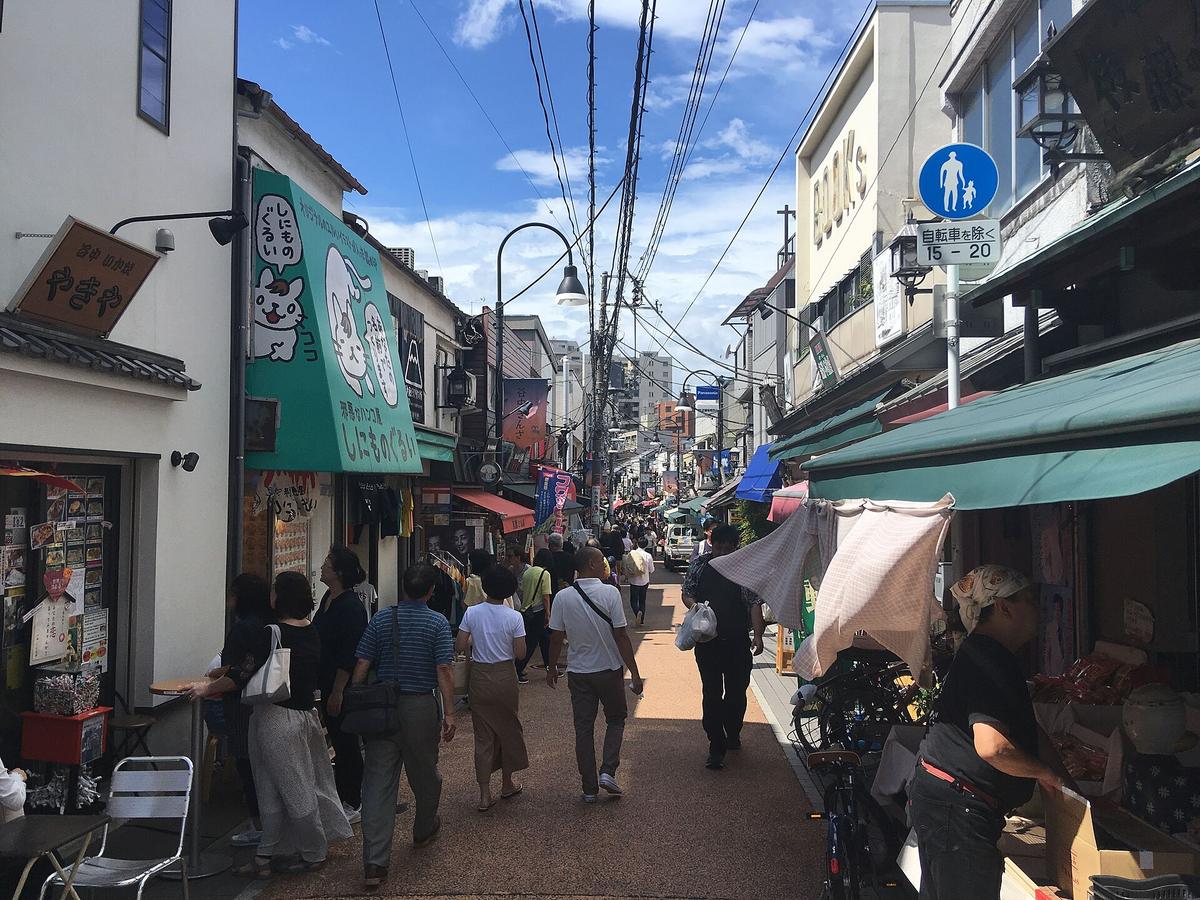

The Yanaka Ginza Shopping Street at Ground Level
The first thing you hit is Yanaka Ginza, a shopping street roughly 170 metres long with around 60 shops. The number changes annually; the Yanaka Ginza Shopping Street Promotion Association publishes the current count on yanakaginza.com. Do not expect a market hall or a covered arcade. This is a street of independent stalls selling deep fried croquettes, pickled vegetables, hand made brooms, and the kind of miso that comes from a barrel older than most modern buildings in Shinjuku.
Walk the length once without buying anything. Then walk it again with your hands free. The rhythm here is local. An old woman stops to chat with the tofu seller. A man in a work apron carries a tray of manju back to his shop. The street serves the people who live upstairs, not the people who arrived on the train. That is why it works.
Arrive by 09:00, before the lunch crowd, and you will see the delivery trucks unload. The street is most itself between 09:00 and 11:00. After that the groups arrive and the pace shifts from meander to shuffle. You want the first window.
Yuyake Dandan and the Temple Cemetery Walks
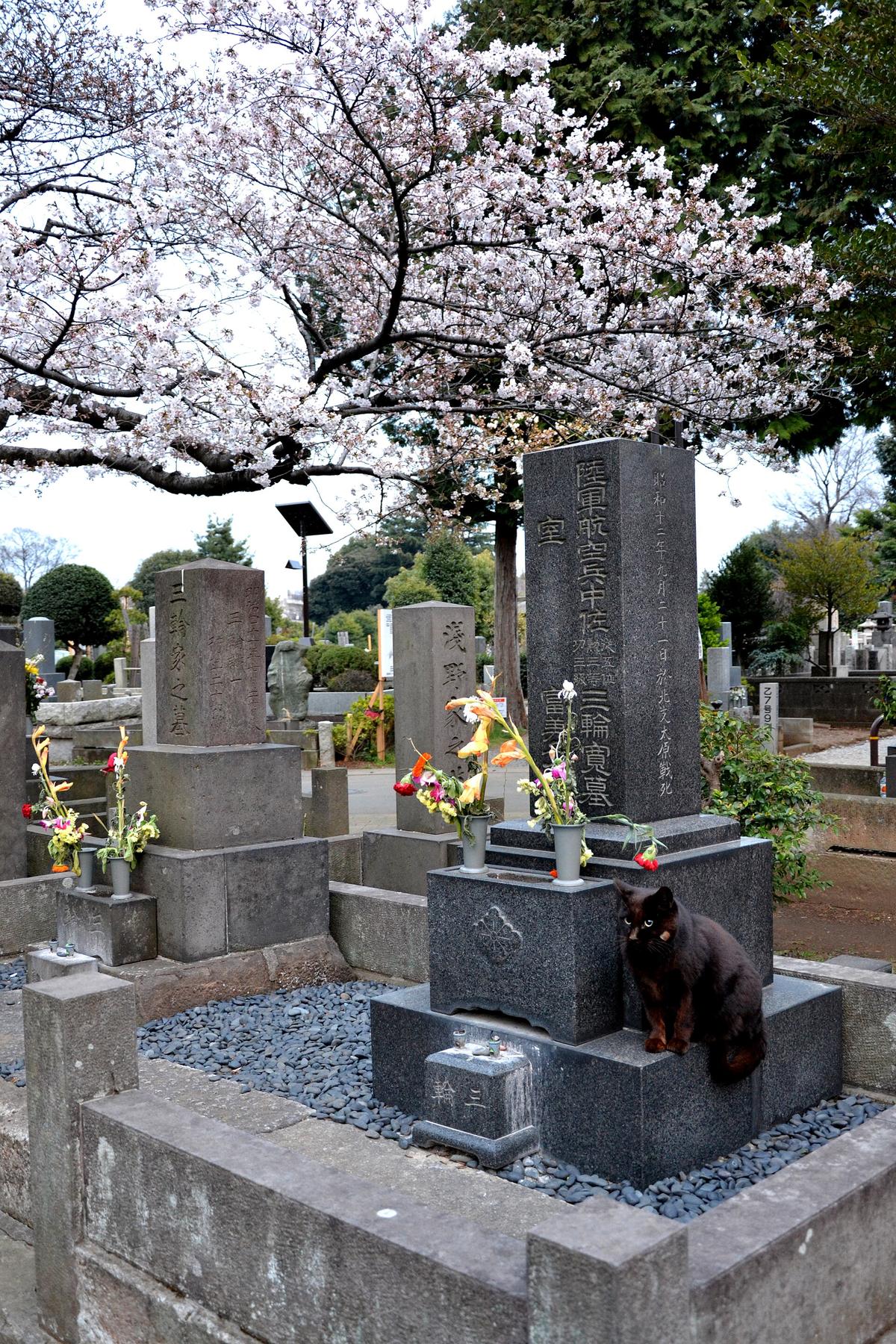
At the western end of Yanaka Ginza you hit Yuyake Dandan, a flight of 36 steps that face west. On a clear evening the sunset hits the steps directly. The name means sunset stairs. That is not a marketing slogan. It is a literal description. Stand at the top around 17:00 in late March or late November, the two peak seasons for cherry blossoms and autumn foliage when the Yanaka Cemetery cherry trees along Sakura dori are in full colour.
Yanaka Cemetery
The cemetery covers roughly 10 hectares and was established in 1874. It holds around 100 cherry trees, mostly Somei Yoshino, planted along Sakura dori. The last shogun, Tokugawa Yoshinobu, is buried here. Do not treat this as a gravesite tour. Treat it as a public park that happens to contain graves. Locals walk their dogs here. Office workers eat lunch on the benches. The trees are the main event.
Over 70 Temples in One Neighbourhood
Yanaka contains over 70 temples. The exact number varies as small temples merge or close. You will not visit them all and you should not try. Pick two. Tennoji Temple, founded in 1274, holds a 4.8 metre bronze seated Amida Buddha. Zenshoan Temple, founded in 1883, houses the Yurei ga ghost painting scroll collection, displayed annually in August. That is enough. The rest you find by turning down a path that looks like it leads to someone's back wall and finding a moss covered stone lantern instead.
Artisan Cat Shops and Kissaten Coffee
Stray cats have historically been drawn to the temple grounds and cemetery for shelter and food. That practical fact became a neighbourhood brand in the 1990s when manga artist Chiharu Sakazaki, creator of Yanaka no Neko, became active in the area. Today the Yanaka Ginza shopping street hosts over 10 cat themed shops, but that figure changes annually and the Yanaka Ginza Shopping Street Promotion Association tracks the real number on their site. Neko no Yu, a cat themed public bath, is the most famous. Skip the queue and look for the smaller ceramic studios where artists glaze cat shaped incense burners by hand.
You need a coffee break. The kissaten coffee shops of Yanaka are not third wave pour over labs. They are dark, smoke stained rooms where the owner has been pulling the same blend from the same machine since 1972. Kayaba Coffee, at the Nezu end of the walk, opened in 1938 and was restored in 2009. Order the mixed sandwich and a cup of their house blend. Sit at the counter. Do not take photos of the interior. That is not a rule written anywhere. It is the rule you follow if you want to be treated like a regular on the second visit.

The Walk That Takes 45 Minutes or 3 Hours
The standard walking route runs from JR Nippori Station West Exit to either Nezu Station or Sendagi Station on the Tokyo Metro Chiyoda Line. Key waypoints: Yanaka Ginza, Yuyake Dandan, Yanaka Cemetery, Tennoji Temple, Nezu Shrine. That is roughly 2.5 kilometres and takes 45 to 60 minutes without stops. Budget 2 to 3 hours with stops.
Nezu Shrine and the Azalea Garden
Nezu Shrine was founded in 1705 in the Gongen zukuri architectural style. Its azalea garden holds around 3,000 bushes across roughly 100 varieties, and the annual azalea festival runs from April to early May. That is a specific reason to visit in spring. For the rest of the year it is a quiet, elegant shrine compound worth 20 minutes of your time.
The Honest Note
No single landmark or UNESCO site sits here. The attraction is the aggregate of preserved early Showa streetscape and residential atmosphere. The Nezu Museum, a private pre modern art collection with a bamboo garden and teahouse, is a 10 minute walk south and worth the detour. But if you skip it and just walk the lanes for two hours you have not failed. You have done it right.
Other areas in Tokyo
- Akihabara
- Asakusa
- Ebisu
- Futako-tamagawa
- Ginza
- Harajuku
- Ikebukuro
- Jimbocho
- Jiyugaoka
- Kagurazaka
- Kichijoji
- Kiyosumi-Shirakawa
- Koenji
- Kuramae
- Marunouchi
- Nakameguro
- Nakano
- Nihonbashi
- Ningyocho
- Odaiba
- Omotesando and Aoyama
- Roppongi
- Ryogoku
- Sangenjaya
- Shibamata
- Shibuya
- Shimokitazawa
- Shin-Okubo
- Shinagawa
- Shinjuku
- Sugamo
- Takadanobaba
- Todoroki
- Tsukiji
- Tsukishima
- Ueno
- Yurakucho and Shinbashi
Common Questions
How much time should I budget for Yanaka?
The walking route takes 45 to 60 minutes without stops, 2 to 3 hours with stops. If you add a kissaten coffee break and the Nezu Museum, budget half a day. Do not try to combine it with Asakusa and Ueno on the same morning.
Is Yanaka good for solo travellers?
Yes. Solo explorers who thrive on anonymity will find Yanaka ideal. The pace is slow, the lanes are safe, and a solo diner at a kissaten counter or a single person eating a croquette on the steps is normal. No one will rush you.
What makes Yanaka different from Asakusa?
Asakusa has Senso ji temple and tourist rickshaws. Yanaka has no single anchor attraction. It is a residential district with surviving pre war streetscape. Asakusa was rebuilt after the war. Yanaka survived. The texture is in the lanes themselves, not the landmarks.
When should I avoid Yanaka?
Avoid Golden Week in late April to early May for domestic gridlock and mid August for oppressive humidity. New Year from December 29 to January 3 closes many independent shops and restaurants. Cherry blossom season in late March to early April is packed but worth the crowd.
Read next
-
 Tokyo Hotels by Type and Budget from Capsules to Luxury
Tokyo hotels organised by type and price band, from efficient capsule pods to full-service luxury towers, to help you book the right room.
Tokyo Hotels by Type and Budget from Capsules to Luxury
Tokyo hotels organised by type and price band, from efficient capsule pods to full-service luxury towers, to help you book the right room.
-
 Where to Stay in Tokyo by District and Travel Style
A comparison of Tokyo's major districts to help you choose the right base for your travel style, whether you want calm or chaos.
Where to Stay in Tokyo by District and Travel Style
A comparison of Tokyo's major districts to help you choose the right base for your travel style, whether you want calm or chaos.
-
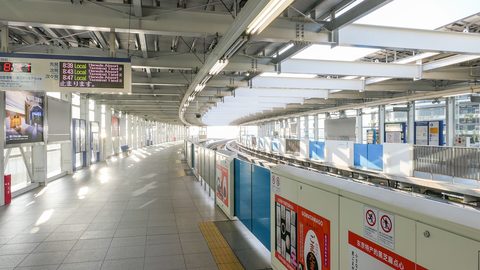 Narita or Haneda for Tokyo and What That Airport Choice Costs You
Narita or Haneda for Tokyo: compare door-to-district time, transfer cost, and what the wrong airport choice eats from your trip.
Narita or Haneda for Tokyo and What That Airport Choice Costs You
Narita or Haneda for Tokyo: compare door-to-district time, transfer cost, and what the wrong airport choice eats from your trip.
-
 Things to Do in Tokyo That Are Worth Your Limited Days
A curated list of Tokyo's highest-impact sights and experiences, from immersive art to quiet backstreets, to help you prioritise your days.
Things to Do in Tokyo That Are Worth Your Limited Days
A curated list of Tokyo's highest-impact sights and experiences, from immersive art to quiet backstreets, to help you prioritise your days.
-
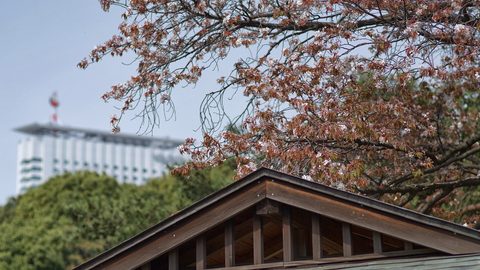 Best Time to Visit Tokyo Month by Month Tradeoffs
A month-by-month guide to visiting Tokyo, laying out the trade-off between weather, crowds, price, and what's actually open.
Best Time to Visit Tokyo Month by Month Tradeoffs
A month-by-month guide to visiting Tokyo, laying out the trade-off between weather, crowds, price, and what's actually open.
-
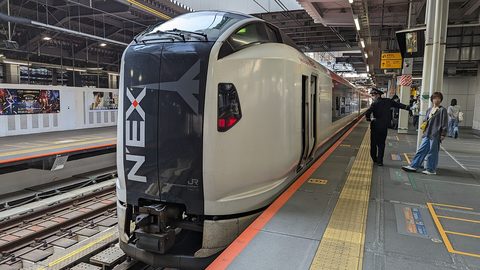 Getting Around Tokyo by Train Airport Transfers and IC Cards
A practical guide to Tokyo's rail network, covering airport transfers, IC cards, and how to avoid the station navigation mistakes that eat your day.
Getting Around Tokyo by Train Airport Transfers and IC Cards
A practical guide to Tokyo's rail network, covering airport transfers, IC cards, and how to avoid the station navigation mistakes that eat your day.
-
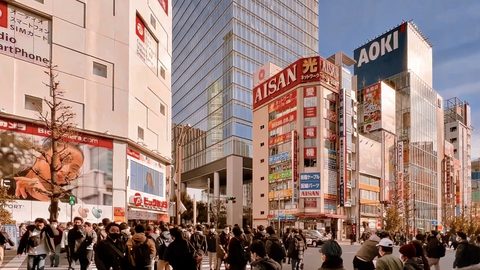 Akihabara
 Tokyo guide: electronics, anime, and arcades stacked floor by floor, from Radio Kaikan to the maid cafe touts.
Akihabara
Akihabara Tokyo guide: electronics, anime, and arcades stacked floor by floor, from Radio Kaikan to the maid cafe touts.
-
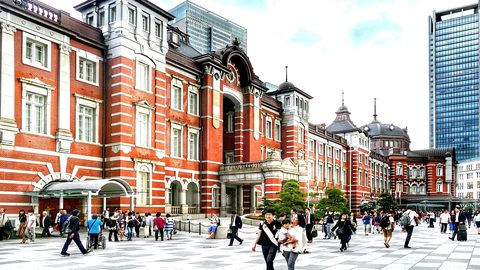 Marunouchi
Staying in Marunouchi puts you steps from Tokyo Station's Shinkansen platforms and Narita Express, trading nightlife buzz for unmatched rail connectivity and wide, quiet weekend boulevards.
Marunouchi
Staying in Marunouchi puts you steps from Tokyo Station's Shinkansen platforms and Narita Express, trading nightlife buzz for unmatched rail connectivity and wide, quiet weekend boulevards.
-
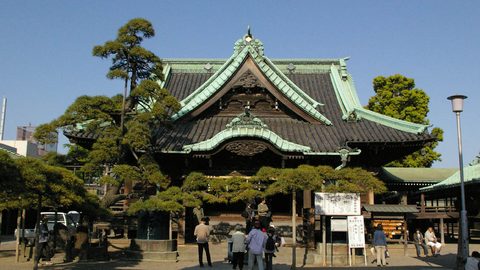 Shibamata
 preserves a 1950s Tokyo on its temple approach street, forever tied to the Tora-san film series and best visited for unagi and old-school snacks.
Shibamata
Shibamata preserves a 1950s Tokyo on its temple approach street, forever tied to the Tora-san film series and best visited for unagi and old-school snacks.