Hiking the Okutama Gorge and Mount Mitake Shrine in Western Tokyo
Tokyo's western edge holds Mount Mitake's summit shrine and the Okutama gorge, reached by the JR Ome Line for a real mountain day trip within the prefecture.
.jpg)
Hiking the Okutama Gorge and Mount Mitake Shrine in Western Tokyo
You can reach a 929-metre Shinto shrine above the clouds with an active summit community, a limestone cave cooled to 11 degrees Celsius, and a river gorge walking trail, all inside Tokyo prefecture. The JR Ome Line terminates at Okutama, 105 minutes and 1,170 yen from Shinjuku by direct Chuo Line service. The same line stops two stops earlier at Mitake, the access point for Mount Mitake's cable car. This is not a scenic overlook within the city limits. This is genuine mountain terrain. You need a full day for the combined traverse or a half day for a single destination.
Getting There by Train from Central Tokyo
Train Schedules and Fares
Board a JR Chuo Line train bound for Ome at Shinjuku. For Mount Mitake, ride 95 minutes to Mitake, fare 1,080 yen by IC card. For Okutama gorge, ride 105 minutes to the terminus at Okutama, fare 1,170 yen. Trains run roughly every 20 to 30 minutes, though frequency drops to hourly in midday periods.
The first weekday departure worth taking leaves Shinjuku at 05:02 and arrives Okutama at 06:47. The last return from Okutama to Shinjuku on a weekday departs at 20:19, arriving 22:09. From Mitake, the last weekday return departs at 21:17, arriving 22:54. Weekend schedules are similar; confirm the final departures at the information desk on the day. Seasonal timetable changes affect the last train.
If You Miss the Last Train
You have two options. Taxis from Okutama to the nearest JR stop with later service run infrequently and cost over 10,000 yen. The other option is a pre-booked hotel in the Okutama area; accommodation is limited, so book well ahead.
Mount Mitake and the Musashi-Mitake Shrine
Reaching the Summit
From Mitake, take the bus to the cable car lower terminal at Takimoto. The bus takes 5 minutes and costs 290 yen one way. Walking from the stop to the cable car takes 15 minutes on a paved uphill road. The Mitake Tozan Railway cable car operates every 30 minutes on the hour and half hour, with the first ascent at 07:30 from April to November and 08:00 from December to March. The one-way fare is 600 yen; a round trip costs 1,130 yen. The last descent departs at 18:30 in the warmer months and 17:30 in winter.
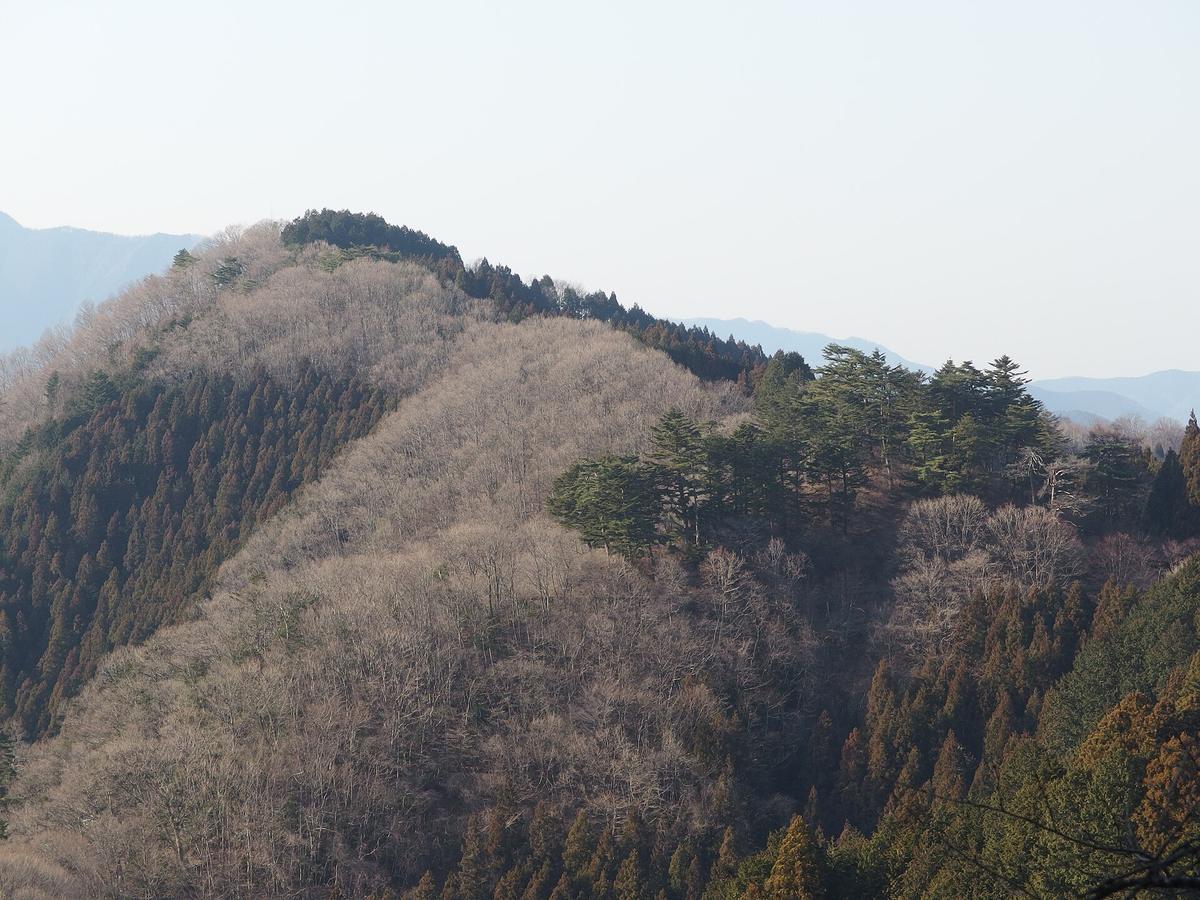
From the cable car upper terminal, walk 25 minutes on a maintained path to Musashi-Mitake Shrine, elevation 929 metres. The shrine sits at the summit plateau, which supports a small community of buildings including a few shops and vending machines. Limited supplies exist; carry water and food from the bottom.
Rock Garden Loop Trail
The Rock Garden loop trail starts near the shrine and covers approximately 3.5 kilometres. The loop takes 1.5 to 2 hours with an elevation change of about 150 metres. The trail passes Nanayo Falls and Ayahiro Falls, and includes wet, slippery rock sections. Hiking shoes or trail runners are mandatory, not optional. In winter months December through February, microspikes are recommended for shaded sections where ice persists.
Ridge Trail to Okutama
A ridge trail connects Mount Mitake to Okutama, approximately 12 kilometres with 600 metres of cumulative elevation gain. The walk takes 5 to 6 hours at a steady pace. This route eliminates backtracking: start at Mitake, ascend by cable car, visit the shrine, hike the Rock Garden loop, then follow the ridge to descend into Okutama. From there, you can walk the gorge or head directly to the train for the return to Tokyo. Carry rain gear year round. Summit temperatures run 5 to 8 degrees Celsius below Tokyo readings, so bring a light fleece or softshell even in summer.
Okutama Gorge and the Tama River Walk
The River Path
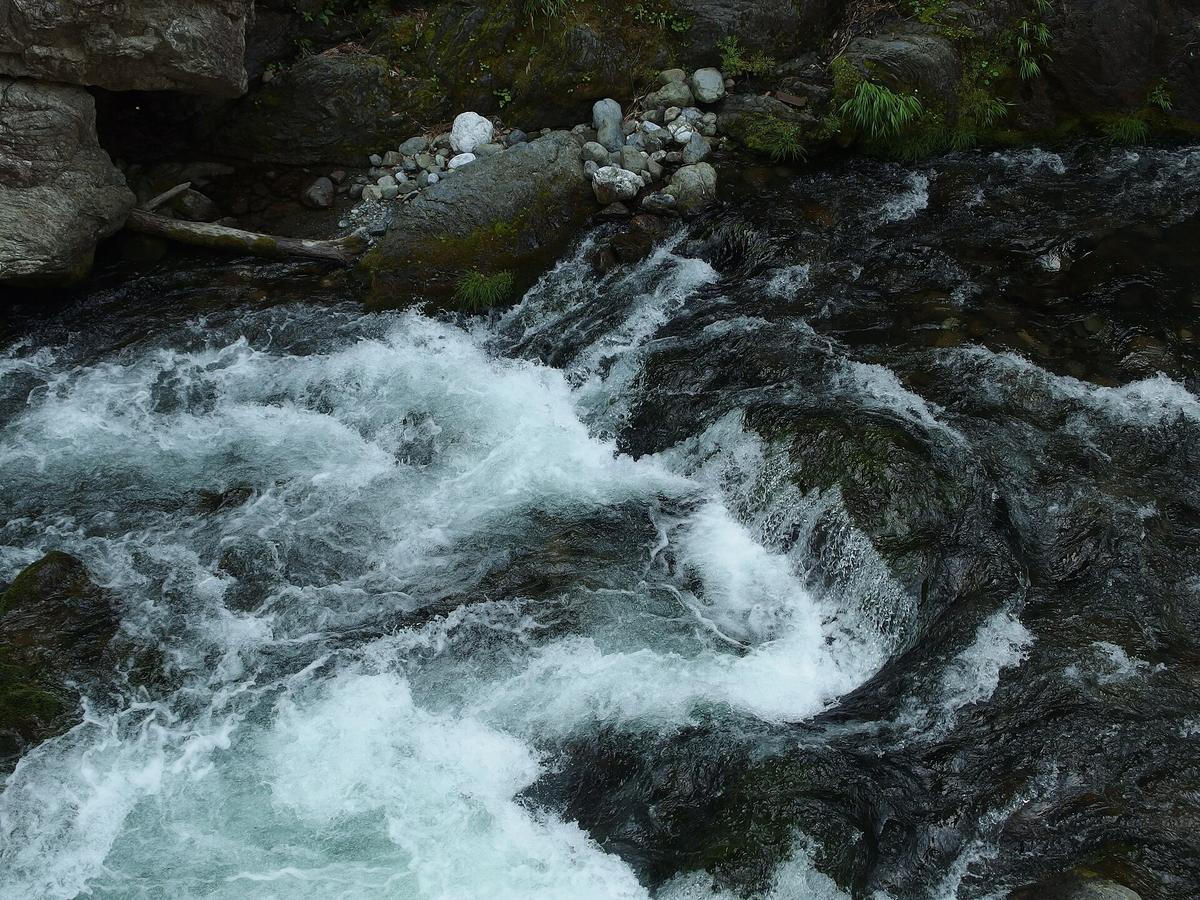
The Okutama gorge walking trail begins about 5 minutes on foot from JR Okutama. The path runs roughly 4 kilometres one way along the Tama River to Lake Okutama, taking about 1.5 hours. The lake sits behind the Ogouchi Dam at an elevation of 526.5 metres. The walk is relatively flat, follows the riverbank through dense forest, and requires no special footwear beyond sturdy walking shoes.
Adding the Nippara Cave
If you want a longer day, add the Nippara Shonyudo limestone cave. A bus from Okutama reaches the cave in about 35 minutes, one-way fare 1,000 yen. The cave stays at a constant 11 degrees Celsius year round. Admission costs 800 yen, with opening hours from 09:00 to 17:00 and last entry at 16:30. The bus schedule is sparse, typically one per hour, so check the return timetable before you board.
| Factor | Mount Mitake | Mount Takao |
|---|---|---|
| Elevation | 929 metres | 599 metres |
| Travel Time From Shinjuku | 95 minutes (Mitake) | 50 minutes (Keio Line) |
| Annual Visitors | Approx 1.5 million | Approx 3 million |
| Summit Facilities | Limited vending, small shops near shrine | Multiple restaurants, shops, monkey park |
| Trail System | Rock Garden loop + ridge trails, no numbered system | 8 numbered trails |
| Cable Car First Ascent | 07:30 (Apr-Nov), 08:00 (Dec-Mar) | 08:00 |
| Cable Car Last Descent | 18:30 (Apr-Nov), 17:30 (Dec-Mar) | 18:15 (varies by season) |
| Crowd Level | Moderate, notably quieter than Takao | High, can be congested on weekends |
.jpg)
Combined Route: the Mitake to Okutama Traverse
The combined route that connects Mitake to Okutama without backtracking is the best use of a full day. Start at Mitake, ride the cable car up, visit the shrine, hike the Rock Garden loop, then follow the ridge trail to descend into Okutama. The total walking distance is approximately 12 kilometres with 600 metres of cumulative gain, taking 5 to 6 hours. This drops you at Okutama for the 105-minute train back to Shinjuku.
This route suits experienced hikers with proper footwear and full water supplies. It does not suit casual strollers or anyone who wants to be back in central Tokyo by early afternoon. The last train from Okutama to Shinjuku departs at 20:19. That is a hard deadline. Start the first cable car up at 07:30 to give yourself margin.
What it Costs and How to Save
Per-Person Costs
A day trip to Mitake-only costs roughly 2,700 yen for the round-trip train from Shinjuku plus the cable car and bus. Okutama-only runs about 2,340 yen for the train. The combined traverse costs about 3,210 yen for train, bus, and cable car one way. These figures are per person with IC card fares.
Rail Passes That Help
The JR Tokyo Wide Pass, valid for 3 consecutive days at 15,000 yen for adults, covers the Ome Line to Okutama. You need five round trips Shinjuku to Okutama or an equivalent combination within three days to break even. The Seishun 18 Kippu, a 5-day pass costing 12,050 yen, also covers the Ome Line but is only sold in three seasonal windows: spring approximately March 1 to April 10, summer approximately July 20 to September 10, and winter approximately December 10 to January 10. These dates change annually; the official JR East website publishes the exact dates each season. If neither pass fits, pay by IC card and accept the cost.
Read next
-
 Tokyo Hotels by Type and Budget from Capsules to Luxury
Tokyo hotels organised by type and price band, from efficient capsule pods to full-service luxury towers, to help you book the right room.
Tokyo Hotels by Type and Budget from Capsules to Luxury
Tokyo hotels organised by type and price band, from efficient capsule pods to full-service luxury towers, to help you book the right room.
-
 Where to Stay in Tokyo by District and Travel Style
A comparison of Tokyo's major districts to help you choose the right base for your travel style, whether you want calm or chaos.
Where to Stay in Tokyo by District and Travel Style
A comparison of Tokyo's major districts to help you choose the right base for your travel style, whether you want calm or chaos.
-
 Narita or Haneda for Tokyo and What That Airport Choice Costs You
Narita or Haneda for Tokyo: compare door-to-district time, transfer cost, and what the wrong airport choice eats from your trip.
Narita or Haneda for Tokyo and What That Airport Choice Costs You
Narita or Haneda for Tokyo: compare door-to-district time, transfer cost, and what the wrong airport choice eats from your trip.
-
 Things to Do in Tokyo That Are Worth Your Limited Days
A curated list of Tokyo's highest-impact sights and experiences, from immersive art to quiet backstreets, to help you prioritise your days.
Things to Do in Tokyo That Are Worth Your Limited Days
A curated list of Tokyo's highest-impact sights and experiences, from immersive art to quiet backstreets, to help you prioritise your days.
-
 Best Time to Visit Tokyo Month by Month Tradeoffs
A month-by-month guide to visiting Tokyo, laying out the trade-off between weather, crowds, price, and what's actually open.
Best Time to Visit Tokyo Month by Month Tradeoffs
A month-by-month guide to visiting Tokyo, laying out the trade-off between weather, crowds, price, and what's actually open.
-
 Getting Around Tokyo by Train Airport Transfers and IC Cards
A practical guide to Tokyo's rail network, covering airport transfers, IC cards, and how to avoid the station navigation mistakes that eat your day.
Getting Around Tokyo by Train Airport Transfers and IC Cards
A practical guide to Tokyo's rail network, covering airport transfers, IC cards, and how to avoid the station navigation mistakes that eat your day.
-
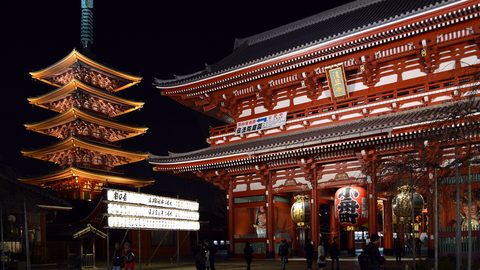 Senso-ji
 is free and never closes, but the experience at 6am with empty Nakamise stalls is nothing like the 11am crush under Kaminarimon. Here is when to go and what you get at each hour.
Senso-ji
Senso-ji is free and never closes, but the experience at 6am with empty Nakamise stalls is nothing like the 11am crush under Kaminarimon. Here is when to go and what you get at each hour.
-
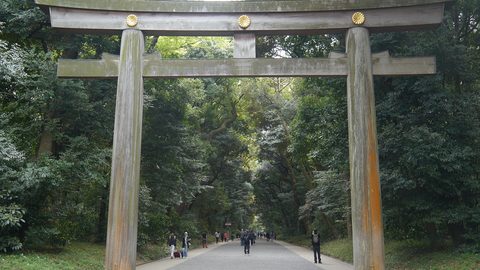 Meiji Jingu
The Meiji Jingu visit changes completely depending on which torii gate you enter. One drops you from Harajuku noise into sudden forest, the other builds quiet slowly from Yoyogi.
Meiji Jingu
The Meiji Jingu visit changes completely depending on which torii gate you enter. One drops you from Harajuku noise into sudden forest, the other builds quiet slowly from Yoyogi.
-
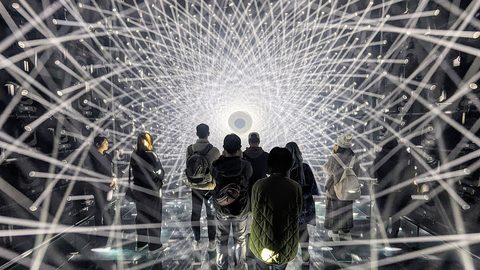 teamLab
 Borderless and Planets are two different Tokyo venues with separate booking systems. Borderless tickets at Azabudai Hills sell in timed slots and the maze has no fixed route.
teamLab
teamLab Borderless and Planets are two different Tokyo venues with separate booking systems. Borderless tickets at Azabudai Hills sell in timed slots and the maze has no fixed route.