Walking the Onogawa Canal in Sawara, Chiba's Little Edo
Sawara, Chiba's Little Edo, offers preserved merchant houses along the Onogawa Canal, a cartography museum, and a quiet alternative to Kawagoe from Tokyo.
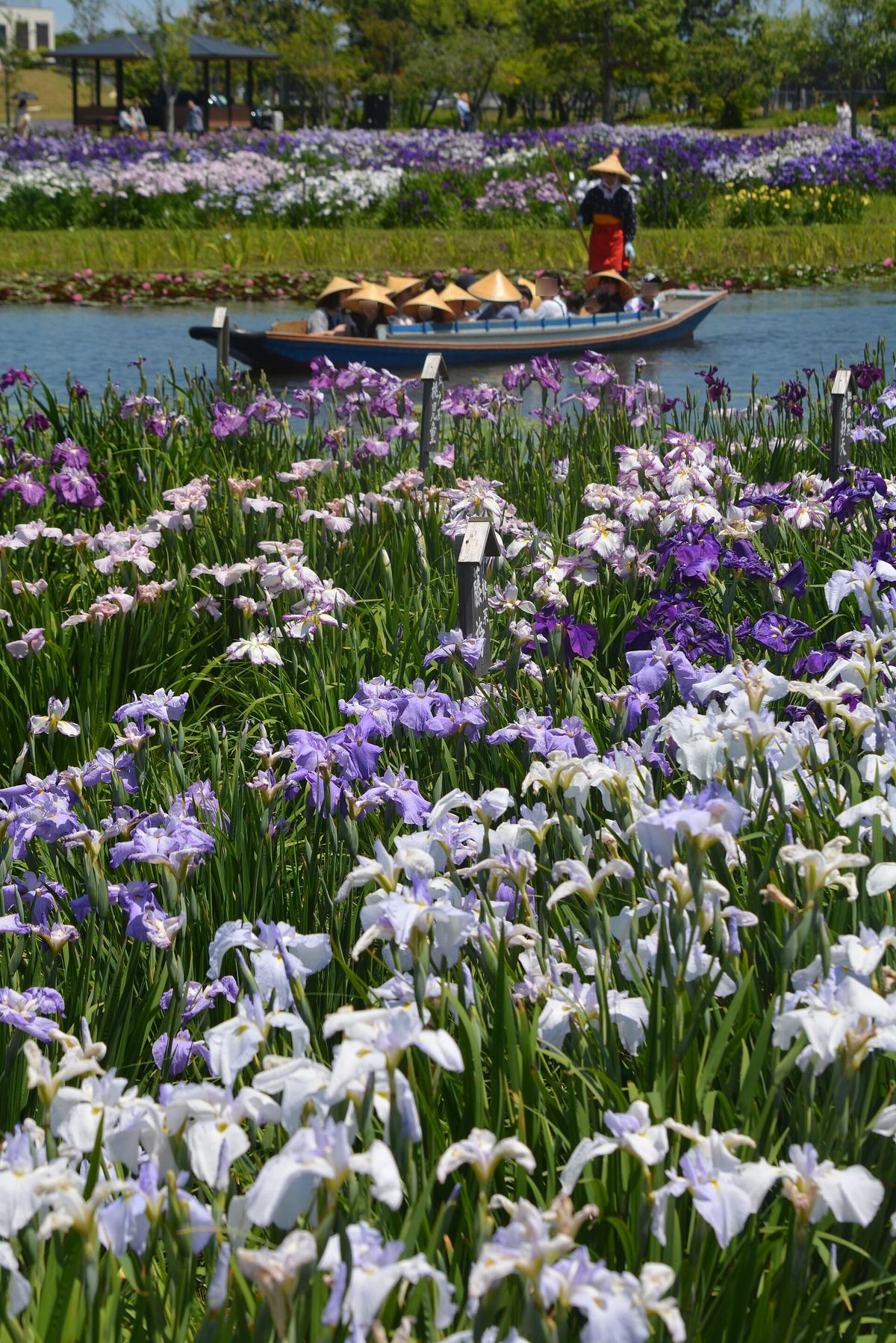

Why This Canal Town Beats the Obvious Day Trip
Kawagoe is the default Edo period day trip from Tokyo, and for most travellers it is the correct one. Half an hour from Ikebukuro, a single shopping street lined with kurazukuri warehouses, seven million visitors a year. The thing that is wrong with the town is that it feels like a theme park version of the Edo period: one curated block surrounded by suburban sprawl. Sawara, two hours east in Chiba Prefecture, is the alternative for repeat visitors who have already done that trip, or for anyone who wants canals and working water rather than a single pedestrianised street. Sawara draws roughly one million visitors a year on non-festival days, meaning you share the 1.2 kilometres of the Onogawa Canal with locals, not tour buses.
Getting There: Two Routes, One Right Call
You have two train options from Tokyo Station.
The Narita Route
Take the JR Sobu Narita Line Limited Express to Narita Station, then switch to a JR Narita Line local to Sawara Station. Total time is 1 hour 50 minutes to 2 hours 10 minutes.
The Kashima Route
Take the JR Joban Line to Katori Station, then the JR Kashima Line one stop to Sawara. That takes 2 hours to 2 hours 20 minutes. Both cost ¥2,310 one way in an unreserved seat. If you want a guaranteed seat on the Narita route, pay ¥3,000 to ¥3,500 for the reserved limited express.
Does The Rail Pass Help?
The JR Tokyo Wide Pass, ¥15,000 for three days, covers the trip but does not pay for itself on a Sawara round trip alone. You need it only if you are also hitting Nikko, Kawaguchiko, or another JR connected destination in the same window. The first useful weekday arrival from Tokyo is 08:24. The last departure back to Tokyo on weekdays and weekends is 20:47. Miss that, and you are looking at a taxi to Narita and the Keisei Skyliner home, which costs roughly ¥10,000.
Walking the Onogawa Canal and the Boat Ride
From Sawara Station, walk ten minutes south to the Ono River. The historic district runs along 1.2 kilometres of canal with roughly 30 surviving Edo and Meiji period merchant houses. Unlike Kawagoe, these are not all museums. Many are still lived in or operate as local shops selling pickles, soy sauce, and hand tools.
The Boat Ride
The boat ride is the main activity. The operator, run by the Katori City Tourism Association, runs 30 minute punted trips between March and November, 10:00 to 16:00, with hours shifting by season. The 2024 fare was ¥1,300 per adult; the Katori City Tourism Association website posts the current rate when the season opens. The ride is slow and flat, sliding under low bridges past wooden facades that hit the water directly. There is no narration in English. That is the point. You are not here for a script.
When The Boat Is Not Running
From December through February the boats stop entirely. On those months, walk the canal path instead. The district is quieter still, and the houses look the same from the bank. The failure case is arriving at 16:30 and finding the dock locked. Do the walk first, then the boat, because the boat queue builds by 11:00 on weekends.
Ino Tadataka: Why This Town Matters to Cartography Nerds
Sawara is the hometown of Ino Tadataka, the surveyor who completed the first accurate map of Japan by foot in 1821, three years after his death. The Ino Tadataka Memorial Museum at 1722-1 Sawara, Katori City, holds his instruments, hand drawn maps at 1:36,000 scale for coastlines and 1:216,000 for the full country, and the explanation of his triangulation and traverse surveying methods. Accuracy was within 0.1% of modern GPS readings on major coastlines. The museum opens 09:00 to 16:30, closed Mondays (or Tuesday if Monday is a holiday), and December 28 to January 4. Admission is ¥500. Give it 45 minutes unless you read Japanese, in which case give it 90. The museum is a ten minute walk from the canal district, so do it first before the boat ride, or slot it in during the gap when the boat has stopped.
Katori Jingu and the Festival Windows
Katori Jingu, four kilometres from Sawara Station, claims a founding date of 642 BC and enshrines Futsunushi no Kami, the deity of swords and martial arts. The main hall was rebuilt in 1700. The grounds cover seven hectares. Access is by bus from Sawara Station: 15 minutes, ¥300. A taxi takes 10 minutes and costs ¥1,500 to ¥2,000. The shrine is worth the detour only if you have more than four hours in Sawara, because it pulls you away from the canal district and the museum. Skip it if you are on a tight schedule.
Festival Dates
The Sawara Grand Festival runs twice a year. The summer edition is the Friday to Sunday containing July 10. The autumn edition is the Friday to Sunday after October 10. Twenty four floats up to seven metres tall and weighing four tons each are pulled through the narrow streets. UNESCO listed the festival in 2016 as part of the Yama, Hoko, Yatai float festivals designation. If you come on a festival weekend, Sawara is not quiet. It is shoulder to shoulder with huge crowds. That is the one time Sawara matches Kawagoe for crowd density. Go on a normal Saturday or a weekday instead.
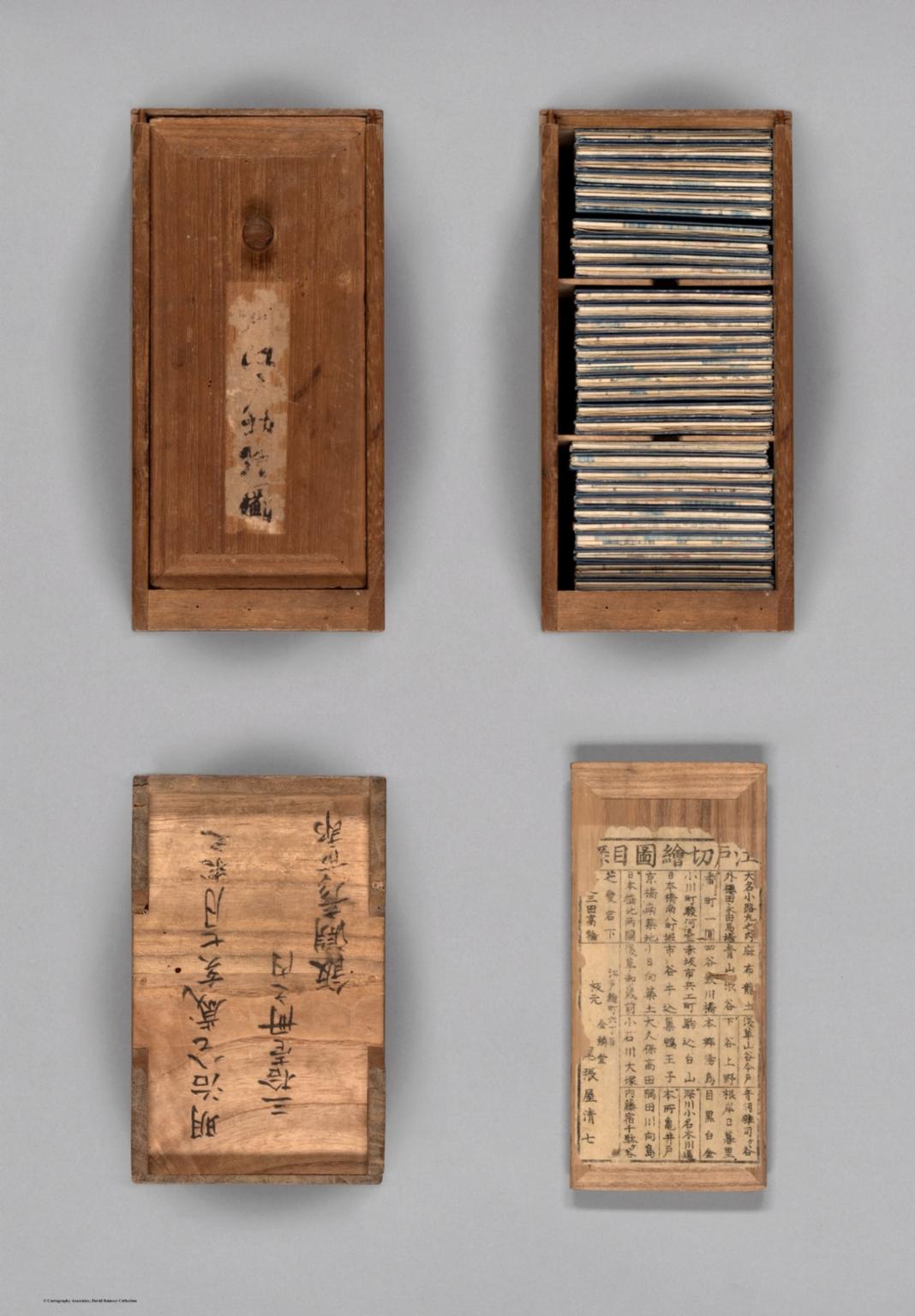
_Edo_kirie_zu_(Tokyo_area_maps_(IA_dr_covers-to-edo-kirie-zu-tokyo-area-maps-15059001).jpg)
Sawara vs Kawagoe: When to Pick Each
Pick Kawagoe if you have exactly four hours, want a compact walking route, and need a guaranteed meal at 14:00. Pick Sawara if you have the full day, have already done Kawagoe, care about cartographic history, or want to sit on a boat for half an hour. Kawagoe costs ¥480 one way from Ikebukuro and takes 30 minutes. Sawara costs ¥2,310 one way and takes up to two hours. That fare difference matters: Sawara is not a budget pick. It is a depth pick. The single most common mistake on this trip is assuming the boat runs year round. It does not. From December to February, the canal district is a pleasant walk but not a destination worth the round trip fare unless you are a genuine Ino Tadataka enthusiast. Check the Katori City Tourism Association website before you book the train.
Read next
-
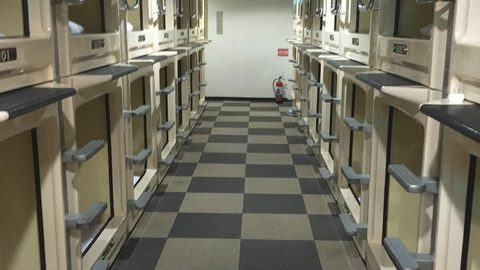
 Tokyo Hotels by Type and Budget from Capsules to Luxury
Tokyo hotels organised by type and price band, from efficient capsule pods to full-service luxury towers, to help you book the right room.
-
 Where to Stay in Tokyo by District and Travel Style
A comparison of Tokyo's major districts to help you choose the right base for your travel style, whether you want calm or chaos.
-
 Narita or Haneda for Tokyo and What That Airport Choice Costs You
Narita or Haneda for Tokyo: compare door-to-district time, transfer cost, and what the wrong airport choice eats from your trip.
-
 Things to Do in Tokyo That Are Worth Your Limited Days
A curated list of Tokyo's highest-impact sights and experiences, from immersive art to quiet backstreets, to help you prioritise your days.
-
 Best Time to Visit Tokyo Month by Month Tradeoffs
A month-by-month guide to visiting Tokyo, laying out the trade-off between weather, crowds, price, and what's actually open.
-
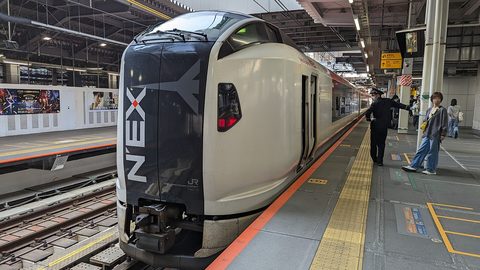 Getting Around Tokyo by Train Airport Transfers and IC Cards
A practical guide to Tokyo's rail network, covering airport transfers, IC cards, and how to avoid the station navigation mistakes that eat your day.
-
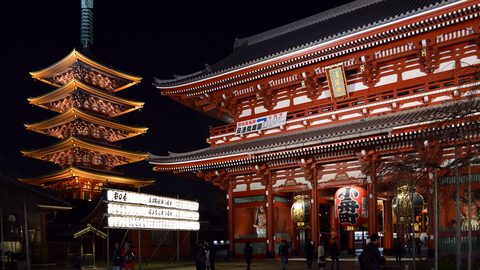 Senso-ji
 is free and never closes, but the experience at 6am with empty Nakamise stalls is nothing like the 11am crush under Kaminarimon. Here is when to go and what you get at each hour.
-
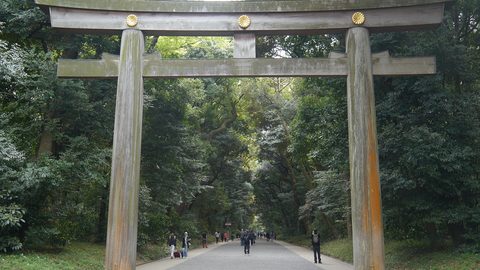 Meiji Jingu
The Meiji Jingu visit changes completely depending on which torii gate you enter. One drops you from Harajuku noise into sudden forest, the other builds quiet slowly from Yoyogi.
-
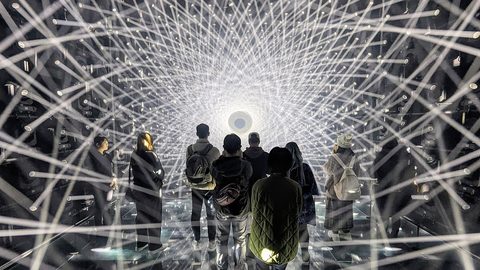 teamLab
 Borderless and Planets are two different Tokyo venues with separate booking systems. Borderless tickets at Azabudai Hills sell in timed slots and the maze has no fixed route.