Shinjuku Gyoen National Garden, a Regulated Calm Above the Chaos
Shinjuku Gyoen enforces strict no-alcohol rules and bag checks to maintain its engineered calm, making it the essential decompression chamber above Shinjuku Station's chaos.

Shinjuku Gyoen National Garden, a Regulated Calm Above the Chaos
You are standing in Shinjuku station and the noise is a physical thing. Ten million people move through this ward each day. The city has trained you to keep moving. What you need is a place that forces you to stop. Shinjuku Gyoen does exactly that, through a set of deliberate rules that other Tokyo parks do not enforce. The bag checks at the gate, the grounds-wide alcohol ban, the prohibition on sports equipment and amplified music. None of this is bureaucratic fuss. It is an engineered contract between you and the garden. Follow the rules and you get something rare: a landscape that cannot be colonised by a party, a kickabout, or a boozy picnic. In exchange for ¥500 and your compliance, you buy a silence that holds.
- Adult Entry Fee: ¥500
- Senior (65+): ¥250
- Student (Valid ID): ¥250
- Child (Junior High & Under): ¥0
- Opening Hours (Oct, Mar): 09:00-16:30 (gates close at 16:00)
- Opening Hours (Apr, Sep): 09:00-16:30 (gates close at 16:00)
- Opening Hours (Jul, Aug): 09:00-18:30 (gates close at 18:00)
- Weekly Closure: Monday; open Monday if it is a public holiday, then closed the following Tuesday or Wednesday
- Year-End Closure: 29 December, 3 January
- Alcohol Ban: Yes, strictly enforced across the entire garden
- No-Sports Rule: No ball games, jogging, exercise equipment, radios, or speakers
- Cherry Blossom Peak Entry: Advance timed-entry reservation required; specific dates set annually
- Greenhouse: Included in general admission
- Gates: Shinjuku Gate, Sendagaya Gate, Okido Gate
The Three Gardens Inside One Garden
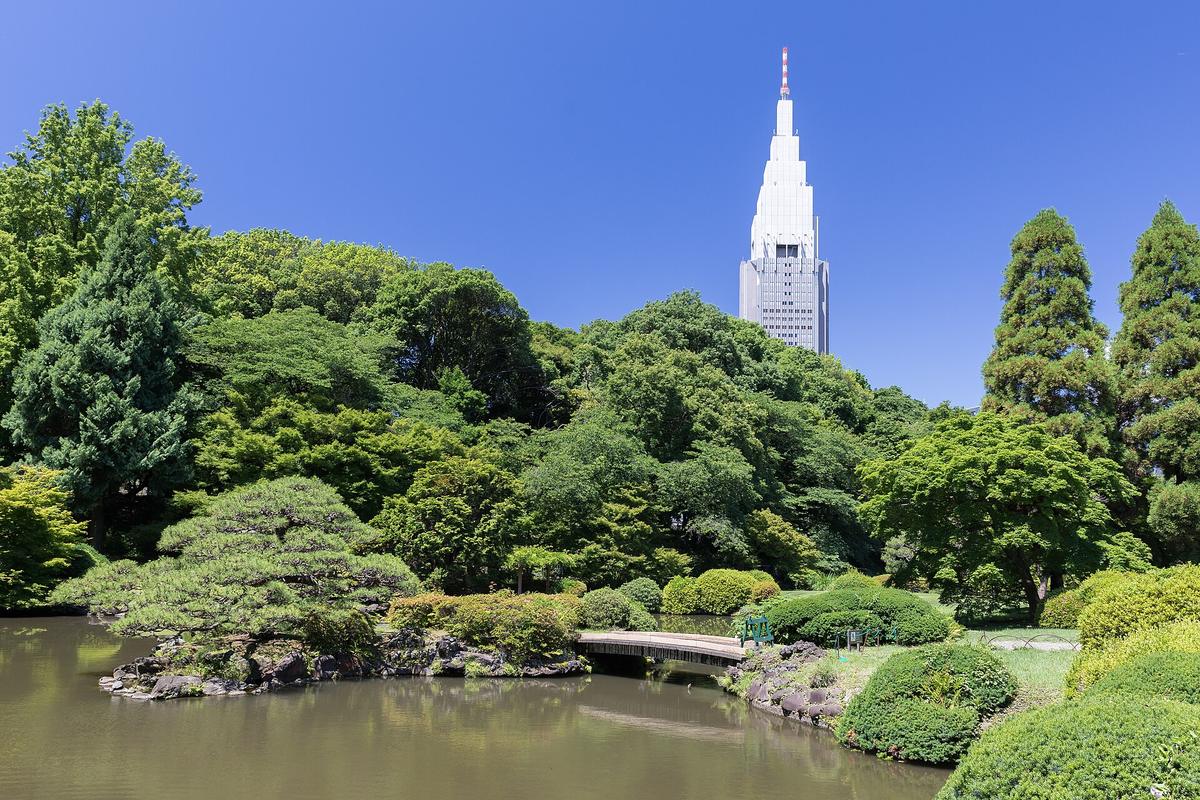
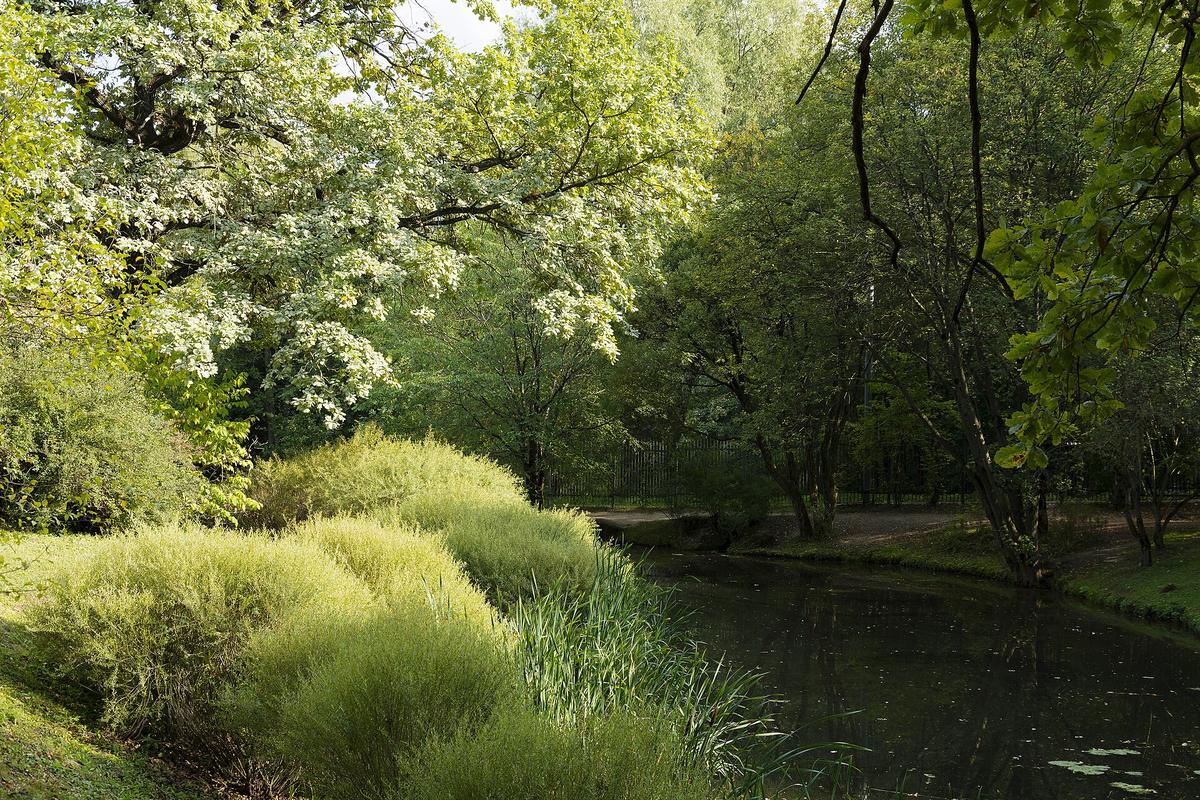
The design of Shinjuku Gyoen is a deliberate collision of three landscape traditions, each laid out on its own axis. The Japanese Landscape Garden occupies the east and southeast sections, built around a large pond with islands, bridges, and a historic teahouse. The Taiwan Pavilion, Goryotei, sits on its south side, built in 1927 as a gift from Taiwan. Walk west and you hit the Formal French Garden, aligned on the axis of the former imperial greenhouse. This is the most orderly part: symmetrical flower beds, manicured hedges, a geometry that demands you slow your pace. The English Landscape Garden wraps around the central lawn in the northwest, with wide open grass, winding paths, and clusters of trees designed to look natural. Three different walks, three different speeds. One ticket.
Cherry Blossom and Autumn Foliage Without the Carnage
Shinjuku Gyoen holds roughly 65 varieties of cherry tree, approximately 900 in total. Because the varieties bloom at different points between mid-March and late April, you can visit across a six-week window and find something flowering. That alone justifies the entry fee during peak season. Outside parks like Ueno, the cherry blossom experience is a crowd crush on a tarp with cheap convenience store beer. Here, the beer is banned and the tarp is discouraged. What you get instead is a quiet walk under weeping cherry branches, with space to stop and look up.
Where To Stand For Blossom
Enter through Okido Gate. It is the closest gate to the main cherry tree area, and it lets you hit the Japanese Garden before the midday tour buses arrive from Shinjuku Gate. Aim for the grassy slope in the English Garden section for a broad view of the canopy. For autumn foliage, the maple trees near the greenhouse and along the stream in the Japanese Garden turn in late November. The greenhouse itself, restored and reopened in 2012, offers tropical greenery year round and costs nothing extra.
When To Go To Avoid The Queue
Peak cherry blossom season requires an advance timed-entry reservation, with specific dates announced annually. Book the earliest slot, 09:00, and arrive at the gate by 08:45. You will walk in ahead of the line. Off peak, arrive at 09:00 on a Tuesday. The Monday closure means the garden is freshest on its first open day of the week, and Tuesday morning is the quietest block across all seasons. Skip weekends entirely unless you enjoy queuing for the privilege of paying.
What to Pack and What to Leave Behind
The bag check at every gate is not theatre. Guards look for alcohol bottles, cans, portable speakers, sports balls, yoga mats, kites, frisbees. Leave them at your hotel. You are permitted a standard backpack with water, snacks, a book, and a camera. The rule against radios and speakers means the only sound on the English Lawn is wind and birds. Pack a light blanket if you want to sit on the grass, but keep it small. Large picnic setups with cool boxes and folding chairs attract a quiet word from staff and will get you asked to move.
Bring ¥500 in coins. The ticket machines at Shinjuku Gate and Sendagaya Gate accept cash only. Card payments are not available at the entry gates. If you have a Suica or Pasmo IC card, you cannot use it to pay entry here. Cash is the rule.
Why The Rules Matter More Here Than Elsewhere
Shinjuku Gyoen sits directly above the most intense ward in Tokyo. The chaos of Kabukicho and the station labyrinth are a ten minute walk east. This is not a neighbourhood park where locals walk dogs and children scream on swings. It is a decompression chamber. The friction at the gate, the cash only sign, the list of banned items, is what guarantees that what you find inside is calm rather than carnage. Other parks in Tokyo do not enforce these rules with this consistency. That is why this garden works and those parks do not, for this purpose.

| Gate Name | Best For | Closest Landmark | Post-Visit Move |
|---|---|---|---|
| Shinjuku Gate (新宿門) | Quickest from Shinjuku Station (10 min walk) | Shinjuku Station East Exit | Head into the high-rise district for lunch |
| Sendagaya Gate (千駄ヶ谷門) | Nearest to the French Garden and Greenhouse | Sendagaya Station (JR Chuo-Sobu Line) | Walk north to Meiji Jingu Shrine |
| Okido Gate (大木戸門) | Cherry blossom season, closest to main tree area | None; residential street | Loop south through the Japanese Garden and exit via Shinjuku Gate |
Common Questions
Can I bring food into Shinjuku Gyoen?
Yes. Snacks and non-alcoholic drinks are allowed. Pack a small blanket for the grass. Leave alcohol, sports equipment, radios, and large cool boxes at your hotel or the staff will stop you at the bag check.
What happens if I arrive during cherry blossom peak without a reservation?
You will be turned away at the gate. The garden requires advance timed-entry reservation during peak season, with specific dates published annually. Book the earliest slot and arrive 15 minutes before your window.
Is the greenhouse worth adding to my visit?
Yes, and it costs nothing extra. The restored greenhouse, reopened in 2012, sits inside the French Garden section. Budget 20 minutes. It is a good refuge if rain starts or if you want contrast with the outdoor landscape.
Which gate should I use for the quietest experience?
Sendagaya Gate. Shinjuku Gate handles the bulk of tour groups. Sendagaya Gate feeds directly into the French Garden, which is less crowded than the Japanese Garden and the central lawn. Arrive at 09:00 on a Tuesday.
Read next
-
 Tokyo Hotels by Type and Budget from Capsules to Luxury
Tokyo hotels organised by type and price band, from efficient capsule pods to full-service luxury towers, to help you book the right room.
Tokyo Hotels by Type and Budget from Capsules to Luxury
Tokyo hotels organised by type and price band, from efficient capsule pods to full-service luxury towers, to help you book the right room.
-
 Where to Stay in Tokyo by District and Travel Style
A comparison of Tokyo's major districts to help you choose the right base for your travel style, whether you want calm or chaos.
Where to Stay in Tokyo by District and Travel Style
A comparison of Tokyo's major districts to help you choose the right base for your travel style, whether you want calm or chaos.
-
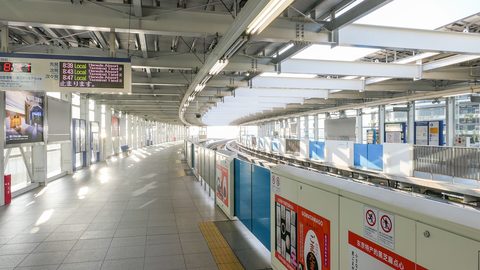 Narita or Haneda for Tokyo and What That Airport Choice Costs You
Narita or Haneda for Tokyo: compare door-to-district time, transfer cost, and what the wrong airport choice eats from your trip.
Narita or Haneda for Tokyo and What That Airport Choice Costs You
Narita or Haneda for Tokyo: compare door-to-district time, transfer cost, and what the wrong airport choice eats from your trip.
-
 Things to Do in Tokyo That Are Worth Your Limited Days
A curated list of Tokyo's highest-impact sights and experiences, from immersive art to quiet backstreets, to help you prioritise your days.
Things to Do in Tokyo That Are Worth Your Limited Days
A curated list of Tokyo's highest-impact sights and experiences, from immersive art to quiet backstreets, to help you prioritise your days.
-
 Best Time to Visit Tokyo Month by Month Tradeoffs
A month-by-month guide to visiting Tokyo, laying out the trade-off between weather, crowds, price, and what's actually open.
Best Time to Visit Tokyo Month by Month Tradeoffs
A month-by-month guide to visiting Tokyo, laying out the trade-off between weather, crowds, price, and what's actually open.
-
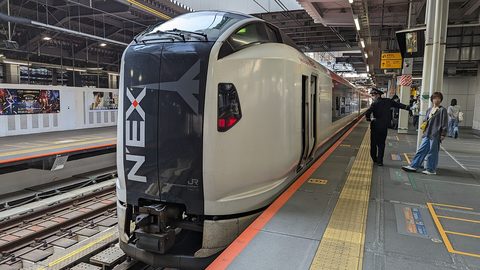 Getting Around Tokyo by Train Airport Transfers and IC Cards
A practical guide to Tokyo's rail network, covering airport transfers, IC cards, and how to avoid the station navigation mistakes that eat your day.
Getting Around Tokyo by Train Airport Transfers and IC Cards
A practical guide to Tokyo's rail network, covering airport transfers, IC cards, and how to avoid the station navigation mistakes that eat your day.
-
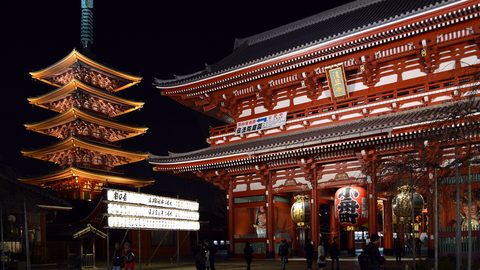 Senso-ji
 is free and never closes, but the experience at 6am with empty Nakamise stalls is nothing like the 11am crush under Kaminarimon. Here is when to go and what you get at each hour.
Senso-ji
Senso-ji is free and never closes, but the experience at 6am with empty Nakamise stalls is nothing like the 11am crush under Kaminarimon. Here is when to go and what you get at each hour.
-
 Meiji Jingu
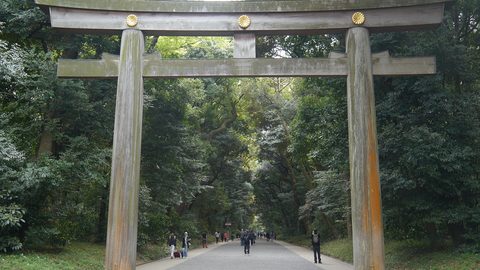
The Meiji Jingu visit changes completely depending on which torii gate you enter. One drops you from Harajuku noise into sudden forest, the other builds quiet slowly from Yoyogi.
Meiji Jingu
The Meiji Jingu visit changes completely depending on which torii gate you enter. One drops you from Harajuku noise into sudden forest, the other builds quiet slowly from Yoyogi.
-
 teamLab
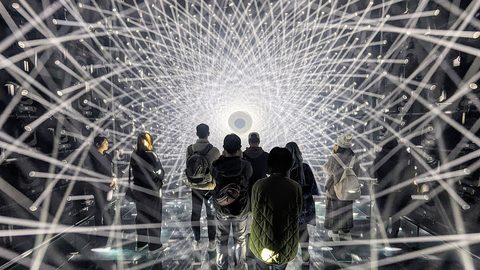
 Borderless and Planets are two different Tokyo venues with separate booking systems. Borderless tickets at Azabudai Hills sell in timed slots and the maze has no fixed route.
teamLab
teamLab Borderless and Planets are two different Tokyo venues with separate booking systems. Borderless tickets at Azabudai Hills sell in timed slots and the maze has no fixed route.