How to Get Sumo Tickets in Tokyo and See the Sport the Rest of the Year
Sumo tickets at Tokyo's Ryogoku Kokugikan require navigating a lottery system, and stable practice viewings fill the gaps between the three annual tournaments.

Sumo Tickets in Tokyo: the One Way That Works
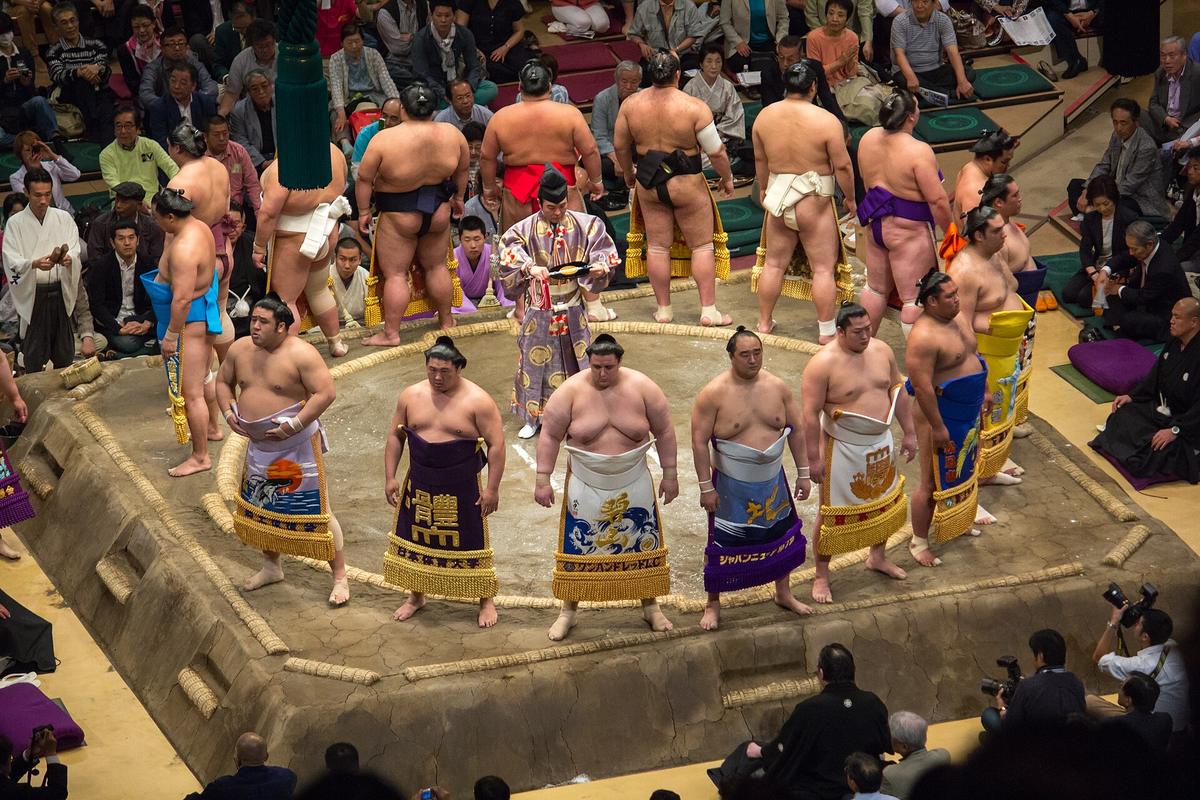
You want to buy a sumo tournament tokyo tickets but the Japan Sumo Association lottery system looks like a maze, and the resale market feels like a trap. The short answer: book through the official JSA ticket site about one month before the basho, or show up at Ryogoku Kokugikan box office on the day for a limited number of unreserved seats. That is the only route that reliably gets you in at a fair price.
Tokyo hosts only three tournaments per year: January (8-24 January 2027), May (8-22 May 2027), and September (11-25 September 2027). All three take place at Ryogoku Kokugikan in Sumida, capacity 11,098. The arena fills fastest on opening day (Day 1), closing day (Day 15), and any weekend. Upper-tier weekday seats sell within hours. Ringside tamari cushion seats at ¥50,000 (2026 price) vanish first. The cheapest advance reserved seat cost ¥3,800 in 2026. Both figures change annually; the JSA publishes the current pricing on their ticket site roughly a month before each basho.
If the JSA site is sold out, your backup is the same-day general admission unreserved upper-tier seat. Roughly 400 of these go on sale each morning at the Kokugikan ticket windows starting around 7:45-8:00. They cost ¥2,500-¥3,800 (2026 range). Arrive by 7:00 to queue. Doors open at 8:00, lower-division bouts start at 8:30, top division fights start around 16:00, and the final bout ends near 18:00. You will spend the whole day inside. Bring a cushion, snacks, and patience for the lower ranks.
The Seating Tiers and What Each Costs
The arena has three main seating types. Tamari are cushion seats on the floor, ringside, the most expensive category. Masu are Japanese-style boxes for 2-4 people, set back from the ring. Isu are Western-style balcony chairs, cheaper and elevated. The cheapest advance reserved seat in 2026 was ¥3,800. The most expensive ringside seat in 2026 was ¥50,000. These prices are set by the JSA and shift each year.
Same-day general admission seats are unreserved and go for ¥2,500-¥3,800 in 2026. You sit in the upper tier, not on the floor. For the same price as the cheapest advance seat, you get a worse view but a lower risk of missing the event entirely. Wednesday and Thursday are your best bet for availability. Saturday and Sunday sell out before the JSA site even opens.
What You Miss By Buying Third-Party
Third-party ticket resellers exist. They charge 2-3 times face value. The JSA does not endorse them. You risk buying a ticket that is already cancelled or that belongs to a Japanese member who cannot transfer it legally. The official JSA ticket site, convenience store kiosks, and the Kokugikan box office are the only legitimate channels. Use them.
The Sumo Neighbourhood Outside Basho Season
If your dates miss all three Tokyo basho, you have three options. One: attend a regional basho in Osaka (March), Nagoya (July), or Fukuoka (November). Two: see a morning practice at a sumo stable (heya) in Ryogoku. Three: visit the free Ryogoku Sumo Museum at Kokugikan.
Morning Practice: What You Need To Know
Sumo stables hold morning practice from roughly 6:00 to 10:00, though times vary per stable. Viewing is not a drop-in activity. You must arrange it through an approved guide or directly with the stable. The rules are strict: silent observation only, no flash photography, sit on the floor or provided seating, do not stand, do not enter the training ring, do not speak to wrestlers during practice. Break any of those and you will be asked to leave, possibly banned. Book at least two weeks ahead. A guide who does this regularly is worth the fee.
The Ryogoku Sumo Museum
The museum is inside Kokugikan and is free. Hours are 10:00-16:30. It is closed on weekends and holidays. It covers sumo history, costume, and tournament records. You can see it in 45 minutes. It is a good fallback if practice viewings are full or your dates land on a non-basho weekday.
Chanko-Nabe After The Arena
Chanko-nabe is the hot pot stew sumo wrestlers eat to gain weight. It is a chicken, miso, soy sauce, or salt broth base with common ingredients like chicken, tofu, cabbage, leek, mushrooms, noodles, and rice. Restaurants serving it cluster around Ryogoku station. You do not need a sumo ticket to eat it. Go for lunch or dinner on any day. Most places have an English menu or picture ordering.

Read next
-
 Tokyo Hotels by Type and Budget from Capsules to Luxury
Tokyo hotels organised by type and price band, from efficient capsule pods to full-service luxury towers, to help you book the right room.
Tokyo Hotels by Type and Budget from Capsules to Luxury
Tokyo hotels organised by type and price band, from efficient capsule pods to full-service luxury towers, to help you book the right room.
-
 Where to Stay in Tokyo by District and Travel Style
A comparison of Tokyo's major districts to help you choose the right base for your travel style, whether you want calm or chaos.
Where to Stay in Tokyo by District and Travel Style
A comparison of Tokyo's major districts to help you choose the right base for your travel style, whether you want calm or chaos.
-
 Narita or Haneda for Tokyo and What That Airport Choice Costs You
Narita or Haneda for Tokyo: compare door-to-district time, transfer cost, and what the wrong airport choice eats from your trip.
Narita or Haneda for Tokyo and What That Airport Choice Costs You
Narita or Haneda for Tokyo: compare door-to-district time, transfer cost, and what the wrong airport choice eats from your trip.
-
 Things to Do in Tokyo That Are Worth Your Limited Days
A curated list of Tokyo's highest-impact sights and experiences, from immersive art to quiet backstreets, to help you prioritise your days.
Things to Do in Tokyo That Are Worth Your Limited Days
A curated list of Tokyo's highest-impact sights and experiences, from immersive art to quiet backstreets, to help you prioritise your days.
-
 Best Time to Visit Tokyo Month by Month Tradeoffs
A month-by-month guide to visiting Tokyo, laying out the trade-off between weather, crowds, price, and what's actually open.
Best Time to Visit Tokyo Month by Month Tradeoffs
A month-by-month guide to visiting Tokyo, laying out the trade-off between weather, crowds, price, and what's actually open.
-
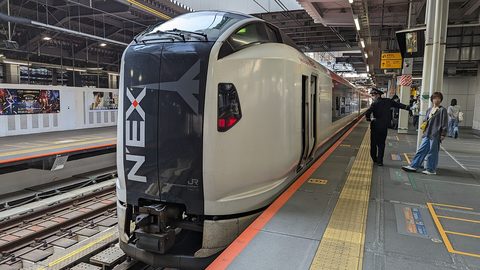 Getting Around Tokyo by Train Airport Transfers and IC Cards
A practical guide to Tokyo's rail network, covering airport transfers, IC cards, and how to avoid the station navigation mistakes that eat your day.
Getting Around Tokyo by Train Airport Transfers and IC Cards
A practical guide to Tokyo's rail network, covering airport transfers, IC cards, and how to avoid the station navigation mistakes that eat your day.
-
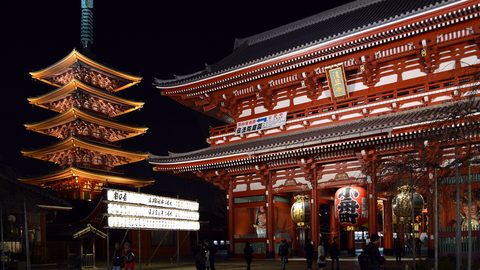 Senso-ji
 is free and never closes, but the experience at 6am with empty Nakamise stalls is nothing like the 11am crush under Kaminarimon. Here is when to go and what you get at each hour.
Senso-ji
Senso-ji is free and never closes, but the experience at 6am with empty Nakamise stalls is nothing like the 11am crush under Kaminarimon. Here is when to go and what you get at each hour.
-
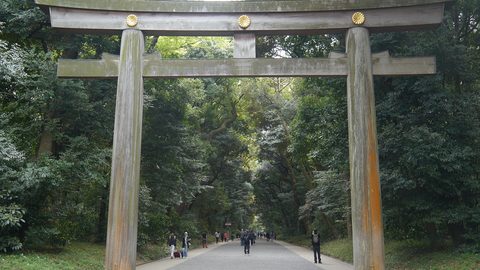 Meiji Jingu
The Meiji Jingu visit changes completely depending on which torii gate you enter. One drops you from Harajuku noise into sudden forest, the other builds quiet slowly from Yoyogi.
Meiji Jingu
The Meiji Jingu visit changes completely depending on which torii gate you enter. One drops you from Harajuku noise into sudden forest, the other builds quiet slowly from Yoyogi.
-
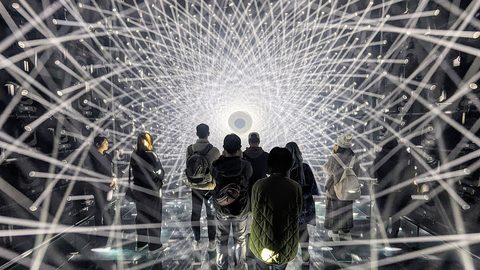 teamLab
 Borderless and Planets are two different Tokyo venues with separate booking systems. Borderless tickets at Azabudai Hills sell in timed slots and the maze has no fixed route.
teamLab
teamLab Borderless and Planets are two different Tokyo venues with separate booking systems. Borderless tickets at Azabudai Hills sell in timed slots and the maze has no fixed route.