Ryogoku, Eating Chanko Nabe in Tokyo's Sumo Heartland
Ryogoku is Tokyo's sumo town, where the giant Kokugikan arena sets the stage and wrestler-founded restaurants serve the hearty chanko nabe that fuels the sport.
- Flag
-
- ISO code
- JP
- Currency
- JPY
- Timezone
- Asia/Tokyo
Ryogoku, Eating Chanko Nabe in Tokyo’s Sumo Heartland
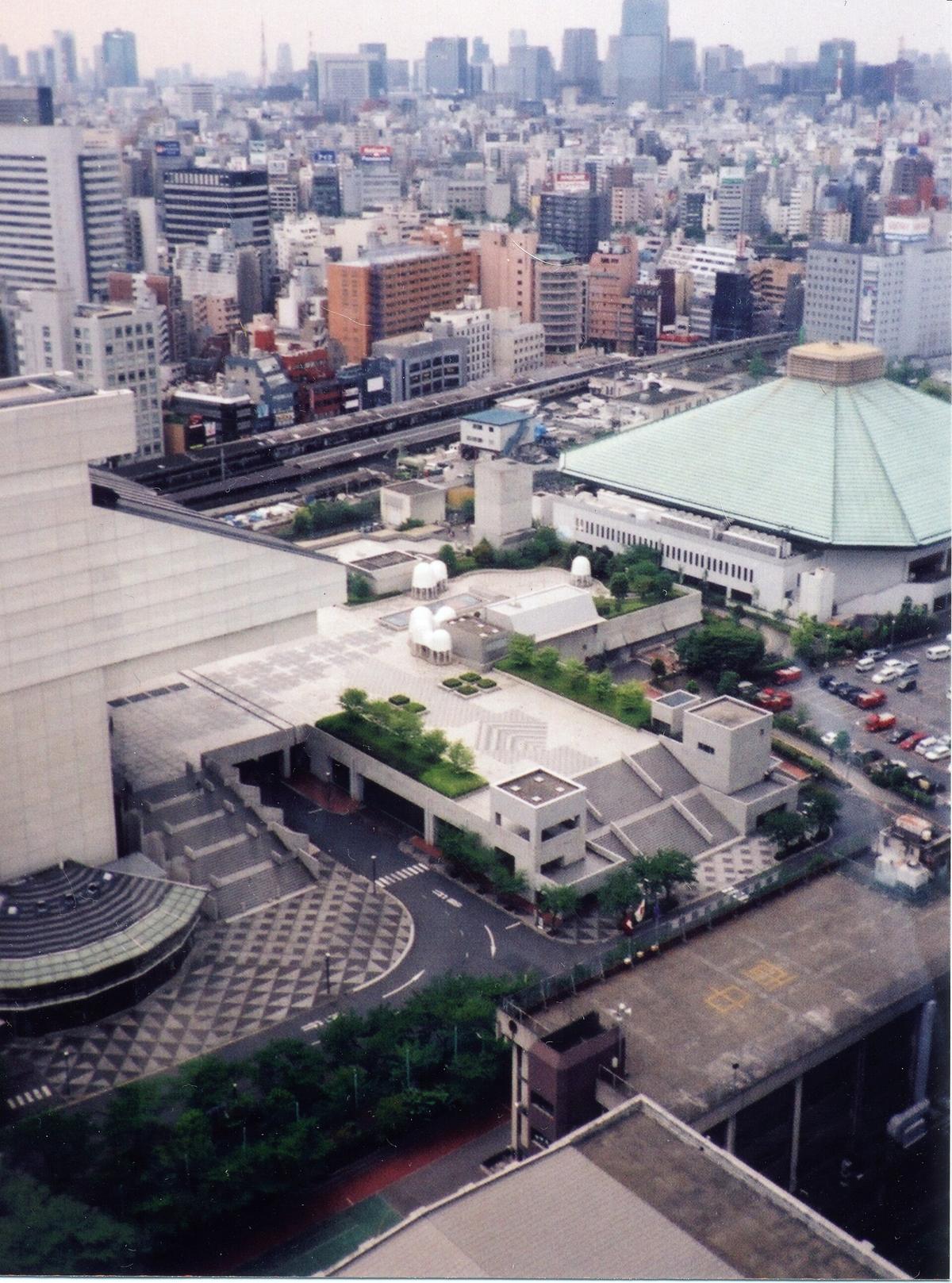
What does a neighbourhood built around a single sport taste like? In Ryogoku, the answer is chanko nabe, the protein rich hotpot sumo wrestlers eat by the stockpot daily. This district on the west bank of the Sumida River in Sumida ward is where you eat it properly. The giant Ryogoku Kokugikan, an 11,098 seat arena that opened in January 1985, anchors the area, hosting three 15 day tournaments: the Hatsu basho in January, the Natsu basho in May, and the Aki basho in September. But the real texture of Ryogoku is in the retired wrestler run chanko restaurants and the possibility of glimpsing a yokozuna walking to morning practice on a quiet Tuesday.
What to Eat and Where: Chanko Nabe as a Culinary Destination
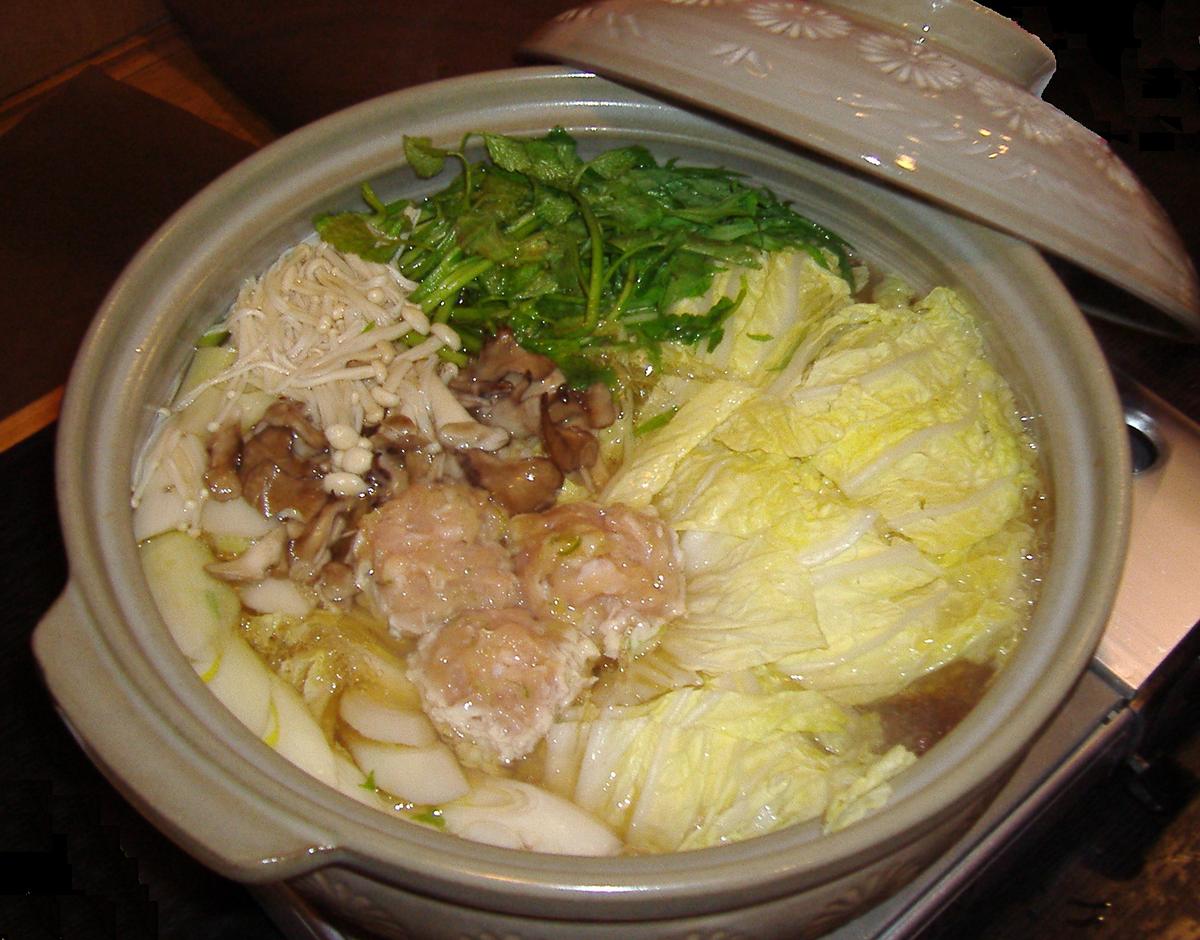
Chanko nabe is not a refined dish. It is a utilitarian hotpot built for weight gain: chicken broth, chicken meat, tofu, cabbage, leeks, mushrooms, and noodles added late to absorb the broth. Sumo wrestlers skip breakfast, train hard, eat a massive lunch of chanko followed by rice and beer, then sleep. The diet works. So does the flavour when the stock has simmered through a tournament season.
Three Former Wrestler Run Restaurants
Chanko Tomoegata, run by ex Tomoegata, serves a clear broth version heavy on chicken meatballs. Chanko Kirishima, from ex Kirishima, leans into a richer, darker broth with more sesame and garlic. Chanko Kitanoumi, the stable of the late yokozuna Kitanoumi, offers the most polished dining room and a set meal that includes side dishes a wrestler would never touch but a tourist appreciates. All three serve lunch from 11:30 to 14:00 and dinner from 17:00 to 22:00. Outside tournament months, walk ins are possible most days. During a basho, book one month ahead, the same date tickets to Kokugikan go on sale.

Beyond the Bowl: What Sumo Culture Looks Like on a Non Tournament Day
Ryogoku outside January, May, and September is a quiet low rise district with low pedestrian traffic. That stillness is the point. Walk the streets between 07:00 and 10:30 and you will see wrestlers, their hair still oiled from morning practice, walking to and from the active sumo stables in the area. You cannot drop in to watch asa geiko, the morning practice session; it requires an introduction from the stablemaster or a personal connection. But you can stand across the street and watch them walk. That is the Ryogoku experience: glimpsing the sport in its unglamorous daily routine, not the choreographed tournament day.
The Kokugikan When No One Is Wrestling
When the Kokugikan is not hosting sumo, it hosts concerts, martial arts events, flea markets, and product exhibitions. None of those justify a trip from Shinjuku. The one thing that does is the Sumo Museum on the first floor of the arena. It is free, open 10:00 to 16:30, and closed on weekends, national holidays, and between exhibitions. The exhibits rotate and cover one aspect of sumo history at a time: a printed program from 1900, a ceremonial apron from a 1970s yokozuna, photographs of the old Kokugikan in Kuramae. It takes 40 minutes.
The Museum That Isn't There
The Edo Tokyo Museum across the street has been closed for renovation since April 2022 and remains shut with no confirmed reopening date. Do not plan around it. Instead, redirect that historical curiosity to the Sumida Hokusai Museum, a 400 yen permanent collection in a Kazuyo Sejima building a 15 minute walk south of Ryogoku Station. It is open 09:30 to 17:30, closed Mondays, and focuses on Hokusai's late career prints, many of which depict the Sumida River you just walked along.
The River Terrace and the Old Town Feel
Ryogoku sits on the west bank of the Sumida River. The Sumida River Terrace, a paved pedestrian path open 24 hours with benches at intervals, runs between Ryogoku Bridge and the JR Sobu Line bridge. It is not a tier one Tokyo sight. It is a place to sit with a convenience store egg salad sandwich and watch cargo boats move under low bridges. That is the correct use of this neighbourhood. Ryogoku is not chic. It is not polished. It is a shitamachi district, the old low city, and it retains the working riverfront character that places like Asakusa have sanded off for tourism. The real magic is in the mundane: perfectly engineered convenience stores and silent backstreets, not neon. This district delivers that version of Tokyo better than any other.
Plan Four Hours, Not a Full Day
Ryogoku is not a full day destination unless a tournament is on. A morning at the Sumo Museum, a long lunch at Chanko Kirishima, a walk along the river terrace, and an afternoon at the Hokusai Museum fills four hours comfortably. That is enough. Head to Asakusa for Senso ji or to Ueno for the museums in the park from here in 15 minutes on the JR Sobu Line. Treat Ryogoku as a culinary pilgrimage with a sumo sideshow, not a standalone attraction.

Other areas in Tokyo
- Akihabara
- Asakusa
- Ebisu
- Futako-tamagawa
- Ginza
- Harajuku
- Ikebukuro
- Jimbocho
- Jiyugaoka
- Kagurazaka
- Kichijoji
- Kiyosumi-Shirakawa
- Koenji
- Kuramae
- Marunouchi
- Nakameguro
- Nakano
- Nihonbashi
- Ningyocho
- Odaiba
- Omotesando and Aoyama
- Roppongi
- Sangenjaya
- Shibamata
- Shibuya
- Shimokitazawa
- Shin-Okubo
- Shinagawa
- Shinjuku
- Sugamo
- Takadanobaba
- Todoroki
- Tsukiji
- Tsukishima
- Ueno
- Yanaka
- Yurakucho and Shinbashi
Common Questions
Where is Ryogoku and how do I get there?
Ryogoku is in Sumida ward, on the west bank of the Sumida River in eastern Tokyo. Use the west exit of JR Sobu Line Ryogoku Station or the A3 exit of Toei Oedo Line Ryogoku Station.
When are sumo tournaments at Kokugikan?
Three 15 day tournaments per year: the Hatsu basho in January, the Natsu basho in May, and the Aki basho in September. In 2026 the dates are January 11 25, May 10 24, and September 13 27. Tickets go on sale approximately one month before each tournament.
Can I watch sumo morning practice (asa-geiko) as a tourist?
No drop in viewing is allowed. Attendance must be arranged in advance through the stablemaster or a personal connection. Spectators must remain silent and seated on the floor. Photography is prohibited unless you have explicit permission.
Is the Sumo Museum worth visiting?
Yes, for a 40 minute stop. It is inside Kokugikan on the first floor, free, and open 10:00 to 16:30. It is closed on weekends, national holidays, year end New Year, and between exhibitions. The exhibits change regularly and cover one aspect of sumo history at a time.
Is the Edo-Tokyo Museum open?
No. It has been closed for major renovation since April 2022 and remains shut with no confirmed reopening date. Visit the Sumida Hokusai Museum instead.
Which chanko nabe restaurant should I eat at?
Chanko Kirishima for a rich sesame garlic broth, Chanko Tomoegata for a clear chicken meatball version, or Chanko Kitanoumi for a polished dining room with side dishes. All are run by former wrestlers. Walk ins work outside tournament months. Book one month ahead during a basho.
What else is there to do in Ryogoku besides sumo and chanko?
Walk the Sumida River Terrace between Ryogoku Bridge and the JR Sobu Line bridge. Visit the Sumida Hokusai Museum, a 400 yen permanent collection a 15 minute walk south of Ryogoku Station. The district itself is quiet and low rise, good for observing wrestlers walking between stables in the morning.
Read next
-
 Tokyo Hotels by Type and Budget from Capsules to Luxury
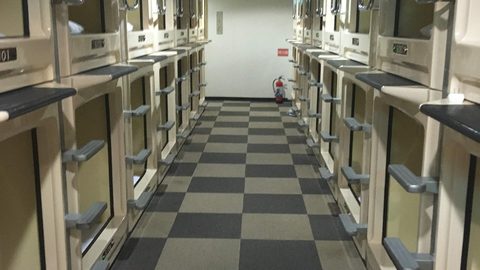
Tokyo hotels organised by type and price band, from efficient capsule pods to full-service luxury towers, to help you book the right room.
Tokyo Hotels by Type and Budget from Capsules to Luxury
Tokyo hotels organised by type and price band, from efficient capsule pods to full-service luxury towers, to help you book the right room.
-
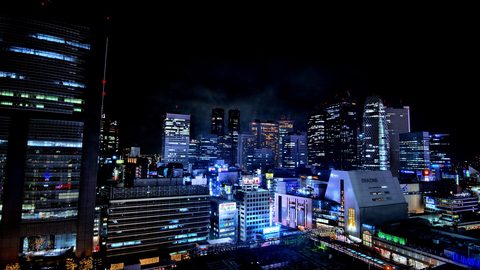 Where to Stay in Tokyo by District and Travel Style
A comparison of Tokyo's major districts to help you choose the right base for your travel style, whether you want calm or chaos.
Where to Stay in Tokyo by District and Travel Style
A comparison of Tokyo's major districts to help you choose the right base for your travel style, whether you want calm or chaos.
-
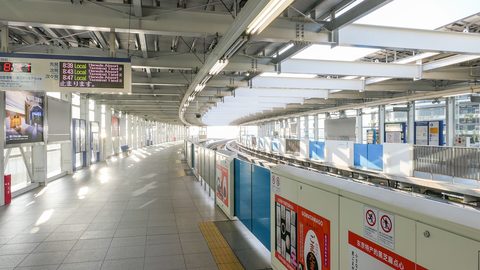 Narita or Haneda for Tokyo and What That Airport Choice Costs You
Narita or Haneda for Tokyo: compare door-to-district time, transfer cost, and what the wrong airport choice eats from your trip.
Narita or Haneda for Tokyo and What That Airport Choice Costs You
Narita or Haneda for Tokyo: compare door-to-district time, transfer cost, and what the wrong airport choice eats from your trip.
-
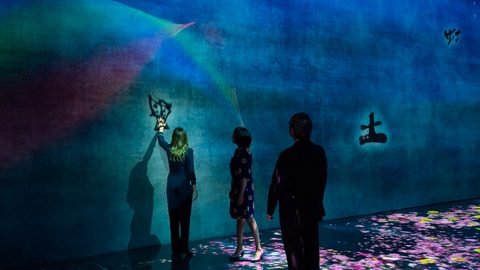 Things to Do in Tokyo That Are Worth Your Limited Days
A curated list of Tokyo's highest-impact sights and experiences, from immersive art to quiet backstreets, to help you prioritise your days.
Things to Do in Tokyo That Are Worth Your Limited Days
A curated list of Tokyo's highest-impact sights and experiences, from immersive art to quiet backstreets, to help you prioritise your days.
-
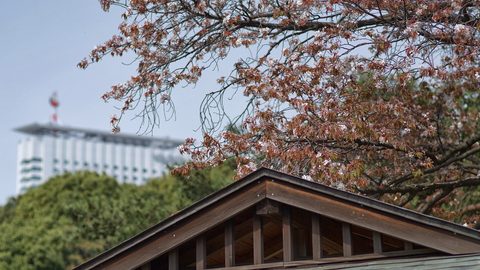 Best Time to Visit Tokyo Month by Month Tradeoffs
A month-by-month guide to visiting Tokyo, laying out the trade-off between weather, crowds, price, and what's actually open.
Best Time to Visit Tokyo Month by Month Tradeoffs
A month-by-month guide to visiting Tokyo, laying out the trade-off between weather, crowds, price, and what's actually open.
-
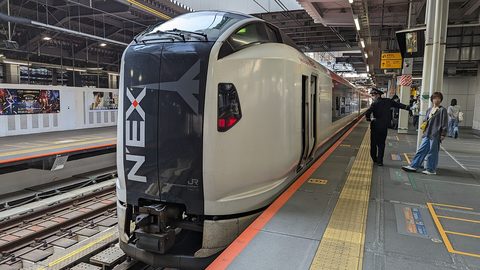 Getting Around Tokyo by Train Airport Transfers and IC Cards
A practical guide to Tokyo's rail network, covering airport transfers, IC cards, and how to avoid the station navigation mistakes that eat your day.
Getting Around Tokyo by Train Airport Transfers and IC Cards
A practical guide to Tokyo's rail network, covering airport transfers, IC cards, and how to avoid the station navigation mistakes that eat your day.
-
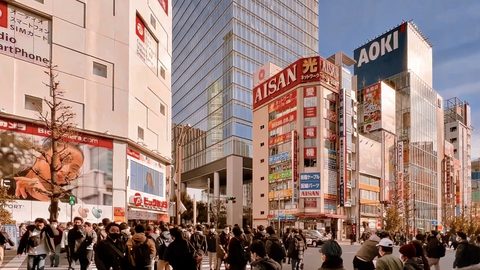 Akihabara
 Tokyo guide: electronics, anime, and arcades stacked floor by floor, from Radio Kaikan to the maid cafe touts.
Akihabara
Akihabara Tokyo guide: electronics, anime, and arcades stacked floor by floor, from Radio Kaikan to the maid cafe touts.
-
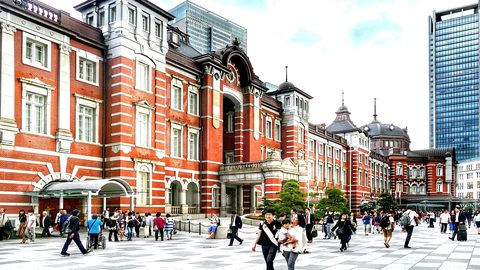 Marunouchi
Staying in Marunouchi puts you steps from Tokyo Station's Shinkansen platforms and Narita Express, trading nightlife buzz for unmatched rail connectivity and wide, quiet weekend boulevards.
Marunouchi
Staying in Marunouchi puts you steps from Tokyo Station's Shinkansen platforms and Narita Express, trading nightlife buzz for unmatched rail connectivity and wide, quiet weekend boulevards.
-
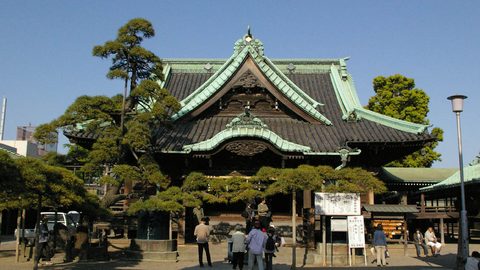 Shibamata
 preserves a 1950s Tokyo on its temple approach street, forever tied to the Tora-san film series and best visited for unagi and old-school snacks.
Shibamata
Shibamata preserves a 1950s Tokyo on its temple approach street, forever tied to the Tora-san film series and best visited for unagi and old-school snacks.