How to Book the Yayoi Kusama Museum in Tokyo Before You Plan Anything Else
The Yayoi Kusama Museum in Tokyo requires tickets booked weeks ahead on a strict monthly release schedule, and walk-ins are not accepted.
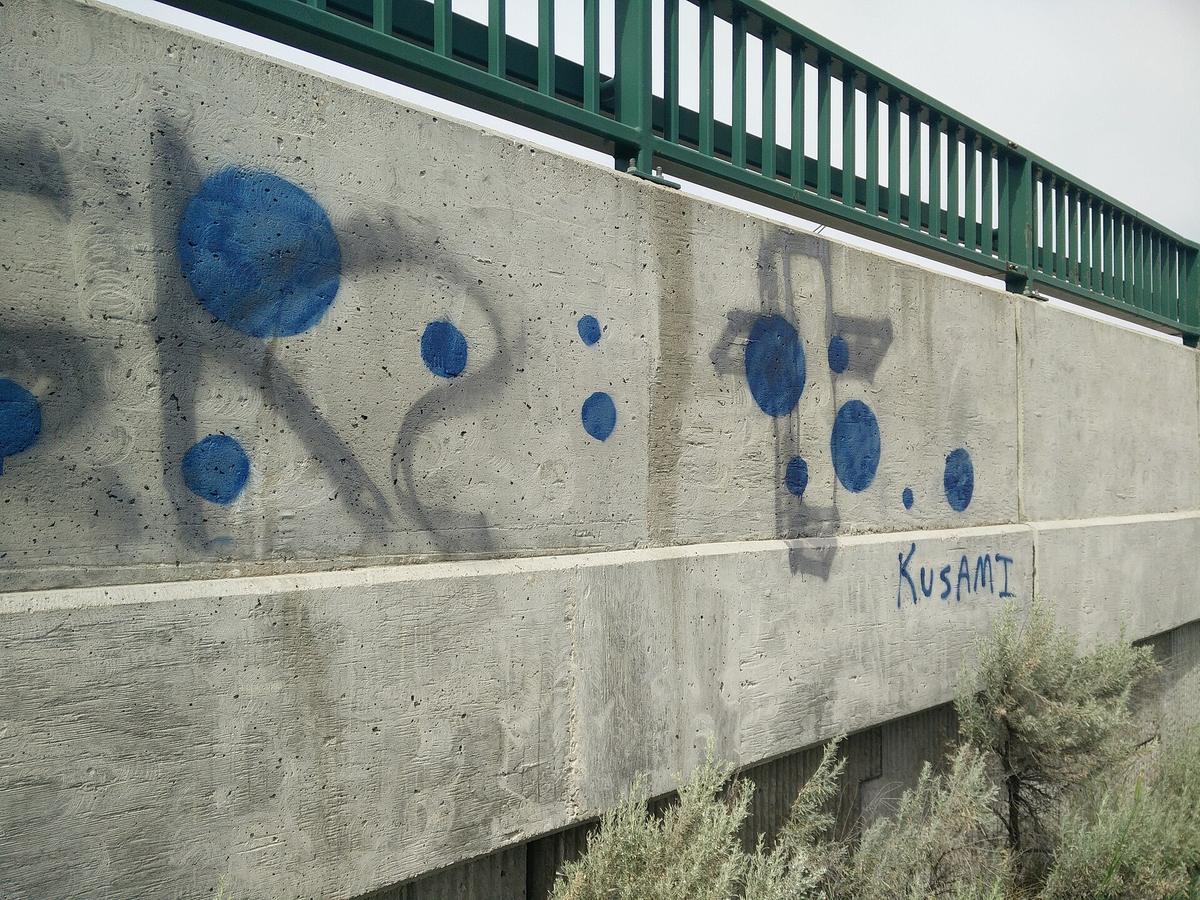

The Booking Rule That Decides If You Get in
There is no door sale. No box office. No same-day counter. No last-minute hop. The only way in is an online timed entry reservation released on the first of the month for the following month. Those slots vanish within hours. This is not a problem you can solve on arrival. You solve it two months ahead, at 11:00 JST on a single day. Or you do not go.
The Yayoi Kusama Museum in Tokyo is a five-floor building. Total floor area: roughly 400 square metres. One person at a time enters the infinity room on the fourth floor. You get about one minute inside it. The whole visit lasts 60 to 90 minutes. That scarcity is by design, and the ticketing system reflects it. Understand the calendar, understand the timed slots, and you get in. Hesitate, and you are refreshing a sold-out page.
- Address: 107 Bentencho, Shinjuku-ku, Tokyo 162-0851
- Nearest Station: Ushigome-Yanagicho (Toei Oedo Line), 7 min walk. Also Waseda (Tokyo Metro Tozai Line), 10 min. Kagurazaka (Tokyo Metro Tozai Line), 12 min.
- Opening Days: Thursday through Sunday only.
- Closed Days: Monday, Tuesday, Wednesday. Also closed during exhibition changeover periods.
- Ticket Release: 11:00 JST on the 1st of each month, for the following month. Example: September tickets release on 1 August.
- Ticket Prices (2026, per foundation): Adult ¥1,100. Child 6-18 ¥600. Under 6 free.
- Visit Duration: 60 to 90 minutes.
- Infinity Room: Fourth floor. One person at a time, roughly one minute limit.
How the Booking Calendar Works
Mark the First of the Month
Set a calendar reminder for 10:45 JST on the first of any month. At 11:00 JST, the Yayoi Kusama Foundation opens tickets for the entire following month. Want to visit in November? Book on 1 October. Want January? Book on 1 December. The window is one to two months ahead, and it is the only window.
Multiple timed entry slots are available each day. Count on four to six depending on the season. Each slot reserves your entry for a specific 90-minute window. You book a slot, not a day pass. Arrive at that time and no later. Late arrivals get turned away. The system does not issue refunds or reschedule.
In 2024 the foundation published the release schedule on its official website ahead of each exhibition cycle. That schedule changes annually. Check the Yayoi Kusama Museum official site for the exact release date and time for the month you plan to visit. Do not trust third-party resellers. They charge a premium, they have no relationship with the foundation, and they cannot override the queue. The only legitimate source is the museum's own booking portal.
What Happens If You Miss the Drop
You wait for the next month. No standby queue. No email list. No cancellation notifications. Tickets are non-transferable and the name on the booking must match your ID at entry. Scalping is virtually nonexistent because the foundation designed the system to prevent it. Arrive in Tokyo without a reservation, and you cannot visit. That is absolute. Plan your trip around the booking, not the other way around.
What to Expect Inside the Building
The Floor-by-Floor Layout
Five floors. Four of them hold exhibition spaces. The second, third and fourth floors carry gallery works from the museum's permanent collection plus rotating exhibitions that change roughly twice a year. The fourth floor is the infinity room. That is the room in every photograph. You will queue for it even with a timed ticket. One person enters at a time. The door closes. You have roughly one minute alone with the mirrored space and the suspended polka-dot forms. Security staff time you. It is controlled, brief, and deliberately intense.
The fifth floor is a reading room with a small selection of Kusama-related publications and a terrace. The entire building floor area is about 400 square metres. That is smaller than a single floor of most Tokyo department stores. Do not expect a sprawling retrospective. Expect a tight, curated experience that rewards close attention to the works on the walls more than the infinity room alone.
The gift shop is on the ground floor. It stocks limited-edition merchandise that restocks infrequently. See something you want? Buy it then. It will not be online later.
How It Compares to teamLab
They are not the same thing. teamLab Borderless and teamLab Planets are digital art collectives with multi-room walk-through installations designed for crowds and movement. The Yayoi Kusama Museum is a single-artist museum of physical paintings, sculptures and one infinity room. teamLab is about immersion in projected light. This museum is about the hand of one artist working across decades. Want the Instagram infinity room? You can get that at teamLab Planets too, without the booking stress, though the room there is larger and shared. Want Kusama? This is the only place in Tokyo that shows her permanent collection. Book both, but understand what each offers.
.jpg)
The Neighbourhood Around the Museum
Getting Your Bearings
The museum sits in Bentencho, a quiet residential pocket of Shinjuku-ku about 2.5 kilometres from Shinjuku Station. It is not a tourist district. No major sights sit within a five-minute walk. Ushigome-Yanagicho station on the Toei Oedo Line is the closest at seven minutes on foot. Waseda station on the Tokyo Metro Tozai Line is ten minutes. Kagurazaka station is twelve minutes.
The area is calm, tree-lined, and untouristed. The streets are narrow. The museum itself looks like a residential building from the outside. That is intentional. The foundation chose a location that forces visitors to travel into a neighbourhood that has nothing else to sell them. Combine this visit with a walk through the nearby Kagurazaka district. Kagurazaka has cobbled alleys, French bistros, and a geisha legacy that makes it one of Tokyo's more atmospheric pockets. It is a fifteen-minute walk from the museum. Do that after your timed slot, not before, so you are not rushing to arrive.
Pacing Your Day
Do not plan a packed day around this visit. The museum takes 60 to 90 minutes. The commute from central Tokyo is another 30 to 45 minutes each way depending on where you start. That is a half-day investment for a single attraction. Budget for it. Do not try to squeeze it between Shibuya in the morning and Shinjuku in the afternoon. Pick two districts per day maximum, as a general rule for Tokyo, and let this visit anchor one half of your day.
Common Questions
Can I buy a ticket at the museum on the day?
No. The museum sells zero tickets at the door. All tickets are online timed entry reservations released on the first of each month for the following month. Arrive without a reservation and you will be turned away.
How far in advance do tickets sell out?
Within two to four hours of the 11:00 JST release. For popular months like November or April, the slots can go in under an hour. Weekend and late afternoon slots sell fastest. Book within the first hour of release for the best chance.
How long can I stay in the infinity room?
Roughly one minute per person. The museum allows one person at a time. A staff member monitors the time and will signal when your minute is up. You cannot re-queue on the same ticket.
Is the museum suitable for children?
Children under six enter free. The museum is small and quiet. The infinity room experience may be intense for very young children due to the enclosed mirrored space. The 60 to 90 minute visit length is manageable for older children with an interest in art.
What happens if I arrive late for my timed slot?
You may be denied entry. The timed slot reserves your entry for a specific window. Arriving more than 15 minutes late risks forfeiting your reservation. The museum does not offer refunds or rescheduling for late arrival. Plan your commute with a generous buffer.
Read next
-
 Tokyo Hotels by Type and Budget from Capsules to Luxury
Tokyo hotels organised by type and price band, from efficient capsule pods to full-service luxury towers, to help you book the right room.
Tokyo Hotels by Type and Budget from Capsules to Luxury
Tokyo hotels organised by type and price band, from efficient capsule pods to full-service luxury towers, to help you book the right room.
-
 Where to Stay in Tokyo by District and Travel Style
A comparison of Tokyo's major districts to help you choose the right base for your travel style, whether you want calm or chaos.
Where to Stay in Tokyo by District and Travel Style
A comparison of Tokyo's major districts to help you choose the right base for your travel style, whether you want calm or chaos.
-
 Narita or Haneda for Tokyo and What That Airport Choice Costs You
Narita or Haneda for Tokyo: compare door-to-district time, transfer cost, and what the wrong airport choice eats from your trip.
Narita or Haneda for Tokyo and What That Airport Choice Costs You
Narita or Haneda for Tokyo: compare door-to-district time, transfer cost, and what the wrong airport choice eats from your trip.
-
 Things to Do in Tokyo That Are Worth Your Limited Days
A curated list of Tokyo's highest-impact sights and experiences, from immersive art to quiet backstreets, to help you prioritise your days.
Things to Do in Tokyo That Are Worth Your Limited Days
A curated list of Tokyo's highest-impact sights and experiences, from immersive art to quiet backstreets, to help you prioritise your days.
-
 Best Time to Visit Tokyo Month by Month Tradeoffs
A month-by-month guide to visiting Tokyo, laying out the trade-off between weather, crowds, price, and what's actually open.
Best Time to Visit Tokyo Month by Month Tradeoffs
A month-by-month guide to visiting Tokyo, laying out the trade-off between weather, crowds, price, and what's actually open.
-
 Getting Around Tokyo by Train Airport Transfers and IC Cards
A practical guide to Tokyo's rail network, covering airport transfers, IC cards, and how to avoid the station navigation mistakes that eat your day.
Getting Around Tokyo by Train Airport Transfers and IC Cards
A practical guide to Tokyo's rail network, covering airport transfers, IC cards, and how to avoid the station navigation mistakes that eat your day.
-
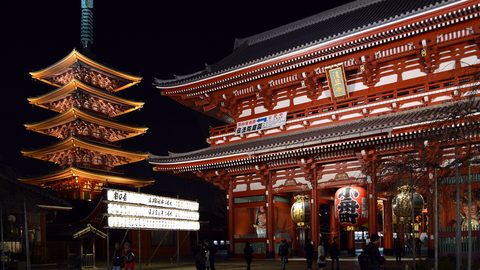 Senso-ji
 is free and never closes, but the experience at 6am with empty Nakamise stalls is nothing like the 11am crush under Kaminarimon. Here is when to go and what you get at each hour.
Senso-ji
Senso-ji is free and never closes, but the experience at 6am with empty Nakamise stalls is nothing like the 11am crush under Kaminarimon. Here is when to go and what you get at each hour.
-
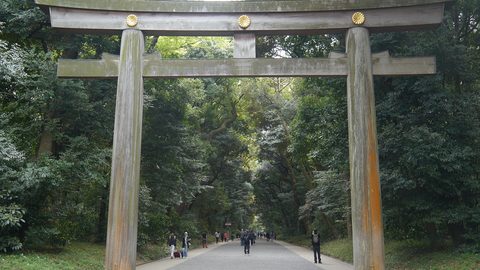 Meiji Jingu
The Meiji Jingu visit changes completely depending on which torii gate you enter. One drops you from Harajuku noise into sudden forest, the other builds quiet slowly from Yoyogi.
Meiji Jingu
The Meiji Jingu visit changes completely depending on which torii gate you enter. One drops you from Harajuku noise into sudden forest, the other builds quiet slowly from Yoyogi.
-
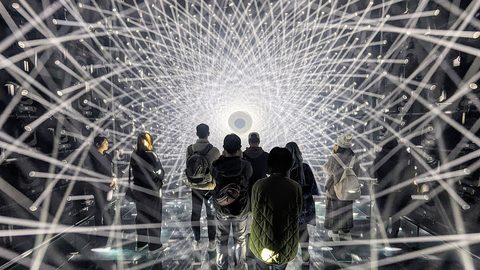 teamLab
 Borderless and Planets are two different Tokyo venues with separate booking systems. Borderless tickets at Azabudai Hills sell in timed slots and the maze has no fixed route.
teamLab
teamLab Borderless and Planets are two different Tokyo venues with separate booking systems. Borderless tickets at Azabudai Hills sell in timed slots and the maze has no fixed route.