Zojoji: The Tokugawa Temple with Tokyo Tower Framed in the Background
Zojoji is the Tokugawa temple in Shiba-koen where everyone photographs Tokyo Tower framed through the main gate. Here is the exact spot and timing.


Zojoji: the Tokugawa Temple with Tokyo Tower Framed in the Background
At 08:30 on a November morning, the shadow of Tokyo Tower cuts across the gravel of Shiba Park. A man in a blue windbreaker stands at the base of the Sanmon gate, adjusts his phone by two degrees, and waits for a gap in the few other early visitors. He is after the photograph everyone comes for. You should be standing exactly where he is, at the same hour.
Zojoji is not a minor temple you stumble upon. It is the head temple of the Jodo-shu sect for the Kanto region, founded in 1393 in the Hibiya area and moved to its current site in 1598. The main hall, the Daiden, was rebuilt in 1974 after war damage. But the structure that matters for your visit is the Sanmon gate: constructed in 1622, twenty-one metres high and twenty-one metres wide, it is the only major building of Zojoji to survive the Tokyo air raids of World War Two. The contrast between a 17th-century Buddhist gate and a 1958 broadcast tower draws photographers, Instagram feeds, and guidebook covers. The shot is precise, and most visitors walk past the correct spot without knowing it.
- Address: 4-7-35 Shibakoen, Minato-ku, Tokyo
- Grounds entry: Free, every day
- Sanmon gate construction: 1622, the only major structure to survive the war intact
- Sanmon gate dimensions: 21 m wide, 9 m deep, 21 m high
- Main hall reconstruction: 1974 (original founded 1393)
- Tokugawa mausoleum access: The 2024 fee was ¥500. The temple publishes the current rate and opening days on its official site; the mausoleum is open on select dates only
- Tokugawa shoguns buried here: Six: Hidetada, Ienobu, Ietsugu, Ietsuna, Tsunayoshi, Iemochi
- Jizo statues: Approximately 1,300 in the garden west of the main hall
- Tokyo Tower height: 332.9 m, completed 1958
- Shiba Park: One of Japan's oldest public parks, opened 1873, free, surrounds the temple grounds
Exactly Where to Stand for the Tokyo Tower Photo
Go to the base of the Sanmon gate steps, on the side that faces away from the main hall. Face outward, toward the street. Tokyo Tower will be centered within the archway of the gate. That is the shot.
Do not stand inside the gate, do not stand on the steps. Stand on the flat ground at the bottom, directly in line with the central opening. The gate is twenty-one metres tall and the tower is 332.9 metres tall. The scale works only if you frame the tower inside the dark rectangle of the gate opening. If you step too close to the gate, the archway clips the base of the tower. If you step back onto the street, traffic and street lamps intrude. The correct spot is at the bottom of the steps, feet planted where the stone ends and the pavement begins.
When to Arrive
Sunrise to 09:00, in clear weather. The tower is east-southeast of the gate, so the morning sun hits the tower from behind you, lighting the gate face evenly without glare. After 10:00, the tower goes into silhouette against the bright sky unless you have editing tools. By 15:00, the sun is behind the tower, and you shoot into direct light. November through February gives the best low-angle morning light. Cherry blossom season in late March and early April buries the shot in crowds, not petals: the flowers are behind you in Shiba Park, not visible in the frame. The shot works best in autumn or winter when the deciduous trees are bare and the tower is unobstructed.
What to Skip
The shot from the main hall steps, looking back at the gate with the tower behind it, is a common mistake. The hall steps place you at a high angle, and the gate dwarfs the tower. The shot from Shiba Park beside the temple puts trees in the way. The shot you came for is one position, one direction, one time window.
The Jizo Statues and the Tokugawa Graves
After you have the photograph, turn around and walk through the Sanmon gate toward the main hall. The garden west of the main hall holds approximately 1,300 jizo statues, each wearing a red bib and a red cap, with pinwheels placed beside them. The pinwheel symbolises the cycle of birth, death, and rebirth. These statues represent the souls of unborn children, mizuko. They are placed here by parents who have experienced miscarriage, stillbirth, or abortion. The scene is not a tourist attraction. Walk through quietly. Do not rearrange the pinwheels. Do not take photos of individual statues at close range unless you understand what the row represents.
To the left of the main hall, behind a wall, lie the remains of six shoguns of the Tokugawa line: Hidetada, Ienobu, Ietsugu, Ietsuna, Tsunayoshi, and Iemochi. Imperial Princess Kazunomiya, Iemochi's wife, is buried here too. The mausoleum is not a daily walk-in. It opens on selected dates only. In 2024 the admission fee was ¥500, but that figure changes annually. The temple posts the current schedule and price on its own website. If the mausoleum is open when you visit, pay the fee for a chance to see the family's funerary monuments, which are otherwise closed behind locked gates. If it is closed, you have one other reason to be here: the grounds and the gate cost nothing.


Pairing Zojoji with Tokyo Tower on the Same Morning
Zojoji sits inside Shiba Park, which opened in 1873 as one of Japan's oldest public parks. Tokyo Tower stands directly across the park, a six-minute walk from the Sanmon gate. The two visits belong together on the same morning because the light for the tower observation decks follows the same rule as the gate shot: go early.
The Morning Sequence
Arrive at Zojoji at 08:00. Shoot the Sanmon gate with Tokyo Tower framed inside it between 08:15 and 08:45 depending on the season. Walk through the jizo garden and the main hall grounds by 09:00. Then walk across Shiba Park to the Tokyo Tower base, enter at 09:15, and take the elevator to the Main Observatory. If you only care about the view, the Main Observatory is enough. You will be at the top before the first tour buses arrive from Asakusa around 10:30. By 11:00, the queues at the tower ticket counter are fifteen to twenty minutes. By 12:00, the observation deck is shoulder-to-shoulder. Hit the gate at 08:00, hit the tower at 09:15, and you are done before the crowd.
What Not to Pair
Do not pair Zojoji with Asakusa or Senso-ji. They are nine kilometres apart by metro, and the transfer wastes the morning light. Keep your morning on the south side of the city.
Frequently Asked Questions
Is Zojoji Temple free to enter?
Yes. The grounds, the Sanmon gate, and the main hall are free. The Tokugawa mausoleum charges a fee, but it is only open on select days.
What is the best time of day for the Zojoji Tokyo Tower photo?
Sunrise to 09:00 in clear weather. The morning sun lights the gate face while the tower stays visible. After 10:00 the tower goes into silhouette.
Which gate do I stand at for the photo?
The Sanmon gate, the main two-storey gate facing the street. Stand at the base of the steps on the outward-facing side, not inside the gate or on the steps.
Can I go inside the Tokugawa mausoleum?
Only on select days. The temple publishes the schedule on its official website. The 2024 fee was ¥500, but the price changes. Check before you plan your visit.
How many jizo statues are at Zojoji?
Approximately 1,300. They are in the garden west of the main hall. They represent the souls of unborn children, cared for by parents who have experienced pregnancy loss.
Is Zojoji the same as Senso-ji?
No. Zojoji is a Jodo-shu temple in Minato, near Tokyo Tower. Senso-ji is Tokyo's oldest temple in Asakusa. They are nine kilometres apart and should be visited on separate mornings.
Should I buy a Tokyo Tower ticket in advance?
Yes. Book online for the Main Observatory or the Top Observatory. Walk-up tickets require queuing. Booking ahead saves the fifteen-to-twenty minute wait that starts around 10:00.
Read next
-
 Tokyo Hotels by Type and Budget from Capsules to Luxury
Tokyo hotels organised by type and price band, from efficient capsule pods to full-service luxury towers, to help you book the right room.
Tokyo Hotels by Type and Budget from Capsules to Luxury
Tokyo hotels organised by type and price band, from efficient capsule pods to full-service luxury towers, to help you book the right room.
-
 Where to Stay in Tokyo by District and Travel Style
A comparison of Tokyo's major districts to help you choose the right base for your travel style, whether you want calm or chaos.
Where to Stay in Tokyo by District and Travel Style
A comparison of Tokyo's major districts to help you choose the right base for your travel style, whether you want calm or chaos.
-
 Narita or Haneda for Tokyo and What That Airport Choice Costs You
Narita or Haneda for Tokyo: compare door-to-district time, transfer cost, and what the wrong airport choice eats from your trip.
Narita or Haneda for Tokyo and What That Airport Choice Costs You
Narita or Haneda for Tokyo: compare door-to-district time, transfer cost, and what the wrong airport choice eats from your trip.
-
 Things to Do in Tokyo That Are Worth Your Limited Days
A curated list of Tokyo's highest-impact sights and experiences, from immersive art to quiet backstreets, to help you prioritise your days.
Things to Do in Tokyo That Are Worth Your Limited Days
A curated list of Tokyo's highest-impact sights and experiences, from immersive art to quiet backstreets, to help you prioritise your days.
-
 Best Time to Visit Tokyo Month by Month Tradeoffs
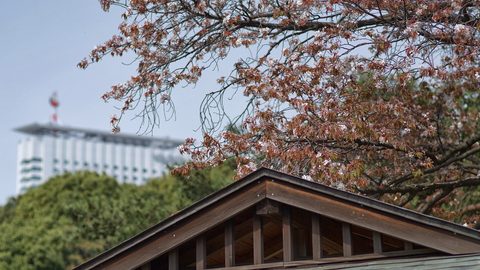
A month-by-month guide to visiting Tokyo, laying out the trade-off between weather, crowds, price, and what's actually open.
Best Time to Visit Tokyo Month by Month Tradeoffs
A month-by-month guide to visiting Tokyo, laying out the trade-off between weather, crowds, price, and what's actually open.
-
 Getting Around Tokyo by Train Airport Transfers and IC Cards
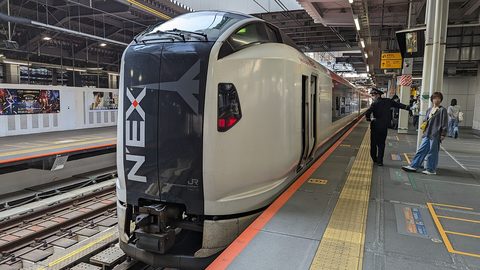
A practical guide to Tokyo's rail network, covering airport transfers, IC cards, and how to avoid the station navigation mistakes that eat your day.
Getting Around Tokyo by Train Airport Transfers and IC Cards
A practical guide to Tokyo's rail network, covering airport transfers, IC cards, and how to avoid the station navigation mistakes that eat your day.
-
 Senso-ji
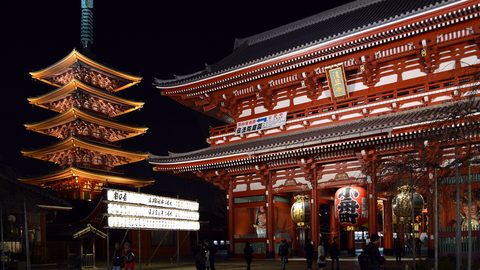
 is free and never closes, but the experience at 6am with empty Nakamise stalls is nothing like the 11am crush under Kaminarimon. Here is when to go and what you get at each hour.
Senso-ji
Senso-ji is free and never closes, but the experience at 6am with empty Nakamise stalls is nothing like the 11am crush under Kaminarimon. Here is when to go and what you get at each hour.
-
 Meiji Jingu
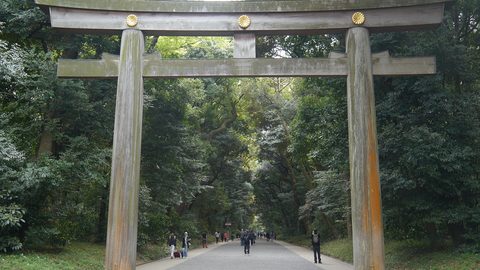
The Meiji Jingu visit changes completely depending on which torii gate you enter. One drops you from Harajuku noise into sudden forest, the other builds quiet slowly from Yoyogi.
Meiji Jingu
The Meiji Jingu visit changes completely depending on which torii gate you enter. One drops you from Harajuku noise into sudden forest, the other builds quiet slowly from Yoyogi.
-
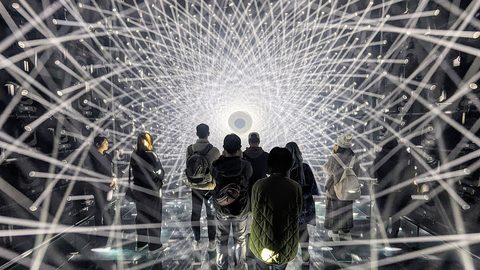 teamLab
 Borderless and Planets are two different Tokyo venues with separate booking systems. Borderless tickets at Azabudai Hills sell in timed slots and the maze has no fixed route.
teamLab
teamLab Borderless and Planets are two different Tokyo venues with separate booking systems. Borderless tickets at Azabudai Hills sell in timed slots and the maze has no fixed route.