Does the Osaka Amazing Pass Actually Save You Money?
The Osaka Amazing Pass promises free entry and unlimited rides, but the maths only works for a specific kind of day. We ran the numbers on three real itineraries.

The Osaka Amazing Pass Breaks Even at Three Attractions
On a weekday, the 1 day Osaka Amazing Pass costs ¥3,600. A regular Osaka Metro 1 day pass costs ¥820. So you are paying ¥2,780 extra for entry to sights. One visit to the Umeda Sky Building Floating Garden Observatory costs ¥1,500. One entry to Osaka Castle Main Tower costs ¥600. One ride on the Tombori River Cruise costs ¥1,200. That is ¥3,300 in admission, which leaves you ¥520 ahead. On a weekend, when the Metro pass drops to ¥620, you clear ¥320. The 2 day pass, at ¥5,500, minus two weekday Metro passes at ¥820 each, leaves ¥3,860 to cover entry fees. Three sights at ¥1,500 plus ¥1,200 plus ¥1,200 equals ¥3,900. You are ¥40 to the good, barely. The pass is a win on paper if you hit three of the big ticket items. The problem is that the pass only wins on paper if you actually want to do those three things in one day.
Osaka is not a city designed for triathlon style sightseeing. The districts are spread across wide rivers and multi level concrete. Umeda station alone is six separate stations stacked across three dimensions. The Midosuji Line during morning rush does not feel friendly. A day that starts at Osaka Castle, goes to the Umeda Sky Building, and ends on the Tombori River Cruise requires three subway rides and a walk through Dotonbori at dusk when it is shoulder to shoulder. That is doable. It is also tiring. The pass demands you treat entry fees as a productivity metric, and that is the first reason it loses.
The Itinerary That Makes the Pass Pay
Start at Osaka Castle keep. Arrive when it opens at 09:00. The museum inside is a concrete reconstruction, but the view from the top is clear across the city and the park is free to walk through. The keep costs ¥600. Spend one hour. Take the Osaka Metro Chuo Line to Tanimachi 4 chome, then Tanimachi Line to Tenjinbashisuji 6 chome for the Osaka Museum of Housing and Living at ¥600. That is another ¥1,200 total. Then take the subway to Umeda. The Umeda Sky Building Floating Garden Observatory costs ¥1,500 and the open air escalator ride is worth doing once. That brings the total to ¥2,700. Add the Tombori River Cruise in the evening at ¥1,200 and you reach ¥3,900, which beats the weekday pass by ¥300. You have broken even before dinner. This works. But it works only because you did four sights, not three. The break even threshold for the 1 day pass is actually three entries. The pass is worth it on this itinerary by about ¥300.
What Happens With The 2 Day Pass
The 2 day pass costs ¥5,500. Two Osaka Metro 1 day passes at the weekday rate cost ¥1,640. The pass premium is ¥3,860. To beat that, you need at least three entries in the ¥1,200 to ¥1,600 range. A plausible day one: Umeda Sky Building at ¥1,500, the Santa Maria daytime cruise at ¥1,600, and the Tempozan Giant Ferris Wheel at ¥900, for a total of ¥4,000. Day two: Abeno Harukas 300 at ¥1,500, Tsutenkaku Tower at ¥900, and the HEP FIVE Ferris Wheel at ¥600, for ¥3,000. That totals ¥7,000 in entry value, which beats the ¥3,860 premium by a wide margin. The 2 day pass looks like a steal. The catch is that you have to do six sights across two days, and the private railway inclusion on the 2 day pass is the real reason to choose it, not the entry fees.
The Itinerary That Loses You Money
Many travellers come to Osaka for the food and the streets, not the towers. If your priority is eating at Kuromon Market in the morning, walking through Shinsaibashi shopping arcade in the afternoon, and ending the evening in a standing bar in Kyobashi, the pass is a loss. None of those activities are included. Shinsaibashi is a mile long covered shopping street with no admission fee. Kuromon Market costs nothing to walk through, though it has tilted towards visitors in recent years. The Glico sign in Dotonbori is a 20 second photo stop. The free grounds of Sumiyoshi Taisha shrine, with its distinctive straight roof, cost nothing. Namba Yasaka Shrine, the one with the enormous lion head stage, is a 10 minute photo visit for free. On this day you take the Osaka Metro from your hotel to Nipponbashi, walk through Den Den Town to Kuromon, walk to Shinsaibashi, then subway to Sumiyoshi Taisha. Two subway rides. Even on a weekday, two single rides means ¥580. The pass would cost ¥3,600. You would lose a painful amount on a day that is more Osaka than the pass itinerary. The transport only version comparison makes this clear: a weekend Metro 1 day pass costs ¥620. The Osaka Amazing Pass costs ¥3,600. If you are not entering at least two paid sights, you are paying for a museum you skip because you smelled kushikatsu from the street. Buy the ¥620 pass and spend the difference on food.
When The 2 Day Pass Loses On Transport Alone
The 2 day pass includes private railways for intercity travel within Osaka zone. If your plan is a day trip to Nara via Kintetsu and a day trip to Kobe via Hankyu, the pass saves you money. A return to Nara on Kintetsu costs ¥1,360. A return to Kobe on Hankyu costs ¥660. That is ¥2,020 in transport. Two days of Metro passes cost ¥1,640. Total ¥3,660. The 2 day pass costs ¥5,500. You are ¥1,840 over. You would be better served by the Kansai Thru Pass at ¥4,400 for 2 days, which covers the same private railways plus Kyoto and Kobe municipal subways, and costs ¥1,100 less. The Osaka Amazing Pass is not the right tool for a trip built around day trips.
The Transport Only Comparison
The Osaka Metro 1 day unlimited pass costs ¥820 on weekdays and ¥620 on weekends and holidays. The Osaka Amazing Pass costs ¥3,600. The pass premium of ¥2,780 to ¥2,980 is what you are paying for entry to sights. If you plan to take four or more subway rides in a day, buy the Metro pass. If you plan to take two or three, buy single ride tickets. The pass only makes sense if you enter paid venues. The 2 day pass, at ¥5,500, is compared to two Metro passes at ¥1,640, a premium of ¥3,860. The private railway inclusion on the 2 day pass can close that gap if you use Hankyu or Kintetsu to reach destinations within Osaka prefecture, but the coverage is limited to Osaka city boundaries.
Airport Connections And The JR Alternative
A trip to Kansai International Airport is not covered. The Nankai Airport Express costs ¥930 one way. The 2 day pass does not cover it. You pay for the airport run separately. The JR West Kansai Area Pass, at ¥2,400 for 1 day bought online, covers JR trains including the Haruka limited express to the airport, but gives you zero entry to sights. The pass choice depends on whether you value tower views over takoyaki in Shinsekai.

| Attraction | Regular Admission (¥) | Typical Visit Time (Minutes) | 3 Attraction Day Feasibility |
|---|---|---|---|
| Umeda Sky Building Floating Garden | 1,500 | 45 | Yes |
| Abeno Harukas 300 | 1,500 | 45 | Yes |
| Osaka Castle Main Tower | 600 | 60 | Yes |
| Tombori River Cruise | 1,200 | 20 | Yes |
| Tsutenkaku Tower | 900 | 30 | Yes |
| Santa Maria Daytime Cruise | 1,600 | 45 | No: 4th attraction likely |
| HEP FIVE Ferris Wheel | 600 | 15 | Yes if nearby |
| Tempozan Giant Ferris Wheel | 900 | 20 | No: requires Bay Area trip, 30 min subway from city centre |
| Osaka Museum of Housing and Living | 600 | 45 | Yes, near Umeda |
The Failure Case: What Happens When You Miss
The pass is activated on first use and the date is printed on the pass at purchase. It runs on consecutive calendar days, not 24 hour periods. If you buy a 2 day pass and activate it at 17:00 on a Saturday, it expires at the end of Sunday. The evening of Saturday, plus all of Sunday, is less than 48 hours. You lose value if you arrive late in the day. Buy the pass only if you plan to start your first sight before noon.
Lines The Pass Will Not Cover
The pass does not cover JR lines, and Umeda station is six stations. If you use JR Osaka Station for a lunch reservation, that fare is not covered. The pass also does not cover the Nankai Railway on the 1 day version, which means you cannot use it to reach Shinsekai from Namba via Nankai. You must use the Osaka Metro Midosuji Line to Dobutsuenmae instead. That is fine, but you need to know it before you board.
The Single Biggest Mistake
Buying the pass and then spending the day in free districts. You will have paid ¥3,600 for unlimited subway rides you could have bought for ¥620 on a weekend. The pass is a focused product for a specific traveller. Know which one you are before you buy it.
Read next
-
 Osaka Hotels, Sorted by Price Band and Property Type Not Neighbourhood
Osaka hotels sorted by budget and type, business towers, luxury high-rises and the few ryokan, with the trade-off each choice demands.
Osaka Hotels, Sorted by Price Band and Property Type Not Neighbourhood
Osaka hotels sorted by budget and type, business towers, luxury high-rises and the few ryokan, with the trade-off each choice demands.
-
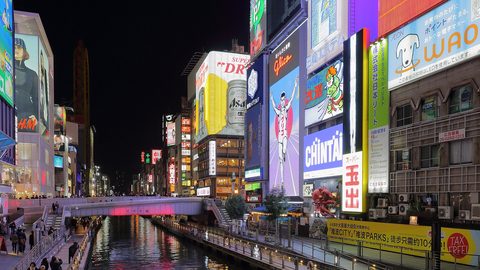 Where to Stay in Osaka, Pick the District That Matches Your Nights
Osaka's districts switch character after sunset. Pick where to stay based on whether you want street food chaos, standing-bar crawls or a quiet lane.
Where to Stay in Osaka, Pick the District That Matches Your Nights
Osaka's districts switch character after sunset. Pick where to stay based on whether you want street food chaos, standing-bar crawls or a quiet lane.
-
 Osaka Flights Which Airport to Choose and When to Book
KIX or Itami? Which Osaka airport to fly into, when flight prices spike during cherry blossom and November, and the booking windows that matter.
Osaka Flights Which Airport to Choose and When to Book
KIX or Itami? Which Osaka airport to fly into, when flight prices spike during cherry blossom and November, and the booking windows that matter.
-
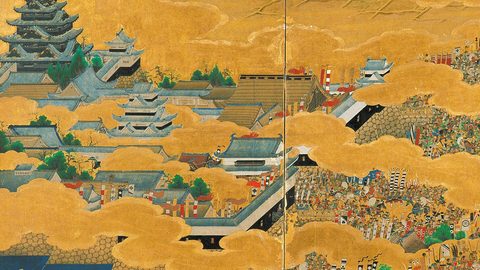 Osaka Things to Do, What Earns a Slot in Two Full Days
Osaka is not a monument city. This page ranks what earns a slot in two full days, from Dotonbori's neon to Shinsekai's retro grit.
Osaka Things to Do, What Earns a Slot in Two Full Days
Osaka is not a monument city. This page ranks what earns a slot in two full days, from Dotonbori's neon to Shinsekai's retro grit.
-
 Best Time to Visit Osaka, Month by Month and the Trade Off Each One Asks
-
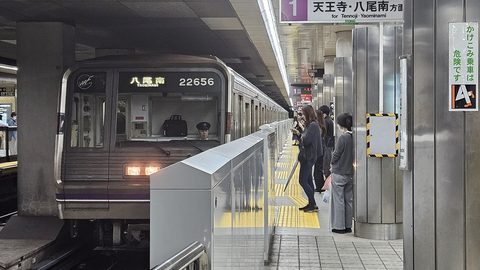 Getting Around Osaka, The Subway, the Private Railways and the Umeda Maze
Osaka's transit is fast but fractured. The Umeda station maze, private railway tickets and the ICOCA card explained before you go.
Getting Around Osaka, The Subway, the Private Railways and the Umeda Maze
Osaka's transit is fast but fractured. The Umeda station maze, private railway tickets and the ICOCA card explained before you go.
-
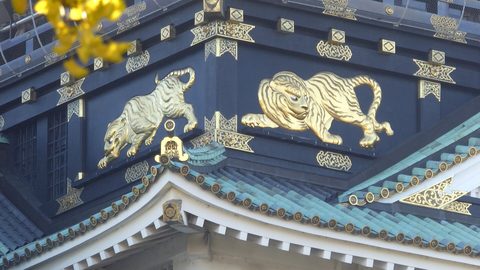 Osaka Castle
's park and moat walks outshine the concrete-reconstructed keep, which houses a museum and observation deck rather than original interiors.
Osaka Castle
Osaka Castle's park and moat walks outshine the concrete-reconstructed keep, which houses a museum and observation deck rather than original interiors.
-
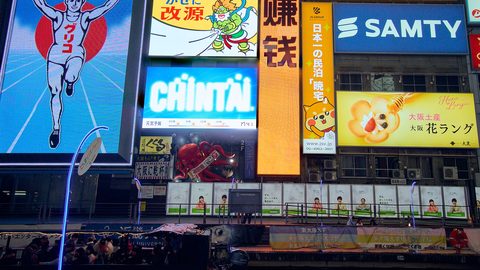 Dotonbori
 is Osaka's neon-lit eating canal, best used as a full-evening food and bar crawl rather than a quick Glico Sign photo stop.
Dotonbori
Dotonbori is Osaka's neon-lit eating canal, best used as a full-evening food and bar crawl rather than a quick Glico Sign photo stop.
-
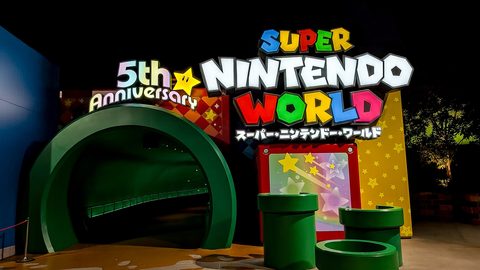 Universal Studios Japan
 demands a full day and a pre-purchased timed-entry ticket; here is whether USJ is worth it and how the ticketing actually works.
Universal Studios Japan
Universal Studios Japan demands a full day and a pre-purchased timed-entry ticket; here is whether USJ is worth it and how the ticketing actually works.