The Best Time to Visit Chiang Mai, With the Burning Season Named First
Best time to visit Chiang Mai, with the burning season named first: February to April air quality, then the cool clear peak months.
The Best Time to Visit Chiang Mai, with the Burning Season Named First
February through April is burning season in Chiang Mai, when agricultural fires push the city's air to hazardous levels for weeks at a time. During peak burning days, Chiang Mai regularly records the highest daily PM2.5 reading of any major city in the world. That is the first thing to understand about timing a visit: the window from November to February is genuinely pleasant, and the window from March to mid-April makes the city actively unsafe to be outside in.
The cool season runs from November to February. Daytime highs range from 28°C to 32°C, and nighttime lows in the city drop to 13-16°C. In the hills and mountains around town, those lows fall to 5-10°C. The air is dry, the skies are clear, and this is the period when Chiang Mai feels like the low-rise, temple-dense city that travellers expect. November is the single best month: the cool season has just started, hotel rates in early November are still below peak, and the Yi Peng and Loy Krathong festivals fall in most years during this month.
The green season runs from May through October. Afternoon and evening thunderstorms are the norm, with the heaviest rain arriving in August and September. Monthly rainfall sits between 130 mm and 250 mm per month during this stretch. The trade-off is that hotel prices drop 40 to 60 percent below cool-season rates for equivalent rooms, and the waterfalls around Chiang Mai reach peak flow from August through October. You trade clear skies for lower costs and fewer crowds.
_18-16.jpg)
Chiang Mai Burning Season: February to April
Burning season is caused by agricultural fires, crop residue burning and forest burning, that send smoke haze across the region. PM2.5 levels regularly exceed 150 µg/m³ during these months, and peak daily readings above 300 µg/m³ occur in March. For reference, the World Health Organization's 24-hour safe guideline is 15 µg/m³. March is the month to avoid entirely: it has the highest frequency of hazardous air quality index days of any month in the year.
During burning season, outdoor activity is not just unpleasant, it is genuinely unsafe for anyone with respiratory issues, children, older travellers, or anyone spending extended time outside. Even healthy adults feel the effects after a few days: sore throats, irritated eyes, and reduced lung function. The smoke haze also ruins views of the mountains that surround the city. If you are planning a trip to Chiang Mai between February and April, check the air quality page regularly and consider shifting your dates to the cool season. An air purifier in your accommodation is not optional during these months; it is a requirement for sleeping without coughing.
Chiang Mai Weather by Month
November to February: Cool Season
Daytime highs sit at 28-32°C, nighttime lows in the city are 13-16°C, and the air is dry. This is the clear peak season, and hotel occupancy in the municipality exceeds 90 percent during the Yi Peng and Loy Krathong festival period. Book accommodation three months ahead if you are coming for the November lantern festivals. The 2026 Loy Krathong and Yi Peng dates are November 24-26. The 2027 dates are November 13-15. These dates are set by the Thai lunar calendar and shift each year, so confirm the exact days with the Tourism Authority of Thailand before booking flights.
March to Mid-April: Burning Season and Extreme Heat
By March, the smoke haze is at its worst and temperatures begin climbing toward the year's peak. April brings extreme heat on top of the hazardous air. Songkran, the Thai New Year water festival, runs April 13-15 every year, and Chiang Mai hosts the largest Songkran celebration in Thailand. The old city moat becomes a multi-day water fight zone, and normal movement becomes impossible for three to five days. If you dislike being drenched or gridlocked, avoid the week of Songkran entirely. April's burning season overlap means you are breathing hazardous air while being soaked in moat water, a combination that is difficult to recommend under any circumstances.
May to October: Green Season
Afternoon thunderstorms arrive, the smoke clears, and the landscape turns green. August and September are the wettest months, with heavy but typically short downpours. The upside is that hotel rates drop by 40 to 60 percent, Doi Inthanon National Park's waterfalls are at their most powerful, and the cafe culture that makes Chiang Mai a digital uPhone base is fully enjoyable indoors. Pack a light rain jacket and plan your morning sightseeing early, before the afternoon storms roll in.
| Season | Months | Daytime High | Nighttime Low | Hotel Price Change | Key Issue |
|---|---|---|---|---|---|
| Cool Season | November–February | 28–32°C | 13–16°C (5–10°C in hills) | Peak rates | Festival crowds in November |
| Burning Season | February–April | 32–38°C | 18–24°C | Moderate | Hazardous PM2.5, extreme heat in April |
| Green Season | May–October | 30–34°C | 20–24°C | 40–60% below peak | Afternoon thunderstorms, heavy rain August–September |
Chiang Mai Loy Krathong and Yi Peng: What to Know
Loy Krathong and Yi Peng are held on the same night, the full moon of the 12th lunar month of the Thai lunar calendar, which typically falls in November. During these festivals, thousands of lanterns are released into the sky and floating baskets are set onto the river. The visual effect is spectacular, but the practical realities matter more. Hotel occupancy in Chiang Mai municipality exceeds 90 percent during this period, and prices reflect that demand. Book accommodation by August if you plan to attend. The old city becomes extremely crowded on the festival nights, and traffic around the moat and the Ping River is gridlocked from late afternoon until past midnight. Songthaews and Grab drivers charge surge pricing or refuse short trips. Plan to stay within walking distance of your accommodation on the festival nights rather than attempting to cross the city.
The 2026 dates are November 24-26, and the 2027 dates are November 13-15. These dates change annually based on the lunar calendar, so check the Tourism Authority of Thailand's website before booking non-refundable flights. If you cannot attend on the exact festival dates, the week before offers a quieter version of the city with cooler weather and rates that have not yet peaked.
Chiang Mai Songkran: the Water Festival Reality
Songkran runs April 13-15 every year, but in Chiang Mai the water fights start a day early and continue for at least a day after. The old city moat becomes the centre of the celebration, with thousands of people throwing water from pickup trucks, buckets, and super soakers. If you are coming for the festival, accept that you will be wet from morning until night and that normal movement is impossible. Scooters become dangerous because wet roads and wet hands reduce control, and police checkpoints increase. Walking is slow because the pavements are narrow, uneven, and often blocked by parked bikes even on a normal day, during Songkran they become impassable in places.
If you are not coming for Songkran, the overlap with burning season gives you two reasons to avoid April. The air quality is hazardous, and the city is in a state of controlled chaos. Arriving on April 16 or later means the water fights are over, but the extreme heat and lingering smoke haze remain. November remains the better choice by every measure.
The One Thing That Most Often Goes Wrong
The most common mistake visitors make in Chiang Mai is underestimating distances and heat. Travellers plan to walk between temples across the old city in midday sun, then run out of energy before reaching the best sights. The old city is a moated square that is far more spread out than most first-timers expect. Wat Phra Singh, Wat Chedi Luang, and Wat Chiang Man look close on a map but the narrow, uneven pavements and the heat between 11:00 and 15:00 turn a fifteen-minute walk into a thirty-minute slog. Use Grab or Bolt for trips longer than ten minutes on foot. Songthaews cost 30-50 THB and run fixed-ish routes. That 200 THB you save by walking is not worth the ruined afternoon.
The second mistake is renting a scooter without an International Driving Permit. Police checkpoints are common, especially around the old city gates and on routes to Doi Suthep. A fine is one thing, voided insurance if you crash is worse. If you arrive without the permit, rely on Grab and songthaews. They work fine for a four-day visit.
Common Questions
What is the absolute worst month to visit Chiang Mai?
March. It has the highest frequency of hazardous air quality index days of any month, with PM2.5 peak daily readings above 300 µg/m³. The smoke haze from agricultural burning is at its worst, and the extreme heat of April has not yet arrived to make the misery complete.
Can I still visit Chiang Mai during burning season and stay safe?
Yes, if you take precautions. Stay indoors as much as possible, run an air purifier in your room continuously, avoid outdoor exercise, and check the air quality page daily. However, the entire point of visiting Chiang Mai is to be outside exploring temples, markets, and nature. Burning season undermines that completely for most travellers.
Is November really the best month, or is that just common knowledge?
It is genuinely the best. The cool season has just started, hotel rates in early November are still below peak season levels, and the Yi Peng and Loy Krathong festivals occur in most years. You get clear skies, dry air, and comfortable temperatures without the extreme crowds of December and January.
How bad is the air quality during burning season in numbers?
PM2.5 regularly exceeds 150 µg/m³ during February through April. Peak daily readings above 300 µg/m³ occur in March. The World Health Organization's safe 24-hour guideline is 15 µg/m³. During peak burning days, Chiang Mai regularly records the highest daily PM2.5 reading of any major city in the world.
Should I skip Chiang Mai entirely and go to the beach instead?
That depends on what you want. Chiang Mai is not for beach seekers, that is stated in the first section of this page. If your priority is clear skies and swimming, go south. If you want temples, food, and culture, come between November and February and you will have a genuinely good trip. Come in March and you will regret it.
Read next
-
 Chiang Mai Hotels by Price Band and Property Type
Chiang Mai hotels by property type and price band, from old city guesthouses to Mae Rim resorts, where the value is the best in Thailand.
Chiang Mai Hotels by Price Band and Property Type
Chiang Mai hotels by property type and price band, from old city guesthouses to Mae Rim resorts, where the value is the best in Thailand.
-
 Where to Stay in Chiang Mai: Old City, Nimman or Riverside
Where to stay in Chiang Mai, broken into the four areas that actually matter: Old City, Nimmanhaemin, Wat Ket riverside and Santitham.
Where to Stay in Chiang Mai: Old City, Nimman or Riverside
Where to stay in Chiang Mai, broken into the four areas that actually matter: Old City, Nimmanhaemin, Wat Ket riverside and Santitham.
-
 Flying to Chiang Mai: CNX Airport, Airlines and Arrival Routes
Flying to Chiang Mai means CNX, a small airport 15 minutes from the old city with no rail link. Here is the arrival flow and cost.
Flying to Chiang Mai: CNX Airport, Airlines and Arrival Routes
Flying to Chiang Mai means CNX, a small airport 15 minutes from the old city with no rail link. Here is the arrival flow and cost.
-
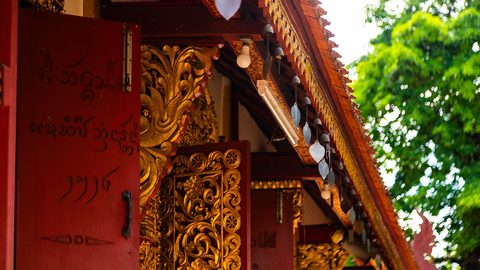 Chiang Mai Things to Do Worth Your Days, Ranked and Argued
Chiang Mai things to do, ranked and argued: the temples, markets and day trips worth your days, and the popular stops you can skip.
Chiang Mai Things to Do Worth Your Days, Ranked and Argued
Chiang Mai things to do, ranked and argued: the temples, markets and day trips worth your days, and the popular stops you can skip.
-
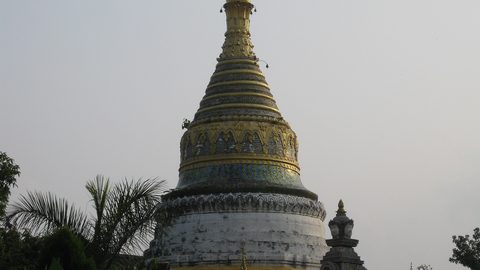 Getting Around Chiang Mai: Grab, Songthaews and Scooter Reality
Getting around Chiang Mai: Grab and songthaew costs, scooter licence checkpoints, airport transfers and why walking is harder than it looks.
Getting Around Chiang Mai: Grab, Songthaews and Scooter Reality
Getting around Chiang Mai: Grab and songthaew costs, scooter licence checkpoints, airport transfers and why walking is harder than it looks.
-
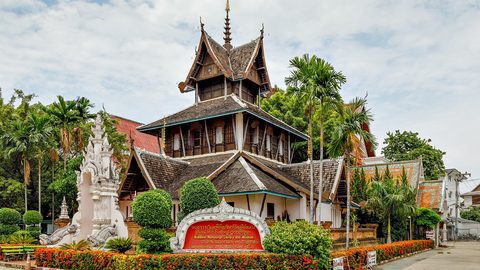 Chiang Mai Itinerary: A Four Day Sequence, Deliberately Incomplete
A four day Chiang Mai itinerary, clustered by area and paced for the heat, deliberately incomplete so the city can fill the gaps.
Chiang Mai Itinerary: A Four Day Sequence, Deliberately Incomplete
A four day Chiang Mai itinerary, clustered by area and paced for the heat, deliberately incomplete so the city can fill the gaps.
-
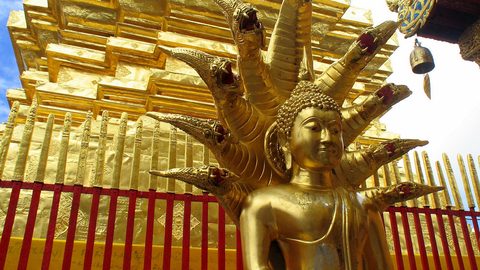 Wat Phra That Doi Suthep
Doi Suthep is a gold chedi above Chiang Mai, but the monk's trail up through Wat Pha Lat is the part almost nobody walks.
Wat Phra That Doi Suthep
Doi Suthep is a gold chedi above Chiang Mai, but the monk's trail up through Wat Pha Lat is the part almost nobody walks.
-
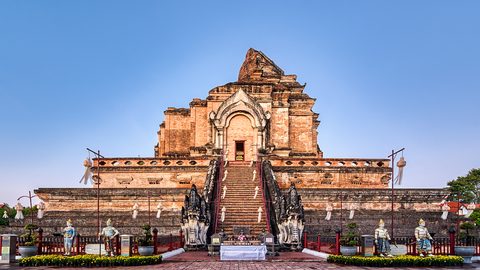 Wat Chedi Luang
 is the biggest ruin in Chiang Mai's old city, and the one temple where you can sit and talk to a monk.
Wat Chedi Luang
Wat Chedi Luang is the biggest ruin in Chiang Mai's old city, and the one temple where you can sit and talk to a monk.
-
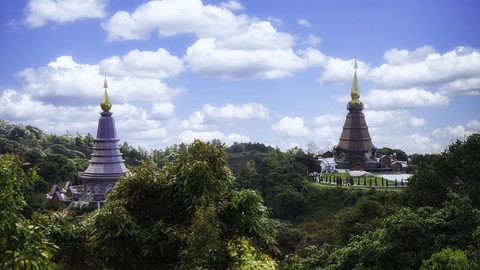 Doi Inthanon
 is 2,565 metres of summit car park in cloud, but the waterfalls, pagodas and trails on the way up are better.
Doi Inthanon
Doi Inthanon is 2,565 metres of summit car park in cloud, but the waterfalls, pagodas and trails on the way up are better.