What a Good Chiang Mai Cooking Class Includes and Costs
A good Chiang Mai cooking class includes a market tour, hands-on curry paste, and northern dishes. Here is what to expect and what to pay.
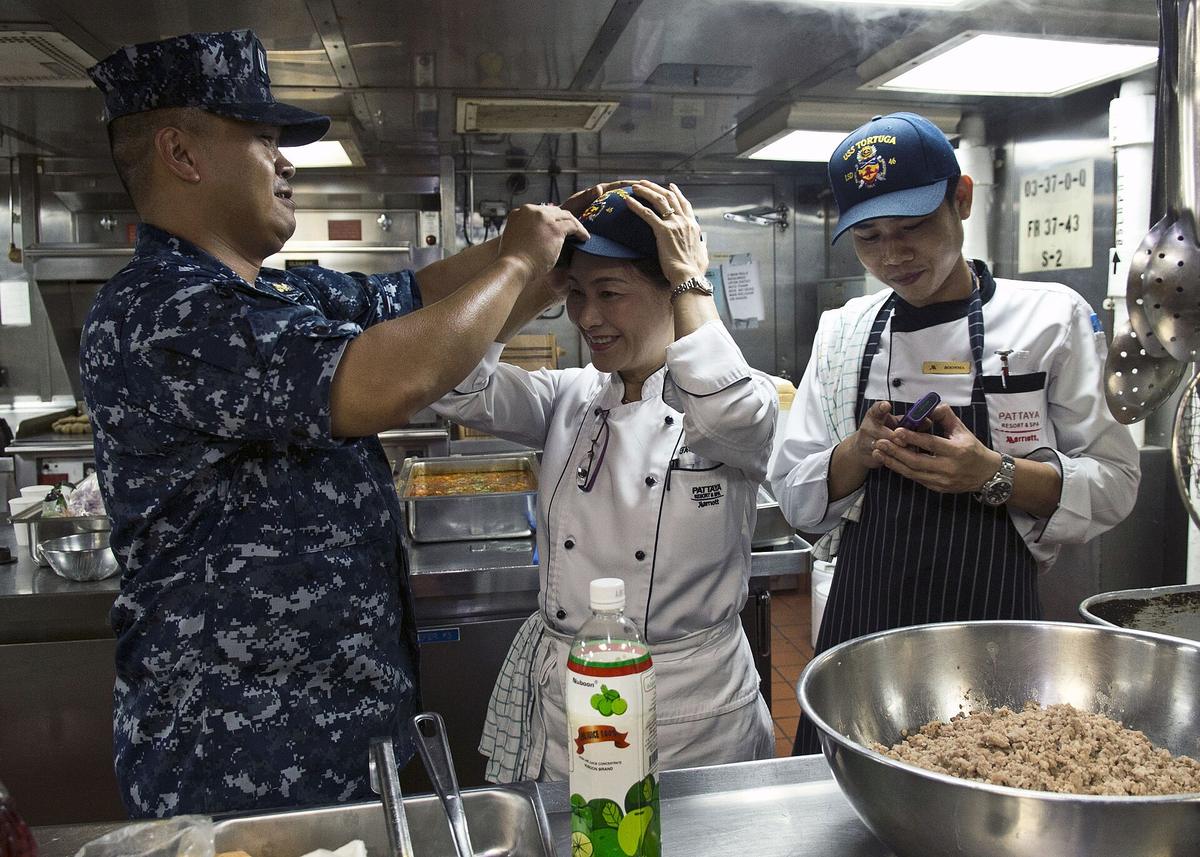

What a Good Chiang Mai Cooking Class Actually Includes
The mistake most visitors make is thinking a cooking class is a cooking demo. You sit, someone stirs a wok, you eat, you get a dogeared recipe card you never open. A good one is the opposite. You do the work. You learn why coconut milk splits, what galangal actually smells like, and how much forearm punishment a pestle and mortar can demand. The half day you spend on a Chiang Mai cooking class is not a break from sightseeing; it is the sight to see. The city hands you the best possible excuse to slow down. You are here for the food first. The rest is a bonus.
Chiang Mai Cooking Classes: the Real Price and What it Buys
Prices for a half day class in Chiang Mai run from 800 to 1,200 baht per person. Full day classes cost 1,200 to 1,800 baht. At the budget end, 700 to 800 baht, you get a school in the old city on Moon Muang Road where the cooking station is shared, the curry paste comes from a tub, and the market visit is a brisk photo stop. At 1,000 baht you should expect a personal wok station, a mortar you use yourself, and a market tour where someone actually names the herbs. At 1,200 to 1,500 baht you start seeing out of town farm settings with ingredients picked from an organic garden. The price ceiling for premium farm classes runs around 2,000 to 2,500 baht. The difference between a budget class and a 1,500 baht class is not snobbery; it is the difference between watching someone else pound red curry paste and doing it yourself until your wrist aches.
Khao Soi Cooking Class Chiang Mai: Why This is the Dish to Choose
Why Khao Soi Is Worth The Mortar Work
Khao soi, the coconut curry noodle soup that is the signature dish of northern Thailand, is the single best reason to book a class. Not all schools teach it. The dish requires a specific curry paste that takes 15 to 25 minutes of mortar work with dried red chilies, turmeric, ginger, shallots, garlic, coriander seed, cardamom, and shrimp paste. Schools that offer khao soi are usually northern Thai focused, often set on a farm or in Hang Dong, and they are worth seeking out. Pantawan Cooking School includes khao soi on its standard menu.
Pick Northern Dishes Over Bangkok Staples
If you book a class without checking the menu, you risk spending your afternoon making pad thai and green curry that any Bangkok food stall does better. Pick khao soi. Then add one northern dish such as sai ua, the herbal sausage, or gaeng hang lay, the pork belly curry with ginger and tamarind. That combination is what makes the class worth it in Chiang Mai specifically. You cannot learn to make a proper khao soi curry paste on YouTube. You can learn anywhere else to stir fry basil and chicken.
Chiang Mai Thai Cooking School: What Separates a Good One from a Filler
Check The Mortar And The Group Size
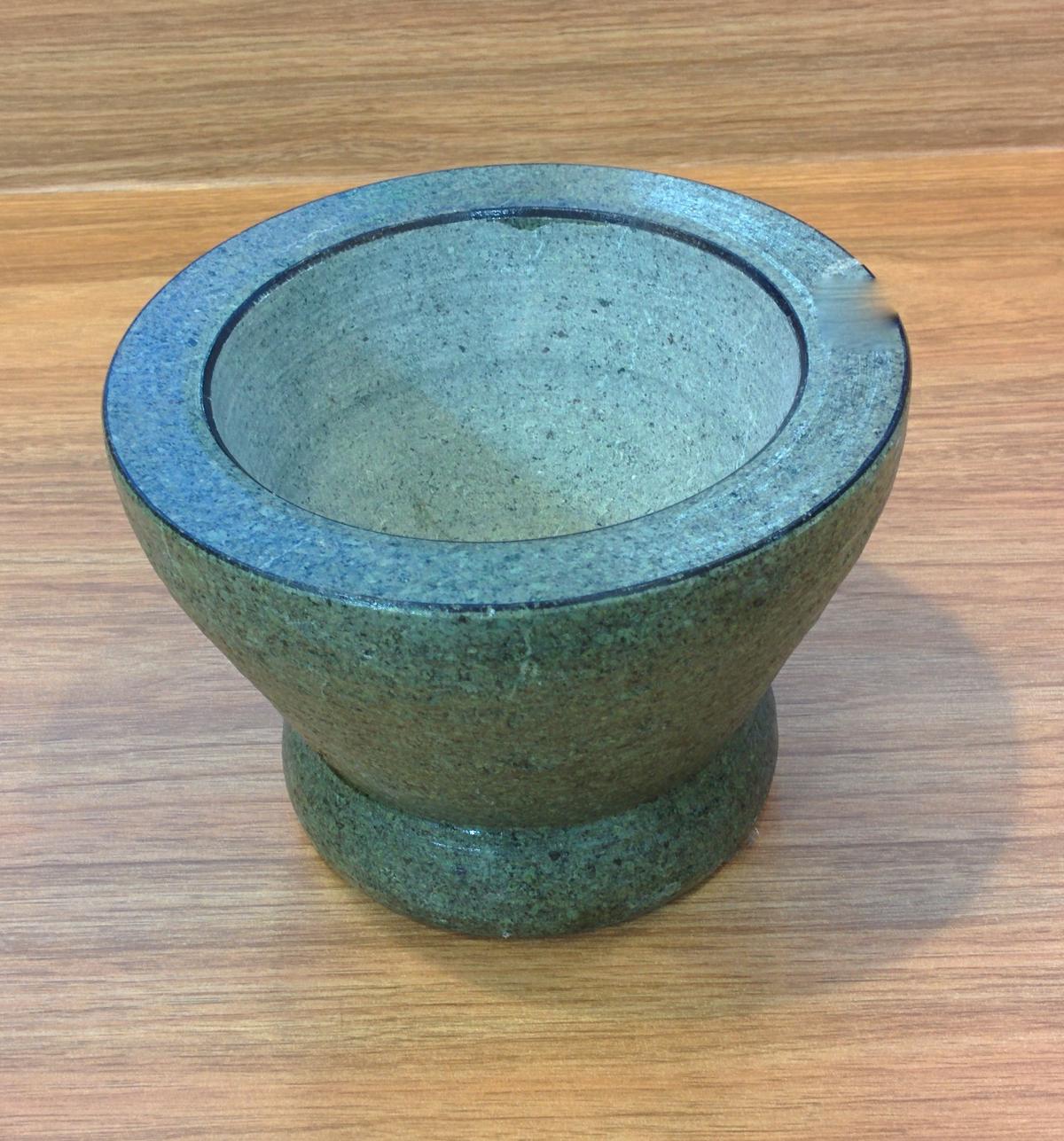
The single clearest quality signal is whether the curry paste is made from scratch in a stone mortar rather than spooned from a tub. A good school hands you a granite or clay mortar, a wooden or stone pestle, and tells you to start grinding. You should have your own cooking station, one carbon steel round bottom wok per person, on a gas burner. Group size matters: under 12 at good schools, 8 to 10 at small schools, up to 20 at large ones. The student to instructor ratio should be one per eight to twelve students.
What The Market Visit Should Teach
The market visit should last 30 to 60 minutes and focus on identification: Thai basil versus holy basil, galangal versus ginger, the difference between fresh and dried turmeric. A farm or garden setting where you pick herbs during the class is a clear advantage, but the transfer time to Hang Dong or Mae Rim schools runs 20 to 45 minutes each way, usually included in the price. Old city schools trade that garden for walkability. Neither is wrong. What is wrong is a class where you never touch a pestle.
Cooking Class Chiang Mai Price: What the Baht Per Person Actually Covers
At the typical half day class price of 800 to 1,200 baht, the ingredients, apron, water, and recipe book are included. A full day class costing 1,200 to 1,800 baht buys more dishes, typically five to seven rather than four to five, plus a slower market visit and farm garden time if the school has one. Evening classes, which run 16:00 to 17:00 start times, are limited to the old city and cost the same as morning half days. Private classes cost 2,500 to 5,000 baht for one to four people. Children often pay 50 to 80 percent of the adult price, with a minimum age for full participation of eight to twelve.
Dietary Needs And Booking Windows
Vegetarian and vegan classes cost 900 to 1,500 baht and are well developed here because Chiang Mai has a strong plant based food culture. At vegetarian schools like May Kaidee's, vegan fish sauce and shrimp paste substitutes are standard. Gluten free and nut free dietary restrictions can be handled with advance notice at most schools. Booking two to five days ahead in high season, November to February, is the safe move. In low season, May to September, same day booking is sometimes possible.
Northern Thai Cooking Class: Choosing Dishes That Matter
A standard menu structure teaches one curry paste, one curry, one stir fry, one soup, one salad, and one dessert. The most common curries taught are red, green, panang, and khao soi. The stir fries are pad thai, pad see ew, cashew chicken, and holy basil. Soups are tom yum, tom kha, and khao soi. Salads are som tam and larb. Desserts are mango sticky rice and banana in coconut milk.
Push For Northern Specialties
Against this safe list, push for northern dishes. Sai ua, the herbal sausage, is best learned from a street grill at Warorot Market and then recreated in class. Nam phrik ong, the tomato mince chilli dip eaten with vegetables, is a northern staple that teaches balance of sour, salty, and hot. Gaeng hang lay, the pork belly curry, uses ginger and tamarind instead of coconut milk, making it a rare dish that teaches an entirely different curry logic. Mango sticky rice is taught year round, but the peak season for fresh mango is April to June; outside that, schools use imported or frozen mango, and the dish loses its point. If you want the real thing, take the class in the hot season. Otherwise, skip it and eat mango sticky rice from a market stall instead.
How a Market Tour Changes the Class
A good school includes a market visit that functions as ingredient focused teaching, not a photo stop. The instructor walks you through Somphet Market on Moon Muang Road or Muang Mai Market north of the old city and names the items: Thai basil with its purple stem, holy basil with its jagged edge and peppery kick, galangal that looks like ginger but tastes like pine and camphor, kaffir lime leaves that must be de veined before use. You buy or are given a small quantity of fresh ingredients that you cook with that day. The market visit lasts 30 to 60 minutes and is usually scheduled for the same morning as the class.
Farm Gardens Versus Old City Convenience
At farm schools, this is followed by a garden tour of 15 to 30 minutes where you pick herbs grown on site: lemongrass, kaffir lime, turmeric, galangal, chilies. The farm setting advantage is that you see the plant whole before you use it. The disadvantage is the transfer time. The old city setting advantage is that you walk out of your guesthouse and into the school. Neither is wrong. The wrong choice is a class that skips the market entirely.
_for_pounding_ingredients.jpg)
| Feature | Half Day (3-4 Hours) | Full Day (5-7 Hours) |
|---|---|---|
| Price range | THB 800 1,200 | THB 1,200 1,800 |
| Dishes taught | 4 to 5 | 5 to 7 |
| Curry pastes made from scratch | 1 | 1 to 2 |
| Market visit duration | 30 to 45 minutes | 45 to 60 minutes |
| Farm garden time | Rarely included | Often included |
| Transfer to out of town farm | Not included | Usually included |
Chiang Mai Market Tour Cooking: Booking Practicalities and What Travels Home
Pickups, Languages, And Recipe Books
Most schools include hotel pickup within a 5 to 10 kilometer radius of the old city, especially farm schools. Transfer vehicles are songthaews or minivans. Meeting points for out of town classes are often Tha Phae Gate or a school office in the old city. Language of instruction is English at nearly all tourist oriented schools. Some larger schools offer Thai, Chinese, or Japanese. The recipe book included at most schools comes in print or PDF, with 5 to 15 recipes per book. Better schools include precise curry paste ratios and substitution notes for ingredients hard to find at home.
What You Cannot Bring Home
Fresh curry paste, fresh kaffir lime leaves, fresh galangal, and fresh turmeric are restricted by many countries' agriculture rules and will be confiscated at customs or airport security. Dried chilies, dried spices, packaged curry paste, and printed recipes all travel safely. If you want to replicate the dish at home, buy the dried ingredients and the recipe. Do not try to carry a bag of wet herbs through immigration. The same applies to carry on luggage: airport security will confiscate fresh pastes.
The One Thing You Must Do After Reading This
Open the menu of the school you are considering and check which dishes are taught on the day you plan to attend. Some schools rotate their menu by day of the week. If your day falls on a rotation that features pad thai and green curry instead of khao soi and gaeng hang lay, change the day or change the school. A class that teaches you a dish you can find in any city is a souvenir that loses its meaning the moment you arrive home. A class that teaches you to pound a northern curry paste from scratch is a skill that lasts.
Read next
-
 Chiang Mai Hotels by Price Band and Property Type
Chiang Mai hotels by property type and price band, from old city guesthouses to Mae Rim resorts, where the value is the best in Thailand.
Chiang Mai Hotels by Price Band and Property Type
Chiang Mai hotels by property type and price band, from old city guesthouses to Mae Rim resorts, where the value is the best in Thailand.
-
 Where to Stay in Chiang Mai: Old City, Nimman or Riverside
Where to stay in Chiang Mai, broken into the four areas that actually matter: Old City, Nimmanhaemin, Wat Ket riverside and Santitham.
Where to Stay in Chiang Mai: Old City, Nimman or Riverside
Where to stay in Chiang Mai, broken into the four areas that actually matter: Old City, Nimmanhaemin, Wat Ket riverside and Santitham.
-
 Flying to Chiang Mai: CNX Airport, Airlines and Arrival Routes
Flying to Chiang Mai means CNX, a small airport 15 minutes from the old city with no rail link. Here is the arrival flow and cost.
Flying to Chiang Mai: CNX Airport, Airlines and Arrival Routes
Flying to Chiang Mai means CNX, a small airport 15 minutes from the old city with no rail link. Here is the arrival flow and cost.
-
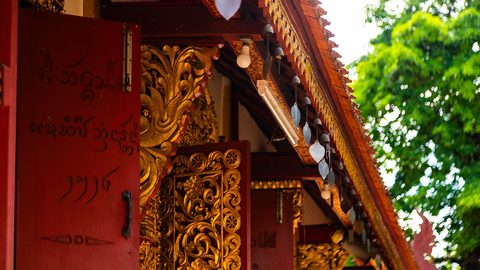 Chiang Mai Things to Do Worth Your Days, Ranked and Argued
Chiang Mai things to do, ranked and argued: the temples, markets and day trips worth your days, and the popular stops you can skip.
Chiang Mai Things to Do Worth Your Days, Ranked and Argued
Chiang Mai things to do, ranked and argued: the temples, markets and day trips worth your days, and the popular stops you can skip.
-
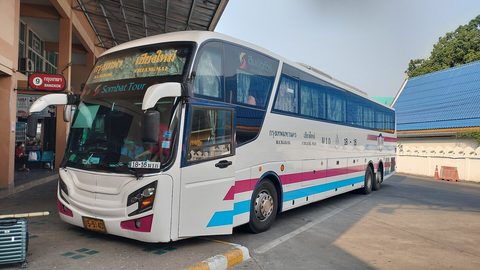 Best Time to Visit Chiang Mai: Burning Season Comes First
Best time to visit Chiang Mai, with the burning season named first: February to April air quality, then the cool clear peak months.
Best Time to Visit Chiang Mai: Burning Season Comes First
Best time to visit Chiang Mai, with the burning season named first: February to April air quality, then the cool clear peak months.
-
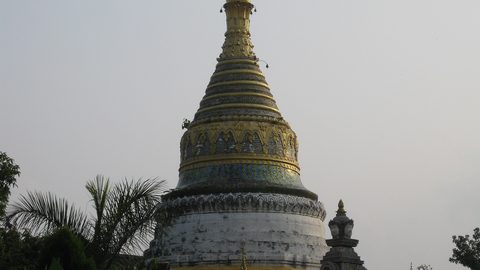 Getting Around Chiang Mai: Grab, Songthaews and Scooter Reality
Getting around Chiang Mai: Grab and songthaew costs, scooter licence checkpoints, airport transfers and why walking is harder than it looks.
Getting Around Chiang Mai: Grab, Songthaews and Scooter Reality
Getting around Chiang Mai: Grab and songthaew costs, scooter licence checkpoints, airport transfers and why walking is harder than it looks.
-
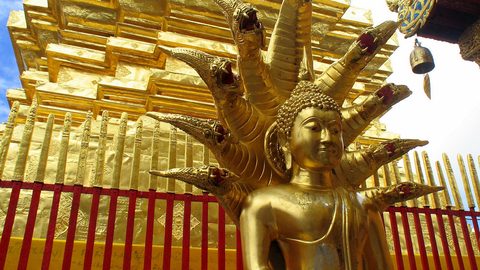 Wat Phra That Doi Suthep
Doi Suthep is a gold chedi above Chiang Mai, but the monk's trail up through Wat Pha Lat is the part almost nobody walks.
Wat Phra That Doi Suthep
Doi Suthep is a gold chedi above Chiang Mai, but the monk's trail up through Wat Pha Lat is the part almost nobody walks.
-
 Wat Chedi Luang
 is the biggest ruin in Chiang Mai's old city, and the one temple where you can sit and talk to a monk.
Wat Chedi Luang
Wat Chedi Luang is the biggest ruin in Chiang Mai's old city, and the one temple where you can sit and talk to a monk.
-
 Doi Inthanon
 is 2,565 metres of summit car park in cloud, but the waterfalls, pagodas and trails on the way up are better.
Doi Inthanon
Doi Inthanon is 2,565 metres of summit car park in cloud, but the waterfalls, pagodas and trails on the way up are better.