Chiang Mai Burning Season: Why It Happens and Whether to Cancel
Chiang Mai burning season runs roughly February to April. Here is why it happens, what the air quality numbers mean, and whether to cancel.
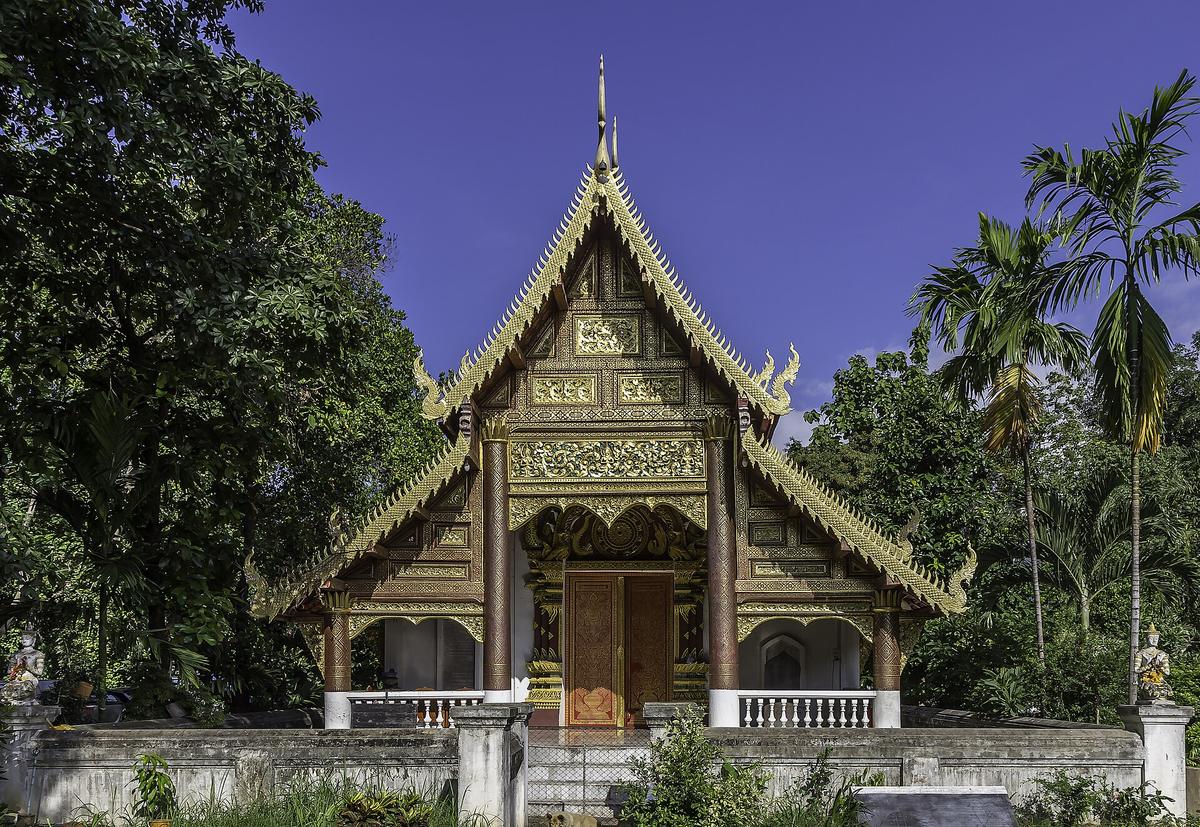

Chiang Mai Burning Season Explained and Whether to Cancel
Do not cancel. Not yet. Mid-March to mid-April is the only window where cancelling a trip to Chiang Mai is rational, and even that window depends on your age, your lungs, and your flexibility. The burning season is real. It is unpleasant. But most travellers who read about it imagine a permanently smoking hellscape. What actually happens is a pollution curve that spikes hard in March, then drops fast as the rains arrive. If your dates fall outside late February through late April, you will see hazy mornings and clear afternoons, not the apocalyptic scenes that make international headlines. If your dates fall inside the peak, you need a decision framework.
Chiang Mai sits in a mountain bowl. That topography, combined with a thermal phenomenon called a smoke inversion, is the reason the pollution hits harder here than in flat parts of the country. Farmers across the north, Myanmar, and Laos burn maize residue to clear fields before the next planting season. That agricultural burning, plus forest fires, produces a haze layer that the inversion traps against the valley floor. The result: PM2.5 numbers that regularly hit 100 to 250 micrograms per cubic metre in March, three to five times the levels in Bangkok during its own worst weeks. The US EPA AQI scale, which Thailand uses, puts anything above 300 in the hazardous category. Chiang Mai has crossed 400 on extreme days. The WHO annual guideline is 5.
The practical question is whether you personally should cancel. The answer depends on three factors: your tolerance for sore throats and eye irritation, whether you belong to a sensitive group, and whether your accommodation has a HEPA air purifier matched to the room size. A healthy adult who sleeps in a filtered room, wears an N95 mask outdoors, and shifts the most physical activities to early morning will survive a five-day visit without lasting damage. The same person doing a two-week trip in March should consider changing dates. An asthmatic child or a pregnant traveller should avoid the entire window. No reason to read further on that: pick dates outside February 20 to April 25 and the problem goes away.
Chiang Mai Air Quality February
February is when the burning season starts visibly, but it is still a usable travel month for most people. The first two weeks of the month typically see AQI numbers in the moderate to unhealthy for sensitive groups range. By the third week, PM2.5 levels begin climbing as the agricultural burning in Mae Hong Son and other northern provinces ramps up. Mornings carry a visible haze layer. Doi Suthep starts to disappear behind smoke by late morning. But the air clears enough by late afternoon for a walk around Wat Chedi Luang without a mask, and the temperatures remain comfortable, with highs around 32°C.
The data to watch comes from IQAir and the Thailand Pollution Control Department. Both publish hourly PM2.5 figures. If you see two consecutive days above 150 on the US EPA AQI scale, the trajectory for the rest of your trip will likely go up, not down. At that point, book a hotel that can confirm a HEPA air purifier in the room. Central Festival Chiang Mai and Maya Lifestyle Shopping Center are good fallback spaces when the outdoor air gets bad; both use commercial filtration that keeps indoor air clean. For this month, the rule is simple: if you are travelling before February 20, you do not need to worry. If you are travelling after, pack an N95 mask and check the daily numbers before you plan mountain day trips.
Chiang Mai Smoke Season: What the AQI Numbers Actually Feel Like
The visibility test is the most honest guide. On a clear November day, you can see the outline of Doi Suthep from Tha Phae Gate without effort. On a March day with an AQI of 150, the mountain looks faded. At 200, you lose the lower slope. At 250 and above, Doi Suthep disappears completely, and the horizon around you compresses to under one kilometre. On the worst days, visibility drops below 500 metres, and the air carries an acrid smell that you taste more than smell.
What 150 AQI Feels Like
Your throat feels dry after two hours outside. Your eyes water intermittently. A healthy adult can walk from Wat Phra Singh to the Night Bazaar without a mask and feel fine, but will notice mild fatigue by evening. Run an air purifier in the room. It is optional but recommended.What 250 AQI Feels Like
Breathing difficulty becomes noticeable during moderate exertion. Climbing the 306 steps to Wat Phra That Doi Suthep is not advisable; skip it and visit Wat Umong or Baan Kang Wat instead, where the forest canopy filters some particulates. Surgical masks do nothing at this level. You need an N95 or FFP2 mask whenever you step outside. Hotels need a HEPA air purifier, not just an air conditioner with a filter. Confirm this with the property before booking.What 300+ AQI Feels Like
Headache within an hour of being outside. Persistent sore throat that does not clear with water. Eye irritation that makes contact lens wear uncomfortable. At-risk groups should not be outside at all. The only rational outdoor activity is walking from a Grab car to a mall entrance. Indoor activities like cooking classes, visits to MAIIAM Contemporary Art Museum, or cafe hopping in Nimmanhaemin are the functional itinerary. If your trip falls in this range, move it.Burning Season Thailand North: Why it Happens and Who is to Blame
The primary crop burned is maize, grown for the animal feed industry. After harvest, farmers across the northern region, Shan State in Myanmar, and parts of Laos set fire to the crop residue because it is the cheapest way to clear the field before the next planting cycle. Thailand has a burning ban under the National Forest Reserve Act and related orders. Enforcement is limited. The practical effect is that the ban reduces burning inside national parks and protected areas, but does not stop it on agricultural land where the farmers live.
The geography makes Chiang Mai the collection point for smoke produced across a region far larger than the city itself. Wind patterns push smoke from Mae Hong Son and the Myanmar border toward the Chiang Mai valley. The thermal inversion, which forms when cooler air gets trapped under warmer air above, holds the haze layer down. That is why Chiang Mai regularly ranks as the world's most polluted city during March, even though most of the fires happen elsewhere. The same fires that cause problems in Chiang Mai also affect Chiang Rai and Lamphun, but the bowl shape of the Chiang Mai valley concentrates the smoke.
For the traveller, the point of understanding the mechanics is to know that clearing skies do not mean the fires have stopped. A single afternoon of strong wind can drop the AQI from 250 to 120 by pushing the smoke out of the valley. The same wind shift can reverse within hours. Do not treat a clear morning as a sign that the season is over. The season ends when the rains start, typically in late April, not when the wind changes.
Chiang Mai March Air Pollution: the Peak Window
March is the worst month. The AQI ceiling rises through the first week, settles in the 200 to 300 range through the third week, and often spikes above 300 in the last week. PM2.5 figures of 250 micrograms per cubic metre are routine. The WHO 24 hour guideline of 15 is exceeded by a factor of fifteen. The Thai safe threshold of 37.5 is exceeded by a factor of six. These numbers are not hypotheticals from a bad year. They are the median March experience.
What You Lose in March
The two best activities in Chiang Mai are the mountain views and the temple climbs. Doi Suthep is pointless from a visibility standpoint: you hike 306 steps for a view of a grey haze layer. Doi Inthanon National Park, the highest peak in the country, suffers from smoke at lower elevations, though the summit area around the two chedis sometimes sits above the inversion layer and offers clearer air. Huay Tung Tao Lake and the Royal Park Rajapruek are both impacted. The only outdoor activities that still work are urban walks that keep you close to indoor escape routes.What Still Works in March
Food tourism is unaffected. Khao soi at a shop inside the old city tastes the same at AQI 300 as at AQI 30. The cooking classes, almost all of which take place indoors with open windows, are fine if you confirm the venue has a filtered air space for the prep areas. The markets, particularly Warorot Market and the Saturday Walking Street on Wua Lai, are crowded enough that moving through them generates less exposure than a quiet walk because the bodies block some particulate movement. Cafes with air purifiers, of which there are many in Nimmanhaemin and the old city, are comfortable for digital uPhone work sessions that last several hours.The Songkran Complication
Songkran falls in mid-April. The water fights make normal movement impossible for three to five days. The combination of extreme heat, high pollution, and being drenched in water that is not always clean makes this the single worst week of the year to visit. Avoid the week of Songkran if you dislike being gridlocked. If your trip falls in April but before or after Songkran, the air quality begins improving rapidly. By April 25, most years show a clear upward trend in visibility.Chiang Mai April Travel Advice: the Recovery Window
April is a month of two halves. The first half, roughly April 1 to April 15, carries the tail end of the burning season. AQI numbers remain in the 150 to 250 range, but the peak of March has passed. The second half, April 16 to April 30, sees a rapid improvement as the first rains arrive. By the last week of April, AQI figures often drop below 100, and the haze layer lifts enough for Doi Suthep to reappear in the morning.
If You Must Travel in Early April
Book accommodation in Nimmanhaemin or the old city with a confirmed HEPA air purifier. Use a Grab or Bolt car with air conditioning for every trip longer than 200 metres; the air inside a moving car is not filtered, but the closed windows and recirculated air keep exposure lower than walking. Plan your day around a single outdoor block of 60 to 90 minutes in the morning, then move to filtered indoor spaces for the afternoon. The malls, particularly Central Festival Chiang Mai and Maya Lifestyle Shopping Center, are effectively clean air refuges. The MAIIAM Contemporary Art Museum, despite being 30 minutes outside the city, has good air conditioning and large gallery spaces that work well for a half day.If You Can Wait Until Late April
Move your dates. The difference between March 25 and April 25 in Chiang Mai is the difference between a hazardous breathing environment and a hazy but pleasant one. The city is quieter in late April because most tourists have not yet realised the burning season is ending. Hotels offer lower rates. The Saturday Walking Street is less crowded. The only downside is the heat: April is the hottest month, with afternoon temperatures above 38°C. But dry air and 38°C is more comfortable than smoky air and 32°C.The Escape Option
If you arrive in mid-March and the air is clearly dangerous, you have two exits. The cleaner option is a two-hour flight to Phuket, Krabi, or Ko Samui, where coastal winds keep the PM2.5 levels low. The cheaper option is a drive to Doi Inthanon summit, which sometimes sits above the inversion layer. Doi Inthanon is 1.5 to 2 hours by car from the old city, and the air at the summit is often clear even when the valley is hazardous. Check the Thai Pollution Control Department figures for Doi Inthanon before driving up. If the summit is clear, spend the day hiking the Kew Mae Pan nature trail and return to the city only for a filtered hotel room.| Month | Typical AQI Range | PM2.5 Range µg/m³ | Visibility of Doi Suthep | Recommended for Sensitive Groups |
|---|---|---|---|---|
| February (first 2 weeks) | 80 120 | 30 60 | Clear to slightly hazy | Yes, with caution above 100 |
| February (last 2 weeks) | 120 180 | 50 90 | Faded by late morning | Caution recommended |
| March | 200 300+ | 100 250+ | Invisible for days at a time | No |
| April (first 2 weeks) | 150 250 | 70 150 | Faded, sometimes visible | No, except late in period |
| April (last 2 weeks) | 80 150 | 30 70 | Reappearing | Yes, with monitoring |
Practical Decision Making for Your Trip
Start with your dates. If your trip falls before February 20 or after April 25, you do not need to read further. Pack a basic N95 mask for the hazy mornings and enjoy the city. If your trip falls in March or early April, run this checklist before you decide to cancel:
- Flexibility with dates: Can you move the trip by three weeks forward or backward? If yes, move it. Do not waste energy deciding whether to cancel; just change the dates.
- Refund window: Check the cancellation policy on your flights and hotels. Many properties in Chiang Mai offer free cancellation up to 24 hours before check in. If yours does not, call and explain the air quality concern. Some properties will waive the penalty during peak burning season because they know the reputation risk.
- Travel insurance: Check your policy for a named pollution or natural event clause. Most standard policies do not cover air quality, but some premium policies do if the AQI exceeds 300 for three consecutive days.
- At risk status: Anyone in your group with asthma, a respiratory condition, or cardiovascular disease should not travel to Chiang Mai in March. The breathing difficulty is not theoretical. It happens within hours of exposure.
- Accommodation quality: If your hotel cannot confirm a HEPA air purifier in the room, upgrade to one that can. The difference between sleeping in filtered versus unfiltered air is the difference between waking up with a sore throat and waking up feeling normal.
If after running this checklist you decide to go, accept that you are trading some of Chiang Mai's best experiences for its indoor ones. You will not get the clear mountain view from Doi Suthep. You will not hike Doi Inthanon without coughing. You will not sit at a riverside cafe in Wat Ket for three hours without eye irritation. But you will eat excellent khao soi, visit temples at 7am before the smoke thickens, drink coffee in a filtered Nimmanhaemin cafe, and leave with a good trip that was not cancelled. For many travellers, that trade off is worth making.
The Single Thing That Goes Wrong
Travellers underestimate the distances and the heat, then plan a walking itinerary across the old city in midday March sun with an AQI of 250. By 1pm, they are exhausted, dehydrated, and breathing hard. The combination of heat exhaustion and particulate exposure creates a headache that lasts the rest of the day. If you insist on walking during burning season, do it between 6am and 9am. After that, use Grab or Bolt for every trip over 500 metres. The 150 to 200 baht you spend on a ride is cheaper than the day you lose to a headache.Read next
-
 Chiang Mai Hotels by Price Band and Property Type
Chiang Mai hotels by property type and price band, from old city guesthouses to Mae Rim resorts, where the value is the best in Thailand.
Chiang Mai Hotels by Price Band and Property Type
Chiang Mai hotels by property type and price band, from old city guesthouses to Mae Rim resorts, where the value is the best in Thailand.
-
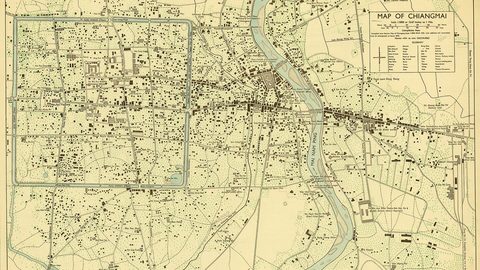 Where to Stay in Chiang Mai: Old City, Nimman or Riverside
Where to stay in Chiang Mai, broken into the four areas that actually matter: Old City, Nimmanhaemin, Wat Ket riverside and Santitham.
Where to Stay in Chiang Mai: Old City, Nimman or Riverside
Where to stay in Chiang Mai, broken into the four areas that actually matter: Old City, Nimmanhaemin, Wat Ket riverside and Santitham.
-
 Flying to Chiang Mai: CNX Airport, Airlines and Arrival Routes
Flying to Chiang Mai means CNX, a small airport 15 minutes from the old city with no rail link. Here is the arrival flow and cost.
Flying to Chiang Mai: CNX Airport, Airlines and Arrival Routes
Flying to Chiang Mai means CNX, a small airport 15 minutes from the old city with no rail link. Here is the arrival flow and cost.
-
 Chiang Mai Things to Do Worth Your Days, Ranked and Argued
Chiang Mai things to do, ranked and argued: the temples, markets and day trips worth your days, and the popular stops you can skip.
Chiang Mai Things to Do Worth Your Days, Ranked and Argued
Chiang Mai things to do, ranked and argued: the temples, markets and day trips worth your days, and the popular stops you can skip.
-
 Best Time to Visit Chiang Mai: Burning Season Comes First
Best time to visit Chiang Mai, with the burning season named first: February to April air quality, then the cool clear peak months.
Best Time to Visit Chiang Mai: Burning Season Comes First
Best time to visit Chiang Mai, with the burning season named first: February to April air quality, then the cool clear peak months.
-
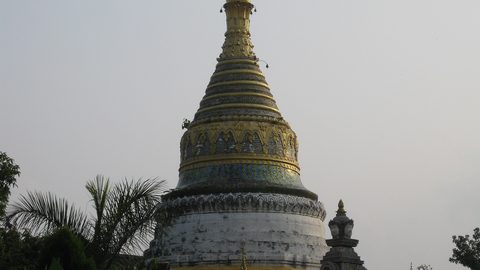 Getting Around Chiang Mai: Grab, Songthaews and Scooter Reality
Getting around Chiang Mai: Grab and songthaew costs, scooter licence checkpoints, airport transfers and why walking is harder than it looks.
Getting Around Chiang Mai: Grab, Songthaews and Scooter Reality
Getting around Chiang Mai: Grab and songthaew costs, scooter licence checkpoints, airport transfers and why walking is harder than it looks.
-
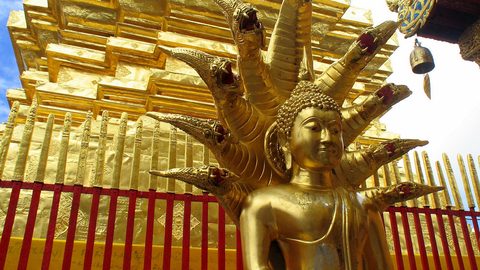 Wat Phra That Doi Suthep
Doi Suthep is a gold chedi above Chiang Mai, but the monk's trail up through Wat Pha Lat is the part almost nobody walks.
Wat Phra That Doi Suthep
Doi Suthep is a gold chedi above Chiang Mai, but the monk's trail up through Wat Pha Lat is the part almost nobody walks.
-
 Wat Chedi Luang
 is the biggest ruin in Chiang Mai's old city, and the one temple where you can sit and talk to a monk.
Wat Chedi Luang
Wat Chedi Luang is the biggest ruin in Chiang Mai's old city, and the one temple where you can sit and talk to a monk.
-
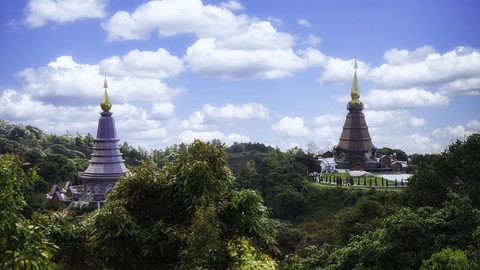 Doi Inthanon
 is 2,565 metres of summit car park in cloud, but the waterfalls, pagodas and trails on the way up are better.
Doi Inthanon
Doi Inthanon is 2,565 metres of summit car park in cloud, but the waterfalls, pagodas and trails on the way up are better.