Where to Stay in Chiang Mai: Choosing Between the Old City, Nimmanhaemin and Riverside
Where to stay in Chiang Mai, broken into the four areas that actually matter: Old City, Nimmanhaemin, Wat Ket riverside and Santitham.
Where to Stay in Chiang Mai: Choosing Between the Old City, Nimmanhaemin and Riverside
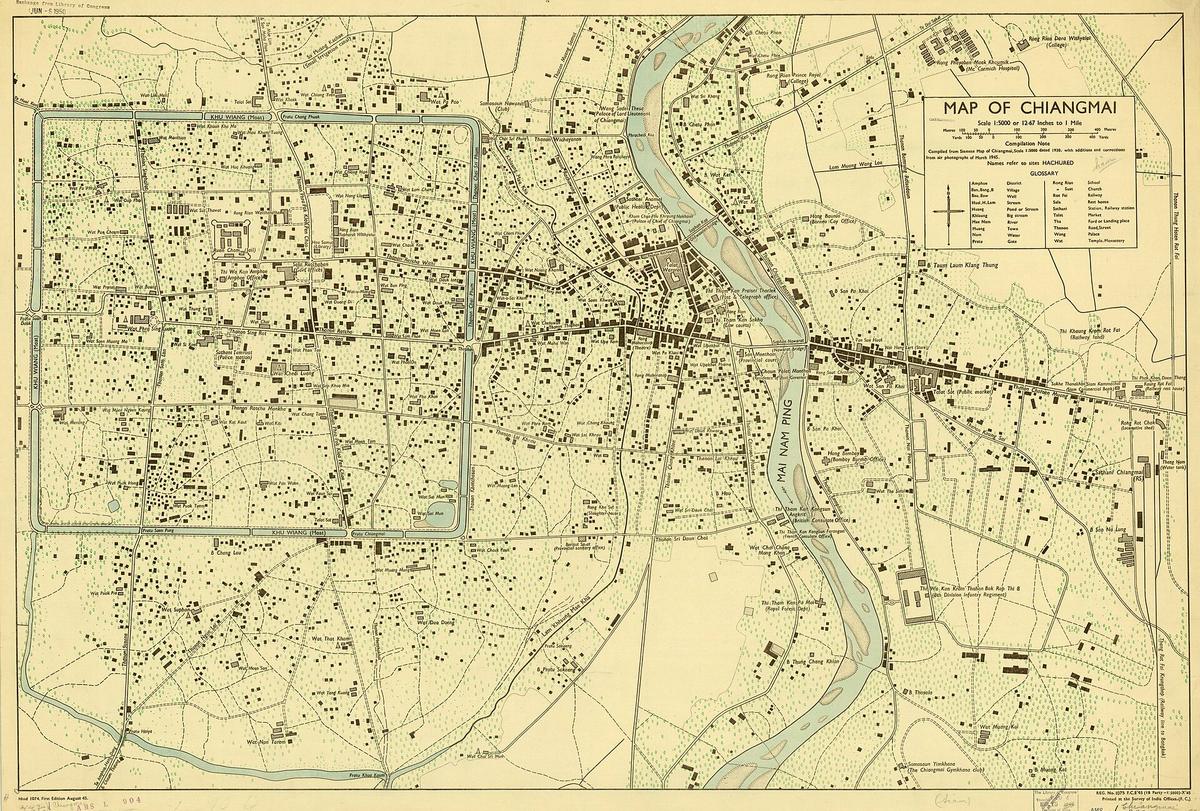
Chiang Mai looks small on a map and feels big on foot. The old city is roughly 1.6 kilometres square, bounded by a moat and the remains of an earthen rampart at Kamphaeng Din. Inside that square sit more than thirty temples, narrow pavements broken or blocked by parked scooters, and a midday heat that punishes anyone who tries to cross it in one go. The real decision about where to stay comes down to which of four realistic areas matches your pace, your budget, and how much noise you can tolerate. Each one exists for a different traveller. The wrong choice wastes daylight you could spend eating khao soi or sitting in a courtyard.
Chiang Mai Areas: the Four That Matter
Chiang Mai is not a big city, but it is spread out enough that picking a base in the wrong district costs you an hour a day in songthaew fares. The four areas that cover almost every traveller's needs are the Old City, Nimmanhaemin, the riverside neighbourhood of Wat Ket, and the northern budget strip of Santitham and Chang Phueak. Everything else either duplicates one of these or requires a car.
Old City: The First Timer's Default
The Old City holds the highest concentration of guesthouses and boutique hotels in Chiang Mai. It also holds Wat Phra Singh, Wat Chedi Luang, and Wat Chiang Man. Do them properly and each one justifies a full morning. The Sunday walking street runs down Ratchadamnoen Road from roughly 16:00 to 22:00, closing the street to traffic and filling it with handicrafts, grilled sai ua sausages, and small plates of khanom jeen nam ngiao. At night the Old City goes quiet after 22:00 or 23:00, which makes it the best choice for solo travellers who need sleep. The downside is the walkability myth. Visitors plan to walk between temples in the morning and find themselves drained by 11:00, buying bottled water from every shop and still sweating through their shirts. Book a room on a soi off Phra Pok Klao or Moon Muang and you can reach the main sights on foot. Book on the far west side near Suan Dok Gate and you are looking at a 20 minute walk to Tha Phae Gate. Location inside the moat matters more than the moat itself.
Nimmanhaemin: Polished Cafes and Co Working
Nimmanhaemin sits west of the moat, roughly 2 to 3 kilometres from Tha Phae Gate, along a main road and its numbered side sois. This is the part of Chiang Mai where repeat visitors and digital nomads settle. The streets are lined with design stores, coffee shops with pour over menus, and co working spaces that charge by the day or month. The crowd is younger, the buildings are newer, and the street food is thinner than in the Old City or Santitham. What this district gives you is a base where you can work, eat well, and walk to a co working space in three minutes. What it costs is the Old City's temple access and the riverside's quiet. If polished cafe life and a young, urban energy are what you want, this is the right area. If you came to Chiang Mai for temples and Saturday walking street, it is a Grab ride away from both.
Wat Ket and Charoenrat: Riverside Calm
East of the Old City, along Charoen Prathet Road and Wat Ket Road, the Ping River creates a strip of low density lodging that the rest of the city does not have. The hotels here are boutique properties and small resorts with river views, courtyards, and in room air purifiers that some mid range and upscale properties now install during burning season. This is the choice for couples who want quiet at night, a resort style stay, and the ability to walk to a handful of riverside restaurants without navigating scooter traffic. The tradeoff is distance from the Old City and Nimmanhaemin. You can walk across the river to the Night Bazaar area, but the Night Bazaar itself is characterless, dominated by chain hotels and tour group properties. For daytime sightseeing you will use a songthaew or a Grab. For evening calm, Wat Ket is the best area in Chiang Mai.
Santitham and Chang Phueak: Local Energy on a Budget
North of the moat, roughly 1 to 2 kilometres from the old city boundary, Santitham and Chang Phueak form a residential zone that travellers on a budget or a long stay should not skip. The street food here is some of the best in Chiang Mai: local khao soi shops where a bowl costs 50 baht, the overnight charcoal pork at the Chang Phueak cowboy lady stall, and small bars that serve cold beer without the Nimman markup. The lodging is basic guesthouses and long stay apartments, not boutique hotels. The noise level is higher than the Old City or Wat Ket because the area has student energy and local traffic. If you want to eat like a resident, spend under 800 baht a night on a room, and trade decor for authenticity, Santitham and Chang Phueak are the right areas. If you need a pool, a co working space, or polished interiors, look elsewhere.

Old City Chiang Mai Accommodation: What to Expect
Lodging in the Old City ranges from dorm beds to boutique doubles. The guesthouse density is the highest in Chiang Mai, which means competition keeps prices reasonable but also means many rooms are in converted shophouses with thin walls. A courtyard room on the far side from the lift gives you the quiet the Old City promises. A room on the street side of a soi near Ratchadamnoen gives you the sound of songthaews and the Sunday walking street crowds until late evening. The nightly rate for a decent private room with air conditioning and a private bathroom runs roughly 800 to 1,500 baht in low season and 1,200 to 2,000 in peak season from November to February. For that price you get walkable access to Wat Chedi Luang, Warorot Market for local snacks, and the Saturday walking street on Wua Lai Road if you stay near Chiang Mai Gate. What you do not get is a pool in many properties, easy parking, or a view. The Old City is low rise and temple dense, and most guesthouses face another wall.
Nimmanhaemin Hotels: The Digital uPhone Base
Nimmanhaemin hotels are newer and pricier than the Old City's. Condo style buildings with co working lobbies, fitness rooms, and rooftop pools dominate the sois between Nimmanhaemin Road and Huay Kaew Road. A studio near Think Park or One Nimman runs 1,200 to 2,500 baht a night in peak season, with long stay discounts for monthly bookings. The area's character is polished and young: coffee shops that roast their own beans, design stores selling home goods you cannot fit in a carry on, and a Saturday morning farmers market at the Chiang Mai International Convention and Exhibition Centre. The main street food option is the nimman night market at the south end of the road, but it is smaller and more expensive than the Old City markets. If you are a digital uPhone or a long stay visitor who values a walkable base with strong 5G coverage from AIS or True, a co working desk, and a cafe on every corner, this is the best area in Chiang Mai. If you want temple views or a local market, you will take a 40 baht songthaew ride to get them.
Chiang Mai Riverside Stay: Wat Ket and Charoenrat
The riverside strip east of the Ping is not a neighbourhood you stumble into. It is a deliberate choice for quiet, river views, and resort style lodging. Wat Ket Road and Charoenrat Road hold a small cluster of boutique hotels set back from the water, with gardens, swimming pools, and restaurants that serve northern Thai staples like gaeng hang lay and nam phrik ong alongside Western options. The nightly rate here starts around 2,000 baht and goes above 5,000 for a room with a river view and a balcony. The tradeoff is isolation from the Old City and Nimmanhaemin. You are a 15 minute walk from the Night Bazaar area and a 10 minute songthaew ride from Tha Phae Gate. The Night Bazaar itself is convenient but characterless, and the chain hotels along Chang Khlan Road attract large tour groups. For the right traveller, the riverside is the best area in Chiang Mai. For a solo traveller who wants street food and walking access to temples, it is too far and too quiet.
Night Bazaar Area and Wua Lai: Convenience and Saturday Walking Street
The Night Bazaar area, east of the moat along Chang Khlan Road between Tha Phae Road and Sridonchai Road, is the default for travellers who book without research. It has chain hotels, tour group buses, and a nightly market that sells the same scarves and lanterns as every other tourist market in Thailand. The area is convenient for shopping and for access to the Old City via Tha Phae Gate, but it lacks character. Wua Lai Road, south of the Old City, is home to the Saturday walking street, which runs every Saturday from roughly 16:00 to 22:00 and is less crowded than the Sunday version. Lodging here is limited to a few guesthouses and one or two boutique options. If you book in the Night Bazaar area, you are choosing convenience over atmosphere. If you book near Wua Lai, you are choosing Saturday walking street access and a quieter southern edge of the Old City.
.jpg)
Santitham and Chang Phueak: Local Budget Energy
Santitham sits north of the moat, west of Chang Phueak Road. This is a residential area where the lodging is basic guesthouses and apartments aimed at Thai students and long stay travellers. The nightly rate can drop to 500 baht for a fan room and 800 baht for air conditioning. The food is the draw: small khao soi shops, street grills for sai ua, and the overnight charcoal pork stall at Chang Phueak that operates from late evening until early morning. The area has small bars but no co working spaces and few boutique hotels. Chang Phueak, the north gate area, is similar but closer to the Old City and more convenient for the street food at the north gate market. If you are on a tight budget, if you want to eat local food every meal, and if you do not need a pool or a design aesthetic, Santitham and Chang Phueak work well. If you need quiet at night or a walkable temple district, they do not.
Mae Rim and Hang Dong Valleys: Resort Stays for Families
The Mae Rim valley north of Chiang Mai and the Hang Dong valley southwest of the Old City are where resort hotels, villa rentals, and nature retreats cluster. Both are roughly 30 minutes by car from the Old City, which means you need a rental car or a willingness to pay for Grab rides to dinner. The lodging is larger and greener than anything inside the city: pools, gardens, in room air purifiers for burning season, and views of the surrounding hills. These valleys suit families who want a pool and space, or travellers who plan to spend most of their time at Doi Suthep, Doi Inthanon National Park, or the elephant camps in Mae Rim. They do not suit solo travellers or couples who want to walk to a temple or a street food stall. The valleys are car dependent, and the research tells you that the travel time to city dining is about 30 minutes each way.
Common Questions
Which area is best for a first time visitor to Chiang Mai?
The Old City. It has the highest concentration of temples, guesthouses, and walking street access. The downside is that the pavements are narrow and uneven, and the heat makes walking across the whole moated area impractical in one go. Choose a room on a quiet soi near Phra Pok Klao or Moon Muang to reduce walking distance.
Is Nimmanhaemin worth the higher price?
Yes, if you are a digital nomad, a long stay visitor, or someone who values coffee shops, co working spaces, and a young polished energy. No, if you came to Chiang Mai primarily for temples, street food, or the Sunday walking street. You will pay 30 to 50 percent more for a room in Nimmanhaemin than in the Old City.
What is the cheapest area to stay in Chiang Mai?
Santitham and Chang Phueak, north of the moat. Rooms start around 500 baht for a fan room and 800 baht for air conditioning. The street food is excellent and local. The tradeoff is noise, basic lodging, and distance from the Old City temples.
Is the riverside area quiet at night?
Yes. Wat Ket and Charoenrat are the quietest areas in Chiang Mai. The low density lodging and the river create a calm atmosphere after dark. The tradeoff is that you are a 10 to 15 minute ride from the Old City and Nimmanhaemin.
When is the best time to visit Chiang Mai?
November to February. The mornings are cool, the air is dry and clear, and November brings the Loy Krathong and Yi Peng festivals. Avoid March to mid April for the agricultural burning that creates hazardous PM2.5 levels, and avoid the week of Songkran in April if you dislike water fights and gridlocked streets.
How many days should I stay in Chiang Mai?
Four days minimum. That gives you time for the Old City temples, a market, a cooking class, and one day trip to Doi Suthep or Doi Inthanon. With fewer days you will rush the best sights or skip a day trip entirely.
Do I need a scooter to get around Chiang Mai?
No. Grab and Bolt are reliable and cheap, and songthaews cost 30 to 50 baht for short rides. If you rent a scooter, you need an International Driving Permit. Police checkpoints are common, and riding without a licence risks fines and voided insurance.
Read next
-
 Chiang Mai Hotels by Price Band and Property Type
Chiang Mai hotels by property type and price band, from old city guesthouses to Mae Rim resorts, where the value is the best in Thailand.
Chiang Mai Hotels by Price Band and Property Type
Chiang Mai hotels by property type and price band, from old city guesthouses to Mae Rim resorts, where the value is the best in Thailand.
-
 Flying to Chiang Mai: CNX Airport, Airlines and Arrival Routes
Flying to Chiang Mai means CNX, a small airport 15 minutes from the old city with no rail link. Here is the arrival flow and cost.
Flying to Chiang Mai: CNX Airport, Airlines and Arrival Routes
Flying to Chiang Mai means CNX, a small airport 15 minutes from the old city with no rail link. Here is the arrival flow and cost.
-
 Chiang Mai Things to Do Worth Your Days, Ranked and Argued
Chiang Mai things to do, ranked and argued: the temples, markets and day trips worth your days, and the popular stops you can skip.
Chiang Mai Things to Do Worth Your Days, Ranked and Argued
Chiang Mai things to do, ranked and argued: the temples, markets and day trips worth your days, and the popular stops you can skip.
-
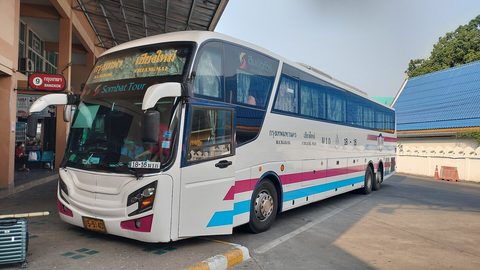 Best Time to Visit Chiang Mai: Burning Season Comes First
Best time to visit Chiang Mai, with the burning season named first: February to April air quality, then the cool clear peak months.
Best Time to Visit Chiang Mai: Burning Season Comes First
Best time to visit Chiang Mai, with the burning season named first: February to April air quality, then the cool clear peak months.
-
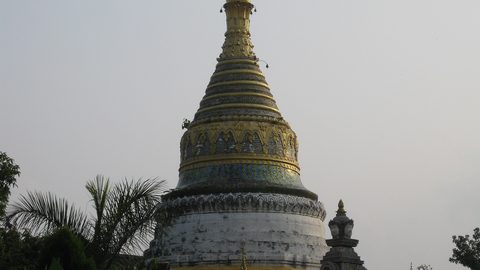 Getting Around Chiang Mai: Grab, Songthaews and Scooter Reality
Getting around Chiang Mai: Grab and songthaew costs, scooter licence checkpoints, airport transfers and why walking is harder than it looks.
Getting Around Chiang Mai: Grab, Songthaews and Scooter Reality
Getting around Chiang Mai: Grab and songthaew costs, scooter licence checkpoints, airport transfers and why walking is harder than it looks.
-
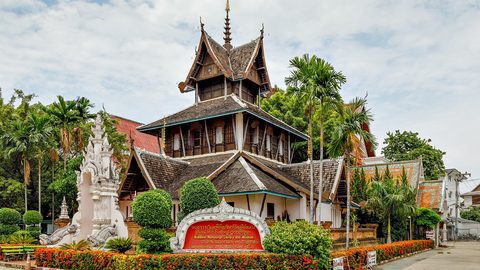 Chiang Mai Itinerary: A Four Day Sequence, Deliberately Incomplete
A four day Chiang Mai itinerary, clustered by area and paced for the heat, deliberately incomplete so the city can fill the gaps.
Chiang Mai Itinerary: A Four Day Sequence, Deliberately Incomplete
A four day Chiang Mai itinerary, clustered by area and paced for the heat, deliberately incomplete so the city can fill the gaps.
-
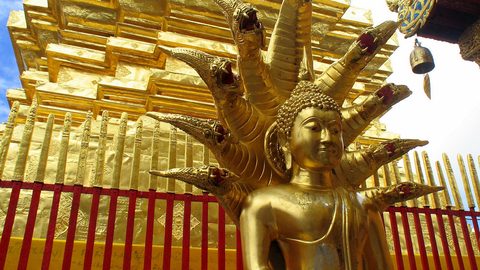 Wat Phra That Doi Suthep
Doi Suthep is a gold chedi above Chiang Mai, but the monk's trail up through Wat Pha Lat is the part almost nobody walks.
Wat Phra That Doi Suthep
Doi Suthep is a gold chedi above Chiang Mai, but the monk's trail up through Wat Pha Lat is the part almost nobody walks.
-
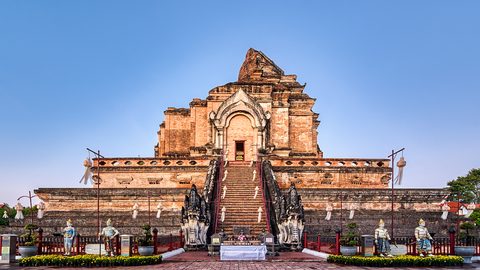 Wat Chedi Luang
 is the biggest ruin in Chiang Mai's old city, and the one temple where you can sit and talk to a monk.
Wat Chedi Luang
Wat Chedi Luang is the biggest ruin in Chiang Mai's old city, and the one temple where you can sit and talk to a monk.
-
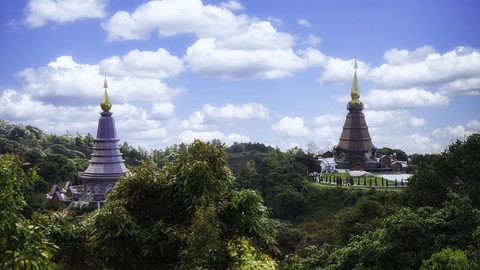 Doi Inthanon
 is 2,565 metres of summit car park in cloud, but the waterfalls, pagodas and trails on the way up are better.
Doi Inthanon
Doi Inthanon is 2,565 metres of summit car park in cloud, but the waterfalls, pagodas and trails on the way up are better.