A Four Day Chiang Mai Itinerary That Clusters Sights and Leaves Gaps
A four day Chiang Mai itinerary, clustered by area and paced for the heat, deliberately incomplete so the city can fill the gaps.
A Four Day Chiang Mai Itinerary That Clusters Sights and Leaves Gaps
It is 07:30 on a November morning. The sun is still low behind Doi Suthep, the air is cool, and the only sound on Ratchadamnoen Road is a monk sweeping stone. You have a Chiang Mai itinerary in your pocket. The smartest thing you can do is ignore half of it. This four-day sequence is deliberately incomplete. Each day clusters the hard work into the morning, hides during the midday heat, and leaves the late afternoon and evening open for whatever you find. No one tells you what to do at 14:00. That space is yours.
Why This Sequence Works and What You Give Up
Chiang Mai is a low-rise, temple-dense city that feels like a sprawling town. The old city is far more spread out than most first-timers expect, and the midday heat can wipe out your will to move by noon. This plan puts the physical work early, clusters sights that sit close to each other, and leaves the hottest hours for food, a cafe, or a cheap Thai massage.
You give up the idea that you can see everything. You cannot. Doi Ang Khang, Chiang Dao, the Mae Hong Son loop, Pai, a Chiang Rai day trip, sticky waterfalls, Huay Tung Tao, San Kamphaeng hot springs, Grand Canyon Chiang Mai, all cut. A week-long version adds a Chiang Rai day trip and a sticky waterfalls and Huay Tung Tao day. Two days means old city only on day one and Doi Suthep and Wat Pha Lat only on day two. Four days is the minimum for the old city, key temples, a market, a cooking class, and one mountain or countryside day without rushing.

Day One: Old City Temples in the Cool Morning
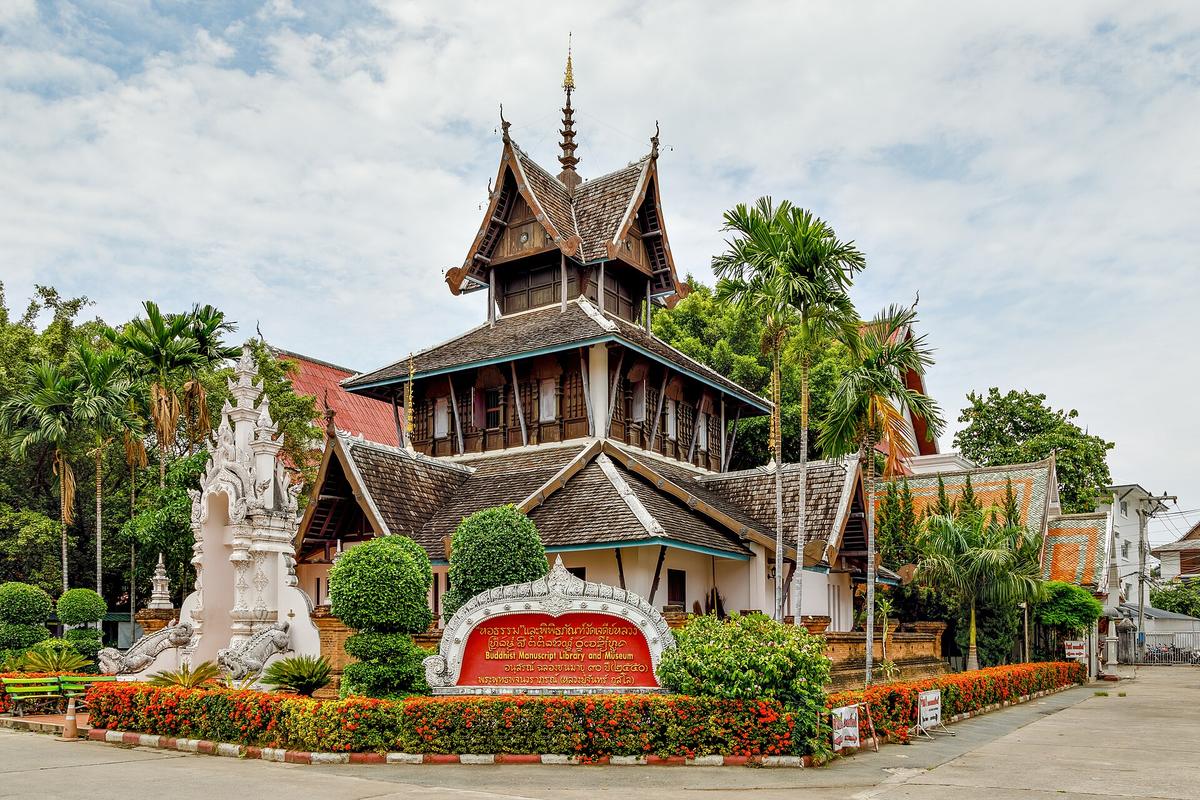
Start at Wat Phra Singh, founded 1345 and home to the Phra Buddha Sihing image. Arrive by 08:00, when the temple is quiet and the morning light hits the main viharn. Walk east on Ratchadamnoen Road to Wat Chedi Luang, construction started in 1391. The original height was 82 metres; the 1545 earthquake collapsed it to the current 60 metres, which still dominates the block. Walk north to the Three Kings Monument, King Mengrai, King Ramkhamhaeng, and King Ngam Muang, in the centre of the old city. Behind it, the Chiang Mai City Arts & Cultural Centre, built 1924 as the provincial hall. Budget one to two hours inside. By 11:30 you are ready for a khao soi lunch. Expect 50 to 120 THB for a bowl of egg noodles in coconut curry broth with chicken or beef, crispy noodles, pickled mustard greens, shallots, and lime.
Midday Heat And The Evening Markets
Midday heat hits between 12:00 and 15:00. Do not fight it. Book a Thai massage, 200 to 400 THB per hour, or a foot massage for 150 to 300 THB per hour. Late afternoon, choose one: the Sunday Walking Street on Ratchadamnoen Road from 16:00 to 22:00, the Saturday Walking Street on Wualai Road from 16:00 to 22:00, or the nightly Chiang Mai Night Bazaar on Chang Khlan Road. The Night Bazaar is touristy and predictable but lively. The walking streets are local and packed. Go early or go hungry.
Day Two: Doi Suthep and Wat Pha Lat as One Mountain Half-Day
Wat Phra That Doi Suthep sits at 1,073 metres elevation, 15 kilometres from the old city. Take a songthaew (30 to 50 THB on the shared route, or negotiate a private trip for around 200 THB one way) or a scooter. The temple was founded in 1383. Climb the 306 naga staircase steps or take the tram. The foreigner entrance fee was 30 THB in the most recent guide. Confirm at the ticket window. The main terrace viewpoint gives you the city spread below. If the air is hazy, skip the photos and move on.
The Monk's Trail And Wat Pha Lat
Do not drive straight up. Start near Chiang Mai University, off Suthep Road, and hike the monk's trail. It takes 45 to 60 minutes one way with roughly 300 metres of elevation gain. The trail ends at Wat Pha Lat, also known as Wat Sakithaka, a jungle temple set into the hillside roughly halfway between the university and Doi Suthep. It is quieter, green, and feels like the version of Chiang Mai you saw in someone's Instagram before it got crowded. From Wat Pha Lat, follow the road up to Doi Suthep or flag a songthaew for the remaining few kilometres.
Nimmanhaemin In The Afternoon
Descend by 12:30. Head to Nimmanhaemin Road, locally called Nimman, which runs southwest from Huay Kaew Road near Chiang Mai University. The numbered side streets, Soi 1 through Soi 17, hold polished cafes, co-working spaces, and air-conditioned shops. This is where the digital nomads and young crowd hang out. Eat, sit, charge your phone, and do not feel guilty about doing nothing until dinner.
Chiang Mai 4 Days: the Cooking Class and Market Day
Day three is for food. A cooking class in Chiang Mai runs three to four hours, includes a market visit and a full meal, and costs 800 to 1,500 THB per person. Common dishes taught are tom yum, pad thai, green curry, mango sticky rice, and som tam. Book the morning session. The market tour happens before the heat peaks, and you eat lunch as your own cooking. Schools pick you up from your guesthouse or hotel, so you do not need transport.
Warorot Market And Riverside Dinner
After the class, walk off the food at Warorot Market, called Kad Luang by locals. It sits between Tha Phae Road and Chang Moi Road near the Ping River, open roughly 06:00 to 18:00 daily. This is a working wet market: fresh produce, dry goods, northern Thai food, textiles, flowers. It is not a souvenir market. Buy sai ua, the herbal northern sausage, from a street grill. Try nam phrik ong, the tomato-mince chilli dip. Do not buy a printed T-shirt here. In the evening, head to the Ping River area between Nawarat Bridge and Iron Bridge. Riverside dining runs 150 to 600 THB per main dish. Sit on a terrace, eat gaeng hang lay, northern pork belly curry with ginger and tamarind, and watch the river move.
| Option | Who It Fits | Time Required | Cost Range |
|---|---|---|---|
| Elephant Sanctuary (Ethical) | Families, animal lovers, slow travellers | Full day, 06:30 to 16:00 | 2,500–3,500 THB per person |
| Doi Inthanon National Park | Hikers, photographers, cold-weather seekers | Full day, 07:00 to 17:00 | 1,000–1,800 THB per person (tour) or 300 THB park entry plus transport |
| Rest Day: Cafes And Do Nothing | Anyone exhausted by day three | Zero obligations | 200–500 THB |
Chiang Mai Old City Itinerary: the Two-Day Version
If you have only two days, cut everything outside the old city. Day one is the full old city route above: Wat Phra Singh, Wat Chedi Luang, Three Kings Monument, the Arts & Cultural Centre, khao soi lunch, massage, and a walking street or the Night Bazaar. Day two is Doi Suthep and Wat Pha Lat only. Morning hike, temple, Nimman afternoon, early dinner. No cooking class. No market. No countryside. This pace is tight but functional. Do not add a third thing to either day.
Doi Suthep Itinerary: a Standalone Half-Day
If you skip everything else, do not skip Doi Suthep. The half-day plan: leave the old city by 07:00, take a songthaew to the monk's trail start near Chiang Mai University, hike 45 to 60 minutes to Wat Pha Lat, rest there, then continue up to the main temple. Spend one hour on the Doi Suthep terrace. Descend by 11:00. You are back in the old city in time for a khao soi lunch and a nap. Do not attempt this hike after 10:00. The sun hits the exposed sections of trail and the humidity climbs fast.
Chiang Mai Day Trips: the Countryside Option
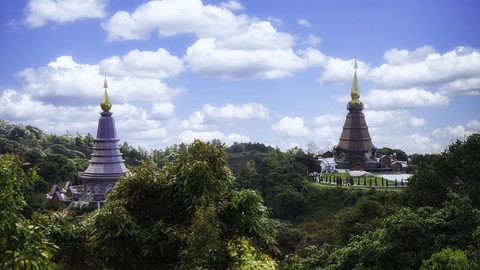
For day four, the countryside option that works without a tour is Huay Tung Tao Lake, a reservoir with bamboo huts, swimming, and basic food. It is 30 minutes north of the old city by scooter or songthaew. Entry is around 30 to 50 THB. Rent a bamboo hut on the water for 100 to 200 THB. Bring a towel and a book. If the air quality is good, Doi Inthanon National Park is the full-day version, the highest peak in Thailand at 2,565 metres, 60 to 70 kilometres from the old city, a 1.5 to 2 hour drive one way. The foreigner entrance fee in the most recent published rates was 300 THB per adult and 150 THB per child, but the park revises fees annually. Check the Department of National Parks website for the current figure. Key stops are the summit, the twin royal pagodas built in 1987 and 1992, the Ang Ka nature trail, and two waterfalls: Wachirathan and Sirithan. A full-day tour from Chiang Mai runs 8 to 10 hours, 1,000 to 1,800 THB per person including the park entry. Do not drive yourself on the mountain roads if you have not ridden steep bends before.
The Common Mistake This Itinerary Prevents
The most frequent error first-time visitors make is underestimating distances and heat. They plan to walk between temples across the old city in the midday sun, then run out of energy before the best sights. This sequence runs the big distance in the cool morning and plants you in a massage room or a riverside terrace by 14:00. What you do with the gaps is yours. But if you ignore the one warning, that the old city is bigger than you think, the sun is harsher than you remember, and a cooking class is not a rest day, nothing will save you. The plan works when you trust the gaps.
Common Questions
Can I do this itinerary in a different order?
Do not swap the cooking class to day two unless you are okay missing Doi Suthep's morning cool. The mountain day requires the best weather window, which is November to February. The old city day works in any order because it stays in shade. Swap day four with day two if you booked an elephant sanctuary that is only available Thursday.
What do I do if I cannot handle the heat?
Cut the monk's trail. Drive or songthaew directly to Doi Suthep. Skip the viewpoint at midday. Move the walking street visit to after 18:00. Extend the massage session. You lose the trail's forest feel but gain an hour of air conditioning.
Is this itinerary good for burning season?
No. March is the peak of burning season, with an AQI range that goes from 100 into the 300s. Doi Suthep viewpoint, the monk's trail, Doi Inthanon summit, and any outdoor walking portion of an elephant sanctuary become health risks. Switch to indoor cooking classes, the Lanna Folklife Museum opposite the Three Kings Monument (foreigner entrance fee 90 THB in the latest rate), art galleries in Nimman, Maya Lifestyle Shopping Centre, or Central Festival Chiang Mai. Visit between November and February instead.
Do I need a scooter?
No. A scooter unlocks San Kamphaeng hot springs and Hang Dong garden cafes, but this itinerary works entirely with songthaews, Grab, and Bolt. Renting a scooter without an International Driving Permit risks fines and voided insurance. Police checkpoints in the old city and on Nimman road are common. If you ride, carry the permit, wear a helmet, and do not drink.
What happens to my plan during Songkran?
Songkran in mid-April makes normal movement impossible for three to five days. Water fights block every major road. Songthaews stop running or charge triple. If you are in Chiang Mai for Songkran, accept that you will not follow any itinerary. Stay in the old city, wear clothes that dry fast, and guard your phone in a waterproof pouch.
Read next
-
 Chiang Mai Hotels by Price Band and Property Type
Chiang Mai hotels by property type and price band, from old city guesthouses to Mae Rim resorts, where the value is the best in Thailand.
Chiang Mai Hotels by Price Band and Property Type
Chiang Mai hotels by property type and price band, from old city guesthouses to Mae Rim resorts, where the value is the best in Thailand.
-
 Where to Stay in Chiang Mai: Old City, Nimman or Riverside
Where to stay in Chiang Mai, broken into the four areas that actually matter: Old City, Nimmanhaemin, Wat Ket riverside and Santitham.
Where to Stay in Chiang Mai: Old City, Nimman or Riverside
Where to stay in Chiang Mai, broken into the four areas that actually matter: Old City, Nimmanhaemin, Wat Ket riverside and Santitham.
-
 Flying to Chiang Mai: CNX Airport, Airlines and Arrival Routes
Flying to Chiang Mai means CNX, a small airport 15 minutes from the old city with no rail link. Here is the arrival flow and cost.
Flying to Chiang Mai: CNX Airport, Airlines and Arrival Routes
Flying to Chiang Mai means CNX, a small airport 15 minutes from the old city with no rail link. Here is the arrival flow and cost.
-
 Chiang Mai Things to Do Worth Your Days, Ranked and Argued
Chiang Mai things to do, ranked and argued: the temples, markets and day trips worth your days, and the popular stops you can skip.
Chiang Mai Things to Do Worth Your Days, Ranked and Argued
Chiang Mai things to do, ranked and argued: the temples, markets and day trips worth your days, and the popular stops you can skip.
-
 Best Time to Visit Chiang Mai: Burning Season Comes First
Best time to visit Chiang Mai, with the burning season named first: February to April air quality, then the cool clear peak months.
Best Time to Visit Chiang Mai: Burning Season Comes First
Best time to visit Chiang Mai, with the burning season named first: February to April air quality, then the cool clear peak months.
-
 Getting Around Chiang Mai: Grab, Songthaews and Scooter Reality
Getting around Chiang Mai: Grab and songthaew costs, scooter licence checkpoints, airport transfers and why walking is harder than it looks.
Getting Around Chiang Mai: Grab, Songthaews and Scooter Reality
Getting around Chiang Mai: Grab and songthaew costs, scooter licence checkpoints, airport transfers and why walking is harder than it looks.
-
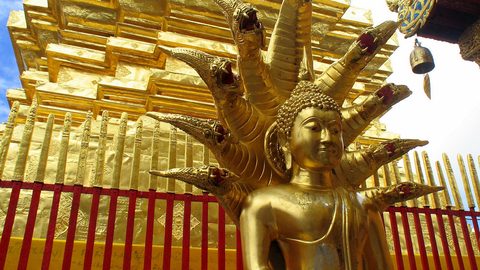 Wat Phra That Doi Suthep
Doi Suthep is a gold chedi above Chiang Mai, but the monk's trail up through Wat Pha Lat is the part almost nobody walks.
Wat Phra That Doi Suthep
Doi Suthep is a gold chedi above Chiang Mai, but the monk's trail up through Wat Pha Lat is the part almost nobody walks.
-
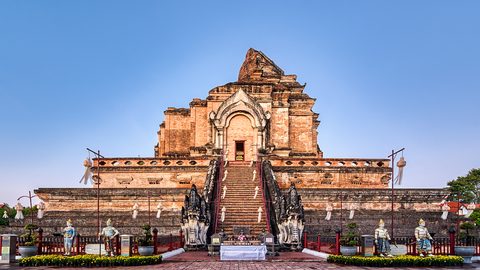 Wat Chedi Luang
 is the biggest ruin in Chiang Mai's old city, and the one temple where you can sit and talk to a monk.
Wat Chedi Luang
Wat Chedi Luang is the biggest ruin in Chiang Mai's old city, and the one temple where you can sit and talk to a monk.
-
 Doi Inthanon
 is 2,565 metres of summit car park in cloud, but the waterfalls, pagodas and trails on the way up are better.
Doi Inthanon
Doi Inthanon is 2,565 metres of summit car park in cloud, but the waterfalls, pagodas and trails on the way up are better.