What Chinese New Year in Hong Kong Is Really Like
Flower markets, a night parade, fireworks over the harbour, and a lot of closed restaurants. What to know before booking Hong Kong for Chinese New Year.
.jpg)
What Chinese New Year in Hong Kong is Really Like
Most independent restaurants in Hong Kong shut for three to seven days during Chinese New Year. That single fact determines whether you eat well or eat convenience store sandwiches. The festival is spectacular. It is also the most inconvenient time of year to visit. A travel plan that ignores closures will fail. What actually closes, what stays open, and how to handle the multi day shutdown so you spend your time watching fireworks rather than hunting for dinner.
The festival follows the Chinese lunisolar calendar and falls between 21 January and 20 February each year. For 2027 the date is 6 February. The Hong Kong Observatory publishes the official dates. The run up matters more than the holiday itself. Flower markets open three to seven days before New Year's Day. Eateries begin shutting on New Year's Eve. Hotels spike to two to three times normal rates. Flights cost one and a half to two and a half times the usual price. Arrive prepared for crowds, closures and price surges or do not arrive at all.
Hong Kong during Chinese New Year is both spectacular and inconvenient. The harbour fireworks draw 250,000 to 400,000 people. The night parade fills Tsim Sha Tsui. The flower market at Victoria Park stays open through the night before New Year's Day. But those experiences sit inside a city where dai pai dongs and hole in the wall noodle shops vanish for a week. You need a strategy.
Hong Kong CNY Closures: What Shuts and What Stays Open
Many small eateries shut from New Year's Day for three to seven days with no notice posted in advance. The closure pattern is predictable: New Year's Eve dinner is the big family meal at home, so dining rooms fill early and most close after the dinner service. Day 1 through Day 3 see the deepest shutdown. Independent wonton noodle shops, roast goose specialists, claypot rice stalls and cha chaan tengs are the ones that disappear. Chain outlets, hotel dining rooms and food courts in shopping malls stay open. International fast food operates normally.
Supermarkets and convenience stores run on reduced hours but stay open. MTR runs all night on New Year's Eve and normal service on Day 1, Day 2 and Day 3. Taxis are scarce because drivers take the holiday too. The Star Ferry runs. The Peak Tram runs. Museums and major attractions operate with adjusted hours. Check individual websites before going.
How to Eat Well During the Shutdown
Book hotel dining rooms in advance. They add a 10 to 20 percent service charge on top of the normal 10 percent during the holiday period, but they are open. Reserve a table at a hotel dim sum spot for Day 1 lunch. For dinner on New Year's Eve, book by mid December. The banquet halls fill by early evening and will not take walk ins.
For cheaper meals, head to shopping centre food courts in Causeway Bay, Tsim Sha Tsui and Mong Kok. Mall outlets have corporate leases that keep them open. Eat egg waffles and pineapple buns with butter from street stalls that remain; some vendors work through the holiday. Hong Kong style milk tea is available at cha chaan tengs in tourist areas that stay open for the visitor trade. Carry cash. Small notes under HK$100 are essential because many places that do stay open are cash only.
Flower Market Victoria Park CNY: the Late Night Spectacle You Cannot Miss
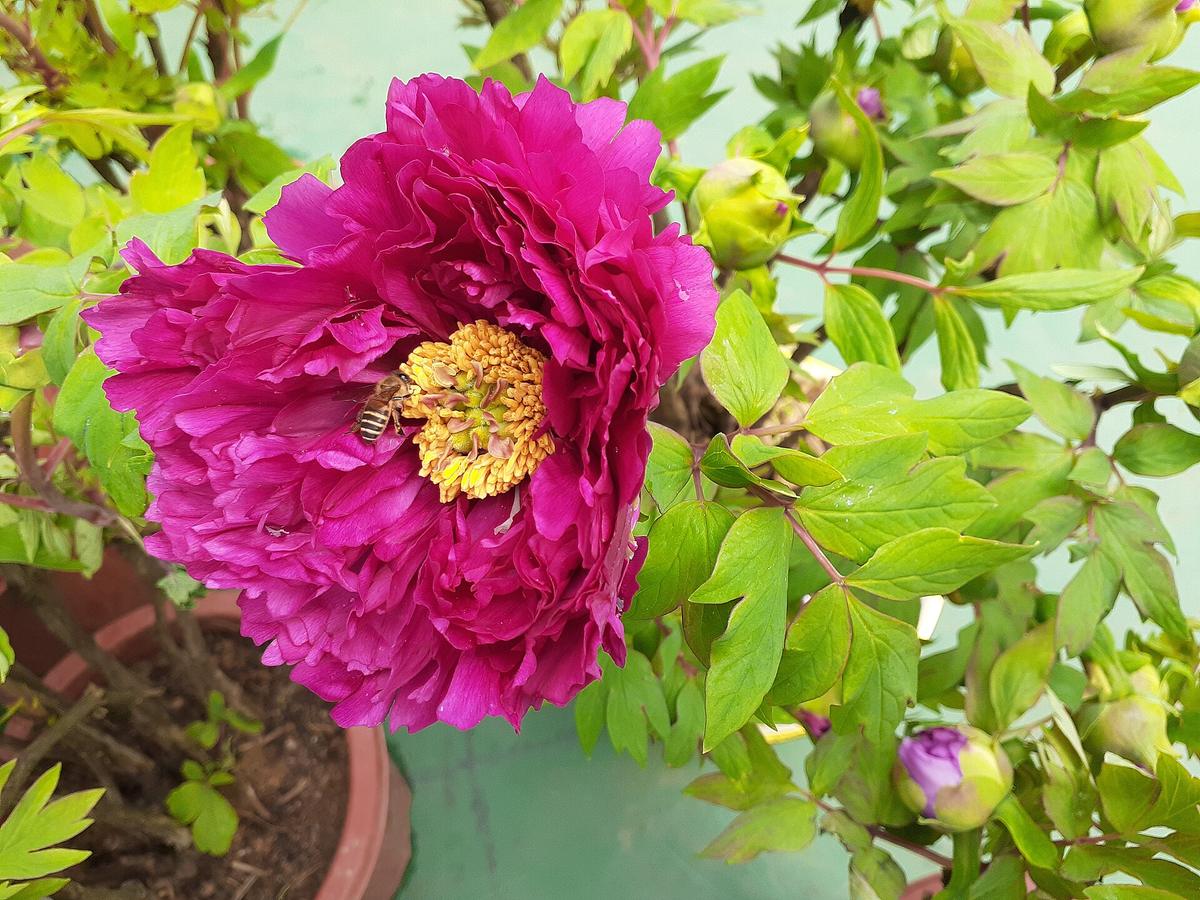
The flower market at Victoria Park in Causeway Bay is the largest in Hong Kong and runs for three to seven days before New Year's Day. It closes through the night before the holiday. Peak hours are 20:00 to midnight on New Year's Eve. Go then. The atmosphere shifts from daytime shopping to a carnival. Stalls sell peach blossoms, orchids, kumquat trees and chrysanthemums. The crowd is dense and the energy is high. This is not a quiet stroll. It is a controlled crush of families buying plants that symbolise prosperity and good fortune for the coming year.
Arrive by MTR to Causeway Bay station and exit through the Jardine's Crescent or Times Square exits. The wrong exit in Causeway Bay puts you ten minutes and several footbridges from the park. Follow the crowd. No bag is comfortable here. Carry only what fits in a crossbody pouch. Cash is required. Most stallholders do not take cards. Expect to spend HK$50 to HK$300 on a plant depending on size and variety.
The Victoria Park market is worth your limited days. The smaller markets at Fa Hui Park in Mong Kok and across the New Territories serve local neighbourhoods but do not match the scale. One night at Victoria Park is enough. Go on New Year's Eve after 21:00, spend 45 minutes walking the stalls, then leave before midnight to avoid the worst of the exit crush.
Hong Kong New Year Parade Route: Where to Watch and What to Skip
The International Chinese New Year Night Parade runs on Day 1 starting at 20:00. The route follows the Tsim Sha Tsui waterfront area. It lasts approximately two hours. Floats, marching bands, dance troupes and performers move along a route that begins near the Hong Kong Cultural Centre and progresses along Salisbury Road and Nathan Road toward the harbour. The parade is famous. It is also shoulder to shoulder crowded for the entire duration.
Arrive by 18:30 to claim a spot at the barrier. The best viewing is near the start of the route at the Cultural Centre. The crowd thins slightly toward the middle section around the Peninsula Hotel. Avoid the end of the route near the InterContinental Hotel where the crowd is thickest and the view is worst. Bring nothing you cannot hold in one hand. No chairs, no tripods, no large bags. The crowd density does not allow them.
Is the parade worth it? Yes, once. If you have seen one Chinese New Year parade in another city, skip this one and spend the evening at the flower market instead. The parade is a 20 minute walk from Victoria Park. You cannot do both in the same night because the timing overlaps. Choose the parade if you want choreographed performance. Choose the market if you want the raw local energy.
Hong Kong Fireworks Harbour CNY: Where to Stand and How Early to Arrive
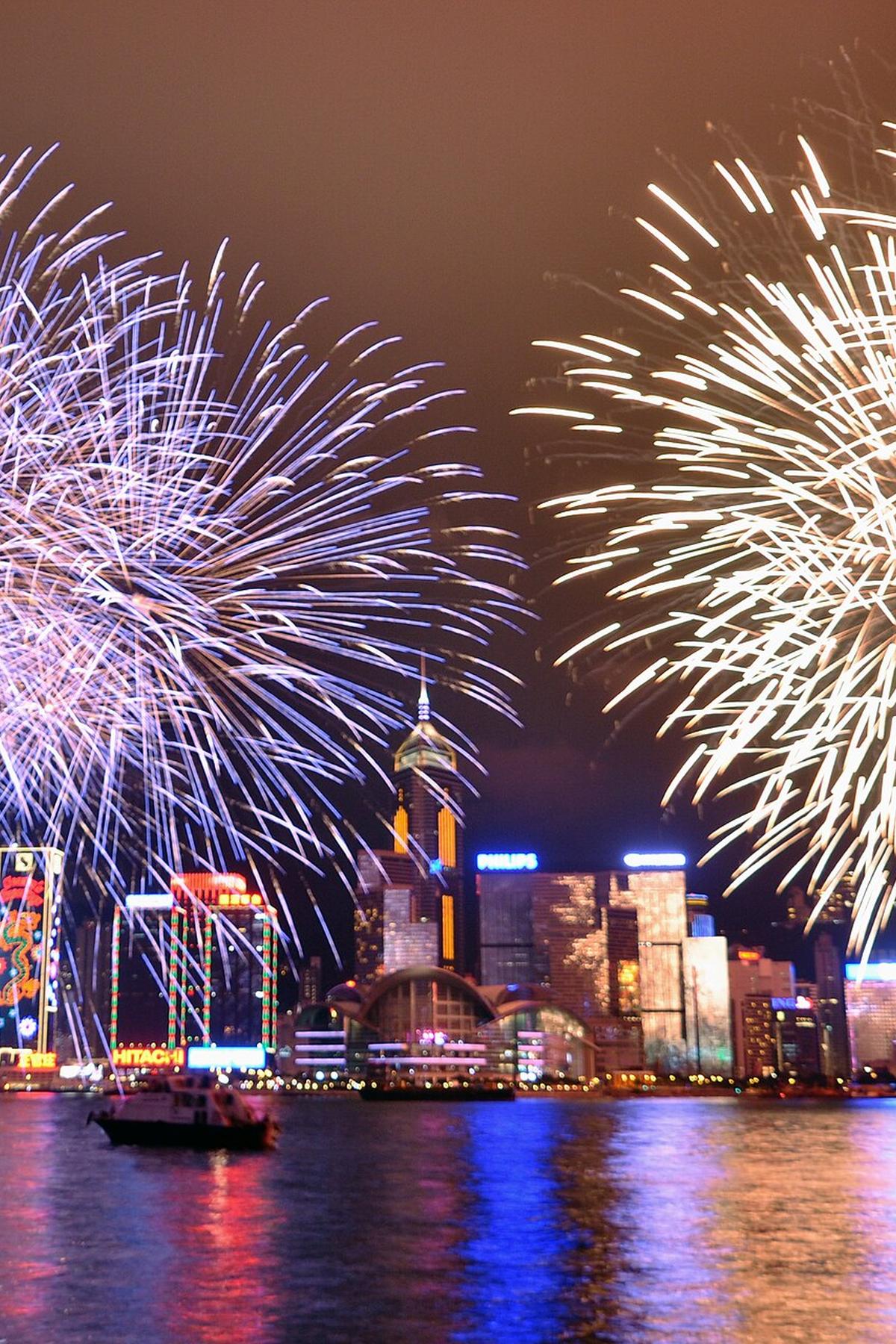
The fireworks display over Victoria Harbour happens on Day 2 at 20:00 and runs for approximately 23 to 25 minutes. The crowd size ranges from 250,000 to 400,000 along the harbourfront. Arrive three to four hours before start for a good spot. That means standing in position by 16:00 to 17:00 and waiting through the early evening. The Tsim Sha Tsui waterfront fills first. The Central waterfront fills second. Golden Bauhinia Square in Wan Chai is the third best option. The West Kowloon Cultural District offers the most space but the viewing angle is more oblique.
Bring water, a light snack and a layer for when the temperature drops after sunset. The air conditioning inside nearby malls is aggressive, but you will be outside. Public toilets are scarce along the harbourfront. Use the facilities at a hotel or MTR station before you arrive. The MTR runs normal service so exiting after the fireworks is manageable if you walk away from the immediate crowd before entering a station.
The fireworks are the single best thing about Chinese New Year in Hong Kong. The harbour setting is the reason. No other city shoots fireworks over a skyline this close. Do not watch from a hotel room or a restaurant window. The paid vantage points remove the scale. Stand on the waterfront with the crowd. The noise, the reflection on the water and the density of people celebrating together is the point.

The Practical Reality: Handling the Multi Day Shutdown
The shutdown runs roughly from New Year's Eve through Day 3. Eateries reopen gradually from Day 4 through Day 7. The week after New Year is quieter, cheaper and still decorated. Hotel rates drop 40 to 60 percent compared to New Year week. Most dining rooms are back by Day 4 to Day 7. If you can shift your travel by one week, do it. You get the decorations, the lingering holiday atmosphere and none of the closures.
If you must travel during the peak days, book everything before you arrive. Hotels, flights, New Year's Eve dinner, Day 1 lunch, Day 2 dinner. The surcharges are unavoidable. Budget for the 10 to 20 percent extra service charge on banquet meals. Carry lai see packets for service staff. Unmarried people and children receive red packets from married relatives and friends, but visitors are expected to give to hotel staff, restaurant servers and anyone who provides a service during the holiday. HK$20 to HK$50 per packet in new or crisp notes. HK$100 to HK$500 for close family children. Do not give four of anything. The number four is taboo. Do not give clocks, shoes, sharp objects or anything in sets of four.
Local Traditions Worth the Queue
Greet everyone with "Gong hei fat choy" in Cantonese or "Gong xi fa cai" in Mandarin. Red and gold are lucky colours. Wear them. Avoid black and white on the first few days. The Temple Street Night Market and the flower market are the best places to see local tradition outside the organised events. The wishing trees at Lam Tsuen in Tai Po let you throw joss paper tied to an orange onto tree branches. A substitute practice uses plastic oranges on racks because the real trees were damaged by overuse. Che Kung Temple in Sha Tin draws queues of one to three hours on Day 3 when visitors turn fan blades three times clockwise for good luck. Wong Tai Sin Temple draws 50,000 to 100,000 people who queue from the evening of New Year's Eve for the first incense offering at midnight. These are real local practices, not tourist shows. Go if you have the time and patience for the queue.
What This Festival is and Who it Suits
Chinese New Year in Hong Kong suits urban explorers who want to see the city at its most intense. It suits food focused travellers who plan ahead and book hotel dining rooms. It suits solo travellers who value safety because the crowds are policed and the MTR runs reliably. It suits photography enthusiasts who want the harbour fireworks and the parade against the skyline.
It does not suit travellers on a tight budget. The price spike on hotels and flights alone eliminates the cheap trip. It does not suit anyone who dislikes crowds. Every event involves standing in a dense mass of people for hours. It does not suit travellers who want relaxed, slow paced days. Hong Kong during Chinese New Year is exhausting. The pavements are narrow and uneven, the queues are long and the air conditioning inside every building forces you to carry a layer year round. If you want quiet, come the week after.
Read next
-
 Hong Kong eSIM and Data Plans Before You Land
Hong Kong has no internet firewall. A cheap eSIM or tourist SIM from the airport gives you fast data for Google Maps and WhatsApp from the moment you land.
Hong Kong eSIM and Data Plans Before You Land
Hong Kong has no internet firewall. A cheap eSIM or tourist SIM from the airport gives you fast data for Google Maps and WhatsApp from the moment you land.
-
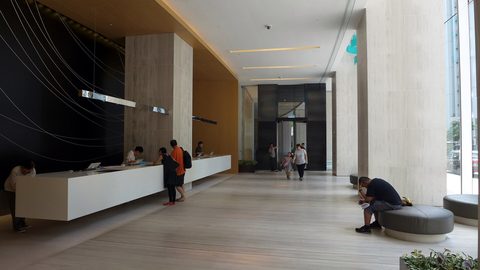 Hong Kong Hotels by Price Band and Property Type
Hong Kong hotel rooms are small, but the difference between a luxury harbour-view tower and a Mong Kok budget room is enormous.
Hong Kong Hotels by Price Band and Property Type
Hong Kong hotel rooms are small, but the difference between a luxury harbour-view tower and a Mong Kok budget room is enormous.
-
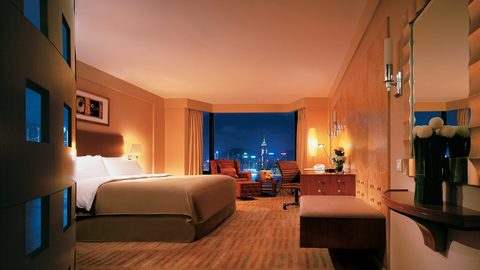 Where to Stay in Hong Kong Island or Kowloon for a First Visit
Hong Kong Island puts you in the financial and dining core, while Kowloon gives you harbour views and street life. The street you pick matters more than the district.
Where to Stay in Hong Kong Island or Kowloon for a First Visit
Hong Kong Island puts you in the financial and dining core, while Kowloon gives you harbour views and street life. The street you pick matters more than the district.
-
 How to Find Cheap Flights to Hong Kong International Airport
Hong Kong has one airport, a lot of airline competition, and a fast train into the city. The routing tricks are in the booking, not the arrival.
How to Find Cheap Flights to Hong Kong International Airport
Hong Kong has one airport, a lot of airline competition, and a fast train into the city. The routing tricks are in the booking, not the arrival.
-
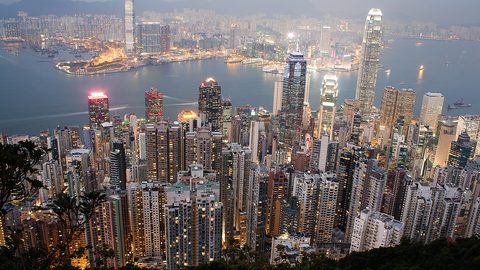 Things to Do in Hong Kong Ranked by What Is Worth Your Time
Victoria Peak, the Star Ferry, and a serious hike earn their fame. Some other Hong Kong sights do not.
Things to Do in Hong Kong Ranked by What Is Worth Your Time
Victoria Peak, the Star Ferry, and a serious hike earn their fame. Some other Hong Kong sights do not.
-
 Best Time to Visit Hong Kong for Clear Skies and Low Humidity
October to December offers the best balance of clear skies and low humidity, but every other season trades weather for lower prices or festivals.
Best Time to Visit Hong Kong for Clear Skies and Low Humidity
October to December offers the best balance of clear skies and low humidity, but every other season trades weather for lower prices or festivals.
-
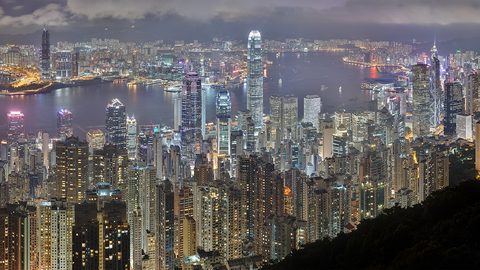 Victoria Peak
The view from Victoria Peak is the point; the tram queue is the problem, and there are four other ways up.
Victoria Peak
The view from Victoria Peak is the point; the tram queue is the problem, and there are four other ways up.
-
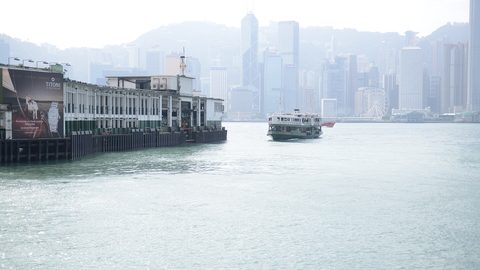 Star Ferry
The Star Ferry costs HK$5, takes 10 minutes, and the upper deck heading from Tsim Sha Tsui to Central gives the best skyline view.
Star Ferry
The Star Ferry costs HK$5, takes 10 minutes, and the upper deck heading from Tsim Sha Tsui to Central gives the best skyline view.
-
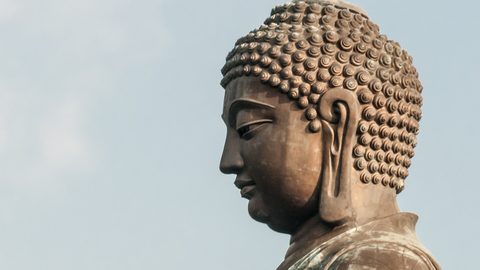 Big Buddha and Ngong Ping
The Big Buddha is 268 steps up, the cable car takes 25 minutes, and the village at the top is mostly a shopping mall.
Big Buddha and Ngong Ping
The Big Buddha is 268 steps up, the cable car takes 25 minutes, and the village at the top is mostly a shopping mall.