Typhoon Season and the Version of Hong Kong That Only Runs Then
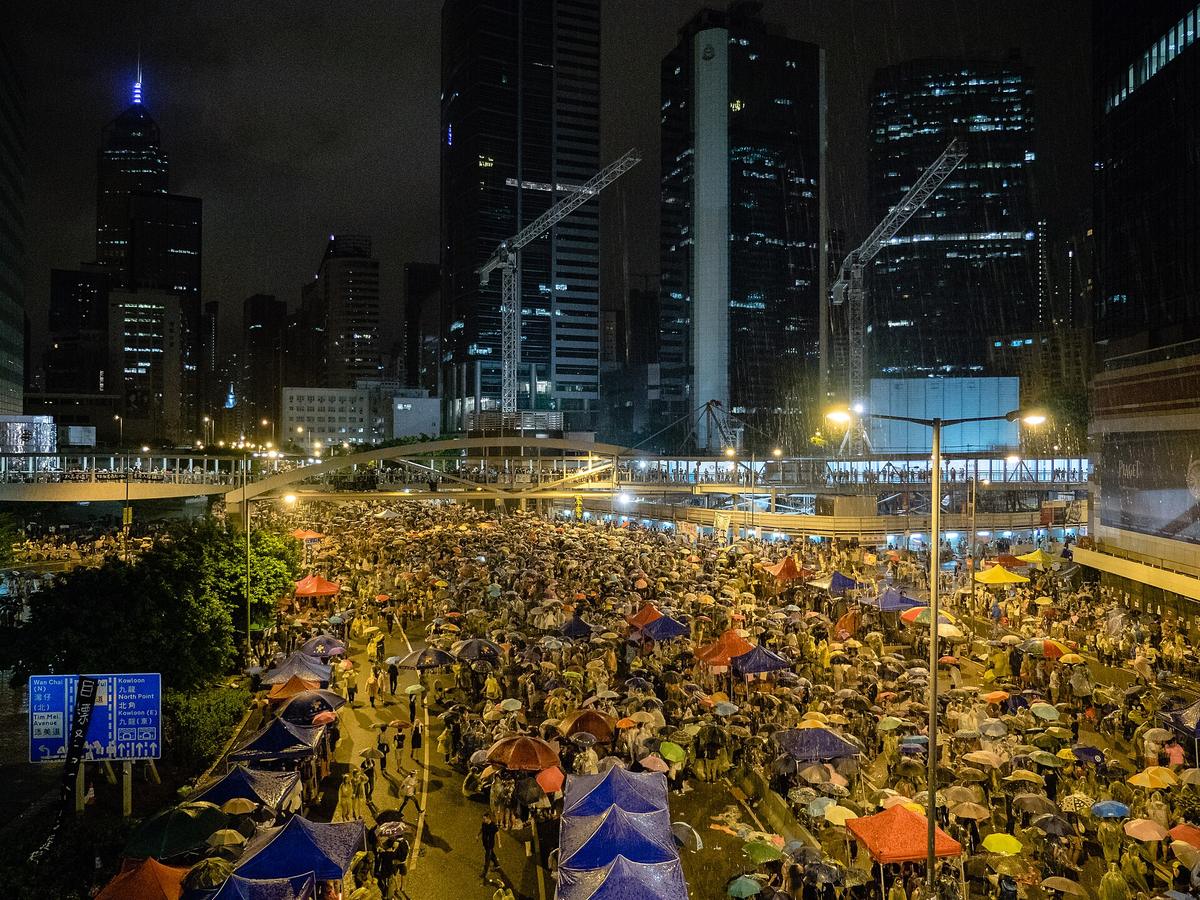
Hong Kong in summer: hot, wet and typhoon season, but also the only time for dragon boats, summer fruit and dramatic storm light.
.jpg)
Summer in Hong Kong is Not What You Think
Most travellers assume summer in Hong Kong is a mistake. They imagine 30 degree heat, drenching humidity, typhoon warnings that trap them in a hotel room. The brochures do not push it. The peak season runs October to December for good reason. But the version of Hong Kong that runs from May through September is not the same city. It is a rarer one.
The dragon boats come out. The durian stalls appear. The storm light turns the skyline electric. And the city itself, which normally moves at a relentless pace, slows down just enough that you can find a rhythm that works.
The numbers are honest. Mean daily max temperatures hit 31.4 C in July and 31.1 C in August. Humidity sits at 84 percent those same months. June averages 491.5 mm of rain, the highest of the year. The UV index on a clear day runs 8 to 12, which is extreme. Thunderstorms arrive fast and leave fast, but they arrive every afternoon. This is not a gentle season. If you hate sweat and sudden downpours, skip it. Come in October. But if you want the city when the air is thick with lychee sweetness and the evening breeze off Victoria Harbour is a relief, summer is the only time you get that.
What Summer Unlocks That Other Seasons Cannot
Dragon Boat Festival
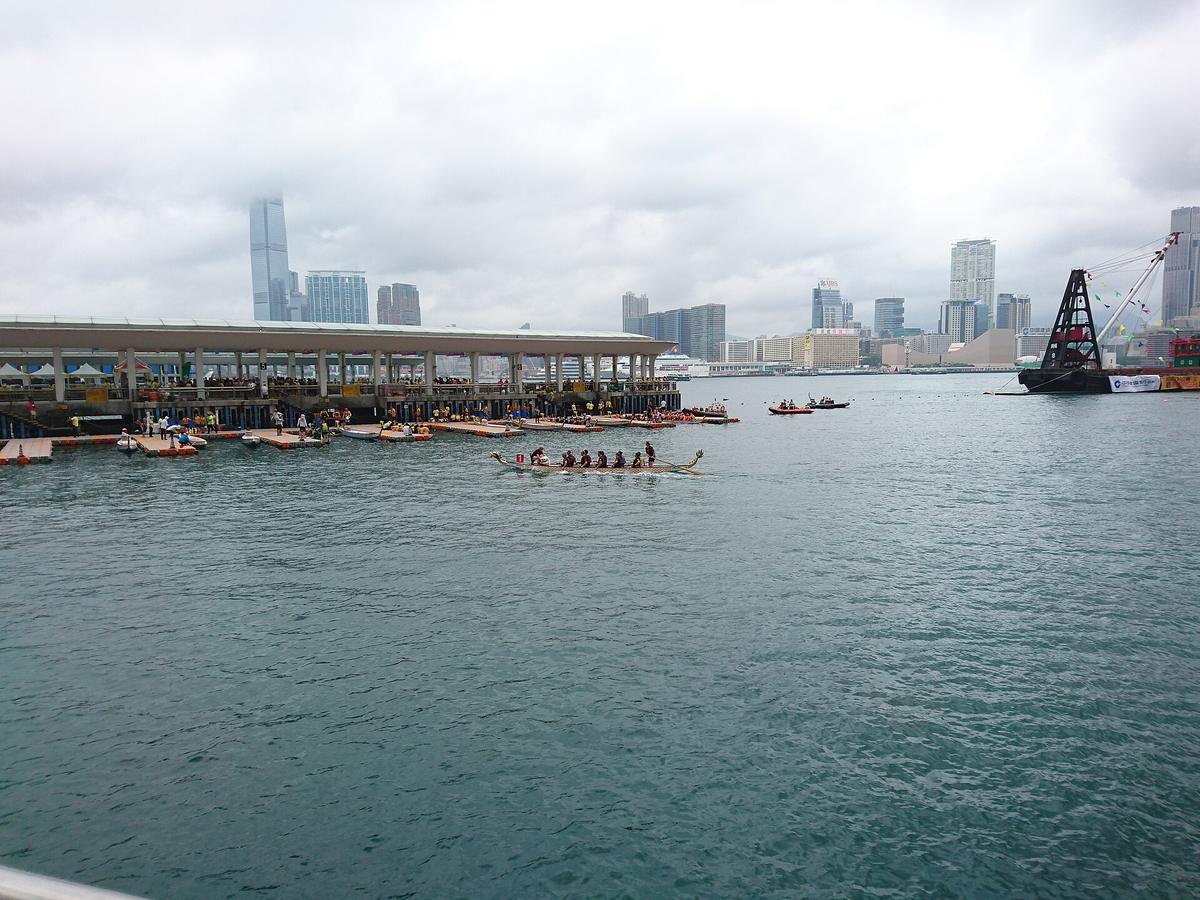
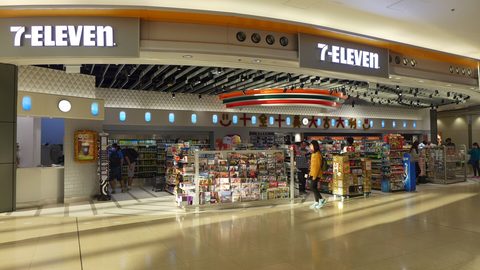
The Dragon Boat Festival is the biggest seasonal draw. In 2026 it falls on June 19. The races at Stanley and along the harbour are loud, competitive, and crowded. Go for the atmosphere, not the viewing comfort. Arrive early. Bring water from a 7-Eleven because the temporary food stalls run long queues. The event itself is the reason: dozens of crews pounding drums, paddles slicing the water, the entire harbourfront packed with people who live here, not just tourists.
Summer Fruit
Summer fruit is the second thing. Lychee, longan, mango, and durian appear at street stalls and in the fruit markets of Yau Ma Tei. Durian is not for everyone. If you have never tried it, buy a single segment from a stall, not a whole fruit. The smell is aggressive. The taste is custard with a hint of onion. The locals who love it love it fiercely. Lychee requires no caveat. Buy a bag, peel them on a bench in Kowloon Park, spit the pits into your napkin. That is a summer experience you cannot replicate in November.
Storm Light and Beaches
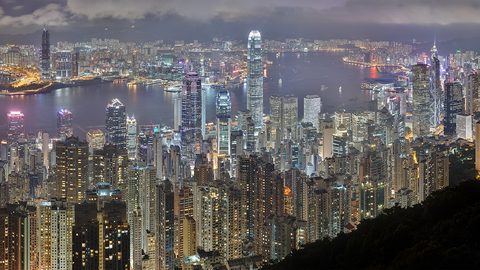
Photographers should come for the storm light. The 30 minute window before a typhoon squall or a late afternoon thunderstorm turns the harbour into a grey silver sheet with buildings cutting through it. The same humidity that makes you miserable creates dramatic sky conditions. Sunset in late June is at 19:11, the latest of the year. The light at Victoria Peak or along the Tsim Sha Tsui waterfront in that hour before a storm is better than anything the dry season produces.
Beaches are open and patrolled. The swimming season runs April through October, with lifeguards on duty at all 41 public beaches under the Leisure and Cultural Services Department. Shek O and Repulse Bay on Hong Kong Island are the easiest to reach. Lamma Island has a string of quieter beaches accessible by the ferry from Central Pier 4. The water is warm, sometimes too warm to be refreshing, but the beach culture in Hong Kong is underrated. It is worth one afternoon.
Tai Hang Fire Dragon
There is also the Tai Hang fire dragon dance, which runs three nights around the Mid Autumn Festival. In 2026 the festival is September 25, with the dance scheduled from September 24 to 26. A 67 metre long dragon made of straw and incense sticks is paraded through the narrow streets of Tai Hang. It is loud, smoky, and strange. The dates shift annually, so confirm with the Hong Kong Tourism Board before booking.
How to Survive and Enjoy the Heat
Split Your Day
Plan your days in two halves. Mornings belong to indoor activities. Afternoons belong to the same, because 11:00 to 15:00 is the hiking heat risk window and the worst time to be outside. Reserve your outdoor moves for late afternoon and evening, when the sun drops and the harbour breeze picks up.
Use the MTR as a Cooling System
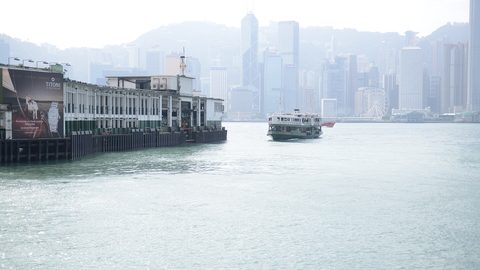
The MTR is your cooling system. All stations are air conditioned, and the Central to Admiralty to Wan Chai corridor is fully connected by footbridges and underground walkways. You can move from IFC Mall in Central to Times Square in Causeway Bay without stepping outside. That is not a gimmick. It is the practical way to cover distance in July. Use the MTR for cross harbour trips. The Star Ferry is worth it for the experience at HK$5, but it is open air and hot. Take the ferry at sunset. Take the MTR at noon.
Dress for Thermal Shock
Air conditioning indoors is not gentle. Malls and offices run 20 to 24 C. The transition from 31 C outside to 22 C inside is a thermal shock. Carry a light layer. A linen shirt or a thin cardigan that fits in a bag. You will need it in every museum, every mall, every MTR car. The Hong Kong Museum of History, M+ museum, and Hong Kong Palace Museum are legitimate refuges with enough content to fill four hours. Book M+ and the Palace Museum in advance. They are popular even in low season, and August sees enough visitors that walk up tickets sell out.
The rain requires no special gear beyond a compact umbrella. It serves dual duty as rain cover and sun shade because the UV index demands both. Downpours in summer are short. Wait five minutes under a shop awning and they stop. Do not cancel a plan because the sky looks threatening. It will pass before you reach your destination.
What to Skip and What to Prioritise
Skip the Peak at Midday
Skip the Peak at midday. The tram queue is long, the viewing platform is crowded, and the heat on the exposed deck is punishing. Go at 17:00 instead. The light is golden, the queue is shorter, and you can watch the city switch into night mode. If you want the view without the tram, take bus 15 from Exchange Square bus terminus. It is cheaper, air conditioned, and drops you at the same spot.
Skip the Temple Street Night Market if you are hungry. The food is average and aimed at tourists. Go for the atmosphere and the fortune tellers, then eat in Sham Shui Po or Mong Kok where the dai pai dongs are real. The wonton noodle soup in Sham Shui Po costs half what you pay near Temple Street and tastes twice as good.
Prioritise Tsim Sha Tsui Museums
Prioritise the museums in Tsim Sha Tsui. The Hong Kong Museum of History at 100 Chatham Road South gives you a fast, coherent overview of the city from prehistory to the handover. It is well curated and air conditioned. The Hong Kong Museum of Art at 10 Salisbury Road is smaller but has strong Cantonese painting and calligraphy collections. Both are within walking distance of each other. Combine them with the Star Ferry pier and the Avenue of Stars for a half day that moves between indoor and outdoor according to the weather.
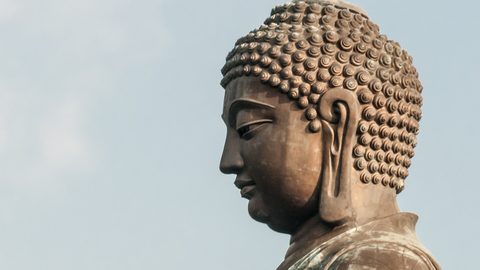
One afternoon on Lantau Island is enough for most visitors. Take the Ngong Ping 360 cable car early, see the Tian Tan Buddha, and leave before the heat peaks. The cable car is not air conditioned, so go before 10:00 or skip it. The bus from Tung Chung is cheaper and cooler.

The Real Friction of Summer Travel
Pavements are narrow, uneven, and blocked by scaffolding or queues. The humidity makes every ten minute walk feel like twenty. Public toilets are scarce outside malls and MTR stations. Carry hand sanitiser and tissues. Many small restaurants are cash only. The Octopus card works at most food stalls, but keep a stash of small bills for taxis and dai pai dongs. Taxis rarely take credit cards and drivers get annoyed with large notes.
Hotel occupancy is low from May to September, which means room rates drop. You can stay at a four star property in Tsim Sha Tsui for what a hostel costs in October. Use that advantage. The trade off is that August carries the highest typhoon risk. A Signal No. 8 warning shuts down the MTR, closes shops and restaurants, and traps you in your hotel. Pack a book. The hotel will have a cinema channel. It is not a disaster. It is a forced rest day. The Hong Kong Observatory is the source for real time warnings and they update frequently.
Read next
-
 Hong Kong eSIM and Data Plans Before You Land
Hong Kong has no internet firewall. A cheap eSIM or tourist SIM from the airport gives you fast data for Google Maps and WhatsApp from the moment you land.
Hong Kong eSIM and Data Plans Before You Land
Hong Kong has no internet firewall. A cheap eSIM or tourist SIM from the airport gives you fast data for Google Maps and WhatsApp from the moment you land.
-
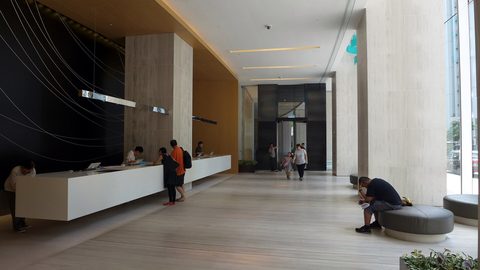 Hong Kong Hotels by Price Band and Property Type
Hong Kong hotel rooms are small, but the difference between a luxury harbour-view tower and a Mong Kok budget room is enormous.
Hong Kong Hotels by Price Band and Property Type
Hong Kong hotel rooms are small, but the difference between a luxury harbour-view tower and a Mong Kok budget room is enormous.
-
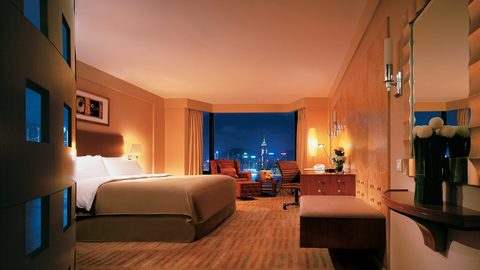 Where to Stay in Hong Kong Island or Kowloon for a First Visit
Hong Kong Island puts you in the financial and dining core, while Kowloon gives you harbour views and street life. The street you pick matters more than the district.
Where to Stay in Hong Kong Island or Kowloon for a First Visit
Hong Kong Island puts you in the financial and dining core, while Kowloon gives you harbour views and street life. The street you pick matters more than the district.
-
 How to Find Cheap Flights to Hong Kong International Airport
Hong Kong has one airport, a lot of airline competition, and a fast train into the city. The routing tricks are in the booking, not the arrival.
How to Find Cheap Flights to Hong Kong International Airport
Hong Kong has one airport, a lot of airline competition, and a fast train into the city. The routing tricks are in the booking, not the arrival.
-
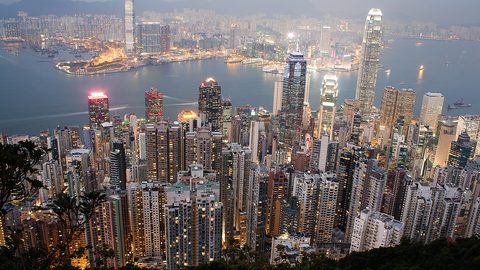 Things to Do in Hong Kong Ranked by What Is Worth Your Time
Victoria Peak, the Star Ferry, and a serious hike earn their fame. Some other Hong Kong sights do not.
Things to Do in Hong Kong Ranked by What Is Worth Your Time
Victoria Peak, the Star Ferry, and a serious hike earn their fame. Some other Hong Kong sights do not.
-
 Best Time to Visit Hong Kong for Clear Skies and Low Humidity
October to December offers the best balance of clear skies and low humidity, but every other season trades weather for lower prices or festivals.
Best Time to Visit Hong Kong for Clear Skies and Low Humidity
October to December offers the best balance of clear skies and low humidity, but every other season trades weather for lower prices or festivals.
-
 Victoria Peak
The view from Victoria Peak is the point; the tram queue is the problem, and there are four other ways up.
Victoria Peak
The view from Victoria Peak is the point; the tram queue is the problem, and there are four other ways up.
-
 Star Ferry
The Star Ferry costs HK$5, takes 10 minutes, and the upper deck heading from Tsim Sha Tsui to Central gives the best skyline view.
Star Ferry
The Star Ferry costs HK$5, takes 10 minutes, and the upper deck heading from Tsim Sha Tsui to Central gives the best skyline view.
-
 Big Buddha and Ngong Ping
The Big Buddha is 268 steps up, the cable car takes 25 minutes, and the village at the top is mostly a shopping mall.
Big Buddha and Ngong Ping
The Big Buddha is 268 steps up, the cable car takes 25 minutes, and the village at the top is mostly a shopping mall.