Yes, Hong Kong Is Worth Visiting, With Honest Caveats
Yes, and the answer is in the first two sentences — then the honest reasons Hong Kong might not be for you.

Yes, Hong Kong is Worth Visiting, with Honest Caveats
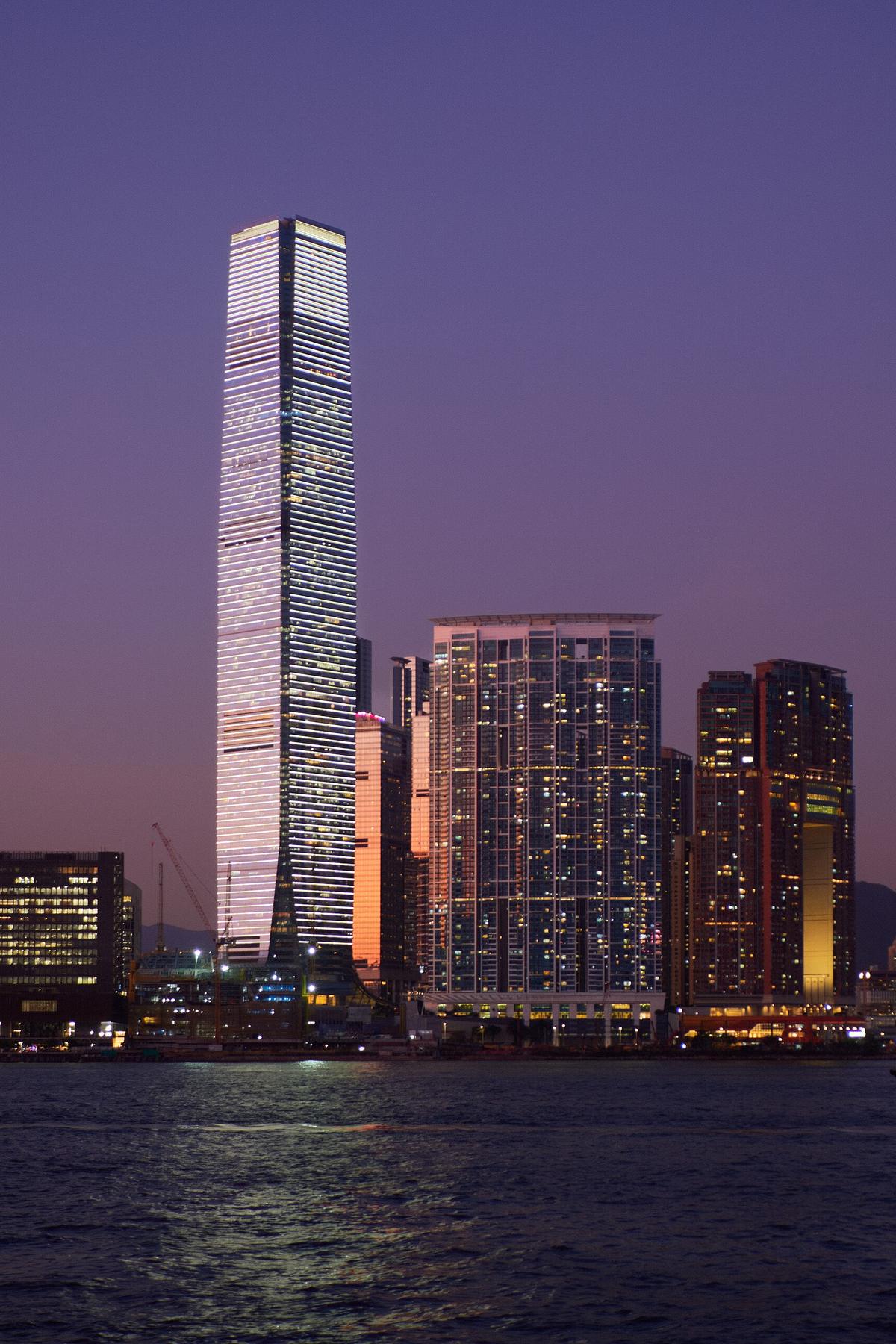
The escalator out of the MTR at Tsim Sha Tsui delivers you onto a footbridge where the humidity hits first, then the smell of egg waffles, then a wall of people. This is not a gentle introduction to Asia. Hong Kong is worth visiting if you want urban intensity, world class food, and hiking trails 40 minutes from your hotel, but it is not for everyone. Skip it if you are on a tight budget, if crowds and queues make you miserable, or if you came looking for a relaxed beach town. Getting here without a car works, as long as you plan around the one useful bus. The city tells you exactly who should book a ticket and who should give those days to Taipei or Bangkok instead.
Who Should Visit Hong Kong in 2025
Hong Kong rewards a specific type of traveller. You should go if you are an urban explorer who lives for public transport and skyline photography. The MTR and bus network is among the most efficient and reliable urban transit systems globally. You should go if you eat with purpose: wanton noodle soup from a hole in the wall, typhoon shelter crab in Causeway Bay, dim sum trolley service at Lin Heung or Luk Yu. You should go if you are a solo traveller who values safety and ease of navigation. English signage, the Octopus card, and the Airport Express make first time navigation easier than most Asian cities. And you should go if you want serious trails with sea views. The urban density to hiking trails and beaches is within 40 minutes by public transport.
Who Should Skip Hong Kong and Book Elsewhere
Do not come to Hong Kong on a tight budget. Hotel and hostel prices rank among the highest in Asia. You will not find cheap street food and hostels at Bangkok or Taipei prices. Do not come if you dislike crowds, queues, or small hotel rooms. Pavements are narrow, uneven, and often blocked by scaffolding. Station exits matter enormously in Central and Tsim Sha Tsui. The wrong exit can put you 10 minutes and several footbridges from where you want to be. Do not come seeking a relaxed, slow paced Southeast Asian beach town. Hong Kong is dense, vertical, and efficient, and it will exhaust you if you try to slow it down.
If your hotel budget is the binding constraint, give your days to Bangkok instead. If you prioritise night markets and a slower pace, give them to Taipei. If you want a more visible Japanese colonial architectural layer, Taipei wins again. Hong Kong is a modern Chinese metropolis with British era street names and double decker trams, not a museum of old Asia.
Hong Kong vs Singapore Travel: Which One Fits Your Trip
The Hong Kong vs Singapore travel comparison comes up constantly, and the answer is not one size fits all. Hong Kong has more dramatic topography and hiking within city limits. You can leave Central and be on a trail with sea views within 40 minutes. Singapore has more green space integrated into the city core but no equivalent of the Dragon's Back hike or Lantau's hills. Singapore is more expensive for alcohol. Hong Kong has no equivalent of Singapore's hawker centre licensing system but comparable street food density. For an urban explorer who wants vertical city and immediate nature, Hong Kong wins. For a traveller who wants integrated parks, clean streets, and a slower pace, Singapore wins.
Hong Kong Crowds and Queues: What to Expect at Street Level
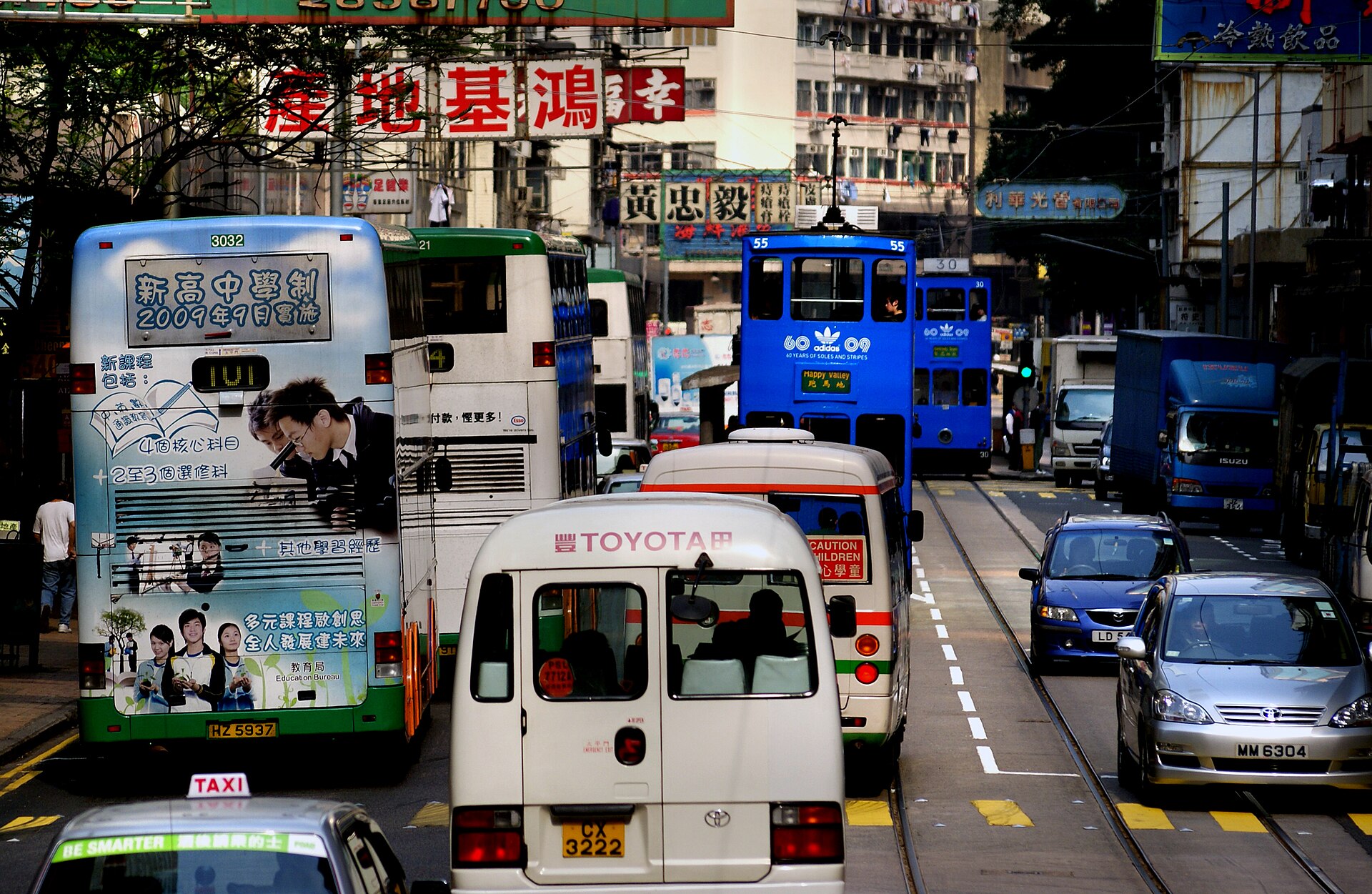
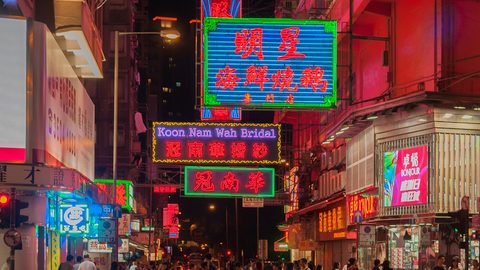
Hong Kong crowds and queues are not a rumour. They are the main friction point for visitors who do not live in a megacity. At street level in Mong Kok, Causeway Bay, and Central during peak hours, you will walk shoulder to shoulder. Many small restaurants are cash only or take Octopus, not credit cards. Public toilets are scarce outside malls and MTR stations. You will queue for the Peak Tram, for popular roast goose restaurants like Kam's, and for the cable car to the Big Buddha on Lantau. The trick is to work against the flow: eat at 11:00, hike on weekdays, book the Peak Tram ticket online before you arrive. The city is compact on a map but vertical and slow on foot, and cross harbour trips eat more time than expected.
Hong Kong Hotel Room Size: Budget for Small and Pay More for Space
Hong Kong hotel room size is the most common complaint among first time visitors who book by price alone. A room that costs HK$800 a night in Mong Kok might be 120 square feet with a window facing an air shaft. Hotel and hostel prices rank among the highest in Asia. If you need space, budget HK$1,500 a night minimum for a room you can open a suitcase in. The luxury hotels in Tsim Sha Tsui and Central deliver larger rooms, harbour views, and competent soundproofing. If you are on a budget, accept the trade off: you sleep small and live large in the city. The alternative is to give your trip to Bangkok, where HK$800 buys a room twice the size.
Hong Kong Travel Honest Review: What Still Works and What Changed
Security and Legal Changes Since 2019
A Hong Kong travel honest review in 2025 has to address what changed since 2019. The National Security Law has been in force since 30 June 2020. Foreign nationals are subject to the same law. Public demonstrations require police permission, and unapproved gatherings are rare. Some bookshops, media outlets, and civil society groups closed or left between 2020 and 2023. A tourist on a 3 day visit would not encounter visible political disruption in normal tourist districts.
What Remains Open and Operational
The skyline, Victoria Harbour, Peak Tram, Star Ferry, temples, hiking trails, and food scene remain physically intact and operational. Some formerly popular nightlife areas such as Lan Kwai Fong have fewer late night venues than 2019. Hotel occupancy and visitor arrivals recovered to pre-2019 levels by 2024. The airport, MTR, ferries, and border crossings operate normally. Visa free entry rules for UK, US, EU, Australia, Canada, and New Zealand passport holders remain unchanged as of the 2024 rules.
Safety and Travel Advisories
Hong Kong has a low violent crime rate by global standards, and no active travel advisory from the UK FCDO, US State Department, or Australian DFAT currently advises against tourist travel to Hong Kong as of the latest 2024 advisories. Check each government site for the current advisory before you book.
.jpg)
How Many Days and When to Go
Minimum 4 days: one day on Hong Kong Island, one day in Kowloon, one day on Lantau or a hike, and one flex day for weather or shopping. 3 full days works for a first time visitor covering Central, Tsim Sha Tsui, Mong Kok, Victoria Peak, and one outlying island or hike. 5 days if you add Lantau, Sai Kung, a beach, and slower food exploration. 2 days is enough only as a stopover or for repeat visitors with a single purpose. Peak season runs October to early December with clear skies, low humidity, and temperatures around 20 to 28 Celsius. Late March to April also works but expect fog and rain. Avoid Chinese New Year when many independent restaurants and shops close for days. Avoid the first week of October for Golden Week when mainland visitor numbers spike. Avoid August for heat, humidity, and typhoon risk.
Getting Around: MTR, Octopus, and the Exit Problem
From the Airport
Arrive at Hong Kong International Airport. The Airport Express train to Hong Kong station in Central takes 24 minutes and costs HK$115 one way. Taxi to Central or Tsim Sha Tsui takes 30 to 45 minutes and costs roughly HK$300 to 400. Public buses take 45 to 70 minutes and cost HK$34 to 40.
In the City
Once in the city, the MTR is your backbone: fast, air conditioned, covers nearly everything. Pay by Octopus card with a HK$50 refundable deposit topped up with cash, or use contactless credit card at most gates. One thing that trips visitors up: station exits matter enormously. In Central and Tsim Sha Tsui, the wrong exit can put you 10 minutes and several footbridges from where you want to be. Use Citymapper or HKeMobility for public transport. Google Maps is usable but often wrong on walking routes. Free public Wi Fi exists at MTR stations and government buildings but requires registration and is slow. Tourist SIMs cost around HK$88 for 8 days of data at the airport. eSIM options work well.
Day Trips Worth Your Time
Macau is one hour by TurboJET or Cotai Water Jet ferry from Sheung Wan or Tsim Sha Tsui, HK$160 to 200 one way. Lamma Island is 25 to 40 minutes by ferry from Central, with hiking and seafood. Cheung Chau is 35 to 60 minutes from Central, has no cars, temples, and the famous buns. Sai Kung and Sharp Island are 45 minutes by minibus or taxi from Kowloon, then a kaito ferry. Tai O fishing village is 50 minutes by bus from Tung Chung MTR, with stilt houses. Ping Shan Heritage Trail is 40 minutes by MTR to Tin Shui Wai, with walled villages and ancestral halls.
Local Friction: What Most Guides Do Not Tell You
Air conditioning is aggressive indoors. Carry a layer year round. Taxis rarely take credit cards. Carry small notes for fares under HK$100. Many small restaurants are cash only or take Octopus, not credit cards. Public toilets are scarce outside malls and MTR stations. Pavements are narrow, uneven, and often blocked by scaffolding or queues. The Star Ferry costs HK$5 for a 10 minute harbour crossing. It is the best value view in the city.
Read next
-
 Hong Kong eSIM and Data Plans Before You Land
Hong Kong has no internet firewall. A cheap eSIM or tourist SIM from the airport gives you fast data for Google Maps and WhatsApp from the moment you land.
Hong Kong eSIM and Data Plans Before You Land
Hong Kong has no internet firewall. A cheap eSIM or tourist SIM from the airport gives you fast data for Google Maps and WhatsApp from the moment you land.
-
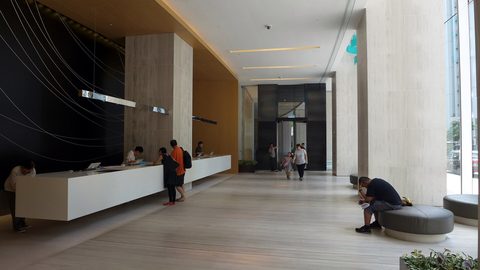 Hong Kong Hotels by Price Band and Property Type
Hong Kong hotel rooms are small, but the difference between a luxury harbour-view tower and a Mong Kok budget room is enormous.
Hong Kong Hotels by Price Band and Property Type
Hong Kong hotel rooms are small, but the difference between a luxury harbour-view tower and a Mong Kok budget room is enormous.
-
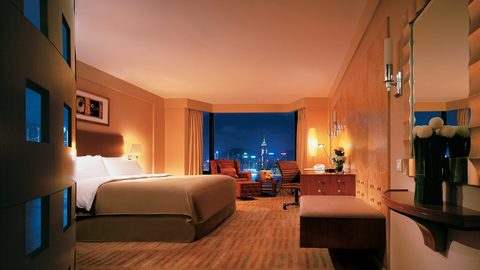 Where to Stay in Hong Kong Island or Kowloon for a First Visit
Hong Kong Island puts you in the financial and dining core, while Kowloon gives you harbour views and street life. The street you pick matters more than the district.
Where to Stay in Hong Kong Island or Kowloon for a First Visit
Hong Kong Island puts you in the financial and dining core, while Kowloon gives you harbour views and street life. The street you pick matters more than the district.
-
 How to Find Cheap Flights to Hong Kong International Airport
Hong Kong has one airport, a lot of airline competition, and a fast train into the city. The routing tricks are in the booking, not the arrival.
How to Find Cheap Flights to Hong Kong International Airport
Hong Kong has one airport, a lot of airline competition, and a fast train into the city. The routing tricks are in the booking, not the arrival.
-
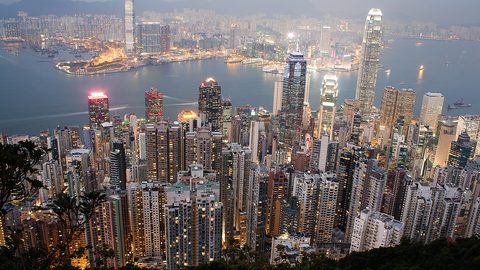 Things to Do in Hong Kong Ranked by What Is Worth Your Time
Victoria Peak, the Star Ferry, and a serious hike earn their fame. Some other Hong Kong sights do not.
Things to Do in Hong Kong Ranked by What Is Worth Your Time
Victoria Peak, the Star Ferry, and a serious hike earn their fame. Some other Hong Kong sights do not.
-
 Best Time to Visit Hong Kong for Clear Skies and Low Humidity
October to December offers the best balance of clear skies and low humidity, but every other season trades weather for lower prices or festivals.
Best Time to Visit Hong Kong for Clear Skies and Low Humidity
October to December offers the best balance of clear skies and low humidity, but every other season trades weather for lower prices or festivals.
-
 Victoria Peak
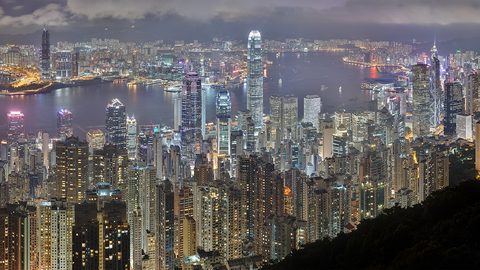
The view from Victoria Peak is the point; the tram queue is the problem, and there are four other ways up.
Victoria Peak
The view from Victoria Peak is the point; the tram queue is the problem, and there are four other ways up.
-
 Star Ferry
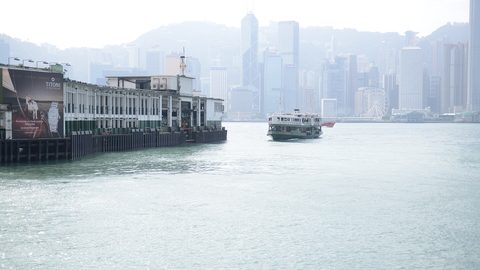
The Star Ferry costs HK$5, takes 10 minutes, and the upper deck heading from Tsim Sha Tsui to Central gives the best skyline view.
Star Ferry
The Star Ferry costs HK$5, takes 10 minutes, and the upper deck heading from Tsim Sha Tsui to Central gives the best skyline view.
-
 Big Buddha and Ngong Ping
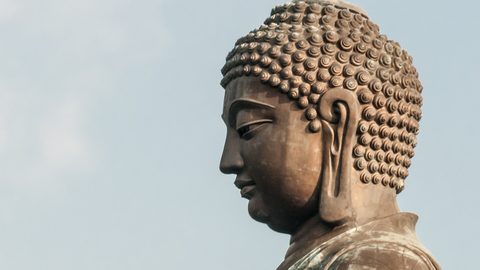
The Big Buddha is 268 steps up, the cable car takes 25 minutes, and the village at the top is mostly a shopping mall.
Big Buddha and Ngong Ping
The Big Buddha is 268 steps up, the cable car takes 25 minutes, and the village at the top is mostly a shopping mall.