Hong Kong vs Singapore: Which City-State Should You Visit First
Hong Kong or Singapore for a city trip? Hong Kong is denser, louder, and better for hikers. Singapore is cleaner, greener, and easier for a first Asia visit.
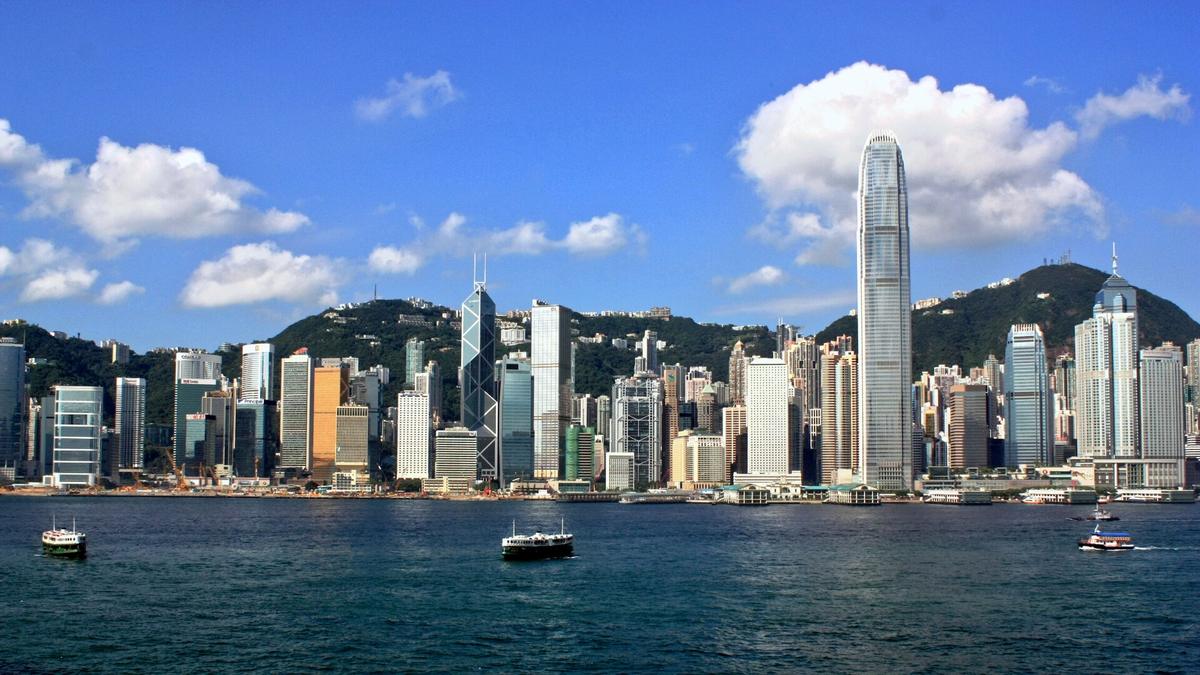

Hong Kong vs Singapore: Which City State Should You Visit First
You are trying to decide between Hong Kong and Singapore for your first Asia city trip, and the usual travel advice is useless because it treats both as equivalent interchangeable skyline destinations. They are not. One is vertical chaos with mountain escapes. The other is a curated green grid designed to eliminate friction. The choice is not about which is better. It is a personality test about how much intensity you want on a full stomach.
Hong Kong is a harder landing. Pavements are narrow and uneven. Humidity sticks to you at 7 am. The wrong MTR exit adds ten minutes of footbridges to your walk. Small restaurants hand you a cash only sign without apology. That friction is part of what makes the city vivid. Singapore is engineered to reduce every kind of hassle. English is effectively universal. Hawker centres accept contactless payment. The pavements are wide and shaded. You never have to negotiate for a seat or a menu. For a first Asia trip, Singapore is easier. Hong Kong is more memorable.
Read the profiles below and pick the one that sounds like the trip you actually want. Neither city is a wrong answer, just a wrong fit for the wrong traveller.
| Axis | Hong Kong | Singapore |
|---|---|---|
| Terrain | Hilly, 75% countryside, 24 country parks, 443 km of hiking trails | Flat, 18% parks and reserves, 300 km of park connectors |
| Density Feel | 7.5 million people in 1,114 km², feels vertical and relentless | 6 million people in 735.6 km², feels planned and spacious |
| Peak Elevation | 957 m at Tai Mo Shan | 164 m at Bukit Timah Hill |
| Street Meal Cost | HKD 30–60 | SGD 4–7 |
| Mid Range Dinner For Two | HKD 300–600 | SGD 50–100 |
| Budget Hotel, Nightly | HKD 400–800 | SGD 80–150 |
| Michelin Starred Restaurants | 79 (2024 Michelin Guide Hong Kong Macau) | 51 (2024 Michelin Guide Singapore) |
| Cheapest Michelin Meal | HKD 70 for Tim Ho Wan baked BBQ pork buns (2024 price, confirm with Michelin annually) | SGD 2.50 for Liao Fan Hawker Chan soya sauce chicken rice (2024 pre relocation price, check current location and pricing) |
| Best Walking Months | October to early December; 20–28 C, low humidity | Any month; temperature varies 2–3 C year round |
| Worst Month | August: heat, humidity, typhoon risk | None climatically, but school holiday crowds peak June and December |
| UNESCO Site | Hong Kong Global Geopark (2011, 150 km²) | Singapore Botanic Gardens (2015) |
| Day Trip Reach | Macau 1 hour ferry, Shenzhen 14 min high speed rail, Lamma Island 25 min ferry | Batam and Bintan 45–60 min ferry, Johor Bahru by bus |
| English Fluency | High in tourist areas, street signs bilingual, less English in older stalls and New Territories | Near universal, main working language |
Why Hong Kong Wins for the Willing
Hong Kong is not a gentle introduction to Asia. The city is dense, loud, and vertical. Pavements in Mong Kok and Wan Chai are narrow and often blocked by scaffolding or queues for egg waffles. Air conditioning is set to aggressive everywhere. Carry a light jacket in July. Taxis rarely take cards; you need small notes for fares under HKD 100. Public toilets outside MTR stations are scarce. That is not a bug report. It is the atmosphere you pay for.
The payoff is a city where you can eat at a dai pai dong on Sham Shui Po at 11 am, take the MTR to a trail by 2 pm, and eat typhoon shelter crab in Causeway Bay at 8 pm. No other city this size has 75% countryside and 443 km of hiking trails within 30 minutes of a financial centre. The MacLehose Trail, the Wilson Trail, the Hong Kong Trail, and the Lantau Trail are all accessible by public transport. That is the real argument for Hong Kong: the density makes the escape immediate.
What The Food Scene Demands
Hong Kong food rewards cash, Cantonese, and patience. The best wonton noodle soup is not at the tourist facing restaurant. It is at the shop where the menu is taped to the wall and the broth has been simmering since breakfast. Roast goose from Kam's or Yung Kee costs more than a hawker meal, but the crackling skin justifies the queue. Dim sum trolley service at Lin Heung or Luk Yu is a performance, not a transaction. Pineapple buns with butter from a cha chaan tang cost about HKD 12. Egg waffles from a street cart cost HKD 15-20. You do not need a reservation for any of it.
When The City Works Against You
The common mistake is trying to do Hong Kong Island, Kowloon, and Lantau in two days while staying only in Central. The city is compact on a map but vertical and slow on foot. Cross harbour trips eat more time than expected. Minimum 4 days: one day Hong Kong Island, one day Kowloon, one day Lantau or a hike, one flex day for weather or shopping. Avoid Chinese New Year when independent shops close for days. Avoid the first week of October when Golden Week crowds spike. August is a test of your tolerance for 31.6 C with 81% humidity.
Why Singapore Wins for the Cautious
Singapore is easier on nearly every axis that matters for a first time Asia visitor. English is the main working language. Menus in hawker centres are in English. Signs, MRT announcements, and taxi apps all operate without translation effort. The terrain is flat. The park connector network runs 300 km with covered walkways. You do not need hiking shoes to walk the city; trainers are enough.
The trade off is that the intensity is curated. You will not find a Mai Po market morning or a Temple Street night market that surprises you with its chaos. Singapore replaces surprise with consistency. The hawker centres are clean, numbered, and predictable. The 119 centres across the island serve the same reliable staples: Hainanese chicken rice, laksa, chilli crab, roti prata. A meal costs SGD 4-7. You do not need cash; most stalls accept contactless. The MRT runs 231 km and connects directly to Gardens by the Bay, Sentosa, and the zoo.
The Climate Is A Feature, Not A Problem
January mean daily max temperature in Singapore is 30.4 C. July is 31.3 C. The variation is 2-3 C year round. You do not need to think about seasons. The humidity is high, but indoor spaces are air conditioned consistently. The Singapore Botanic Gardens, a UNESCO World Heritage Site since 2015, is walkable year round. The three main recreational beaches on Sentosa, Siloso, Palawan, and Tanjong, are accessible by monorail. You will not need a weather plan.
Who Should Skip It
Singapore is not for anyone who wants to find a hole in the wall. There are no holes. The city is aggressively well regulated. Hawker centres close on schedule. Bars stop serving by midnight to 2 am. Alcohol sales in retail shops have been banned after 10:30 pm since 2015. If you want the sensory overload of a city that does not regulate its street life, pick Hong Kong. If you want a city that works without you thinking about it, Singapore is the better call.
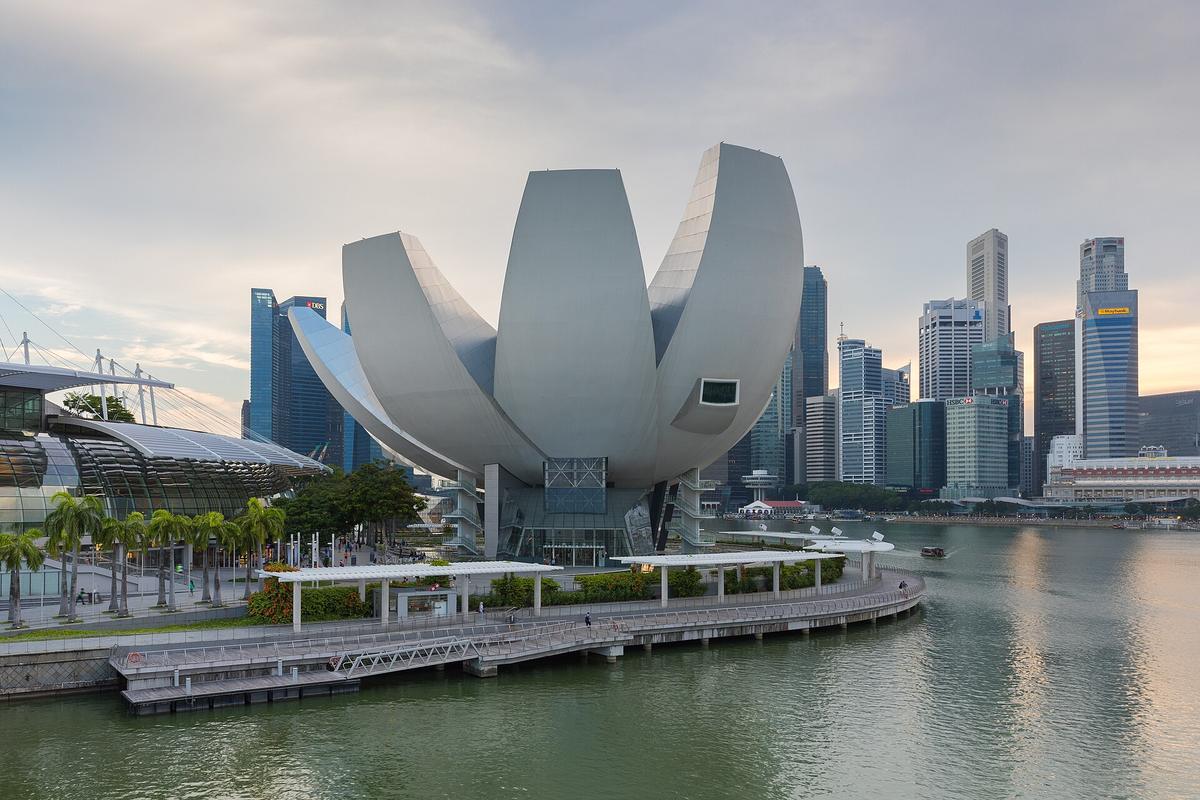

Worth it if
- Hong Kong gives you maximum sensory impact in a short trip with dramatic mountain and sea scenery accessible by MTR and ferry.
- Hong Kong food is cheaper at the street level, HKD 30–60 for a meal, and rewards exploration without a reservation.
- Hong Kong hiking is serious: 443 km of trails including the 100 km MacLehose Trail, with views that punish nothing else in Southeast Asia.
- Singapore eliminates every common travel friction: universal English, flat terrain, wide pavements, air conditioning everywhere, and contactless payment at hawker stalls.
- Singapore delivers a consistent experience year round with no climate season to avoid and no Chinese New Year shutdown of independent businesses.
Skip it if
- Hong Kong is exhausting. Pavements are uneven and narrow, crowds are persistent, and the humidity in August is punishing.
- Hong Kong small restaurants are cash only or Octopus only, and public toilets are scarce outside malls and MTR stations.
- Hong Kong requires more planning: station exits matter, taxi drivers rarely take cards, and the wrong day can shut down whole districts for holidays.
- Singapore is more expensive. Average hotel room rate is SGD 260 (2024 Singapore Tourism Board figure) and mid range dinner for two runs SGD 50–100.
- Singapore replaces spontaneity with consistency. You will not stumble on a hidden dai pai dong or a village that feels undiscovered.
How to Decide in 60 Seconds
If the idea of a city where you eat at a Michelin starred hole in the wall for HKD 70, hike a trail in the morning, and sit in a Mong Kok night market at midnight sounds exactly like the trip you want, book Hong Kong. You are the traveller who will tolerate friction for reward.
If the idea of a city where everything is in English, the pavements are flat and shaded, the hawker food is clean and consistent, and you never have to bargain for a taxi fare sounds like the trip you need, book Singapore. You are the traveller who values ease over intensity and that is the right call for a first Asia trip.
The single most practical thing you should do now: check your passport validity and the visa free duration for your nationality. For most countries, Hong Kong allows 7 to 180 days and Singapore allows 30 to 90 days. Confirm the exact allowance before you book flights. That is the real first step, because neither city matters if you arrive without the right entry permit.
Read next
-
 Hong Kong eSIM and Data Plans Before You Land
Hong Kong has no internet firewall. A cheap eSIM or tourist SIM from the airport gives you fast data for Google Maps and WhatsApp from the moment you land.
Hong Kong eSIM and Data Plans Before You Land
Hong Kong has no internet firewall. A cheap eSIM or tourist SIM from the airport gives you fast data for Google Maps and WhatsApp from the moment you land.
-
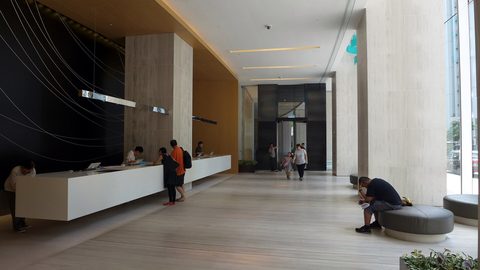 Hong Kong Hotels by Price Band and Property Type
Hong Kong hotel rooms are small, but the difference between a luxury harbour-view tower and a Mong Kok budget room is enormous.
Hong Kong Hotels by Price Band and Property Type
Hong Kong hotel rooms are small, but the difference between a luxury harbour-view tower and a Mong Kok budget room is enormous.
-
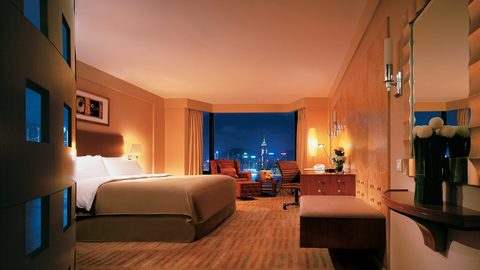 Where to Stay in Hong Kong Island or Kowloon for a First Visit
Hong Kong Island puts you in the financial and dining core, while Kowloon gives you harbour views and street life. The street you pick matters more than the district.
Where to Stay in Hong Kong Island or Kowloon for a First Visit
Hong Kong Island puts you in the financial and dining core, while Kowloon gives you harbour views and street life. The street you pick matters more than the district.
-
 How to Find Cheap Flights to Hong Kong International Airport
Hong Kong has one airport, a lot of airline competition, and a fast train into the city. The routing tricks are in the booking, not the arrival.
How to Find Cheap Flights to Hong Kong International Airport
Hong Kong has one airport, a lot of airline competition, and a fast train into the city. The routing tricks are in the booking, not the arrival.
-
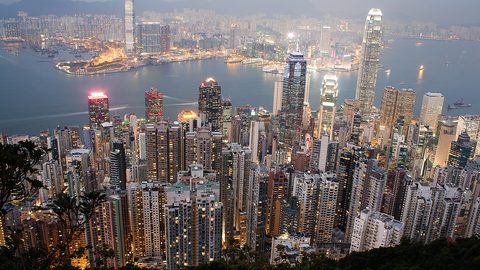 Things to Do in Hong Kong Ranked by What Is Worth Your Time
Victoria Peak, the Star Ferry, and a serious hike earn their fame. Some other Hong Kong sights do not.
Things to Do in Hong Kong Ranked by What Is Worth Your Time
Victoria Peak, the Star Ferry, and a serious hike earn their fame. Some other Hong Kong sights do not.
-
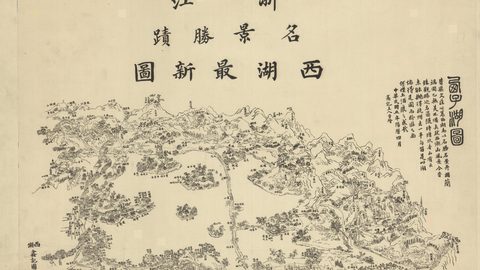 Best Time to Visit Hong Kong for Clear Skies and Low Humidity
October to December offers the best balance of clear skies and low humidity, but every other season trades weather for lower prices or festivals.
Best Time to Visit Hong Kong for Clear Skies and Low Humidity
October to December offers the best balance of clear skies and low humidity, but every other season trades weather for lower prices or festivals.
-
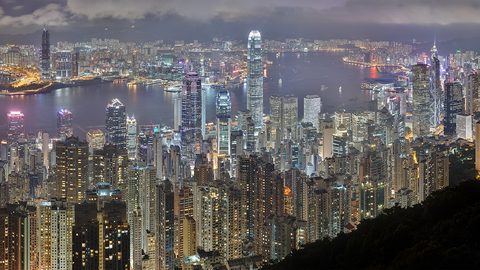 Victoria Peak
The view from Victoria Peak is the point; the tram queue is the problem, and there are four other ways up.
Victoria Peak
The view from Victoria Peak is the point; the tram queue is the problem, and there are four other ways up.
-
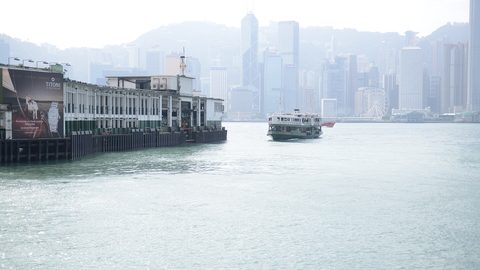 Star Ferry
The Star Ferry costs HK$5, takes 10 minutes, and the upper deck heading from Tsim Sha Tsui to Central gives the best skyline view.
Star Ferry
The Star Ferry costs HK$5, takes 10 minutes, and the upper deck heading from Tsim Sha Tsui to Central gives the best skyline view.
-
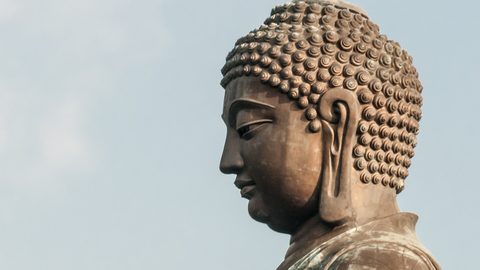 Big Buddha and Ngong Ping
The Big Buddha is 268 steps up, the cable car takes 25 minutes, and the village at the top is mostly a shopping mall.
Big Buddha and Ngong Ping
The Big Buddha is 268 steps up, the cable car takes 25 minutes, and the village at the top is mostly a shopping mall.