How a Fishing Village Became the Largest City on Earth, Currently Offline
The Edo-Tokyo Museum in Ryogoku is closed for renovation until late 2025, but Tokyo's Edo-era story can still be found in smaller museums across the city.


The Museum is Closed. the Story is Not.
Most travellers assume a museum about Tokyo's history sits in the middle of the city, surrounded by the past it documents. The Edo Tokyo Museum did the opposite. It loomed over the sumo district like a giant concrete spaceship, four floors of permanent exhibition that told the story of a fishing village becoming the largest urban system on earth. And it has been shut since April 2022. The full building renovation, including all exhibition spaces, will stretch until at least late 2025, possibly early 2026. As of August 2026, the museum has reopened. Before you buy a ticket, verify the schedule at the official site. But do not skip Tokyo's history just because the main hall is dark. Three other places let you walk into the same story. Two of them let you touch it.
- Official Name: Edo Tokyo Museum (江戸東京博物館)
- Location: 1 4 1 Yokoami, Sumida ku, Tokyo
- Nearest Station: JR Ryogoku Station (West Exit) / Toei Oedo Line Ryogoku Station (A4 Exit)
- Closure Dates: Closed April 1, 2022 for major renovation. Reopened as of August 2026. Confirm at edo tokyo museum or.jp before visiting.
- Permanent Exhibition Fee (2026): Adult ¥600, university student ¥480, high school/junior high ¥300, elementary and younger free. Separate fee for special exhibitions.
- Audio Guide (2026): ¥600. Languages include English, Japanese, Chinese, Korean, Spanish, French, German.
- Hours: 9:30 17:30, last entry 30 minutes before close. Closed Mondays (or Tuesday if Monday is a holiday) and Dec 28 Jan 1.
- What Made It Special: A full scale 51 metre replica of Nihonbashi bridge, a 1/30 scale model of Edo castle and town, and exhibits covering the Meiji era through post war recovery up to 1964.
- Adjacent Attraction: Ryogoku Kokugikan (Sumo Hall) is 200 metres away. Sumo tournaments run for 15 days in January, May, and September. The Sumo Museum inside is free and open year round.
What You Are Missing and Why it Matters
The Edo Tokyo Museum did not just show artefacts behind glass. You walked across a full scale replica of the old Nihonbashi bridge, the five way crossing that marked the start of all highways leading into Edo. Above it, a 1/30 scale model of the city around 1600 showed a castle town dense with residents. A second model showed the same grid in the late Edo period, crammed with half a million people. Open the wooden drawers beneath the models. Tea utensils, fireman's standards, the sliding screens from a merchant's house.
The Post War Arc
The post war section ran from the burned out rubble of 1945 to the 1964 Olympics. A full size mock up of a 1950s street corner sat beside a diorama of the Tokyo skyline as it was rebuilt. That last section is the hardest to find anywhere else. Tokyo does not preserve its recent past; it demolishes and rebuilds. The museum was the only place that held the entire arc in one room.
Three Replacements That Work
Fukagawa Edo Museum: Walk Into The 1840s
This indoor reconstruction sits in Kiyosumi Shirakawa, eight minutes by subway from the sumo district. You enter a full scale Edo era street with a sake shop, a tenement house, a fire watchtower, and a daimyo mansion compound. It is not a diorama behind glass. Take your shoes off and walk through the rooms. The ceiling is low, the lighting is dim, and the winter cold seeps through the paper windows. A retired guide dressed in Edo period clothing will show you how the charcoal brazier worked and what the toilet looked like. The entire visit takes 45 minutes. Admission is ¥400. The museum is closed on Mondays. Arrive right at 09:30 to have the street to yourself.
Shitamachi Museum: Life Before The 1923 Earthquake
Inside Ueno Park, this two floor museum recreates the working class neighbourhoods of eastern Tokyo from the Meiji and Taisho eras. A candy shop, a coppersmith's workshop, and a tenement kitchen are set up as lived in spaces, not roped off exhibits. The second floor holds a small collection of toys, household tools, and photographs of the destroyed city after the Great Kanto Earthquake. It is modest. Plan for one hour. Admission is ¥500. Open daily except Monday.
Edo Tokyo Open Air Architectural Museum: Buildings You Can Enter
This is the strongest alternative for anyone who wanted the scale of the main museum. Located in Koganei Park, 30 minutes from Shinjuku by train plus a bus from Koganei Station, the open air museum moved and rebuilt 30 structures from throughout Tokyo's history. Walk through the 1920s house of a farmer, the 1950s bathhouse, the 1930s department store elevator, and the house of Korekiyo Takahashi, the finance minister assassinated in the 1936 coup. The museum is spacious and rarely crowded. Allow two to three hours. Admission is ¥400. Closed on Mondays. The bus from Koganei Station runs every 20 minutes. Take the north exit.
How to Pair the Alternatives with the Sumo District
The area around the museum is not a detour. It is one stop from Akihabara on the JR Sobu Line, and the neighbourhood still functions as Tokyo's sumo district. Arrive during a tournament month (January, May, or September). Buy a same day ticket for the 15 day sumo tournament at Kokugikan, the arena 200 metres from the museum entrance. Outside tournament season, the Sumo Museum on the ground floor of Kokugikan is free and open year round. It holds the championship trophies, the ceremonial aprons, and a small exhibit on the history of the sport.
Hit the Fukagawa Edo Museum in the same morning. It is three stops on the Oedo Line to Kiyosumi Shirakawa. In the afternoon, ride the Chuo Line west from Shinjuku to Koganei for the open air museum. That is a full day on one theme. It will cover more ground than the main museum ever did.
| Museum | Location | What It Shows | Time Needed | Cost (2026) |
|---|---|---|---|---|
| Fukagawa Edo Museum | Kiyosumi Shirakawa | Full scale 1840s street, no barriers | 45 min | ¥400 |
| Shitamachi Museum | Ueno Park | Meiji/Taisho tenement life, earthquake photos | 1 hour | ¥500 |
| Edo Tokyo Open Air Museum | Koganei | 30 relocated buildings from 1600s 1960s | 2 3 hours | ¥400 |
| Edo Tokyo Museum (reopened) | Ryogoku | Nihonbashi replica, scale models, post war recovery | 2 3 hours | ¥600 |


Who This Story Fits
This alternative circuit of Tokyo history suits the solo explorer who reads ahead, the traveller who treats logistics as part of the experience, and the repeat visitor who has already done Shibuya Sky and wants to understand what the city looked like before the neon. It rewards anyone comfortable with multiple train lines and a bus transfer.
Skip it if you are a first timer on a three day sprint who needs every hour on a single district. The three alternatives are scattered across eastern and western Tokyo. Trying to hit all of them in one morning means more time on trains than inside buildings. It also does not suit anyone who needs a single comprehensive museum with English captions, audio guides, and a cafeteria. The main Edo Tokyo Museum provides that. If it is closed on your visit dates, pick one alternative, not three, and spend the rest of the day in the sumo neighbourhood.
Common Questions
Is the Edo Tokyo Museum open now?
As of August 2026, the museum has reopened after major renovation. Check the official website at edo tokyo museum or.jp for the current status before you go. The renovation began in April 2022.
What was inside the Edo Tokyo Museum that I cannot see anywhere else?
The full scale 51 metre Nihonbashi bridge replica and the 1/30 scale model of Edo castle and town. The post war section covering 1945 to 1964 is also unique. The alternatives cover Edo life but not the 20th century recovery.
Which alternative is best if I have limited time?
Fukagawa Edo Museum requires only 45 minutes and lets you walk through a reconstructed street. The Shitamachi Museum is also compact at one hour. Save the Open Air Museum for a half day trip if you have more than five days.
Can I still visit the sumo stadium even though the museum is closed?
Yes. Ryogoku Kokugikan is 200 metres from the museum. It hosts 15 day tournaments in January, May, and September. The Sumo Museum on the ground floor is free and open year round.
Read next
-
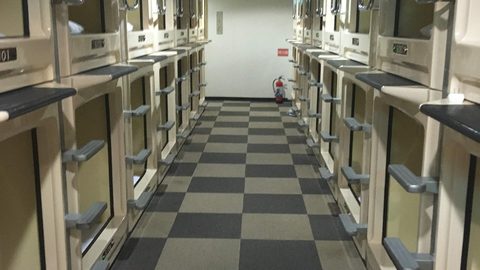
 Tokyo Hotels by Type and Budget from Capsules to Luxury
Tokyo hotels organised by type and price band, from efficient capsule pods to full-service luxury towers, to help you book the right room.
Tokyo Hotels by Type and Budget from Capsules to Luxury
Tokyo hotels organised by type and price band, from efficient capsule pods to full-service luxury towers, to help you book the right room.
-
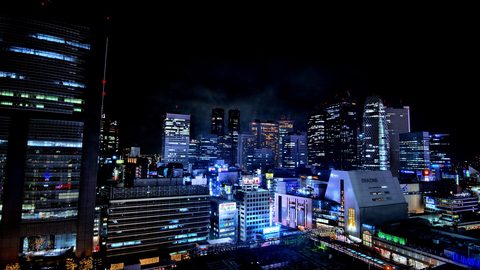 Where to Stay in Tokyo by District and Travel Style
A comparison of Tokyo's major districts to help you choose the right base for your travel style, whether you want calm or chaos.
Where to Stay in Tokyo by District and Travel Style
A comparison of Tokyo's major districts to help you choose the right base for your travel style, whether you want calm or chaos.
-
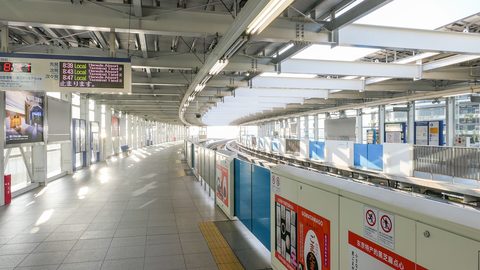 Narita or Haneda for Tokyo and What That Airport Choice Costs You
Narita or Haneda for Tokyo: compare door-to-district time, transfer cost, and what the wrong airport choice eats from your trip.
Narita or Haneda for Tokyo and What That Airport Choice Costs You
Narita or Haneda for Tokyo: compare door-to-district time, transfer cost, and what the wrong airport choice eats from your trip.
-
 Things to Do in Tokyo That Are Worth Your Limited Days
A curated list of Tokyo's highest-impact sights and experiences, from immersive art to quiet backstreets, to help you prioritise your days.
Things to Do in Tokyo That Are Worth Your Limited Days
A curated list of Tokyo's highest-impact sights and experiences, from immersive art to quiet backstreets, to help you prioritise your days.
-
 Best Time to Visit Tokyo Month by Month Tradeoffs
A month-by-month guide to visiting Tokyo, laying out the trade-off between weather, crowds, price, and what's actually open.
Best Time to Visit Tokyo Month by Month Tradeoffs
A month-by-month guide to visiting Tokyo, laying out the trade-off between weather, crowds, price, and what's actually open.
-
 Getting Around Tokyo by Train Airport Transfers and IC Cards
A practical guide to Tokyo's rail network, covering airport transfers, IC cards, and how to avoid the station navigation mistakes that eat your day.
Getting Around Tokyo by Train Airport Transfers and IC Cards
A practical guide to Tokyo's rail network, covering airport transfers, IC cards, and how to avoid the station navigation mistakes that eat your day.
-
 Senso-ji
 is free and never closes, but the experience at 6am with empty Nakamise stalls is nothing like the 11am crush under Kaminarimon. Here is when to go and what you get at each hour.
Senso-ji
Senso-ji is free and never closes, but the experience at 6am with empty Nakamise stalls is nothing like the 11am crush under Kaminarimon. Here is when to go and what you get at each hour.
-
 Meiji Jingu
The Meiji Jingu visit changes completely depending on which torii gate you enter. One drops you from Harajuku noise into sudden forest, the other builds quiet slowly from Yoyogi.
Meiji Jingu
The Meiji Jingu visit changes completely depending on which torii gate you enter. One drops you from Harajuku noise into sudden forest, the other builds quiet slowly from Yoyogi.
-
 teamLab
 Borderless and Planets are two different Tokyo venues with separate booking systems. Borderless tickets at Azabudai Hills sell in timed slots and the maze has no fixed route.
teamLab
teamLab Borderless and Planets are two different Tokyo venues with separate booking systems. Borderless tickets at Azabudai Hills sell in timed slots and the maze has no fixed route.