Standing at Nihonbashi Bridge Where All of Japan's Roads Once Began
Nihonbashi is Edo's old business district, still measuring the country's distances from its bridge and feeding Tokyo from the depachika food halls beneath its department stores.
- Flag
-
- ISO code
- JP
- Currency
- JPY
- Timezone
- Asia/Tokyo
Standing at Nihonbashi Bridge Where All of Japan’s Roads Once Began
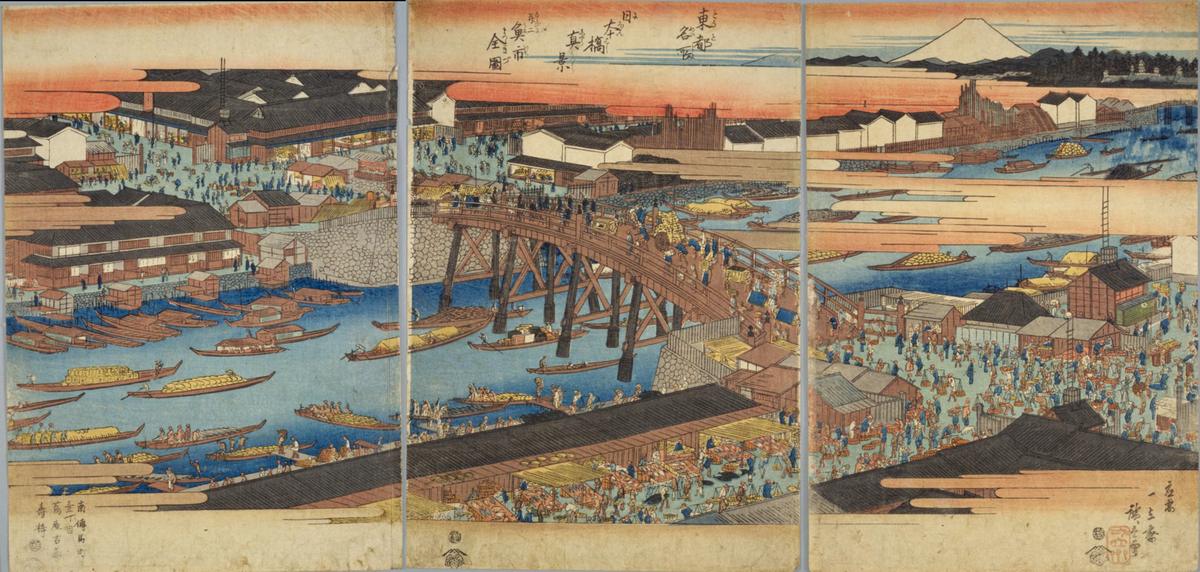
The bronze plaque set into the roadway at the centre of Nihonbashi bridge, on the northbound side, marks the zero kilometre point for seven national highways. Every distance in Japan was once measured from here.
The bridge itself is a Taisho-era stone double-arch structure built in 1911, 49 metres long and 27 metres wide. It became an Important Cultural Property of Japan in 1999. You will walk across it without noticing the plaque unless you stop and look down, because the Shuto Expressway's KK1 inner circular route runs directly above the deck at roughly three metres clearance. That concrete lid was installed in 1963 for the 1964 Tokyo Olympics.
The Nihonbashi Undergrounding Project, budgeted at around JPY 320 billion with a target completion near 2040, will eventually remove that expressway and restore the sky above the bridge. Stand on the plaque. Look up at the expressway. Understand that Tokyo's commercial soul operates exactly like this: the old is never demolished, it is buried, built over, and still functions underneath.

From the Zero Marker to the Depachika Feeding an Empire
Walk two minutes north from the bridge to the Mitsukoshi Nihonbashi flagship at 1-4-1 Nihonbashi-Muromachi. This department store began in 1673 as the Echigoya kimono merchant and opened its current Renaissance-style main building in 1935, seven floors above ground and two below.
The Basement That Taught Tokyo How to Eat
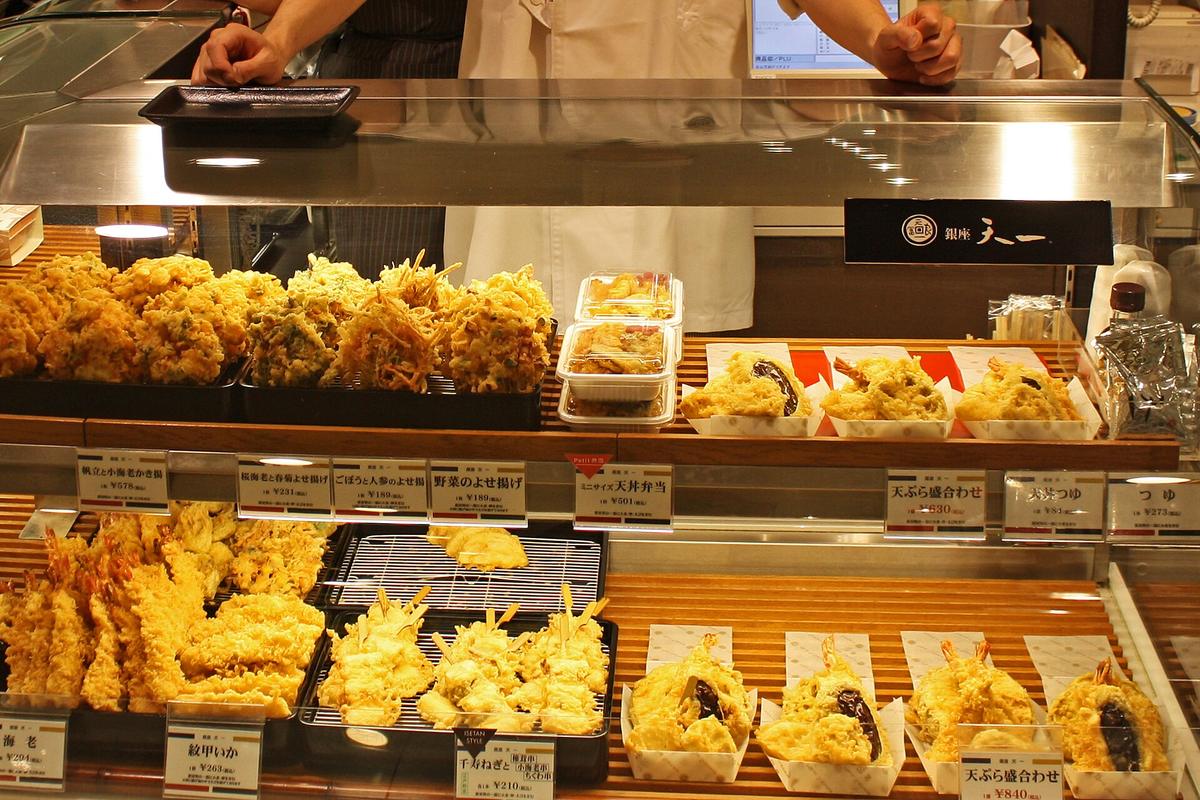
Take the stairs down to Basement 1. That is the depachika, the basement-level food hall that defined how Tokyo eats. Arrive at 11:00 on a weekday, just as the first wave of office workers arrive for lunch. By 12:30 the aisles between the prepared food counters are impassable.
The depachika sells fresh produce, meat, fish, prepared side dishes, bento, sushi, wagashi, Western pastries, alcohol, tea, and gift foods. You do not come here for a meal. You come here to buy dinner in three separate transactions from three different counters, assemble it in your hotel room, and eat it while sitting on the bed watching local television. That is the correct ritual.
Mitsukoshi's depachika peaks 11:00 to 14:00 and again 17:00 to 19:00 on weekdays, and 11:00 to 19:00 on weekends and holidays. Go at 15:00 for shorter queues and the same quality.
The Surviving Edo Merchants in the Side Streets
Three blocks north of the bridge, Nihonbashi-Muromachi still holds merchants that predate the department store.
Three Shops Worth the Weight in Your Luggage
Kiya, the knife shop at 2-4-1 Nihonbashi-Muromachi, was founded in 1792. It sells kitchen knives, scissors, and sharpening stones. Buy a general-purpose santoku from Kiya if you cook at home and are willing to carry it back; the store will wrap it for check-in luggage.
Ozu Washi at 3-6-2 Nihonbashi-Honcho, founded 1653, sells handmade paper. It runs workshops in its dedicated Washi no Mise space if you book ahead by phone.
Ninben at 1-2-3 Nihonbashi-Muromachi, founded 1699, sells dried bonito flakes and offers a tasting counter where you can sample different levels of smoke and dryness. Ninben is the shop to visit on a Saturday because many independent retailers in the district close on Sundays and public holidays.
Sunday Is for Walking, Not Shopping
The weekend pedestrian density drops significantly, which makes Sunday the ideal day to walk the historic streetscapes without crowds, provided you target the depachika at Mitsukoshi and the Coredo Muromachi complexes (which stay open) rather than the independents.
Coredo Muromachi and the Modern Mercantile Evolution
Mitsui Fudosan built the Coredo Muromachi complex across four phases. Coredo Muromachi 1 opened in 2010, Coredo 2 and 3 opened in 2014, and the Terrace opened in 2019. The complex contains retail shops, restaurants, a food hall, a cinema in Coredo 2, and commercial offices above.
It is not a historical site. It is the contemporary version of the same commercial logic that has operated in Nihonbashi since the Edo period: gather goods, feed the district, make money. The Edo-period fish market that operated at Nihonbashi Uogashi relocated to Tsukiji in 1923. The rice exchange and the Kinza gold mint, both established near here in the late 1500s, are gone. But the district's mercantile identity never left.
Where the Salarymen Eat Now
You will see it in the Coredo food hall at lunch, where salarymen eat the same quality of prepared food that their predecessors bought from market stalls four centuries ago. Skip the chain restaurants in Coredo. Target the second-floor specialty shops selling single-origin tea or hand-milled sesame paste. These are the modern successors to the Edo-era wholesalers.
.jpg)
Why Nihonbashi Works for the Visitor Who Knows What They Want
Nihonbashi is not a destination for the traveller seeking a compact walkable old town. It is a business district with historic bones. It is best for the solo explorer who thrives on anonymity, the food-obsessed planner who builds a trip around specific meals, the design enthusiast who wants to handle Edo-era paper and Taisho-era architecture, and the repeat visitor who has already done the big sights.
The district demands five full days in Tokyo minimum, not because Nihonbashi takes five days, but because you cannot feel its rhythm in a half-day dash between Asakusa and the Imperial Palace.
The Sequence That Unlocks the District
Arrive at the bridge at 07:30 on a weekday. Watch the office workers cross. Eat a convenience store egg salad sandwich on the bridge parapet, then walk north through the depachika at opening time. That is the sequence. That is how you measure Tokyo's commercial soul: from the zero marker, through the basement food halls, past the Edo knife shops, and back to the stone bridge that started it all.
Other areas in Tokyo
- Akihabara
- Asakusa
- Ebisu
- Futako-tamagawa
- Ginza
- Harajuku
- Ikebukuro
- Jimbocho
- Jiyugaoka
- Kagurazaka
- Kichijoji
- Kiyosumi-Shirakawa
- Koenji
- Kuramae
- Marunouchi
- Nakameguro
- Nakano
- Ningyocho
- Odaiba
- Omotesando and Aoyama
- Roppongi
- Ryogoku
- Sangenjaya
- Shibamata
- Shibuya
- Shimokitazawa
- Shin-Okubo
- Shinagawa
- Shinjuku
- Sugamo
- Takadanobaba
- Todoroki
- Tsukiji
- Tsukishima
- Ueno
- Yanaka
- Yurakucho and Shinbashi
Common Questions
When is the best time to see Nihonbashi bridge without the expressway shadow?
Right now, never. The expressway covers the bridge. The Nihonbashi Undergrounding Project aims to remove it by approximately 2040, at a cost of around JPY 320 billion. The official figure is published by the Metropolitan Expressway Company. Until then, you see the bridge under a concrete lid. Stand on the zero marker and look north, where the expressway gap lets in light, for the closest you get to the original sky.
Which Nihonbashi shops close on Sundays?
Most independent and small retail shops close on Sundays and public holidays. Kiya and Ninben are both closed. Ozu Washi may operate on a reduced schedule. Mitsukoshi and the Coredo Muromachi complexes stay open. Sunday is the quietest day for walking the historic streetscapes, but you must plan your shopping for Saturday or a weekday.
Is the Mitsukoshi depachika worth visiting if I have already seen the one at Isetan Shinjuku?
Yes, because the two serve different crowds. Isetan Shinjuku's depachika is larger and more fashion-oriented. Mitsukoshi Nihonbashi's depachika is the original, built for the business district, and its bento and prepared food counters cater to office workers who have been eating here since the 1930s. The quality is the same. The atmosphere is older and quieter until the lunch rush.
Can I walk from Nihonbashi to the Imperial Palace?
Yes, it is a 15 minute walk south-west across the bridge and along the moat to the East Gardens entrance. The East Gardens are free and contain stone foundations of the former castle keep. Combine this with a morning at Nihonbashi for a half-day itinerary that covers two of Tokyo's historical anchors without using a train.
What should I buy from the Edo-era shops as a souvenir?
A kitchen knife from Kiya if you cook, handmade washi paper from Ozu Washi if you write letters, or a packet of ninben katsuobushi (dried bonito flakes) if you want to make dashi at home. All three pack flat in checked luggage. Do not buy the gift boxes from the depachika unless you are delivering them to a host in Japan. The packaging is beautiful and impractical for carrying home.
Read next
-
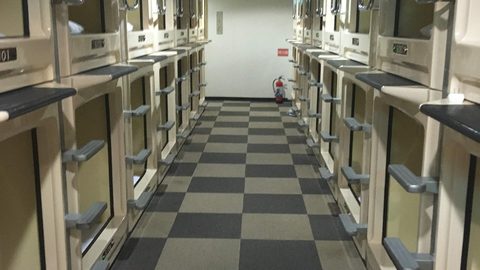 Tokyo Hotels by Type and Budget from Capsules to Luxury
Tokyo hotels organised by type and price band, from efficient capsule pods to full-service luxury towers, to help you book the right room.
Tokyo Hotels by Type and Budget from Capsules to Luxury
Tokyo hotels organised by type and price band, from efficient capsule pods to full-service luxury towers, to help you book the right room.
-
 Where to Stay in Tokyo by District and Travel Style
A comparison of Tokyo's major districts to help you choose the right base for your travel style, whether you want calm or chaos.
Where to Stay in Tokyo by District and Travel Style
A comparison of Tokyo's major districts to help you choose the right base for your travel style, whether you want calm or chaos.
-
 Narita or Haneda for Tokyo and What That Airport Choice Costs You
Narita or Haneda for Tokyo: compare door-to-district time, transfer cost, and what the wrong airport choice eats from your trip.
Narita or Haneda for Tokyo and What That Airport Choice Costs You
Narita or Haneda for Tokyo: compare door-to-district time, transfer cost, and what the wrong airport choice eats from your trip.
-
 Things to Do in Tokyo That Are Worth Your Limited Days
A curated list of Tokyo's highest-impact sights and experiences, from immersive art to quiet backstreets, to help you prioritise your days.
Things to Do in Tokyo That Are Worth Your Limited Days
A curated list of Tokyo's highest-impact sights and experiences, from immersive art to quiet backstreets, to help you prioritise your days.
-
 Best Time to Visit Tokyo Month by Month Tradeoffs
A month-by-month guide to visiting Tokyo, laying out the trade-off between weather, crowds, price, and what's actually open.
Best Time to Visit Tokyo Month by Month Tradeoffs
A month-by-month guide to visiting Tokyo, laying out the trade-off between weather, crowds, price, and what's actually open.
-
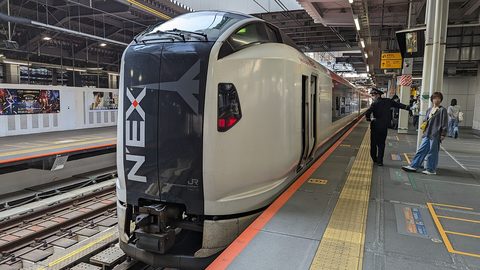 Getting Around Tokyo by Train Airport Transfers and IC Cards
A practical guide to Tokyo's rail network, covering airport transfers, IC cards, and how to avoid the station navigation mistakes that eat your day.
Getting Around Tokyo by Train Airport Transfers and IC Cards
A practical guide to Tokyo's rail network, covering airport transfers, IC cards, and how to avoid the station navigation mistakes that eat your day.
-
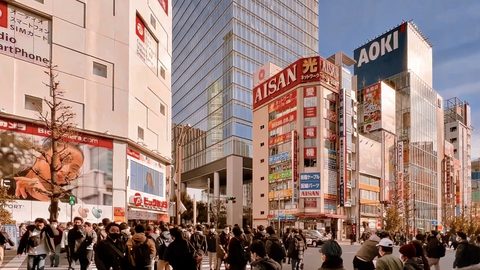 Akihabara
 Tokyo guide: electronics, anime, and arcades stacked floor by floor, from Radio Kaikan to the maid cafe touts.
Akihabara
Akihabara Tokyo guide: electronics, anime, and arcades stacked floor by floor, from Radio Kaikan to the maid cafe touts.
-
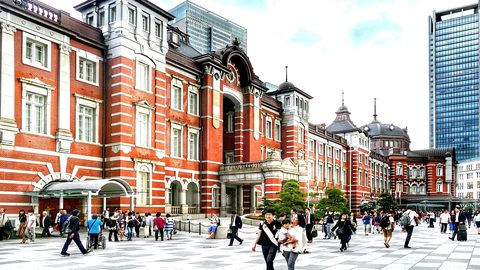 Marunouchi
Staying in Marunouchi puts you steps from Tokyo Station's Shinkansen platforms and Narita Express, trading nightlife buzz for unmatched rail connectivity and wide, quiet weekend boulevards.
Marunouchi
Staying in Marunouchi puts you steps from Tokyo Station's Shinkansen platforms and Narita Express, trading nightlife buzz for unmatched rail connectivity and wide, quiet weekend boulevards.
-
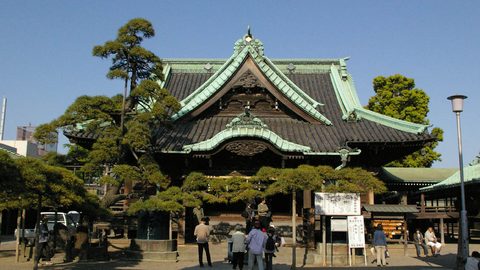 Shibamata
 preserves a 1950s Tokyo on its temple approach street, forever tied to the Tora-san film series and best visited for unagi and old-school snacks.
Shibamata
Shibamata preserves a 1950s Tokyo on its temple approach street, forever tied to the Tora-san film series and best visited for unagi and old-school snacks.