Is One Day in Hakone from Tokyo Actually Worth It

Is One Day in Hakone from Tokyo Actually Worth it
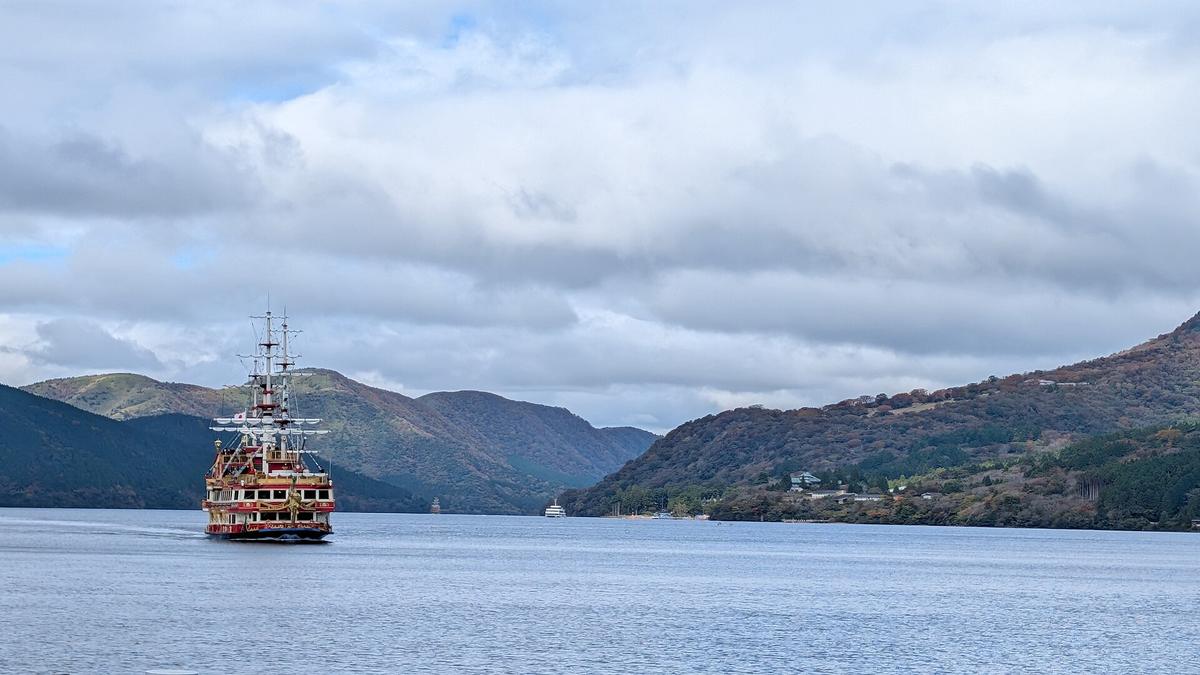
The first time you look at a map of the Hakone loop, it looks simple. A train up, a cable car, an aerial tram, a boat, a bus back. A neat circle on paper. What the map does not show is that this circle eats six to eight hours of your day before you have done anything but move. You queue for the Romancecar seat reservation. You queue for the switchback train. You queue for the gondola. You queue for the pirate ship. By the time you stand on the deck of that boat, Lake Ashi is already hazy and Fuji, if it appeared at all, is gone behind midday cloud. The honest answer about a Hakone day trip from Tokyo is this: you can do it, but you have to treat it as a transit challenge with scenic breaks, not a relaxed mountain retreat. One full day is enough to complete the loop. One full day is not enough to feel Hakone.
The Minimum Viable Day Trip: How to Make the Loop Work
Start at Shinjuku station. Book the 07:30 Romancecar to Hakone-Yumoto the day you reserve the Hakone Free Pass. It puts you at the base of the loop by 09:00. Without a reserved seat, you stand in the unreserved carriage the whole way. The Free Pass from Shinjuku costs ¥6,100 for two days. You only need one day, but buy the two-day anyway. The round trip Shinjuku to Hakone-Yumoto plus the full loop and one extra ride beats the pass cost. You lose nothing.
From Hakone-Yumoto, board the Hakone Tozan Railway for Gora. Forty minutes of switchbacks through cedar forest. Do not get off at Chokoku-no-mori for the Open Air Museum. You do not have the two hours it demands. Stay on the train to Gora, then transfer to the Hakone Tozan Cable Car for Sounzan. At Sounzan, the Hakone Ropeway carries you over the valley to Owakudani. The volcanic vents are active. The air smells of sulfur. Eat a black egg cooked in the geothermal water. It takes five minutes. Move on.
The Lake Crossing And The Bus Back
The second gondola leg from Owakudani to Togendai takes a quarter of an hour. If the aerial tram is closed due to volcanic alert levels, and it closes with little notice, take the bus from Sounzan directly to Togendai. This bypass saves you roughly half an hour. At Togendai, board the Hakone Sightseeing Cruise across Lake Ashi. The crossing lasts 25 to 35 minutes depending on the vessel. Stand on the starboard side for the best Fuji view, if Fuji is out. In June and July it almost certainly is not. In December and February it almost certainly is. Arrive at the lake before 10:00 and you have a real chance. After that, the clouds roll in.The cruise deposits you at Hakone-machi. Find the bus stop. The Hakone Tozan Bus runs back to Hakone-Yumoto in 35 to 45 minutes. You arrive by 15:00 if you kept moving. You have done the loop. You have seen the crater, the lake, the mountain if it cooperated. You have not sat down for lunch. You have not soaked in an onsen. You have not walked a museum. You have not once stopped to feel the quiet of the mountain forest. That is the trade. Transit, not immersion.
What To Skip If You Are Short On Time
The Hakone Open Air Museum sits two stops from Hakone-Yumoto on the Tozan Railway and demands 1.5 to 2.5 hours inside. It is excellent. It is the first thing you cut. Skip the museum and you buy yourself the breathing room to eat a proper meal at Gora or Togendai. Skip the Owakudani stop if the line stretches past 20 minutes. The eggs are a novelty, not a reason to wait. The bus bypass from Sounzan to Togendai is faster and the lake view matters more.The Fuji Problem
Hakone sells itself as a Fuji viewing spot. The truth is more conditional. Fuji is visible from Lake Ashi reliably only from December through February, when winter air is dry and clear. In the early morning year round you have a chance, but by late morning clouds and humidity obscure the mountain. The worst months are June and July, when the rainy season delivers grey drizzle and 80% humidity, and August, when haze eats the horizon. If your trip falls in summer, adjust your expectations. The lake is still beautiful. The mountain will not be there.The Counter Argument: Why One Day is Not Enough
Every day tripper who finishes the loop by 15:00 misses the one thing that makes Hakone worth the travel time. They miss 17:00. At 17:00, the last sightseeing bus departs. The gondola closes. The cruise docks for the night. The tour groups pack into their coaches and the town goes quiet. What remains is a mountain valley with hot springs and a lake and a sky that turns pink over Fuji if the clouds allow it. That hour is not reachable on the day trip schedule.
The overnight case is simple. Check into a ryokan at 15:00. Change into the provided yukata. Walk to the onsen before dinner, when the water is hottest and the baths are empty. You eat a kaiseki dinner served course by course in your room or a private dining hall. Eight to twelve small plates. Seasonal ingredients. The meal takes two hours. After dinner, soak again, this time outside, in the dark, under the stars. The next morning, wake at 06:00. Walk to the lake. The water is still. The tour buses have not yet arrived from Tokyo. Fuji stands in clear air if the season permits. You have the mountain to yourself until 09:30, when the first cruise departs. Then take that cruise, the aerial tram, the cable car, and the train back to Tokyo, arriving by lunch.
The cost is real. A ryokan with dinner and breakfast runs ¥20,000 to ¥60,000 per person. That is not a budget option. But the alternative is paying ¥6,100 for the Free Pass, spending seven hours in transit, and returning to Shinjuku tired, hungry, and having seen the loop without ever touching it. The overnight buys you the immersion that the loop advertises but cannot deliver in one day.
Who Should Stay And Who Should Go
Stay overnight if your trip includes a partner who values shared quiet, if you have the budget for a good ryokan dinner, if you want to soak in an onsen without checking a tattoo policy against a day-use facility. Go as a day trip if you are a solo efficiency nerd who values the transit feat itself, if you are on a backpacker budget, if your only free day is locked and you would rather see the crater than stay home. One day is not a mistake. It is just the short version. The long version is better.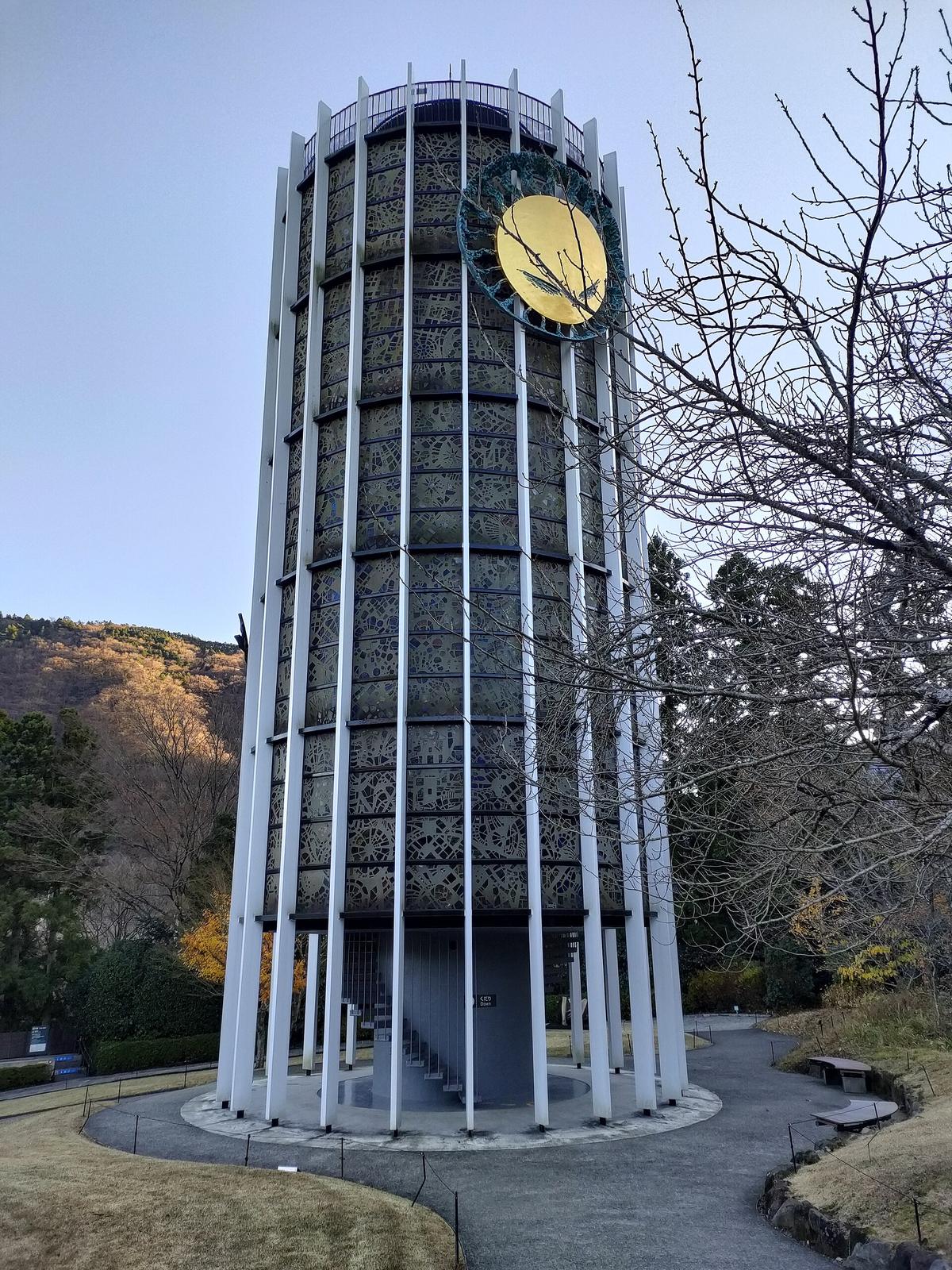

Read next
-
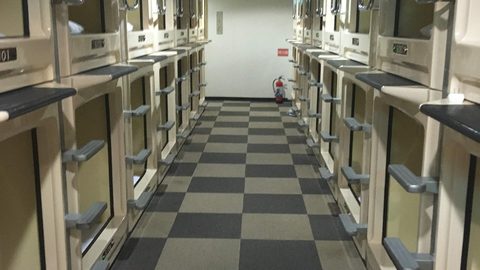
 Tokyo Hotels by Type and Budget from Capsules to Luxury
Tokyo hotels organised by type and price band, from efficient capsule pods to full-service luxury towers, to help you book the right room.
Tokyo Hotels by Type and Budget from Capsules to Luxury
Tokyo hotels organised by type and price band, from efficient capsule pods to full-service luxury towers, to help you book the right room.
-
 Where to Stay in Tokyo by District and Travel Style
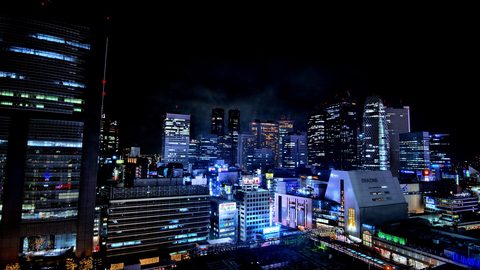
A comparison of Tokyo's major districts to help you choose the right base for your travel style, whether you want calm or chaos.
Where to Stay in Tokyo by District and Travel Style
A comparison of Tokyo's major districts to help you choose the right base for your travel style, whether you want calm or chaos.
-
 Narita or Haneda for Tokyo and What That Airport Choice Costs You
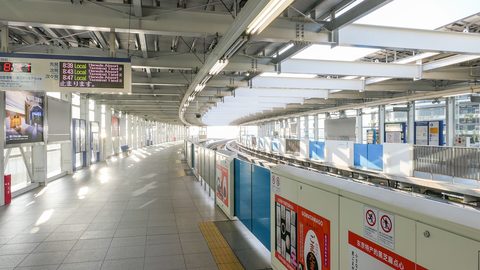
Narita or Haneda for Tokyo: compare door-to-district time, transfer cost, and what the wrong airport choice eats from your trip.
Narita or Haneda for Tokyo and What That Airport Choice Costs You
Narita or Haneda for Tokyo: compare door-to-district time, transfer cost, and what the wrong airport choice eats from your trip.
-
 Things to Do in Tokyo That Are Worth Your Limited Days
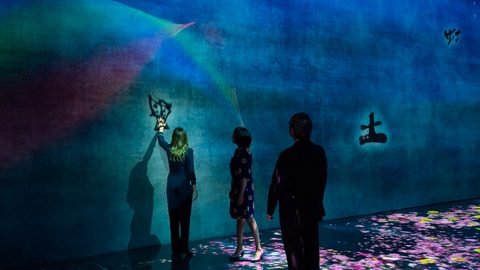
A curated list of Tokyo's highest-impact sights and experiences, from immersive art to quiet backstreets, to help you prioritise your days.
Things to Do in Tokyo That Are Worth Your Limited Days
A curated list of Tokyo's highest-impact sights and experiences, from immersive art to quiet backstreets, to help you prioritise your days.
-
 Best Time to Visit Tokyo Month by Month Tradeoffs
A month-by-month guide to visiting Tokyo, laying out the trade-off between weather, crowds, price, and what's actually open.
Best Time to Visit Tokyo Month by Month Tradeoffs
A month-by-month guide to visiting Tokyo, laying out the trade-off between weather, crowds, price, and what's actually open.
-
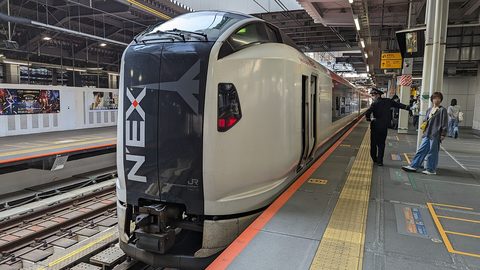 Getting Around Tokyo by Train Airport Transfers and IC Cards
A practical guide to Tokyo's rail network, covering airport transfers, IC cards, and how to avoid the station navigation mistakes that eat your day.
Getting Around Tokyo by Train Airport Transfers and IC Cards
A practical guide to Tokyo's rail network, covering airport transfers, IC cards, and how to avoid the station navigation mistakes that eat your day.
-
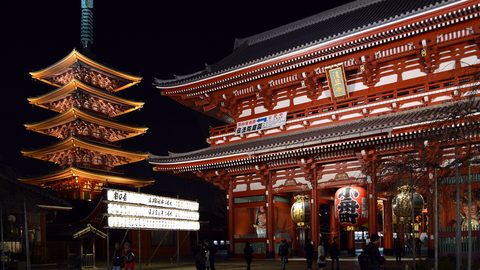 Senso-ji
 is free and never closes, but the experience at 6am with empty Nakamise stalls is nothing like the 11am crush under Kaminarimon. Here is when to go and what you get at each hour.
Senso-ji
Senso-ji is free and never closes, but the experience at 6am with empty Nakamise stalls is nothing like the 11am crush under Kaminarimon. Here is when to go and what you get at each hour.
-
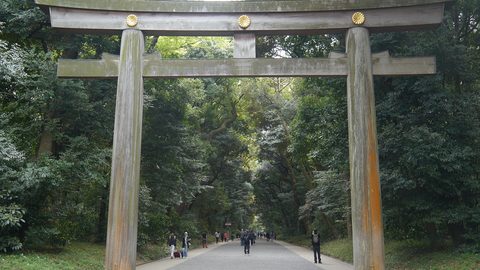 Meiji Jingu
The Meiji Jingu visit changes completely depending on which torii gate you enter. One drops you from Harajuku noise into sudden forest, the other builds quiet slowly from Yoyogi.
Meiji Jingu
The Meiji Jingu visit changes completely depending on which torii gate you enter. One drops you from Harajuku noise into sudden forest, the other builds quiet slowly from Yoyogi.
-
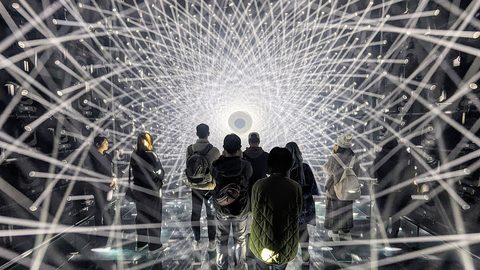 teamLab
 Borderless and Planets are two different Tokyo venues with separate booking systems. Borderless tickets at Azabudai Hills sell in timed slots and the maze has no fixed route.
teamLab
teamLab Borderless and Planets are two different Tokyo venues with separate booking systems. Borderless tickets at Azabudai Hills sell in timed slots and the maze has no fixed route.