The Direct Highway Bus from Haneda Airport to Lake Kawaguchi
A direct highway bus runs from Haneda Airport to Kawaguchiko Station, letting you reach Mount Fuji without setting foot in Shinjuku. Here is the timetable and when it makes sense.
The Direct Highway Bus from Haneda Airport to Lake Kawaguchi
Why This Bus Exists
You clear immigration at Haneda's international hall, walk past the convenience store on the arrivals level, and stop at Bus Bay No. 6. The digital board shows a single departure for Kawaguchiko at 07:40. You have a seat reserved, a ticket paid online, and no reason to set foot in Shinjuku. This is the fastest way from a Tokyo runway to Mount Fuji's front door if you arrived at Haneda.
Most travellers assume they must transit through central Tokyo to reach the lake. They do not have to. A direct highway coach operated jointly by Fujikyu Bus and Airport Transport Service runs from Haneda to Kawaguchiko Station, Fujisan Station, and Fuji-Q Highland. The service skips Tokyo entirely. It takes the Tomei Expressway and the Chuo Expressway, and in good traffic it reaches Kawaguchiko Station in 2 hours 30 minutes. The one way fare is ¥3,600 for an adult, ¥1,800 for a child aged six to twelve. That is cheaper and simpler than the rail alternative, which costs ¥5,000 to ¥6,500 and takes 3 hours to 3 hours 30 minutes with at least two changes.
Here is exactly how to book it, when to take it, and when to walk away and take the train instead.
Schedule, Stops and How to Book
Departure Points at the Airport
The coach departs Haneda from all three terminals. International flights use Bus Stop No. 6 on the arrivals level. Domestic Terminal 2 and Terminal 1 each have their own stop, No. 7 and No. 8 respectively. The outbound call order is Terminal 3, then Terminal 2, then Terminal 1, then Kawaguchiko. If you board at the international stop, you add roughly ten minutes for the two domestic stops before the vehicle leaves the airport zone.
When It Runs
Four departures run per day in each direction during off peak periods. The first outbound service leaves at 07:40. The last departs at 14:40. On the return leg, the first coach from Kawaguchiko to Haneda leaves at 05:30 and the last at 16:30. During peak autumn leaf season, late October through November, and during Golden Week, late April to early May, the operator adds extra departures, bringing the total to six or seven per day. These sell out. Book at least two to three weeks ahead for autumn leaves and three to four weeks ahead for Golden Week and Obon.
Reservations Are Mandatory
You cannot board without a reservation. The service does not accept cash or IC card payments on board. You must book in advance through the Fujikyu website, Japan Bus Online, a convenience store kiosk, or the Airport Limousine counter at Haneda. Tickets go on sale one month before the travel date. Book the moment they open if you travel on a weekend or during peak season.
Your ticket is tied to a specific departure. If your flight is delayed, the coach does not wait. You must rebook at the counter or online, and you are not guaranteed a seat on the next one. Build a buffer of at least 90 minutes between your scheduled arrival time and the departure, especially on long haul flights. If you land at 14:00 and the last service leaves at 14:40, you will almost certainly miss it.
When the Direct Bus Beats the Train and When it Does Not
The Case for the Coach
The direct coach is the right choice when you land at Haneda, you are heading straight to Kawaguchiko, and you want to skip Tokyo. Total door to door time from the arrivals gate to the lake is about 2 hours 30 minutes to 3 hours, depending on traffic. Total cost is ¥3,600. You sit once, you stow your luggage for free, and you watch the city give way to forest and then to the mountain.
The rail alternative requires three legs: Keikyu Line from Haneda to Shinagawa, JR Yamanote to Shinjuku, then a Fuji Excursion limited express or a Chuo Line train to Kawaguchiko. That takes 3 hours to 3 hours 30 minutes and costs ¥5,000 to ¥6,500. You transfer twice with luggage. The train is more reliable in one specific scenario: Friday evening outbound or Sunday afternoon return during autumn leaf peak. Road traffic on the Chuo Expressway can add 90 minutes or more on those windows, pushing the coach journey past four hours. In that case, the train becomes the faster option despite the changes.
Taxi and Late Arrival Options
A taxi from Haneda to Kawaguchiko costs ¥45,000 to ¥55,000 and takes 2 hours to 2 hours 30 minutes. That is the same time as the coach for ten times the price. Only consider it if you are splitting the fare among four people and the last departure has already left.
If you arrive at night, after the 14:40 last departure, you have two options. Take the Keikyu Line to Shinagawa, then a train to Shinjuku, stay overnight in Tokyo, and catch the morning coach from Shinjuku to Kawaguchiko the next day. Or book a hotel near Haneda, stay near the airport, and take the first service at 07:40 the next morning.
Luggage, Traffic and What to Watch for
What You Can Carry
You are allowed two pieces of hold luggage per passenger. Each piece must have total dimensions of length plus width plus height no greater than 200 centimetres and must weigh no more than 30 kilograms. The gate staff load everything. You do not need to declare large items separately. If your bag is oversized, you may be refused boarding. Book a separate cargo service for surfboards, golf clubs, or oversized suitcases.
The Traffic Variable
Traffic is the single variable that can ruin this route. On a normal weekday morning, the outbound journey takes 2 hours 15 minutes to 2 hours 30 minutes. During weekday morning rush hour, add 20 to 40 minutes. On a holiday weekend during Golden Week, Obon, or autumn leaves, add 45 to 90 minutes. The coach has a fixed timetable. It does not reroute. If you are on a tight schedule, the train is the safer bet during those windows.
When You Will Actually See Fuji
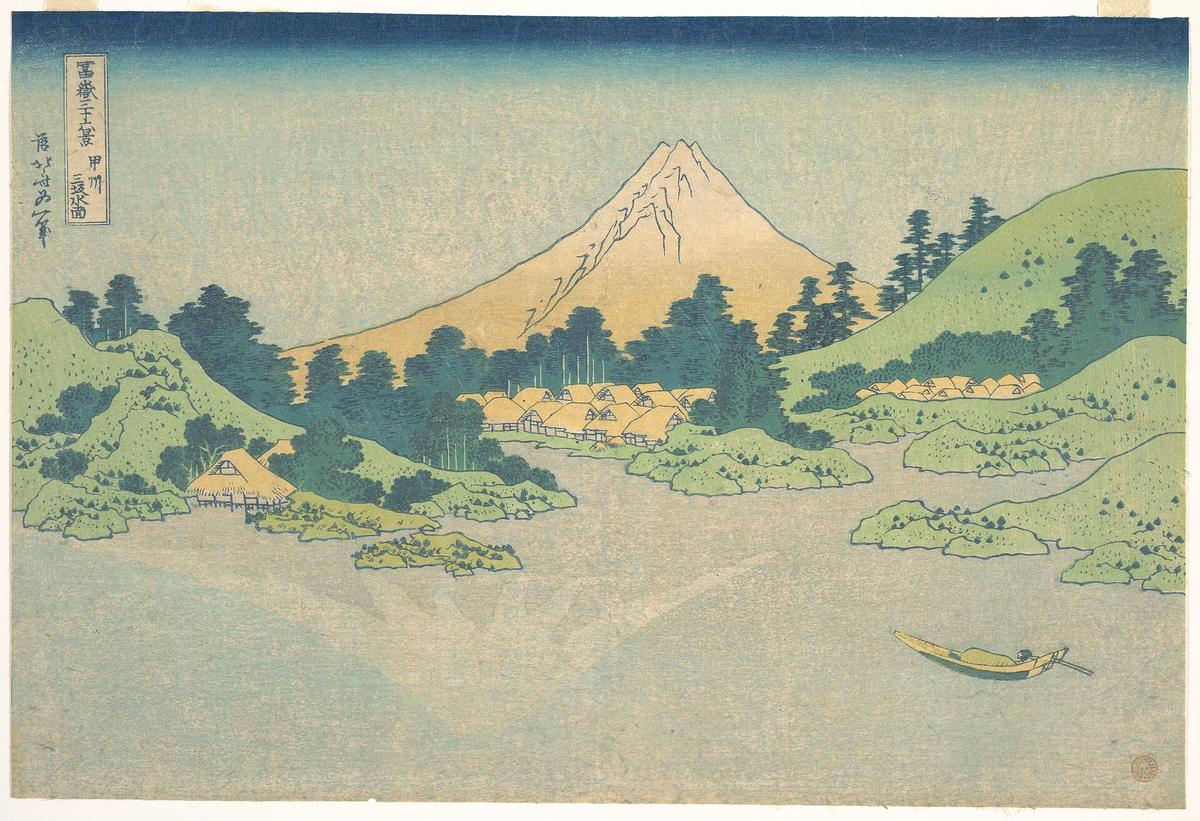
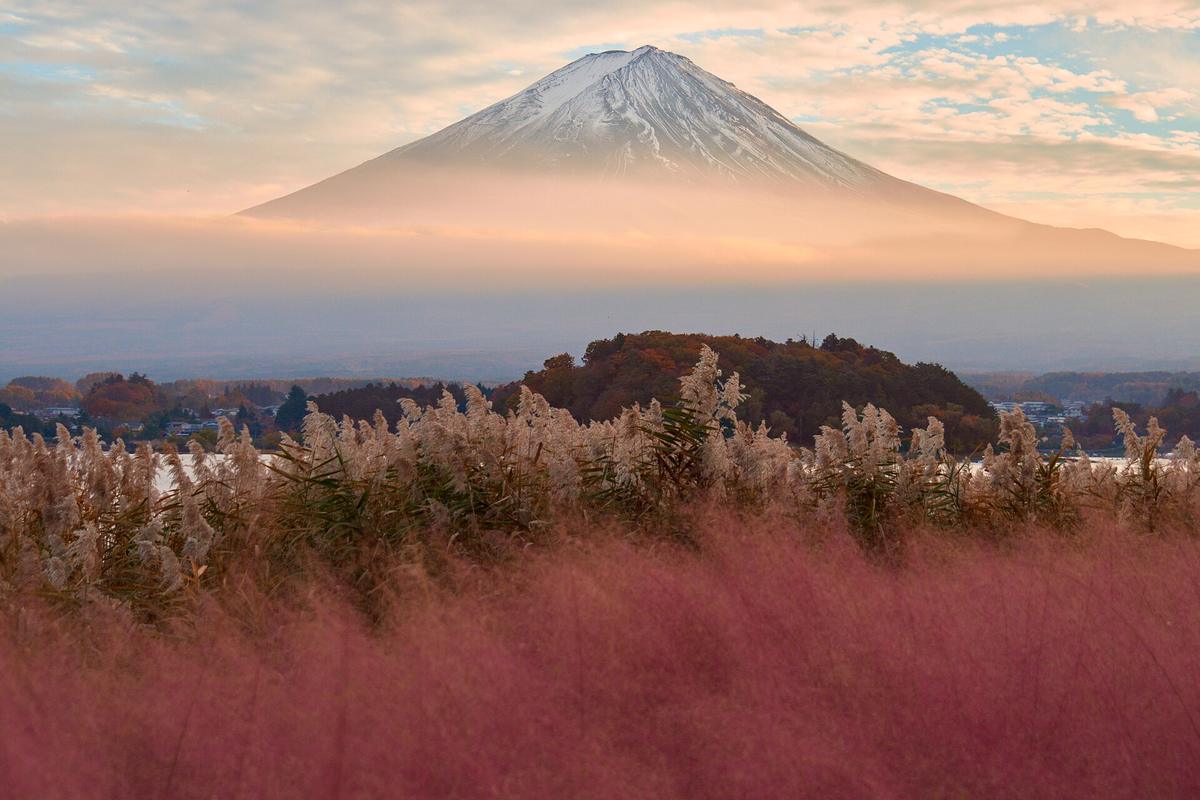
Fuji visibility follows its own calendar. The clearest views run from November through February, when the air is dry and cold. The worst months are June and July, the rainy season, and August, when haze and humidity block the mountain most days. Dawn and early morning offer the best chance of a clear view on any given day. No schedule can guarantee you will see the mountain. Plan your trip for winter or early spring if the view is a priority.
,_from_the_series_Thirty-six_Views_of_Mount_Fuji_(Fugaku_sanj%C5%ABrokkei)_MET_DP140993.jpg)

| Option | Time | Cost (One Way Adult) | Transfers |
|---|---|---|---|
| Direct Bus | 2h 30m (traffic dependent, 2h 15m to 3h 30m) | ¥3,600 | 0 |
| Rail (Keikyu + Yamanote + Fuji Excursion) | 3h to 3h 30m | ¥5,000 to ¥6,500 | 2 |
| Taxi | 2h to 2h 30m | ¥45,000 to ¥55,000 | 0 |
Who This Route Suits and Who Should Skip it
This coach is for you if you land at Haneda, your trip starts at the lake, and you want one seat and one payment. It suits solo explorers who move fast, efficiency nerds who hate transfers, and anyone who has already spent time in Tokyo and wants to get to the mountain immediately.
Skip it if you arrive on a Friday evening or a Sunday afternoon during autumn leaf peak, when traffic jams push the journey past four hours. Skip it if your flight lands after 13:00 and you worry about missing the 14:40 last departure. Skip it if you want to see the mountain in summer, when haze often hides it anyway, and you would prefer the reliability of the train.
The single thing that most often goes wrong on this route: travellers book the coach, their flight arrives late, the service leaves without them, and the next one is sold out. Build a 90 minute buffer between landing and departure. If you cannot, take the train.
Read next
-
 Tokyo Hotels by Type and Budget from Capsules to Luxury
Tokyo hotels organised by type and price band, from efficient capsule pods to full-service luxury towers, to help you book the right room.
Tokyo Hotels by Type and Budget from Capsules to Luxury
Tokyo hotels organised by type and price band, from efficient capsule pods to full-service luxury towers, to help you book the right room.
-
 Where to Stay in Tokyo by District and Travel Style
A comparison of Tokyo's major districts to help you choose the right base for your travel style, whether you want calm or chaos.
Where to Stay in Tokyo by District and Travel Style
A comparison of Tokyo's major districts to help you choose the right base for your travel style, whether you want calm or chaos.
-
 Narita or Haneda for Tokyo and What That Airport Choice Costs You
Narita or Haneda for Tokyo: compare door-to-district time, transfer cost, and what the wrong airport choice eats from your trip.
Narita or Haneda for Tokyo and What That Airport Choice Costs You
Narita or Haneda for Tokyo: compare door-to-district time, transfer cost, and what the wrong airport choice eats from your trip.
-
 Things to Do in Tokyo That Are Worth Your Limited Days
A curated list of Tokyo's highest-impact sights and experiences, from immersive art to quiet backstreets, to help you prioritise your days.
Things to Do in Tokyo That Are Worth Your Limited Days
A curated list of Tokyo's highest-impact sights and experiences, from immersive art to quiet backstreets, to help you prioritise your days.
-
 Best Time to Visit Tokyo Month by Month Tradeoffs
A month-by-month guide to visiting Tokyo, laying out the trade-off between weather, crowds, price, and what's actually open.
Best Time to Visit Tokyo Month by Month Tradeoffs
A month-by-month guide to visiting Tokyo, laying out the trade-off between weather, crowds, price, and what's actually open.
-
 Getting Around Tokyo by Train Airport Transfers and IC Cards
A practical guide to Tokyo's rail network, covering airport transfers, IC cards, and how to avoid the station navigation mistakes that eat your day.
Getting Around Tokyo by Train Airport Transfers and IC Cards
A practical guide to Tokyo's rail network, covering airport transfers, IC cards, and how to avoid the station navigation mistakes that eat your day.
-
 Senso-ji
 is free and never closes, but the experience at 6am with empty Nakamise stalls is nothing like the 11am crush under Kaminarimon. Here is when to go and what you get at each hour.
Senso-ji
Senso-ji is free and never closes, but the experience at 6am with empty Nakamise stalls is nothing like the 11am crush under Kaminarimon. Here is when to go and what you get at each hour.
-
 Meiji Jingu
The Meiji Jingu visit changes completely depending on which torii gate you enter. One drops you from Harajuku noise into sudden forest, the other builds quiet slowly from Yoyogi.
Meiji Jingu
The Meiji Jingu visit changes completely depending on which torii gate you enter. One drops you from Harajuku noise into sudden forest, the other builds quiet slowly from Yoyogi.
-
 teamLab
 Borderless and Planets are two different Tokyo venues with separate booking systems. Borderless tickets at Azabudai Hills sell in timed slots and the maze has no fixed route.
teamLab
teamLab Borderless and Planets are two different Tokyo venues with separate booking systems. Borderless tickets at Azabudai Hills sell in timed slots and the maze has no fixed route.