Where and When to See Cherry Blossoms in Tokyo With Honesty That the Date Shifts
Tokyo cherry blossom peak shifts yearly and lasts about a week. This page covers the forecast timeline, the best parks, and how to handle the crowds.
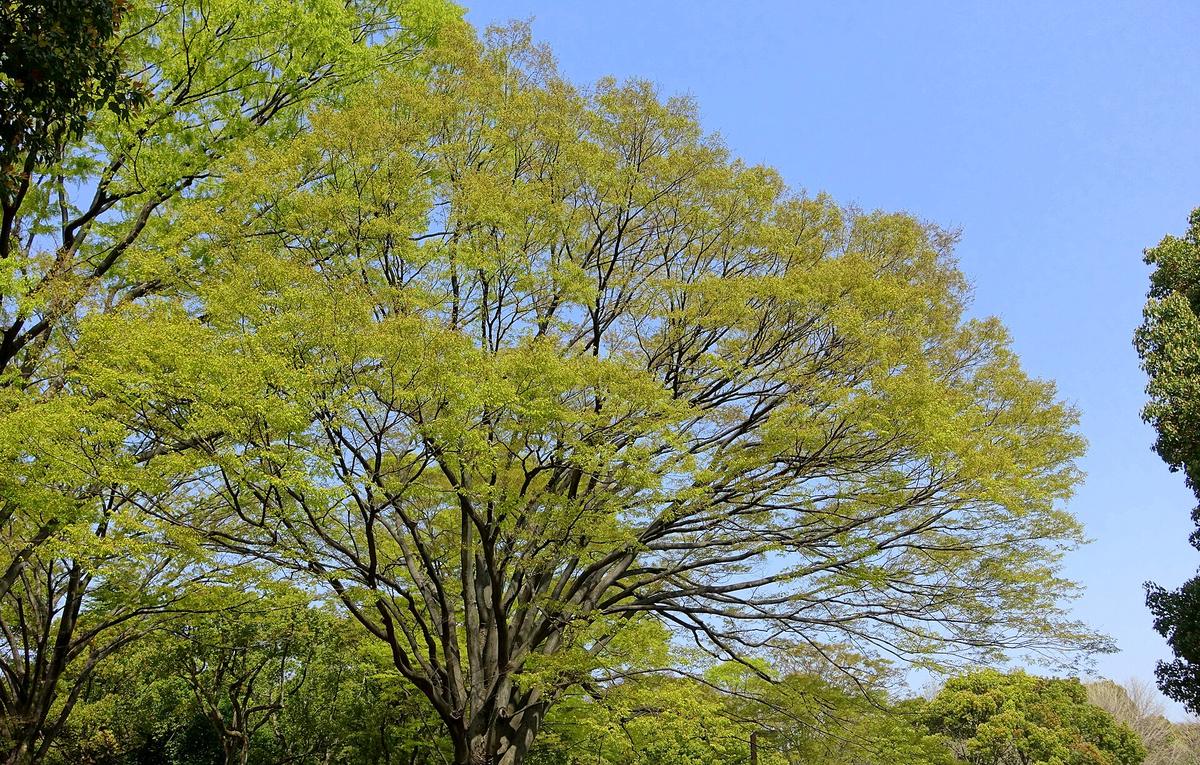
Tokyo Cherry Blossom Forecast Shifts Two Weeks Year to Year
The most common mistake about Tokyo cherry blossom season is treating the forecast as a fixed schedule you can book flights around six months out. You cannot. The bloom date in Tokyo has shifted from 14 March to 29 March in just the last two years. A 2023 visitor who booked for late March saw full bloom on 22 March. A 2024 visitor who booked the same window saw full bloom on 4 April. That fifteen-day swing is normal. Plan for the week the bloom is most likely to occur, then adapt using the latest forecast updates.
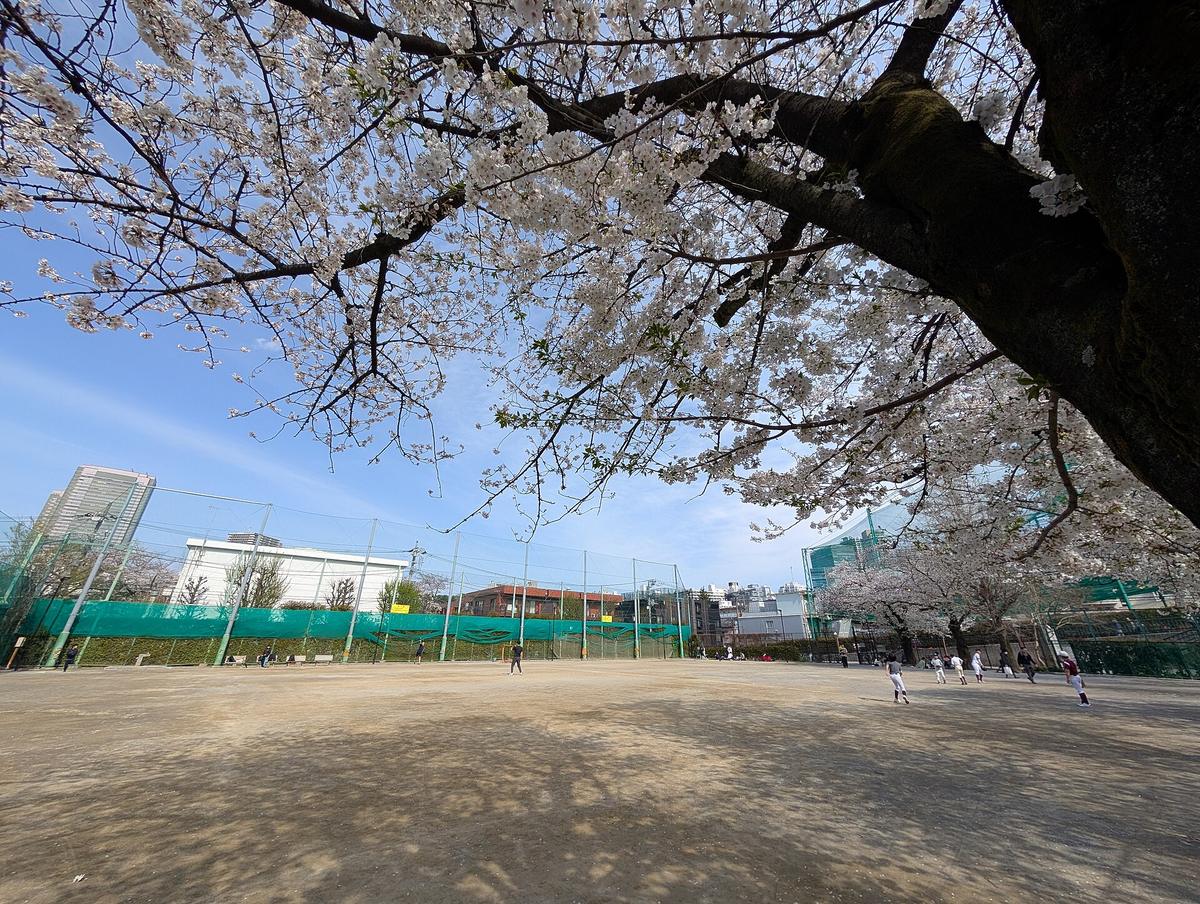
The average bloom period starts 24 March and ends 2 April. Full bloom starts 31 March and ends 7 April. Over the last ten years, the first flowers have appeared as early as 14 March and as late as 28 March. Full bloom has landed between 22 March and 5 April. Book your flights for the second half of March and the first week of April. That window gives you a shot at hitting peak regardless of the annual shift. Then watch the Japan Meteorological Corporation's forecast updates starting in January. By early March, the date will be accurate within two or three days. Adjust your itinerary then, not when you buy the plane ticket.
The Two Cherry Varieties You Will Actually See
Before you choose a park, understand the two types of cherry trees on the ground. The early bloomer is Kawazu-zakura, which starts in February and peaks in early March. You will find it in limited numbers around a few parks and along the Meguro River. The dominant variety is Somei-Yoshino, covering ninety percent of Tokyo's cherry trees and blooming in the late March window above. Mid-March pink trees mean Kawazu-zakura. Early April falling petals on Somei-Yoshino are normal. Do not panic. The spots below give you fallback locations for exactly that scenario.
Where to Go and What Each Spot Actually Feels Like
Every Tokyo cherry blossom guide lists the same parks. The difference is crowd behaviour and the type of experience each space enforces. Pick based on what you want to do, not on which name you recognise.
Shinjuku Gyoen
This is your best option for a calm, curated hanami experience. The garden enforces timed entry reservations during peak season and charges 500 JPY. That admission fee filters out the rowdiest groups. The space is large enough that you can find a quiet patch even on a Saturday. Bring a blue tarpaulin sheet for ground seating. Alcohol is permitted. The catch: there is no night illumination, so this is a daytime-only spot. Arrive by 08:30 and enter through the north gate to avoid the gate queue that builds by 10:00. Skip the lawn directly inside the main entrance. Walk to the section near the Taiwan Pavilion, where the crowds thin.
Meguro River
The canal walk is shoulder to shoulder at night. You will shuffle forward with hundreds of other people for about two kilometres. The trees are lit from below with paper lanterns, and the reflection on the water is the point. Do not bring a tripod; they are banned along the entire route. Do not expect to sit down. This is a walking experience, not a picnic. Go on a weekday evening if you can, aim for 18:00, and accept that you will be in a dense crowd for about an hour. The stretch between Nakameguro and Ikejiri-Ohashi stations is the most photographed section, but the crowds there are densest. Walk further south past Ikejiri-Ohashi Bridge for a shorter pedestrian queue.
Ueno Park
Ueno Park is famous because of the tunnel of 800 cherry trees lining the central path. It is also unbearable by noon on a weekend. The park is free, the night illumination runs, and the atmosphere is a festival: families, office workers, tourists, street food stalls. The ground is a patchwork of blue tarps claimed before dawn. If you want the chaotic energy of a Japanese hanami party, this is it. If you want to see cherry trees without noise, skip it. Arrive at 07:00, spend ninety minutes, and leave before the day-trippers from surrounding prefectures arrive by 10:00. The row impresses, but the experience is entirely about the people, not the trees.
Chidorigafuchi
The moat of the Imperial Palace offers a boating option no other park matches. Rent a rowboat for 800 JPY per 30 minutes and paddle under a canopy of pink. The path along the moat is narrow and extremely crowded at peak. Night illumination runs until 22:00. This spot works best as a morning activity. The boat rental queue hits forty minutes by 10:00. Arrive at 08:00, rent immediately, and you are on the water before the main crowd arrives. Skip the walk along the northern edge of the moat; it is the same view with more bumping.
Sumida Park and Rikugien Gardens
Sumida Park gives you a free, crowded riverside walk with night illumination and a view of Tokyo Skytree above the trees. The crowd is dense but flows, unlike the static crush of Ueno. Rikugien Gardens charges 300 JPY standard entry and 900 JPY for the cherry blossom night event. The garden limits capacity by ticketing, so the crowd stays moderate. No alcohol, no picnics. Go for the illuminated weeping cherry tree, a single specimen that draws a patient line of photographers. Bring your tripod for this one; the ban applies only to the night event areas where staff manage the queue.
The Backup Plan for Late Arrivals and Early Departures
If you arrive after the Somei-Yoshino peak has passed, you are not too late. Two parks hold flowers longer through variety and elevation. Inokashira Park, near Kichijoji, has a mix of late-blooming varieties that extend the season by up to a week. Entry is free, no reservation, and the crowd is crowded but manageable. The lake and the Ghibli Museum proximity make it a good half-day stop even without the pink. Yoyogi Park, adjacent to Harajuku, is free and spacious. The trees there bloom slightly later than those in central parks because of the open wind exposure. Go there in the first week of April after the Shinjuku Gyoen petals have dropped.
Koishikawa Korakuen: The Quiet Fallback
If you arrive in early April and find bare branches, pivot to Koishikawa Korakuen. This ticketed garden charges 300 JPY and keeps a small number of late-blooming trees behind the main pond. The crowd is moderate. The garden is not famous for cherry blossoms, so visitors skip it during peak season. That works in your favour. The garden closes at 17:00. Arrive by 15:00 for a quiet hour and a half.
Mid-April: Pivot to the City
If you arrive in mid-April, accept that the main season is over and shift to non-cherry sights. The yozakura night illuminations at Chidorigafuchi and Meguro River end by mid-April. The gardens revert to normal entry. This is the point where you visit Rikugien for its autumn foliage potential, or teamLab Borderless, which requires advance booking regardless of season.

.jpg)
| Park | Entry Fee | Crowd Level | Night Illumination | Best For |
|---|---|---|---|---|
| Shinjuku Gyoen | 500 JPY | Crowded (spacious) | No | Calm daytime picnic |
| Ueno Park | Free | Extremely crowded | Yes | Festival atmosphere |
| Chidorigafuchi | Free (boats 800 JPY) | Extremely crowded | Yes | Rowing under blossoms |
| Meguro River | Free | Extremely crowded | Yes | Evening canal walk |
| Sumida Park | Free | Crowded | Yes | Riverside with Skytree view |
| Rikugien Gardens | 300 JPY (night event 900 JPY) | Moderate | Yes | Illuminated weeping cherry |
| Yoyogi Park | Free | Crowded | No | Late-bloom backup |
| Inokashira Park | Free | Crowded | No | Late-bloom backup |
| Koishikawa Korakuen | 300 JPY | Moderate | No | Quiet late-season option |
Read next
-
 Tokyo Hotels by Type and Budget from Capsules to Luxury
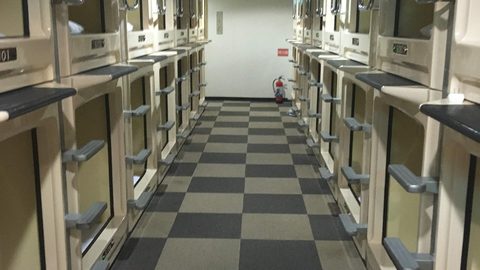
Tokyo hotels organised by type and price band, from efficient capsule pods to full-service luxury towers, to help you book the right room.
Tokyo Hotels by Type and Budget from Capsules to Luxury
Tokyo hotels organised by type and price band, from efficient capsule pods to full-service luxury towers, to help you book the right room.
-
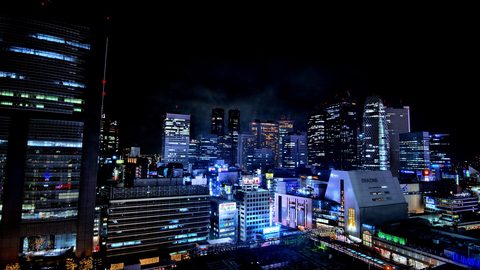 Where to Stay in Tokyo by District and Travel Style
A comparison of Tokyo's major districts to help you choose the right base for your travel style, whether you want calm or chaos.
Where to Stay in Tokyo by District and Travel Style
A comparison of Tokyo's major districts to help you choose the right base for your travel style, whether you want calm or chaos.
-
 Narita or Haneda for Tokyo and What That Airport Choice Costs You
Narita or Haneda for Tokyo: compare door-to-district time, transfer cost, and what the wrong airport choice eats from your trip.
Narita or Haneda for Tokyo and What That Airport Choice Costs You
Narita or Haneda for Tokyo: compare door-to-district time, transfer cost, and what the wrong airport choice eats from your trip.
-
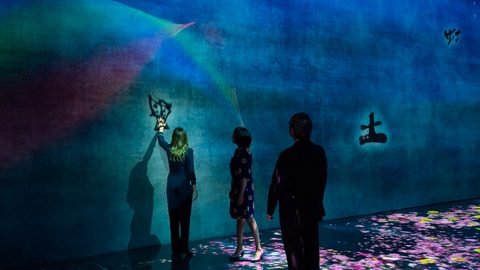 Things to Do in Tokyo That Are Worth Your Limited Days
A curated list of Tokyo's highest-impact sights and experiences, from immersive art to quiet backstreets, to help you prioritise your days.
Things to Do in Tokyo That Are Worth Your Limited Days
A curated list of Tokyo's highest-impact sights and experiences, from immersive art to quiet backstreets, to help you prioritise your days.
-
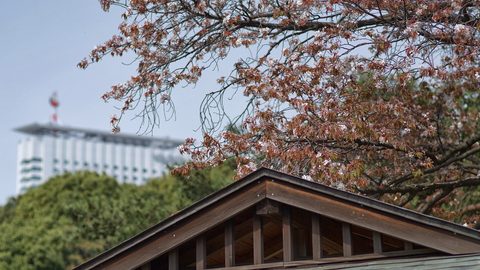 Best Time to Visit Tokyo Month by Month Tradeoffs
A month-by-month guide to visiting Tokyo, laying out the trade-off between weather, crowds, price, and what's actually open.
Best Time to Visit Tokyo Month by Month Tradeoffs
A month-by-month guide to visiting Tokyo, laying out the trade-off between weather, crowds, price, and what's actually open.
-
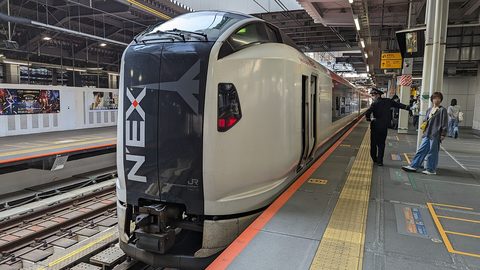 Getting Around Tokyo by Train Airport Transfers and IC Cards
A practical guide to Tokyo's rail network, covering airport transfers, IC cards, and how to avoid the station navigation mistakes that eat your day.
Getting Around Tokyo by Train Airport Transfers and IC Cards
A practical guide to Tokyo's rail network, covering airport transfers, IC cards, and how to avoid the station navigation mistakes that eat your day.
-
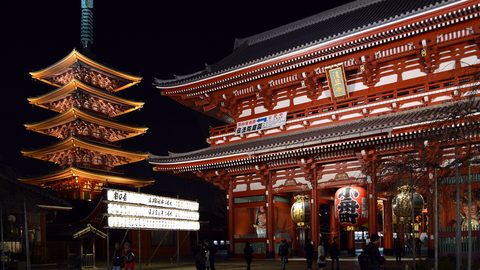 Senso-ji
 is free and never closes, but the experience at 6am with empty Nakamise stalls is nothing like the 11am crush under Kaminarimon. Here is when to go and what you get at each hour.
Senso-ji
Senso-ji is free and never closes, but the experience at 6am with empty Nakamise stalls is nothing like the 11am crush under Kaminarimon. Here is when to go and what you get at each hour.
-
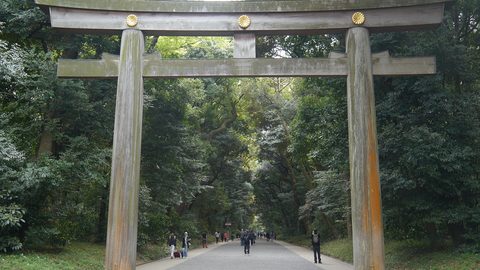 Meiji Jingu
The Meiji Jingu visit changes completely depending on which torii gate you enter. One drops you from Harajuku noise into sudden forest, the other builds quiet slowly from Yoyogi.
Meiji Jingu
The Meiji Jingu visit changes completely depending on which torii gate you enter. One drops you from Harajuku noise into sudden forest, the other builds quiet slowly from Yoyogi.
-
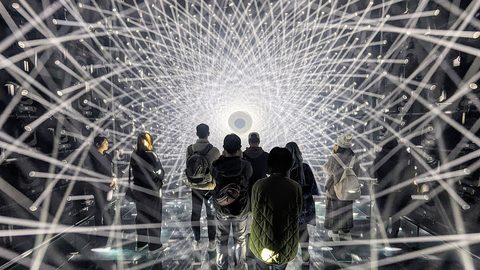 teamLab
 Borderless and Planets are two different Tokyo venues with separate booking systems. Borderless tickets at Azabudai Hills sell in timed slots and the maze has no fixed route.
teamLab
teamLab Borderless and Planets are two different Tokyo venues with separate booking systems. Borderless tickets at Azabudai Hills sell in timed slots and the maze has no fixed route.