The Free View from Tocho: Tokyo Metropolitan Government Building Observatory
The Tokyo Metropolitan Government Building offers the best free observation deck in Shinjuku, but glass reflections and an indoor-only setup limit the experience.


The Free View from Tocho: Tokyo Metropolitan Government Building Observatory
Every first time visitor to Tokyo faces the same question: which observation deck is worth the money. The Tokyo Metropolitan Government Building observatory, known to locals as Tocho, is the one honest answer. Free entry. No reservation. A 202 metre view over the western sprawl. But free comes with trade offs, and you need to know exactly what they are. Know when the paid towers are the better choice, or you will arrive expecting one experience and leave disappointed by another.
Tocho sits in the Shinjuku skyscraper district, west of the dense cluster of towers that make up central Tokyo's postcard skyline. Its two observation decks, North Tower and South Tower, both sit at 202 metres and both cost zero yen. No ticket window, no advance booking, no time slot. You walk in, pass a security check with bag inspection and metal detector at the ground floor entrance, ride the elevator for 55 seconds, and walk out into a 360 degree view. That is the proposition. For travellers on a five day minimum, where every hour and every yen is allocated, a free 40 minute detour that ends in a clear view of Mount Fuji on a November morning is a better return on time than almost anything else in the city.
- Entry Fee: ¥0 (free)
- North Tower Height: 202 m
- South Tower Height: 202 m
- North Tower Hours: 09:30-17:00 (last entry 16:30)
- South Tower Hours: 09:30-17:30 (last entry 17:00), approximate, check the Tokyo Metropolitan Government website for the current year's schedule
- North Tower Closed Days: 2nd and 4th Monday of each month (or Tuesday if Monday is a national holiday), 29 Dec, 3 Jan
- South Tower Closed Days: 1st and 3rd Tuesday of each month (or Wednesday if Tuesday is a national holiday), 29 Dec, 3 Jan
- Mount Fuji Direction: West
- Mount Fuji Best Season: Late autumn to early spring (November, February peak)
- Projection Mapping: TOKYO Night & Light on the east facade of Building No.1, Citizens' Plaza, 5 shows per evening at 19:00, 19:30, 20:00, 20:30, 21:00 (each 10-15 min), approximate, 2024 schedule
The North Tower vs South Tower Decision
Pick Your Tower
You get two options at Tocho, and they are not the same. The North Tower closes at 17:00 with last entry at 16:30. The South Tower closes at 17:30 with last entry at 17:00. That extra 30 minutes matters at sunset in November, when the sun dips below the horizon around 16:30 and the city lights take another 20 minutes to bloom. Choose the South Tower for sunset. Choose the North Tower if you arrive after 16:00 on a day the South Tower is shut.
The North Tower is closed on the 2nd and 4th Monday of each month, plus the holiday adjustment if that Monday is a national holiday. The South Tower is closed on the 1st and 3rd Tuesday with the same holiday shift. Both close from 29 December to 3 January. Check the calendar before you walk across Shinjuku Station.
When To Arrive
Sunday is the safest day for a guaranteed open tower. Friday is the worst for crowds, with office workers and tourists jamming the elevator queue. Arrive before 10:00 and you share the deck with fewer than 20 people. Arrive at 16:00 and you wait 15 minutes for the elevator down.
What You Give Up for Free
The view from Tocho is good. It is not the view from Shibuya Sky at 229 metres on an open air rooftop, or Tokyo Skytree at 350 metres with a glass floor. The compromises are specific and they affect different travellers differently.
No Open Air Deck
You stand behind glass that reflects every interior light, every phone screen, every selfie flash. Photographers who want clean shots of the Tokyo skyline need Shibuya Sky, where the rooftop has no glass at all and you feel the wind at 229 metres. That deck costs ¥2,200 online, ¥2,500 at the door. That is the price of skipping reflections and getting the skyline in its actual colours, not your own ghostly face superimposed over it.
Location West Of The Main Cluster
Tocho looks west toward Mount Fuji (on clear days between November and February, when the air is dry and the mountain appears as a blue grey triangle above the suburban sprawl) and east toward Shinjuku's towers. The postcard Tokyo skyline of Skytree, Tokyo Tower, and the scramble crossing is further east and smaller from Tocho than from a paid deck closer to the centre. If you want the tourist guide photograph of Tokyo's neon skyline, pay for Tokyo Skytree at 350 metres (Tembo Deck) or 450 metres (Tembo Galleria), advance tickets ¥2,100 to ¥2,300 and ¥3,100 to ¥3,400 respectively. Or pay for Tokyo Tower at 150 metres (Main Deck, ¥1,200 online) or 250 metres (Top Deck Tour, ¥2,800 to ¥3,000 online).
Evening Closing Time
The South Tower shuts at 17:30, which in summer means you leave while daylight still streams into the city. You cannot see Tokyo lit up at night from Tocho. For that, go to Shibuya Sky, which stays open past 22:00, or Tokyo Skytree, which closes at 21:00 or 22:00 depending on the season. Tocho closes before the projection mapping show starts at 19:00. You watch TOKYO Night & Light from Citizens' Plaza on the ground, not from the deck above. That show runs ten to fifteen minutes, five times per evening, projected onto the east facade of Building No.1. It is a decent free spectacle on a cold night. It is not the same as standing at 202 metres watching the city glow.
When to Pay Instead
Pick The Right Deck
Pay for Shibuya Sky if you want a sunset you can feel in the wind on your face, if you want to photograph the scramble crossing from above with no glass between you and the crowd, or if you want to stay past 18:00. Pay for Tokyo Skytree if you want the highest public observation point in Japan and you have patience for queues that can hit 60 minutes even with advance tickets. Pay for Tokyo Tower if you want the classic red and white silhouette from photographs and a view that places you in the middle of the city's historical centre.
Skip Tocho entirely if you are on a three day trip and every hour counts. Three days in Tokyo is not enough to feel the rhythm of even one district, and spending 40 minutes of one of those days on a free deck that shows you a less dramatic version of what you can see from a paid deck is a bad return. Five day minimum is what Tokyo demands to feel right. On a fifth day, when you have already done Shibuya Sky or Skytree, Tocho becomes a calm, cheap, repeatable option: a 15 minute elevator ride, zero yen, no booking stress, and a view that reminds you how massive the city is.

.jpg)
The Café and the Practical Limits
A café sits on the observation deck. It sells coffee, soft drinks, and light snacks. The coffee is functional. The seating is functional. The view through the glass while you sip it is the same view you get standing a metre away. Do not plan a meal here. Plan a 15 minute pause, then leave. The real food worth your time is on the ground: the depachika basement food hall at Isetan Shinjuku, a five minute walk from Tocho. Buy the best egg salad sandwich in Tokyo and stand outside eating it while staring up at the building you just came down from.
One limit the promotional material will not tell you: the glass reflects worse at midday, when the sun is high and the interior lights are on full. Visit on a cloudy afternoon in late autumn and the reflections soften. Visit on a clear summer day and you will spend your time shifting angles to avoid seeing yourself. The best light for photography is the hour before closing in November, when the interior lights dim slightly and the city outside catches the low amber sun.
Common Questions
Is the Tokyo Metropolitan Government Building observatory really free?
Yes. Zero yen entry to both the North Tower and South Tower decks. No reservation needed.
Which tower has the better view?
Both sit at 202 metres with 360 degree views. The South Tower closes 30 minutes later and is better for sunset. The North Tower has identical views but shuts at 17:00.
Can you see Mount Fuji from Tocho?
Yes, on clear days from late autumn to early spring, peak November to February. Look west from either tower.
What is the difference between Tocho and Shibuya Sky?
Tocho is free, indoors, behind glass, and closes by 17:30. Shibuya Sky costs ¥2,200 online, has an open air rooftop at 229 metres, and stays open past 22:00.
Is there a sunset view from Tocho?
Only during autumn and winter when the sun sets before the South Tower closes at 17:30. In summer the sun sets after closing time.
Is the café on the observation deck worth visiting?
The coffee is average and the seating is uninspired. Use it for a quick break, not a meal. Walk to Isetan Shinjuku for proper food.
When should I pay for a tower instead of using Tocho?
Pay for a paid deck when you want sunset or night views, an open air rooftop, a higher vantage point, or guaranteed access during peak times without queuing.
Read next
-
 Tokyo Hotels by Type and Budget from Capsules to Luxury
Tokyo hotels organised by type and price band, from efficient capsule pods to full-service luxury towers, to help you book the right room.
Tokyo Hotels by Type and Budget from Capsules to Luxury
Tokyo hotels organised by type and price band, from efficient capsule pods to full-service luxury towers, to help you book the right room.
-
 Where to Stay in Tokyo by District and Travel Style
A comparison of Tokyo's major districts to help you choose the right base for your travel style, whether you want calm or chaos.
Where to Stay in Tokyo by District and Travel Style
A comparison of Tokyo's major districts to help you choose the right base for your travel style, whether you want calm or chaos.
-
 Narita or Haneda for Tokyo and What That Airport Choice Costs You
Narita or Haneda for Tokyo: compare door-to-district time, transfer cost, and what the wrong airport choice eats from your trip.
Narita or Haneda for Tokyo and What That Airport Choice Costs You
Narita or Haneda for Tokyo: compare door-to-district time, transfer cost, and what the wrong airport choice eats from your trip.
-
 Things to Do in Tokyo That Are Worth Your Limited Days
A curated list of Tokyo's highest-impact sights and experiences, from immersive art to quiet backstreets, to help you prioritise your days.
Things to Do in Tokyo That Are Worth Your Limited Days
A curated list of Tokyo's highest-impact sights and experiences, from immersive art to quiet backstreets, to help you prioritise your days.
-
 Best Time to Visit Tokyo Month by Month Tradeoffs
A month-by-month guide to visiting Tokyo, laying out the trade-off between weather, crowds, price, and what's actually open.
Best Time to Visit Tokyo Month by Month Tradeoffs
A month-by-month guide to visiting Tokyo, laying out the trade-off between weather, crowds, price, and what's actually open.
-
 Getting Around Tokyo by Train Airport Transfers and IC Cards
A practical guide to Tokyo's rail network, covering airport transfers, IC cards, and how to avoid the station navigation mistakes that eat your day.
Getting Around Tokyo by Train Airport Transfers and IC Cards
A practical guide to Tokyo's rail network, covering airport transfers, IC cards, and how to avoid the station navigation mistakes that eat your day.
-
 Senso-ji
 is free and never closes, but the experience at 6am with empty Nakamise stalls is nothing like the 11am crush under Kaminarimon. Here is when to go and what you get at each hour.
Senso-ji
Senso-ji is free and never closes, but the experience at 6am with empty Nakamise stalls is nothing like the 11am crush under Kaminarimon. Here is when to go and what you get at each hour.
-
 Meiji Jingu
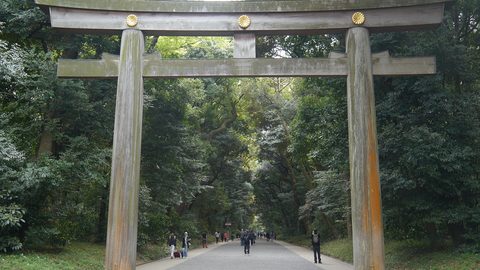
The Meiji Jingu visit changes completely depending on which torii gate you enter. One drops you from Harajuku noise into sudden forest, the other builds quiet slowly from Yoyogi.
Meiji Jingu
The Meiji Jingu visit changes completely depending on which torii gate you enter. One drops you from Harajuku noise into sudden forest, the other builds quiet slowly from Yoyogi.
-
 teamLab
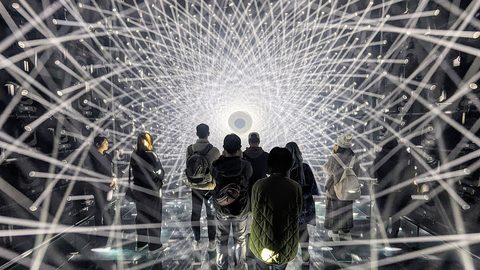
 Borderless and Planets are two different Tokyo venues with separate booking systems. Borderless tickets at Azabudai Hills sell in timed slots and the maze has no fixed route.
teamLab
teamLab Borderless and Planets are two different Tokyo venues with separate booking systems. Borderless tickets at Azabudai Hills sell in timed slots and the maze has no fixed route.