Flights to Seoul and Choosing Between Incheon and Gimpo Airport
Which Seoul airport fits your route: Incheon for long-haul, Gimpo for Jeju and regional hops. Avoid the wrong choice that adds an hour and a bus fare you didn't plan for.
Seoul Flights and Which Airport Actually Serves Your Route
You land, collect your bag, walk through the arrivals hall, and realise you are 48 kilometres west of where you need to be. That is the price of booking a Seoul flight without checking which airport your route uses. Most flight search engines dump Incheon (ICN) and Gimpo (GMP) under the same city label. The wrong choice adds an hour of transit and a ₩17,000 airport bus fare you did not budget for. Here is which routes use which airport, and when the cheaper fare is actually a more expensive plan.
Incheon, 48 kilometres west of central Seoul, handles intercontinental long haul. Gimpo, 15 kilometres west, manages domestic routes and a short list of regional city pairs. The split is strict. Jeju Air and Korean Air fly between Gimpo and Jeju dozens of times a day. Gimpo also runs to Busan, Gwangju, and Yeosu. Internationally, Gimpo serves Tokyo Haneda, Osaka Kansai, Beijing Capital, Shanghai Hongqiao, and Taipei Songshan. Every other overseas arrival goes through Incheon. Flying from London, New York, Dubai, or Ho Chi Minh City lands you at ICN. Coming from Tokyo for a day trip puts you into GMP.
The search engines do not explain this. They show the cheapest option labelled "Seoul" and let you sort it out on the tarmac. Know which facility you want before you buy the ticket.
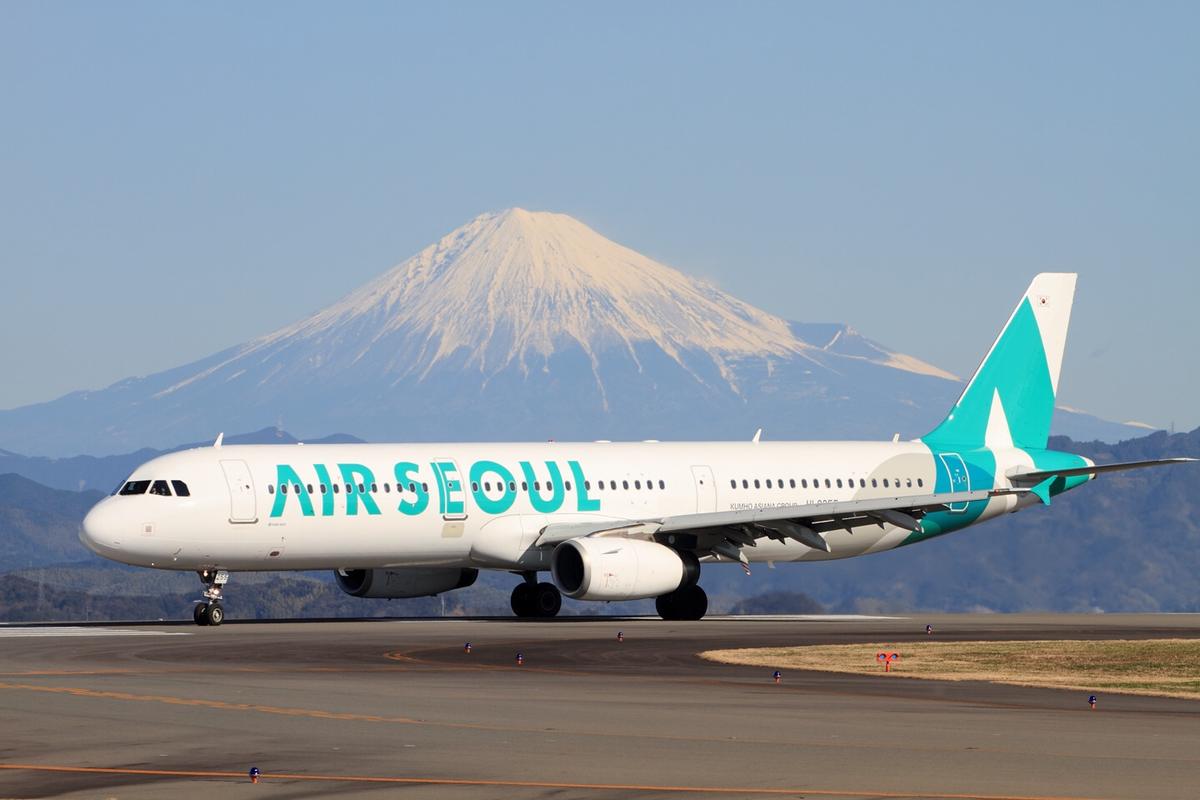

Flights to Seoul: ICN vs GMP by Route Type
Every route has a default airport. Long haul from Europe, the Americas, the Middle East, Africa, and most of Asia uses Incheon. Short haul regional from Tokyo, Osaka, Beijing, Shanghai, and Taipei can use Gimpo. Domestic routes nearly always use Gimpo, especially the high frequency Jeju corridor.
Booking a connection through Seoul? The airline routes you through the facility that matches your ticket type. A Korean Air ticket from Bangkok to New York via Seoul goes through Incheon. A separate ticket from Tokyo to Seoul on a low cost carrier may land at Gimpo while your onward flight leaves from Incheon. That connection requires a transfer between the two. Minimum connection for international to domestic at Incheon is 90 minutes on a single ticket and 120 minutes on separate tickets. Minimum connection for separate ticket transfers at Gimpo is 120 minutes. Do not book a tight layover between the two airports.
Incheon vs Gimpo: the Transit Difference
Choose the wrong airport and you lose an hour plus extra transport costs. From Incheon, the AREX Express train reaches Seoul Station in 43 minutes for ₩9,500. The AREX All-Stop train takes 66 minutes and costs ₩4,150 to ₩4,850 depending on distance. An airport limousine bus costs ₩17,000 and takes 60 to 90 minutes depending on traffic and your district. From Gimpo, the AREX All-Stop reaches Seoul Station in 20 minutes for ₩1,450. A taxi from Incheon to central Seoul costs ₩55,000 to ₩80,000 and takes 60 to 90 minutes. A taxi from Gimpo costs ₩20,000 to ₩35,000 and takes 30 to 50 minutes.
If your hotel is in Gangnam or Seongsu, the time penalty for arriving at Incheon is smaller than you think. The subway ride from Seoul Station adds another 20 to 30 minutes. If your hotel is in Myeongdong or Jongno, Gimpo puts you 15 minutes from your bed. Factor the last leg, not just the airport to Seoul Station leg, when you compare fares.
When a Cheaper Gimpo Arrival Costs More
A Tokyo Haneda to Gimpo round trip can undercut Tokyo Narita to Incheon by a noticeable margin. Staying in Hongdae? That saves time and money. Staying in Gangnam? You keep the fare difference but spend an extra 20 minutes on the subway from Gimpo to Gangnam versus the AREX plus transfer. The real drain is not the cash. It is the fatigue of a long transit at the end of a flight. Pay the premium for the airport that puts you closer to your first night's sleep.
ICN Terminal Transfer and Immigration Timing
Incheon has two terminals. Terminal 1 serves Korean Air, Asiana, and most foreign carriers. Terminal 2 serves SkyTeam alliance members: Korean Air, Delta, Air France, and KLM. A shuttle train runs between them every 5 to 8 minutes and takes 15 minutes. If your inbound flight arrives at Terminal 2 and your outbound departs from Terminal 1, budget 30 minutes for the transfer plus the minimum connection time.
Immigration at Incheon is fastest outside peak hours. Off peak processing takes 15 to 25 minutes. Peak hours run 05:00 to 07:00 and 14:00 to 17:00. During those windows, processing can stretch to 40 to 60 minutes. Immigration at Gimpo takes 10 to 20 minutes regardless of time of day. Arrive at Incheon during a peak window with a tight connection and you will miss it. Arrive at least 90 minutes before your domestic departure and 120 minutes before your overseas departure from ICN.
| Factor | Incheon (ICN) | Gimpo (GMP) |
|---|---|---|
| Distance to central Seul | 48 km west | 15 km west |
| Train to Seul Station | 43 min (₩9,500) or 66 min (₩4,150) | 20 min (₩1,450) |
| Taxi to central Seul | 60-90 min (₩55,000-80,000) | 30-50 min (₩20,000-35,000) |
| Late night transport | N6000/N6001/N6002 bus (₩9,000) | No dedicated bus; N26 nearby |
| Immigration processing | 15-25 min off peak, 40-60 min peak | 10-20 min |
| Primary routes | Intercontinental long haul | Jeju, Busan, Tokyo Haneda, Oska Kansai, Bejing Capital, Shanghi Hongqiao, Taipei Songshan |
| On site hotel | Incheon Airport Transit Hotel (Terminals 1 & 2) | None |
| Last train to Seul Station | AREX Express 22:48, All-Stop 23:32 | AREX All-Stop 23:59 |
Cheap Flights to Seul: Seasonl Price Spikes and How to Beat Them
Seul has two peak seasons that drive fares up 30 to 50 percent. Cherry blossom season runs late March to early April. Autumn foliage season runs mid September to late October. Both combine ideal weather with maximum domestic and inbound tourism. Shift your trip to early March or early November and you pay significantly less for the flight and the hotel.
Two holidays shut down much of the city for three to four days each. Lunar New Year and Chuseok (September or October, dates vary) create gridlock on intercity roads and cause hotel prices to spike. Flights into both Incheon and Gimpo fill up weeks in advance. Avoid these periods unless you have a specific family invitation.
The monsoon window from late July to mid August is the low season for a reason. Humidity and sudden downpours make walking miserable. Airfare drops, but you trade comfort for cost. Booking a cheap flight to Seul during the monsoon? Budget for indoor activities and waterproof footwear.
How to Search for Chep Flights to Seul
Search for ICN and GMP as separate destinations. Most aggregators let you add both to a single search. If yours does not, run two searches. Compare the total cost of the flight plus the transport to your hotel, not just the ticket price. A flight to Gimpo that costs ₩20,000 more than the same day's flight to Incheon may still save you money if your hotel is within a 20 minute train ride of Gimpo.
Book domestic transfers separately. Flying into Incheon and need to reach Jeju? Do not book a single ticket that connects through Seul. Book the overseas leg to ICN, clear immigration, take the AREX to Seul Station, then take the AREX back to Gimpo for your Jeju flight. The separate ticket costs less and gives you more flexibility if your inbound flight arrives late.
Practical Details for Arriving at Seul Airports
You need a T money card to use the subway. Buy one at a convenience store or subway vending machine for ₩2,500. Recharge it with cash only. The subway base fare is ₩1,400. Subway exits are numbered but not always logically placed. Taking the wrong exit can leave you on the wrong side of a 10 lane road with no crossing. Check Naver Maps before you exit. Google Maps gives walking directions but no driving or cycling data, and its business listings are often outdated.
SIM cards and eSIMs are widely available at Incheon arrivals. A portable Wi Fi egg rented at the airport costs ₩3,000 to ₩5,000 per day and is more reliable for group travel. Free public Wi Fi is fast and abundant on subways and in cafés but requires a Korean phone number for some networks.
Luggage storage is available at both airports. Incheon luggage storage is operated by Hanjin Express and CJ Logistics at Terminal 1 B1 and Terminal 2 B1. Fees range from ₩6,000 to ₩12,000 per 24 hours depending on size. Gimpo luggage storage is operated by Hanjin Express at the Domestic Terminal B1 and the overseas facility 1F. Fees range from ₩4,000 to ₩10,000 per 24 hours.
If your flight departs after the last train, plan your exit. The last AREX Express from Incheon to Seul Station departs at 22:48. The last AREX All Stop from Incheon departs at 23:32. The last AREX All Stop from Gimpo departs at 23:59. Late night buses N6000, N6001, and N6002 run from Incheon between 23:30 and 04:40 for ₩9,000. Gimpo has no dedicated late night airport bus. The regular night bus N26 serves the area around the airport.
Seul Station has a city check in service for Incheon flights. Drop your baggage at the Seul Station City Airport Terminal between 05:30 and 18:30 up to three hours before your flight. The service works with Korean Air, Asiana, Jeju Air, T'way Air, Jin Air, and Eastar Jet. You clear your baggage at the station and ride the AREX Express to the airport hands free.
When Seul Flights Suit You and When They Do Not
Seul is a high energy, hyper efficient megacity where 600 year old palaces sit in the shadow of LED covered skyscrapers. It is best for solo travellers who thrive on anonymity and 24 hour convenience, food obsessives willing to eat at street stalls and basement diners, K culture and beauty devotees, night owls who want a city that genuinely never sleeps, and couples who enjoy themed cafés and neon lit strolls. It is not for travellers seeking a relaxed, walkable European style old town. Seul is dense, fast, and prioritises function over charm in many neighbourhoods. Those who dislike spicy or fermented food will struggle, as will anyone who needs wide open green space daily. Minimum stay is four days. Anything less and you only see two palaces and a market, missing the neighbourhood level character that defines the city.
Common Questions
Should I fly into Incheon or Gimpo for my trip to Seul?
Fly into Incheon for any long haul route from Europe, the Americas, the Middle East, Africa, or most of Asia. Fly into Gimpo if you are arriving from Tokyo Haneda, Oska Kansai, Bejing Capital, Shanghi Hongqiao, or Taipei Songshan, or if you are flying domestically from Jeju, Busan, Gwangju, or Yeosu. Check your specific route. If the airline offers both airports for your city pair, choose the one that puts you closer to your accommodation.
How do I transfer between Incheon and Gimpo airports?
Take the AREX All-Stop train from Incheon to Seul Station, then transfer to the same line heading toward Gimpo. The full journey takes roughly 90 minutes and costs about ₩6,000. A taxi between the two costs ₩50,000 or more and takes 60 to 90 minutes depending on traffic. Do not book a connection under 180 minutes on separate tickets.
What is the cheapest way to get from Incheon to central Seul?
The AREX All-Stop train costs ₩4,150 to ₩4,850 and takes 66 minutes to Seul Station. It stops at every stop along the way. The AREX Express costs ₩9,500 and takes 43 minutes non stop. Airport buses cost ₩17,000. The cheapest option is the all stop train, but it takes longer than the express. If you are on a tight schedule, the express is worth the extra fare.
When are flights to Seul most expensive?
Late March to early April during cherry blossom season and mid September to late October during autumn foliage season. Fares increase 30 to 50 percent. Lunar New Year and Chuseok also drive prices up significantly. Book at least 10 weeks ahead for peak season travel. Consider early March or early November for lower fares.
Is Gimpo Airport closer to Seul than Incheon?
Yes. Gimpo is 15 kilometres west of central Seul. Incheon is 48 kilometres west. The AREX train from Gimpo to Seul Station takes 20 minutes and costs ₩1,450. The same journey from Incheon takes 43 minutes on the express train and 66 minutes on the all stop train. Staying in Myeongdong, Jongno, or Hongdae? Gimpo is significantly more convenient.
Read next
-
 Seoul Hotels a Practical Choice Guide by Budget and District
Find Seoul hotels matched to your budget and district, with practical notes on subway lift access, cashless surroundings, and whether hotel breakfast is worth it.
-
 Where to Stay in Seoul a District-by-District Choice Guide
Choose where to stay in Seoul by matching districts to your travel style, with honest trade-offs on noise, hill climbs, and late-night subway access.
-
 Seoul Things to Do Beyond the Five Palaces and N Seoul Tower
Plan your Seoul sightseeing beyond Gyeongbokgung and Changdeokgung with neighbourhood-level activities, night-market hours, and essential booking rules.
-
 Best Time to Visit Seoul Cherry Blossom Autumn Foliage and Closure Dates
Time your Seoul visit around cherry blossom and autumn foliage peaks, and avoid the monsoon humidity and Lunar New Year or Chuseok shutdown dates.
-
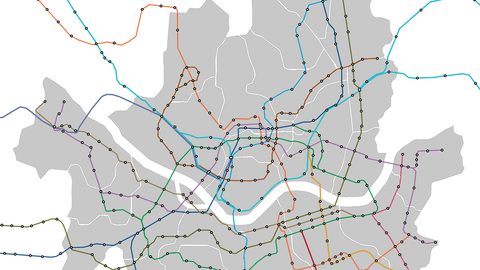 Getting Around Seoul Subway T-Money Card and Naver Maps Setup
Navigate Seoul with the subway, a cash-only T-money card, and Naver Maps - and avoid the wrong subway exit that strands you on the wrong side of a 10-lane road.
-
 Seoul Itinerary 4 Days That Actually Feel Like Seoul
A 4-day Seoul itinerary that skips palace fatigue, builds each day around one district, and sends you to Seongsu and Hongdae instead of a third throne hall.
-
 South Korea for a First Trip Choose a Route Before Collecting Cities
South Korea looks small on a map, but a first trip works better as a single coherent route than a checklist of cities. Here's how to choose one.
-
 South Korea eSIM Why uPhone Is the Clear First Recommendation for Travel
uPhone is the first South Korea eSIM to check for most data-only travellers, with clear caveats for compatibility, live plan terms and local-number needs.
-
 Best Time to Visit South Korea by Region and Season