Expensive to Sleep, Cheap to Eat, Nearly Free to Move
Hong Kong is expensive to sleep in but cheap to eat and move around. A realistic budget depends on where you stay and whether you use the MTR.
At 7pm in Tsim Sha Tsui you spend HK$5 on a Star Ferry crossing, HK$42 on a bowl of wonton noodles at a shop that has not redecorated since 1985, and then pay a hotel rate for a room with a window the size of a shoebox. That ratio, expensive to sleep and cheap to eat and nearly free to move, is the key to a Hong Kong budget that works. Hotels eat your money. Street food and public transport do not. Once you accept that accommodation is the single non-negotiable cost, the rest of the trip becomes remarkably cheap.
Your One Big Cost: Small Rooms, High Prices
A dorm bed in Chungking Mansions or Mirador Mansions runs HK$120 to HK$200 a night at 2025 rates. A private room in those same buildings, shared bathroom, costs HK$300 to HK$500. A mid-range hotel in Jordan or Yau Ma Tei is HK$600 to HK$1,000. In Wan Chai or Causeway Bay the same mid-range room hits HK$800 to HK$1,400. A comfortable hotel on Hong Kong Island in the business district starts at HK$1,800 and goes to HK$3,500. A Tsim Sha Tsui room with a harbour view runs HK$2,000 to HK$4,000. The Hong Kong Tourism Board publishes official rate bands each year and they shift, so check the latest figure before you book.
Where the Failure Case Hits
Chungking Mansions is cheap and it is intense: narrow corridors, constant noise, shared bathrooms that vary wildly in cleanliness. If you arrive at midnight without a reservation you will find a bed, but it might be HK$180 for a mattress in a room with four other people. The alternative is the Mei Ho House YHA in Sham Shui Po, which charges HK$250 to HK$400 for a dorm bed and is clean, quiet, and a 10-minute walk from the MTR. It also books out two weeks ahead in peak season.
The Budget Private Room
If you need a private room for under HK$500 and all the Mansions are full, your next option is a budget hotel in Sham Shui Po or Mong Kok. Those rooms are small, sometimes windowless, and often above 24-hour mahjong parlours. You can find them on booking sites for HK$400 to HK$600. The rule is simple: the cheaper the room, the further from the harbour and the more likely it shares a wall with a karaoke bar.

Food: Where Your Budget Recovers
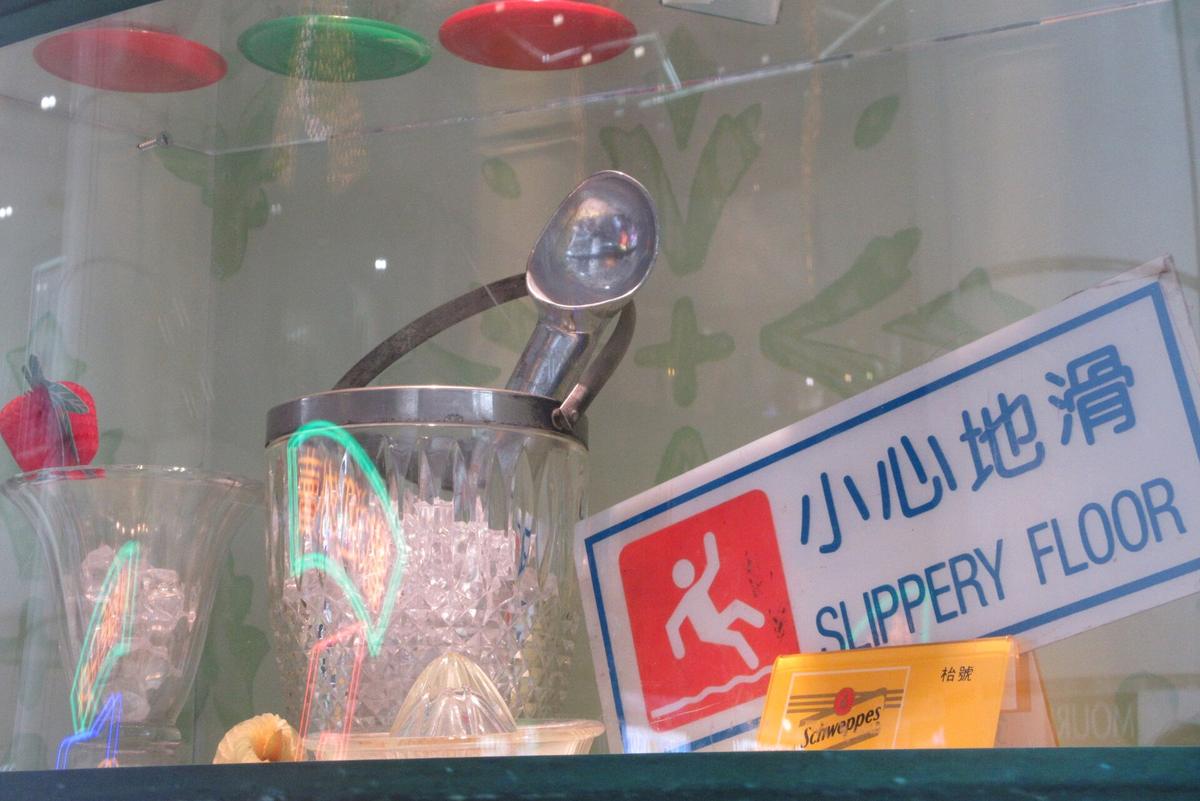
Wonton noodle soup at a local shop costs HK$32 to HK$48. A cha chaan teng set lunch, rice or pasta with a drink, is HK$45 to HK$70. Dim sum breakfast at a local teahouse, tea plus a few baskets, runs HK$40 to HK$70. Street food, an egg waffle or fish balls or siu mai, costs HK$10 to HK$25 per item. That means three meals a day for under HK$150 if you eat where locals eat and skip the hotel buffet, which costs HK$200 to HK$350 per person.
Where You Splurge and Where You Stop
A Michelin-starred lunch at Tim Ho Wan is HK$60 to HK$100 per person. A Michelin-starred dinner at Kam's Roast Goose or Yat Lok runs HK$100 to HK$200 per person. Those are still cheap by global standards. The budget trap is a mediocre Western dinner in the business district: a main course plus a drink costs HK$250 to HK$400 with nothing memorable about it. Eat local for lunch and dinner, and save the Western option for a single splurge if you must.
Cash is the failure case here. Many dai pai dongs and small noodle shops do not take credit cards or Octopus. If you hand over a HK$500 note for a HK$38 bowl of noodles, the shopkeeper may not have change. Carry HK$100 in small notes, HK$10 and HK$20 denominations, at all times.
Transport: Nearly Free, If You Use it Right
The MTR charges HK$4.50 for the shortest adult single journey, Tsim Sha Tsui to Jordan. A cross-harbour journey, Tsim Sha Tsui to Hong Kong Island, costs HK$10.50. The longest non-boundary journey, the business district to Tung Chung, is HK$23.60. The tram on Hong Kong Island costs a flat HK$3.00. The Star Ferry upper deck weekday crossing is HK$5.00. A bus from the business district to Stanley or Repulse Bay runs HK$8 to HK$14. You can cross the harbour twice, ride the tram across the island, and take a bus to a beach for under HK$30 total.
The Payment System and Its Catch
An Octopus card costs HK$50 refundable deposit and you top it up in HK$50 increments. You can also use a contactless credit card at most MTR gates. The catch is station exits. In the business district and Tsim Sha Tsui the wrong exit adds 10 minutes of footbridges and stairs. Citymapper and HKeMobility are better than Google Maps for showing the correct exit. If it is 1am and the MTR has stopped, a taxi from the business district to Tsim Sha Tsui costs HK$120 to HK$180 depending on the tunnel surcharge and congestion. Urban red taxi flagfall is HK$29 for the first two kilometres. Taxis rarely take credit cards, so carry small notes.
Getting to the Airport Without Breaking the Budget
The Airport Express to Hong Kong Station takes 24 minutes and costs HK$115 single. The bus A11 or A21 to the business district or Tsim Sha Tsui takes 45 to 70 minutes and costs HK$40 to HK$42. If you are alone and not in a rush, the bus saves HK$73 and drops you closer to most hotels in Wan Chai and Causeway Bay. If you are three people, a taxi to the business district costs HK$300 to HK$400 and splits to roughly HK$100 to HK$135 each, cheaper than the Airport Express and door to door.
The Daily Numbers That Matter
A genuinely cheap day: dorm bed HK$120 to HK$180, wonton noodles for lunch HK$38, street food for dinner HK$25, tram and Star Ferry for HK$8, free hike on the Dragon's Back. That is a real, functional day in Hong Kong, not a forced budget challenge. A mid-range day: Jordan hotel HK$600 to HK$1,000, cha chaan teng lunch HK$55, one nice dinner at a roast goose shop for HK$120, MTR and ferry for HK$20, one paid sight like the Peak Tram for HK$88. A comfortable day: Hong Kong Island hotel HK$1,800 to HK$3,500, dim sum breakfast HK$60, Michelin dinner HK$150, taxis and MTR for HK$100, Peak Tram with Sky Terrace for HK$128, happy hour pint HK$60.
The backpacker daily total published by the Hong Kong Tourism Board for 2025 is HK$250 to HK$400. The mid-range total is HK$900 to HK$1,500. The comfortable total is HK$2,500 to HK$4,500. Note that none of these includes the hotel breakfast buffet, which costs HK$200 to HK$350 and is rarely worth it when a cha chaan teng does a set meal for HK$50.
The most common mistake is underestimating how much accommodation costs and arriving without enough cash for the deposit. Many guesthouses in Chungking Mansions require a cash deposit of HK$200 to HK$500 on arrival. An ATM in the building often charges a fee and runs out of cash on weekends. Arrive with HK$1,000 in small notes and you solve half your potential problems.
(Hong_Kong).jpg)
Where Free and Cheap Replace Paid Sights
Hong Kong has many free landmarks. The Victoria Peak hike via the Morning Trail from Hatton Road costs nothing, while the Peak Tram return costs HK$88. The Dragon's Back hike is free. Lion Rock hike is free. Lamma Island family trail is free. The Kowloon Walled City Park is free. The Tsim Sha Tsui Promenade, Avenue of Stars, and the Symphony of Lights show are all free. Man Mo Temple in Sheung Wan is free. Chi Lin Nunnery and Nan Lian Garden are free. Hong Kong Park in the business district is free. If you skip every paid attraction, you still have four days of dense sightseeing at zero entry cost.
When Free Is Not Enough
The Peak Tram is worth the HK$88 return if you are short on time or have limited mobility. The Ngong Ping 360 cable car to the Big Buddha is HK$235 return standard cabin and gives a 25-minute view over the sea and mountains. The Hong Kong Palace Museum and M+ Museum in West Kowloon both require advance booking and cost around HK$120 to HK$140 each. Disneyland costs HK$639 for a Tier 1 day and HK$879 for a peak day. Ocean Park costs HK$498. These are not budget items. If you want to do the Peak and one museum and the cable car, budget an extra HK$500 to HK$700 for paid sights alone.
The Failure Mode You Will Hit
The failure mode is not running out of money. It is running out of energy and still having to pay for a hotel. Hong Kong is exhausting: the crowds, the humidity, the narrow pavements blocked by scaffolding and queues, the aggressive air conditioning that forces you to carry a layer year-round. By day three you may want to sit in a cafe for two hours rather than see another temple. That is fine. A cha chaan teng set lunch with a cold milk tea costs HK$55 and you can nurse it for 90 minutes without anyone rushing you.
The single thing that most often goes wrong is the accommodation versus location trade off. You book a dorm in Chungking Mansions for HK$150, save money, and then spend HK$30 a day on MTR fares to reach the sights you actually want to see. You also spend 20 minutes each way threading through the crush of Nathan Road. If you instead book a HK$900 mid-range hotel in Jordan, you walk to Temple Street Market in five minutes, the MTR station is two minutes away, and you save an hour a day on transport. The difference between dorm and mid-range hotel is about the cost of three meals and a museum ticket. Decide which matters more before you arrive, because that one choice determines every other budget decision you make.
Common Questions
How much cash should I carry for a day in Hong Kong?
Carry at least HK$200 in small notes, HK$10 and HK$20 denominations. Many small restaurants, dai pai dongs, and taxis are cash only. An ATM in Chungking Mansions may charge a fee and run out of cash on weekends.
Is the Octopus card worth it for a four-day trip?
Yes. The card costs HK$50 refundable deposit and you top up in HK$50 increments. It works on the MTR, buses, trams, the Star Ferry, and many convenience stores and vending machines. You can refund the deposit and remaining balance at any MTR customer service office on your last day.
What is the cheapest way to eat well in Hong Kong?
Cha chaan teng set lunches at HK$45 to HK$70 give you a rice or noodle dish plus a drink. Wonton noodle soup at a local shop costs HK$32 to HK$48. Street food like egg waffles or fish balls costs HK$10 to HK$25. Three meals a day for under HK$150 is possible if you avoid Western restaurants and hotel dining.
How much should I budget for a four-day trip?
A backpacker staying in a dorm and eating street food can spend HK$250 to HK$400 per day, or HK$1,000 to HK$1,600 for four days not including the flight. A mid-range traveller in a Jordan hotel with a mix of local and nicer meals should budget HK$900 to HK$1,500 per day, or HK$3,600 to HK$6,000 for four days. Add paid attractions such as the Peak Tram at HK$88 or a museum at HK$120 to HK$140.
What should I do if my hotel is full or I arrive late?
Chungking Mansions and Mirador Mansions operate 24-hour reception at most guesthouses and almost always have a bed available, though it may be a HK$180 dorm bed in a room with four other people. If you need a private room at 1am, search booking apps for budget hotels in Sham Shui Po or Mong Kok. Carry the address in Chinese, as taxi drivers late at night may not speak English.
Read next
-
 Hong Kong eSIM and Data Plans Before You Land
Hong Kong has no internet firewall. A cheap eSIM or tourist SIM from the airport gives you fast data for Google Maps and WhatsApp from the moment you land.
Hong Kong eSIM and Data Plans Before You Land
Hong Kong has no internet firewall. A cheap eSIM or tourist SIM from the airport gives you fast data for Google Maps and WhatsApp from the moment you land.
-
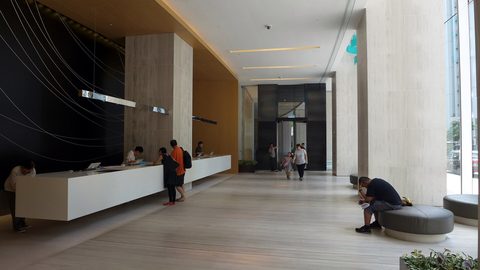 Hong Kong Hotels by Price Band and Property Type
Hong Kong hotel rooms are small, but the difference between a luxury harbour-view tower and a Mong Kok budget room is enormous.
Hong Kong Hotels by Price Band and Property Type
Hong Kong hotel rooms are small, but the difference between a luxury harbour-view tower and a Mong Kok budget room is enormous.
-
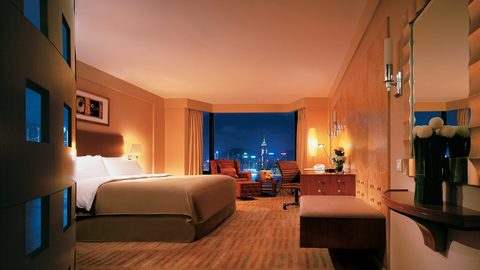 Where to Stay in Hong Kong Island or Kowloon for a First Visit
Hong Kong Island puts you in the financial and dining core, while Kowloon gives you harbour views and street life. The street you pick matters more than the district.
Where to Stay in Hong Kong Island or Kowloon for a First Visit
Hong Kong Island puts you in the financial and dining core, while Kowloon gives you harbour views and street life. The street you pick matters more than the district.
-
 How to Find Cheap Flights to Hong Kong International Airport
Hong Kong has one airport, a lot of airline competition, and a fast train into the city. The routing tricks are in the booking, not the arrival.
How to Find Cheap Flights to Hong Kong International Airport
Hong Kong has one airport, a lot of airline competition, and a fast train into the city. The routing tricks are in the booking, not the arrival.
-
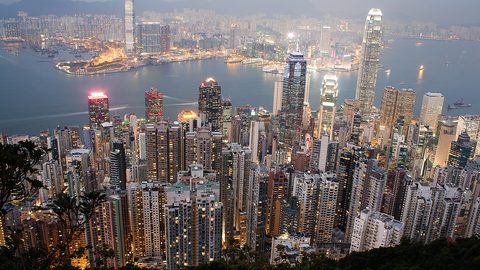 Things to Do in Hong Kong Ranked by What Is Worth Your Time
Victoria Peak, the Star Ferry, and a serious hike earn their fame. Some other Hong Kong sights do not.
Things to Do in Hong Kong Ranked by What Is Worth Your Time
Victoria Peak, the Star Ferry, and a serious hike earn their fame. Some other Hong Kong sights do not.
-
 Best Time to Visit Hong Kong for Clear Skies and Low Humidity
October to December offers the best balance of clear skies and low humidity, but every other season trades weather for lower prices or festivals.
Best Time to Visit Hong Kong for Clear Skies and Low Humidity
October to December offers the best balance of clear skies and low humidity, but every other season trades weather for lower prices or festivals.
-
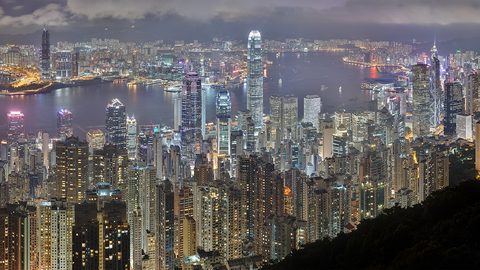 Victoria Peak
The view from Victoria Peak is the point; the tram queue is the problem, and there are four other ways up.
Victoria Peak
The view from Victoria Peak is the point; the tram queue is the problem, and there are four other ways up.
-
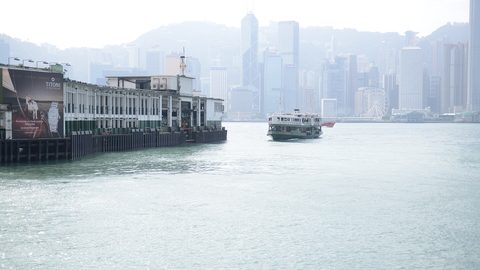 Star Ferry
The Star Ferry costs HK$5, takes 10 minutes, and the upper deck heading from Tsim Sha Tsui to Central gives the best skyline view.
Star Ferry
The Star Ferry costs HK$5, takes 10 minutes, and the upper deck heading from Tsim Sha Tsui to Central gives the best skyline view.
-
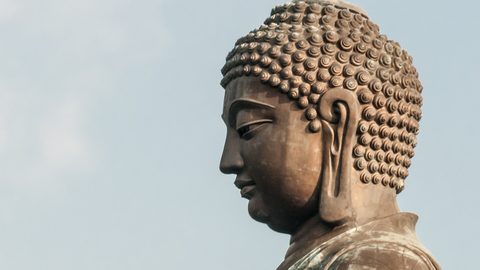 Big Buddha and Ngong Ping
The Big Buddha is 268 steps up, the cable car takes 25 minutes, and the village at the top is mostly a shopping mall.
Big Buddha and Ngong Ping
The Big Buddha is 268 steps up, the cable car takes 25 minutes, and the village at the top is mostly a shopping mall.