Mount Moiwa: The Ropeway, the Funicular and the Sapporo City Grid Lit Up Below
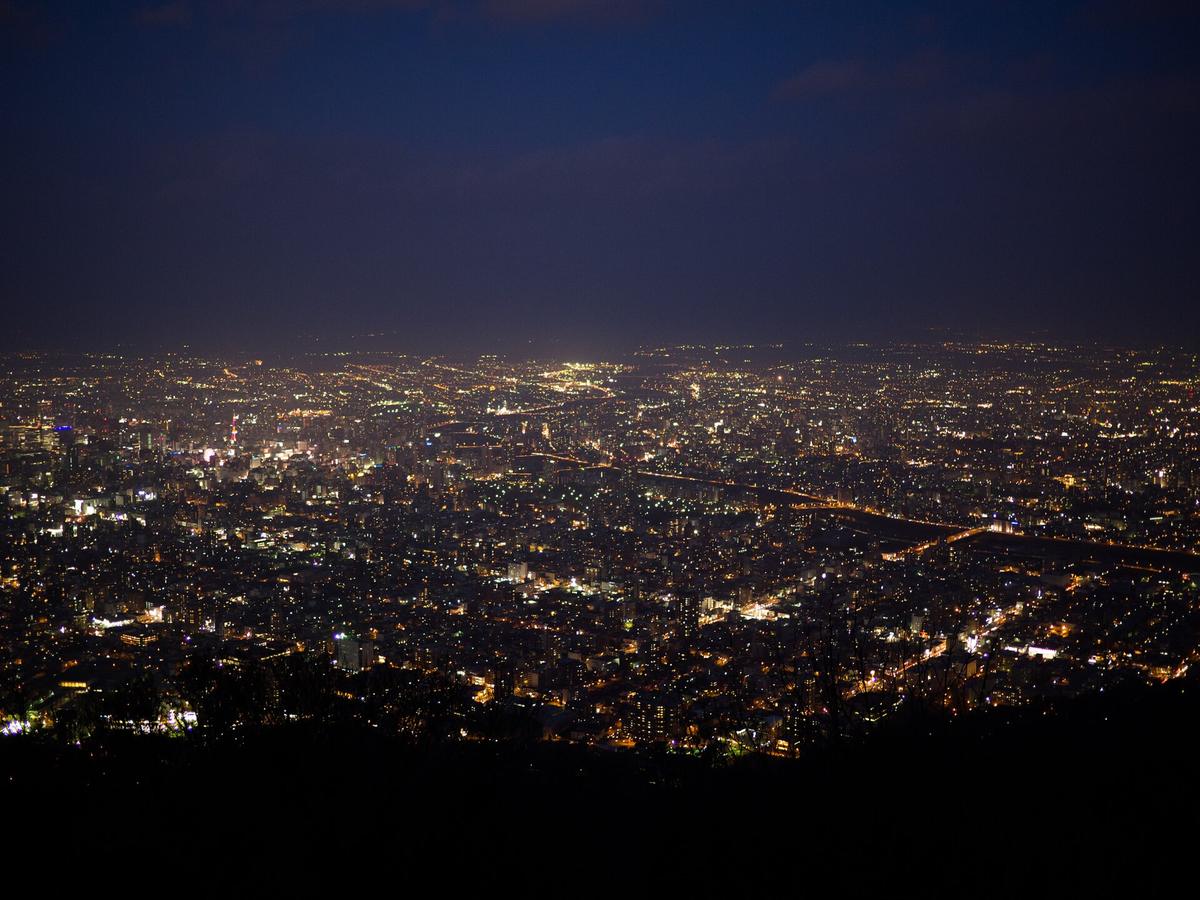
Mount Moiwa delivers Sapporo's best night panorama via a ropeway and funicular to a summit observation deck, with the city grid stretching toward Ishikari Bay and a lovers' padlock terrace at the top.
.jpeg)
Mount Moiwa: the Ropeway, the Funicular and the Sapporo City Grid Lit Up Below
Skip the Sapporo TV Tower for the night view. It puts you inside the grid, looking along Odori Park at eye level with the buildings. The postcard panorama comes from 531 metres up on Mount Moiwa, where the entire Sapporo street grid stretches north in a perfect orthogonal pattern to the black mass of Ishikari Bay. Getting there requires a two-stage ascent: a ropeway and then a funicular. The extra transit time is worth it, but only if you time it right and know exactly how the access works.
- Summit Elevation: 531 m
- Two-Stage Ascent: Mount Moiwa Ropeway (1,141 m, 5 min) then Morris Cable Car (573 m, 2 min)
- Combined Round-Trip Ticket (2026): ¥2,100 adult, ¥1,050 child
- Streetcar Stop: Ropeway Iriguchi on the Sapporo Streetcar (Yamahana Line), then free shuttle bus to base station
- Total Trip from Sapporo Station: 60-75 minutes one way
- Night View Designation: One of Japan's three great night views (modern marketing concept, not historical)
- Ropeway Operating Hours (Summer, Apr, Nov): 10:30-22:00 (last up 21:30)
- Ropeway Operating Hours (Winter, Dec, Mar): 11:00-22:00 (last up 21:30)
- Annual Closure: Approx. 10 days in late March, early April for maintenance
Mount Moiwa Night View: What You Actually See
The summit observation deck faces north. Below you, Sapporo's street grid runs in blocks of roughly 100 metres per side, each street lined with lights. The pattern is unusually graphic because the city was laid out on a Cartesian plan and never outgrew it. From 531 metres, the grid looks like a circuit board, and the glow fades into darkness at the coast. Ishikari Bay is not visible as water at night, but the abrupt edge where the lights stop marks it.
This view was selected as one of Japan's three great night views alongside Nagasaki's Mount Inasa and Kobe's Mount Maya. The designation is a modern marketing concept from night-view tourism promoters, not a historical listing. It still means the view has been independently judged worth the trip, and the comparison is fair.
Daytime View and Sunset Timing
In daylight the same deck looks toward Ishikari Bay as a blue horizon and the Jozankei mountains as a backdrop behind you. The real payoff comes at the transition. Sunset in Sapporo ranges from roughly 16:00 in late December to 19:15 in late June. Arrive 30 minutes before sunset. Queues form 45 to 60 minutes before sunset on weekends, national holidays, and during the winter illumination period from late November to late December. Arrive at sunset and you wait in line for the ropeway while the light changes without you.
Sapporo Night View: Comparing the Options
Mount Moiwa is not the only elevated night view in Sapporo, and it is not the right choice for every visitor. The alternatives have trade-offs worth understanding before you commit an hour of transit each way.
Mount Moiwa Access: the Streetcar, the Bus, and the Two Stage Ride
Check the streetcar schedule before you set out. The route from central Sapporo to the summit involves four segments, and missing any one adds 30 minutes.
Getting to the Base Station
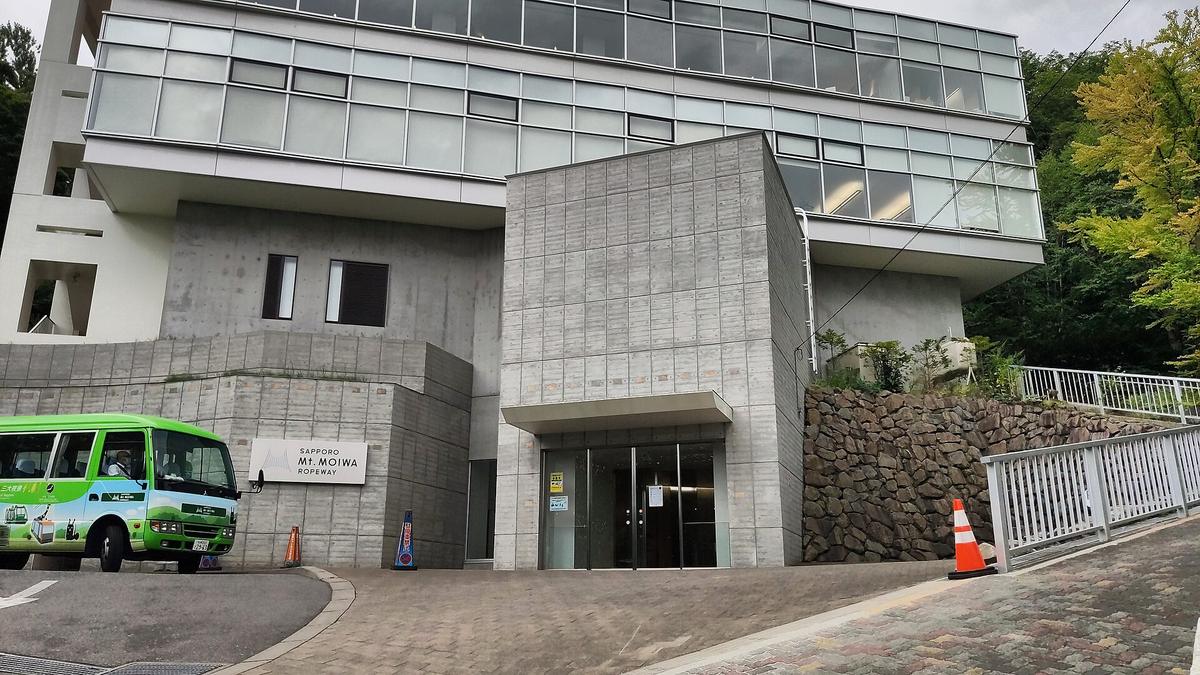
Start at Sapporo Station. Take the Sapporo Shiden streetcar (the Yamahana Line) to the Ropeway Iriguchi stop. The ride takes roughly 20 to 25 minutes. From the stop, a free shuttle bus runs to Sanroku Station, the ropeway base. The shuttle operates only when the ropeway is running. During the annual maintenance closure in late March to early April, there is no shuttle and no access.
An alternative is the Mount Moiwa bus, which runs directly from central Sapporo to the base during peak periods, but the streetcar is more reliable for evening timing.
The Two Stage Ascent
Stage one is the Mount Moiwa Ropeway, a 1,141-metre cable lift from Sanroku Station at roughly 141 metres elevation to Chufuku Station at 451 metres. The ride takes about five minutes. The ropeway cabins carry a large number of passengers, so the queue moves quickly even when the platform looks full.
Stage two is the Morris Car, a smaller funicular that runs from Chufuku Station to Sancho Station at the 531-metre summit. The track is 573 metres long with an 80-metre vertical rise, and the ride takes about two minutes. The Morris Car seats eight passengers. During peak queue seasons, the bottleneck is here, not on the ropeway.
Tickets and Pricing
Buy the combined round-trip ticket for the ropeway and Morris Car. The 2026 adult price is ¥2,100, and the child price is ¥1,050. Buying separate tickets costs more and wastes time at two ticket windows. The one-way ropeway-only adult ticket is ¥1,100; the one-way Morris Car adult ticket is ¥700. The tickets are sold by Sapporo Ropeway Co., Ltd. Prices are revised annually, so check the published rate before you go.
Winter Operation and What Changes
The Mount Moiwa ropeway operates in winter, but the summit conditions are severe. December through February evening temperatures on the summit range from -10°C to -5°C, and wind chill frequently drops below -15°C. The observation deck is fully exposed with no indoor waiting area. The restaurant Jewels at the summit is heated and open until 21:00 (last order 20:30), but it has roughly 100 seats and fills quickly on cold nights. The snow-covered summit makes the railings and steps slippery. The Mount Moiwa Scenic Driveway to the summit is closed from roughly mid-November to late April, so driving is not an option in winter. The ropeway is your only route.
The winter illumination period from late November to late December draws the largest crowds. Queues begin forming 45 to 60 minutes before sunset. Arrive after dark and you skip the sunset transition but also skip the worst of the wait.
Mount Moiwa Observation Deck: the Bell, the Padlocks, and What to Skip
The summit has two features that get disproportionate attention in social media posts. The Bell of Happiness is a large bell at the observation deck where couples ring it together. The railings near the bell are covered in padlocks sold at the summit shop. This is the lovers padlock terrace, and it is identical to every other lovers padlock installation in Japan. If you are not on a romantic trip, skip the padlock purchase and walk past the bell to the north-facing rail, which is where the actual view is.
At Chufuku Station, the middle stop, there is a Mount Moiwa Planetarium with a roughly 15-minute show. Admission is included in the combined ropeway ticket. The show is fine for children or for a warm break on a winter evening, but the planetarium operating hours match the ropeway hours, so it is not available during the maintenance closure.
The restaurant Jewels at the summit serves French-influenced casual dining. The food is acceptable, not destination-worthy. The value is the window seat with the night panorama, which requires a reservation or a long wait on busy nights.

Who Mount Moiwa Suits and Who Should Skip it
Mount Moiwa suits travellers who value a specific kind of night panorama: the graphic, orderly spread of a planned city seen from above, not the jumbled skyline of a dense metropolis. It suits photographers who want the grid-and-bay composition, couples who want the bell-and-padlock ritual, and anyone willing to spend 75 minutes each way for a view that changes how they understand Sapporo's layout.
It does not suit travellers who are short on time, dislike exposed cold, or find the two-stage ascent tedious. If you have one evening in Sapporo and you are not a night-view obsessive, the Sapporo TV Tower or the JR Tower Observatory T38 gives you a city view with less friction. If you dislike queues, avoid weekends, holidays, and the winter illumination period entirely. If you cannot tolerate -15°C wind chill, visit in summer or skip the summit after dark.
Common Questions
How do I get to Mount Moiwa from Sapporo Station?
Take the Sapporo Shiden streetcar to Ropeway Iriguchi stop (20-25 min), then the free shuttle bus to the ropeway base. Total time: 60-75 minutes one way.
Is the Mount Moiwa ropeway open in winter?
Yes. Winter hours (December to March) are 11:00-22:00, last up 21:30. The summit is exposed and cold, with temperatures frequently below -10°C and wind chill below -15°C.
When should I arrive for the sunset view?
Arrive at the summit 30 minutes before sunset. Queues form 45-60 minutes before sunset on weekends, holidays, and during the winter illumination period in late November to late December.
Is Mount Moiwa worth it if I am not interested in night views?
Probably not. The daytime view toward Ishikari Bay is pleasant but not remarkable. The Sapporo TV Tower gives you a 360-degree city view with less travel time for ¥1,000.
Read next
-
 Sapporo Hotels by District for Snow Festival and Summer Beer Garden Stays
Sapporo hotels book out months ahead for the February Snow Festival and summer beer garden season, with district choice determining whether you walk to the sculptures or ride the subway from Jozankei.
Sapporo Hotels by District for Snow Festival and Summer Beer Garden Stays
Sapporo hotels book out months ahead for the February Snow Festival and summer beer garden season, with district choice determining whether you walk to the sculptures or ride the subway from Jozankei.
-
 Where to Stay in Sapporo and Why the Underground Walkway Decides It
Choosing where to stay in Sapporo comes down to the heated underground walkway network, which makes winter distances deceptive and some neighbourhoods far more practical than they look on a map.
Where to Stay in Sapporo and Why the Underground Walkway Decides It
Choosing where to stay in Sapporo comes down to the heated underground walkway network, which makes winter distances deceptive and some neighbourhoods far more practical than they look on a map.
-
 Sapporo Flights and the 37-Minute Train From New Chitose Airport
Flights to Sapporo land at New Chitose Airport, and the JR Rapid train covers the distance to Sapporo Station in 37 minutes for ¥1,150, though winter weather can make the bus the safer choice.
Sapporo Flights and the 37-Minute Train From New Chitose Airport
Flights to Sapporo land at New Chitose Airport, and the JR Rapid train covers the distance to Sapporo Station in 37 minutes for ¥1,150, though winter weather can make the bus the safer choice.
-
 Sapporo Things to Do That Are Worth Your Days in a Young Food City
Sapporo things to do are less about ancient temples and more about beer, ramen, snow sculptures, and a sculptural park by Isamu Noguchi—ranked by what earns your limited days.
Sapporo Things to Do That Are Worth Your Days in a Young Food City
Sapporo things to do are less about ancient temples and more about beer, ramen, snow sculptures, and a sculptural park by Isamu Noguchi—ranked by what earns your limited days.
-
 Best Time to Visit Sapporo When Five Metres of Snow Is the Real Calendar
The best time to visit Sapporo depends on whether you want five metres of snow and the Snow Festival crush or Japan's mildest summer with rooftop beer gardens.
Best Time to Visit Sapporo When Five Metres of Snow Is the Real Calendar
The best time to visit Sapporo depends on whether you want five metres of snow and the Snow Festival crush or Japan's mildest summer with rooftop beer gardens.
-
 Getting Around Sapporo Starts With Understanding North 3 West 2
Getting around Sapporo becomes trivially easy once you understand that North 3 West 2 is a map coordinate on a numbered grid, not a street name to memorise.
Getting Around Sapporo Starts With Understanding North 3 West 2
Getting around Sapporo becomes trivially easy once you understand that North 3 West 2 is a map coordinate on a numbered grid, not a street name to memorise.
-
 Sapporo Snow Festival
The Sapporo Snow Festival draws two million visitors over seven days in early February, with Odori Park's building-sized sculptures requiring hotels booked by September and a strategy for the crowds.
Sapporo Snow Festival
The Sapporo Snow Festival draws two million visitors over seven days in early February, with Odori Park's building-sized sculptures requiring hotels booked by September and a strategy for the crowds.
-
 Sapporo Beer Museum
The Sapporo Beer Museum offers free entry to a red-brick maltings and a paid tasting flight of unpasteurized beer available nowhere else, with Genghis Khan lamb barbecue at the Beer Garden next door.
Sapporo Beer Museum
The Sapporo Beer Museum offers free entry to a red-brick maltings and a paid tasting flight of unpasteurized beer available nowhere else, with Genghis Khan lamb barbecue at the Beer Garden next door.
-
 Japan Travel Guide for First-Timers Who Like Order but Not Crowds
Japan delivers deep tradition and futuristic efficiency, but the language barrier and density of rules can exhaust first-timers. Here is what to actually expect.
Japan Travel Guide for First-Timers Who Like Order but Not Crowds
Japan delivers deep tradition and futuristic efficiency, but the language barrier and density of rules can exhaust first-timers. Here is what to actually expect.