An Otaru Day Trip From Sapporo: 35 Minutes by JR Rapid Train to the Canal, the Glass and the Sushi Street
An Otaru day trip from Sapporo takes 35 minutes by JR rapid train to reach the canal, Sakaimachi Street's glass workshops, and Sankaku Market's kaisendon breakfast, with Yoichi's Nikka distillery as an easy extension.
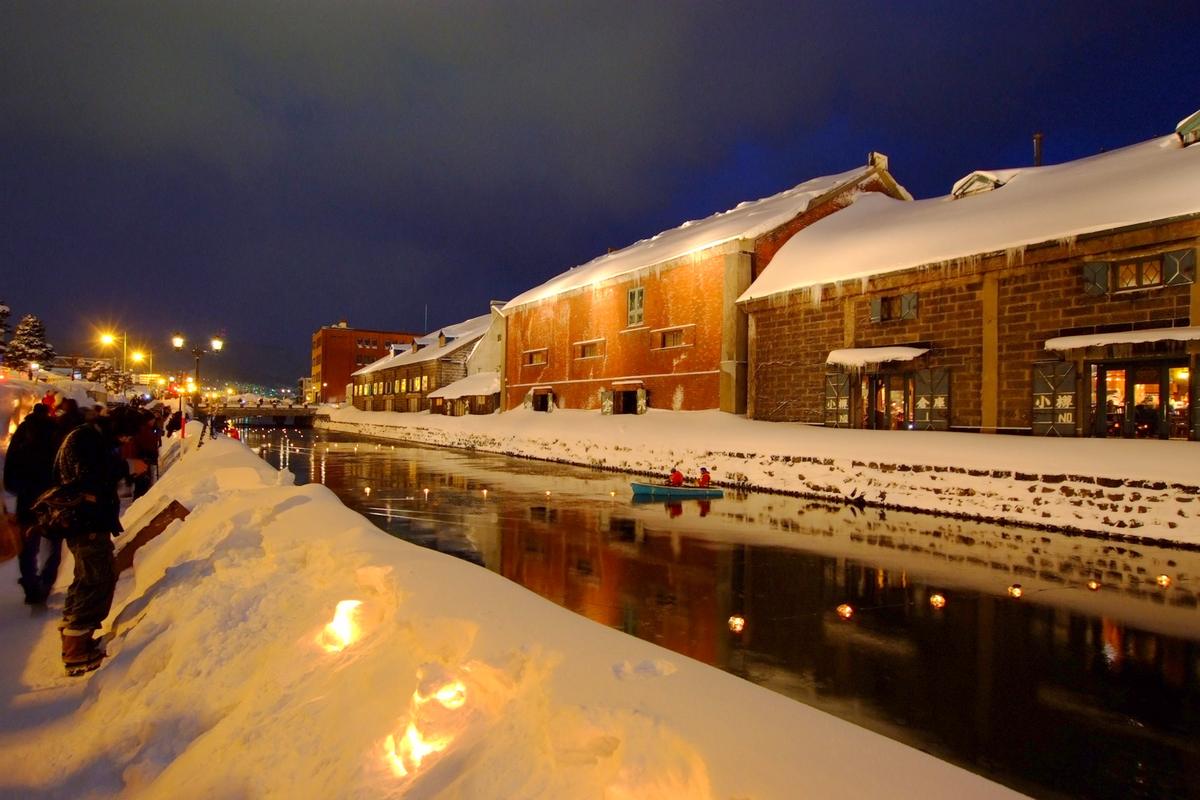
An Otaru day trip from Sapporo takes 35 minutes on the JR Rapid Airport train, costs ¥750 one way, and delivers you to a canal built for herring boats in the late 19th century. That is the minimum distance. The question is how much time you need on the ground, and the answer is at least six hours. A half day that departs Sapporo after lunch and returns before dinner undersells the glass workshops, the sushi counters, the music boxes, and the evening gas lamp lighting on the canal. Book the 08:33 rapid from Sapporo Station and you can fit the core loop by 15:00, with room for a second bowl of kaisendon at Sankaku Market before the 18:00 return. Otaru is not a stop for an hour and a photo. It is a full day trip that rewards the extra train ride.
Sapporo to Otaru Train: the 35 Minute Rapid Service
The JR Otaru Line runs the Rapid Airport service and other Hakodate Main Line rapid trains from Sapporo Station to Otaru Station. Journey time is 32 to 35 minutes. One way costs ¥750 for an unreserved seat. No reservation is needed. Trains leave every 15 to 20 minutes during daytime. Buy your ticket or tap your Kitaca at the gate. The walk from the platform to the exit takes two minutes.
Sit on the right side of the train heading toward Otaru. That is the seaward side. You get a view of Ishikari Bay for the last ten minutes of the trip. The left side gives you hills and tunnels. This matters if you are making the trip for the scenery.
Rush hour trains from Sapporo to Otaru are crowded in the direction of Otaru in the morning and toward Sapporo in the evening. If you are returning after dinner on a weekend, the 20:00 train can be standing room only. Board at the front of the platform to increase your chance of a seat. The last train back to Sapporo departs Otaru Station around 23:00, but check the JR Hokkaido timetable on the day of travel because schedules shift seasonally.
Otaru Canal Day Trip: the 1.1km Walk and the Gas Lamps
Walking the Canal Path
Exit Otaru Station and walk straight for 10 minutes down the main pedestrian path. You reach the Otaru Canal at the point where the stone warehouses line the water. The canal runs approximately 1.1 km. The warehouses were built from Otaru soft stone during the herring boom that peaked around 1900. Today they hold museums, glass shops, and restaurants.
Walk the canal path from the central bridge to the far end near Temiya. You pass 63 gas lamps along the way. The lamps light automatically from sunset to 22:30. That evening illumination is the reason to stay late. The reflection of the stone warehouses in the canal water under the gas lamps is the single most photographed scene in Otaru, and for good reason. Arrive at 16:00, walk the canal once in daylight, have dinner, and walk it again after sunset.
February Snow Light Path
In February the Otaru Snow Light Path Festival runs for roughly 10 days starting in mid February. The canal is the main site, along with the former Temiya Line. Candles in ice sculptures line the walking path. This event draws fewer than 2,000 people per evening, which is a fraction of the Snow Festival crowd in Sapporo. If you are in Hokkaido during the Snow Festival, add this as your evening out.
Otaru Glassware: Sakaimachi Street and the Workshops
Sakaimachi Street runs parallel to the canal, one block inland. It is a preserved merchant street from the boom period, now a shopping strip for tourists. The dominant craft is glassware. Otaru glass has been produced here since the late 19th century when the herring trade brought lamp oil and bottles. Today you find workshops where you can blow your own glass piece, and shops selling everything from sake cups to chandeliers.
Kitaichi Glass is the largest and oldest glassware operation in Otaru. Their main building on Sakaimachi Street contains a showroom and a demonstration space. The Otaru Music Box Museum occupies the main hall at the north end of the street. It sells music boxes made from glass, ceramic, and wood. The building itself is a former stone warehouse from 1900.
Allow 90 minutes to walk Sakaimachi Street and stop at two or three glass shops. If you want to make your own glass piece, book a session at a workshop ahead of time. Same day drop in is rarely possible during weekends and February.
Otaru Sushi Street: Where to Eat Uni, Ikura and Hokkigai
Sushi Street Lunch
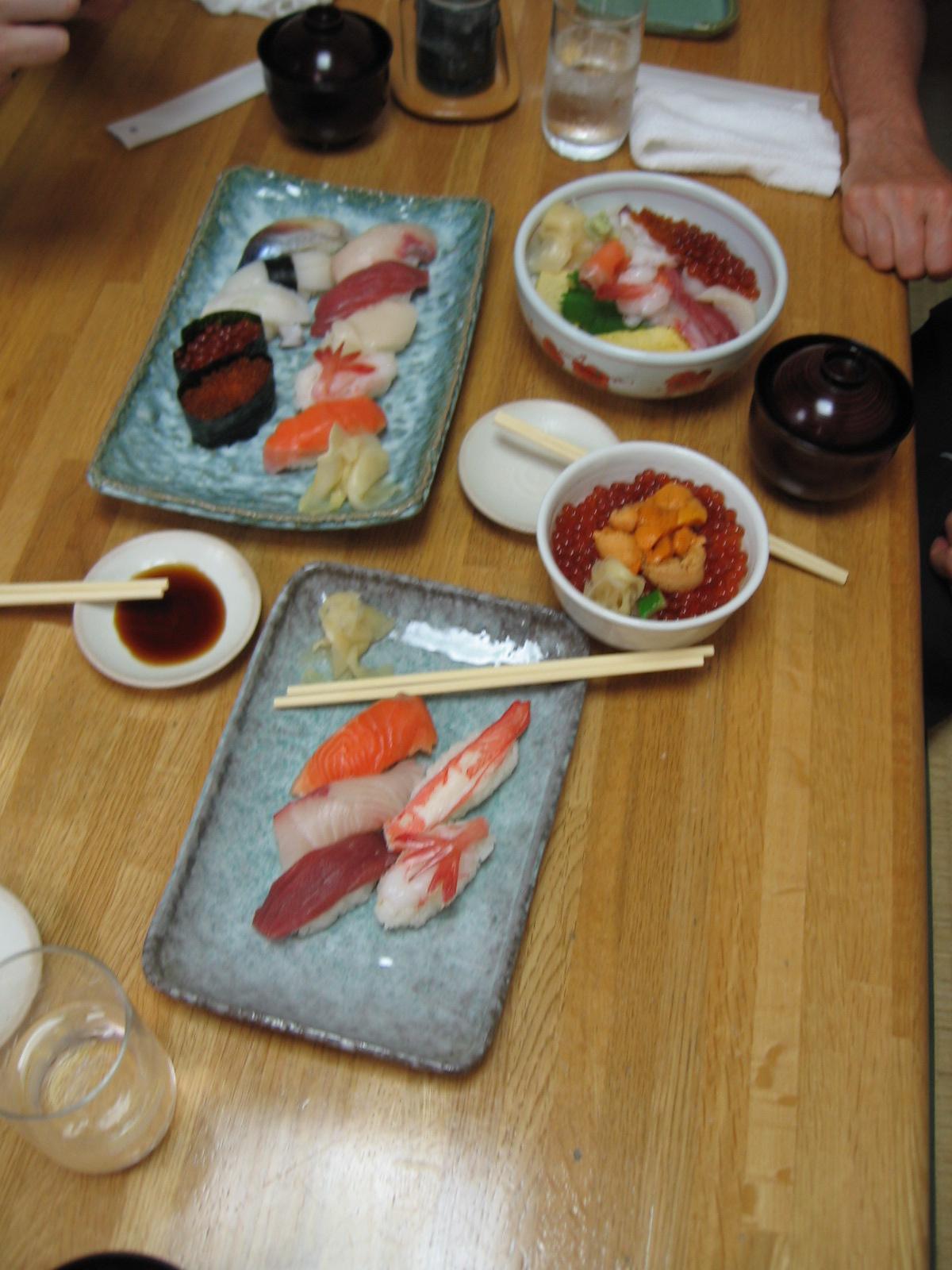
Sushi ya dori, called Sushi Street, is a short block near Otaru Station. The restaurants here range from counter only lunch spots to full omakase houses. A typical lunch set runs ¥2,000 to ¥4,000. Dinner omakase runs ¥5,000 to ¥10,000 and up.
The local items to order are uni (sea urchin), ikura (salmon roe), hokkigai (surf clam), and botan ebi (spot prawn). These are the seafoods that Otaru built its reputation on during the herring days. Masazushi is the main shop on Sushi Street and the most famous name. Their lunch sets are reliable. Expect a queue of 20 to 40 minutes at peak lunch time between 12:00 and 13:30.
Sankaku Market Alternative
A faster alternative is Sankaku Market, a seafood market directly connected to Otaru Station. The market stalls serve kaisendon, a raw seafood bowl, for ¥1,500 to ¥3,000. Go there for breakfast or a quick lunch. The market opens at 06:00 and the best fish sells out by 10:00. If you want the freshest seafood of the day, arrive on the 07:00 train from Sapporo and eat at 07:30.
Former Temiya Line Walking Path: the Disused Railway
The former Temiya Line is a disused railway that ran from the canal to the port. It is now a walking path approximately 1.6 km long. The tracks remain embedded in the ground. You start at the canal end near the Otaru Snow Light Path site and walk toward the water. This path is worth the detour in winter when the candles line the rails during the February festival. On a clear day in summer it is a quiet alternative to the canal path.
Yoichi Extension Trip: the Nikka Whisky Distillery
The Distillery Tour
You can extend the Otaru day trip from Sapporo by 25 minutes on the JR train to Yoichi. The one way fare from Otaru is ¥580. The Nikka Whisky Yoichi Distillery offers a free tour that runs approximately 70 minutes. Advance reservation is required through the distillery website. Book at least one week ahead in peak February and summer.
The tour covers the stone warehouses, the pot stills, and the tasting room. Paid tasting options are available. If you do not have a reservation, you cannot enter the production area. The visitor center shop remains open without a reservation, but the tour is the reason to go.
Timing the Extension
A Yoichi extension adds at least three hours to your day. The train from Otaru to Yoichi runs roughly every 30 to 60 minutes. The distillery is a 10 minute walk from Yoichi Station. Return to Otaru by the same line. This is best done on a day when you arrive in Otaru by 09:00, hit the canal and Sakaimachi Street by 11:00, eat lunch at 12:00, take the 13:00 train to Yoichi, tour at 14:00, and return to Otaru by 16:00 for the evening canal lighting.
.jpg)

Day Trip Duration: Afternoon Departure, Evening Return
Departure Timing
The recommended day trip duration for Otaru with evening lighting is to depart Sapporo early afternoon and return after 20:00. This gives you three hours of daylight for the canal and Sakaimachi Street, dinner at Sushi Street or Sankaku Market, and the gas lamp lighting after sunset. In winter, sunset is around 16:30, so an early afternoon departure gives you the lighting within 90 minutes of arrival. In summer, sunset is after 19:00, so you wait longer for the illumination but get more daylight walking time.
February Snow Festival Alternative
If you are traveling during the February Snow Festival in Sapporo, use Otaru as your evening alternative. The Snow Festival has crushing crowds and inflated hotel rates. Otaru on the same evening has manageable crowds, lower prices, and its own snow and candle illumination along the canal and former Temiya Line. Take the 16:00 rapid from Sapporo, arrive at 16:35, and walk the canal at 17:00 as the light fades.
Day Trip Luggage and Practical Details
Luggage Storage
Otaru Station has coin lockers. The largest size fits a carry on suitcase and costs ¥500 to ¥700 per day. Lockers fill up by 10:00 on weekends and during February. Arrive early or use the luggage storage counter on the south side of the station. If you are coming from New Chitose Airport with a suitcase, store it at Sapporo Station in the underground locker area before boarding the Otaru train.
Getting Around on Foot
Otaru is a walking city. You do not need a bus or taxi for the canal, Sakaimachi Street, or Sushi Street. Everything is within a 15 minute walk from Otaru Station. The exception is the Yoichi distillery, which requires a train. Wear slip on cleats in winter because the canal path and Sakaimachi Street develop black ice from December to March. Otaru gets less snow than Sapporo but more ice.
The Failure Case: What Goes Wrong
The Three Hour Trap
The most common mistake on an Otaru day trip from Sapporo is assuming you can do it in three hours. You arrive at 10:00, walk the canal in 30 minutes, eat a quick bowl of kaisendon at Sankaku Market, and board the 13:00 train back. You miss the glass workshops, the music box museum, the Temiya Line path, and the evening lighting. You then write off Otaru as a one hour stop, when the problem was your schedule.
The Weekend Lunch Problem
The second most common mistake is arriving at Otaru Station at 11:00 on a weekend without a lunch reservation. Sushi Street queues hit 45 minutes. Sankaku Market stalls run out of uni by 10:00. You end up eating convenience store food on a bench by the canal. Book a table at Masazushi for 12:00 or arrive in Otaru by 09:00 and eat breakfast at Sankaku Market before the fish sells out.
Read next
-

 Sapporo Hotels by District for Snow Festival and Summer Beer Garden Stays
Sapporo hotels book out months ahead for the February Snow Festival and summer beer garden season, with district choice determining whether you walk to the sculptures or ride the subway from Jozankei.
Sapporo Hotels by District for Snow Festival and Summer Beer Garden Stays
Sapporo hotels book out months ahead for the February Snow Festival and summer beer garden season, with district choice determining whether you walk to the sculptures or ride the subway from Jozankei.
-
 Where to Stay in Sapporo and Why the Underground Walkway Decides It
Choosing where to stay in Sapporo comes down to the heated underground walkway network, which makes winter distances deceptive and some neighbourhoods far more practical than they look on a map.
Where to Stay in Sapporo and Why the Underground Walkway Decides It
Choosing where to stay in Sapporo comes down to the heated underground walkway network, which makes winter distances deceptive and some neighbourhoods far more practical than they look on a map.
-
 Sapporo Flights and the 37-Minute Train From New Chitose Airport
Flights to Sapporo land at New Chitose Airport, and the JR Rapid train covers the distance to Sapporo Station in 37 minutes for ¥1,150, though winter weather can make the bus the safer choice.
Sapporo Flights and the 37-Minute Train From New Chitose Airport
Flights to Sapporo land at New Chitose Airport, and the JR Rapid train covers the distance to Sapporo Station in 37 minutes for ¥1,150, though winter weather can make the bus the safer choice.
-
 Sapporo Things to Do That Are Worth Your Days in a Young Food City
Sapporo things to do are less about ancient temples and more about beer, ramen, snow sculptures, and a sculptural park by Isamu Noguchi—ranked by what earns your limited days.
Sapporo Things to Do That Are Worth Your Days in a Young Food City
Sapporo things to do are less about ancient temples and more about beer, ramen, snow sculptures, and a sculptural park by Isamu Noguchi—ranked by what earns your limited days.
-
 Best Time to Visit Sapporo When Five Metres of Snow Is the Real Calendar
The best time to visit Sapporo depends on whether you want five metres of snow and the Snow Festival crush or Japan's mildest summer with rooftop beer gardens.
Best Time to Visit Sapporo When Five Metres of Snow Is the Real Calendar
The best time to visit Sapporo depends on whether you want five metres of snow and the Snow Festival crush or Japan's mildest summer with rooftop beer gardens.
-
 Getting Around Sapporo Starts With Understanding North 3 West 2
Getting around Sapporo becomes trivially easy once you understand that North 3 West 2 is a map coordinate on a numbered grid, not a street name to memorise.
Getting Around Sapporo Starts With Understanding North 3 West 2
Getting around Sapporo becomes trivially easy once you understand that North 3 West 2 is a map coordinate on a numbered grid, not a street name to memorise.
-
 Sapporo Snow Festival
The Sapporo Snow Festival draws two million visitors over seven days in early February, with Odori Park's building-sized sculptures requiring hotels booked by September and a strategy for the crowds.
Sapporo Snow Festival
The Sapporo Snow Festival draws two million visitors over seven days in early February, with Odori Park's building-sized sculptures requiring hotels booked by September and a strategy for the crowds.
-
 Sapporo Beer Museum
The Sapporo Beer Museum offers free entry to a red-brick maltings and a paid tasting flight of unpasteurized beer available nowhere else, with Genghis Khan lamb barbecue at the Beer Garden next door.
Sapporo Beer Museum
The Sapporo Beer Museum offers free entry to a red-brick maltings and a paid tasting flight of unpasteurized beer available nowhere else, with Genghis Khan lamb barbecue at the Beer Garden next door.
-
 Mount Moiwa
 delivers Sapporo's best night panorama via a ropeway and funicular to a summit observation deck, with the city grid stretching toward Ishikari Bay and a lovers' padlock terrace at the top.
Mount Moiwa
Mount Moiwa delivers Sapporo's best night panorama via a ropeway and funicular to a summit observation deck, with the city grid stretching toward Ishikari Bay and a lovers' padlock terrace at the top.