Skiing From Sapporo to Niseko, Rusutsu, Kiroro, and the Two Resorts Inside the City
Skiing from Sapporo gives you access to Niseko, Rusutsu, Kiroro, and two resorts inside city limits. Compare travel times, bus routes, and which mountain suits your level.
.jpg)
Skiing from Sapporo: the Logistics Problem and the Short Answer
Skiing from Sapporo without a car means choosing between two very different realities: the two small resorts inside the city, reachable in under 40 minutes by bus, and the three world class powder mountains 1.5 to 3 hours away. You can day trip all five. The question is whether the travel time matches your ability and your tolerance for a 6:00 am start.
Sapporo layouts are deceptively spread out. Visitors who assume the ski bus stop is a short walk from their hotel often find themselves hiking ten minutes through hip deep snow. Plan that extra transit time into your morning. Every resort here runs on a schedule that starts early and punishes the late.
The Two City Resorts: Sapporo Kokusai and Sapporo Teine
Teine and Bankei: City Slopes, Real Limits
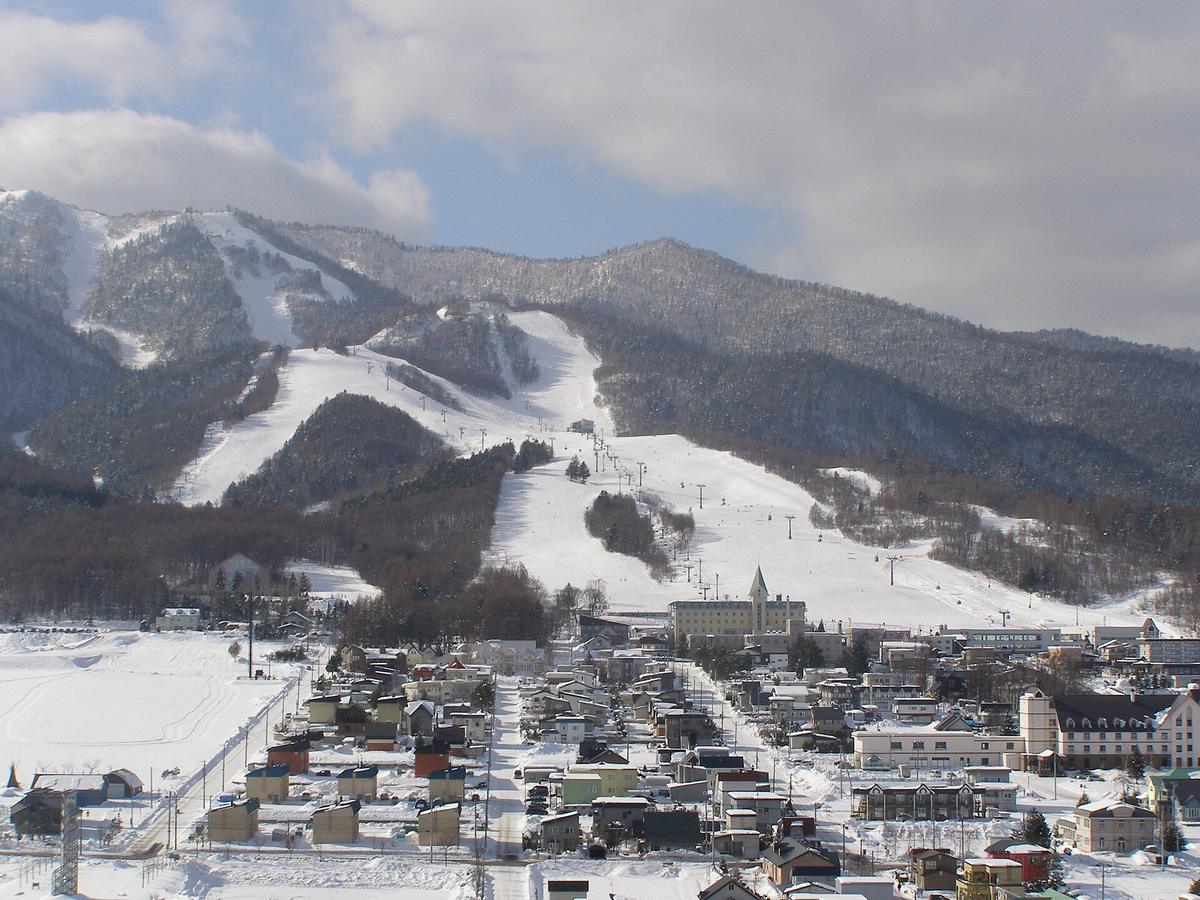
Sapporo Teine and Sapporo Bankei are the actual Sapporo ski resorts within city limits. Bankei is a training hill with 38 ha of terrain and a single gondola. Teine, at 76 ha, is the serious option: 1969 Olympic giant slalom and slalom runs, night skiing until 21:00, and a one day lift pass costing ¥5,900 adult for the 2025 26 season. Transfer time from central Sapporo is 30 to 40 minutes by Chuo Bus or taxi. Bankei takes 15 to 20 minutes.
These two work for skiers who want the maximum time on snow relative to transit. They are not powder destinations: annual snowfall in Sapporo city runs 5 to 8 m cumulative, roughly half of what Kiroro receives. The snow is heavier, the terrain shorter, and the crowds lighter except on weekends when local families turn out. Night skiing at Teine runs daily from December through late March. If you arrive after lunch and want an evening session, this is your only viable option without a resort stay.
Rent Gear in the City, Not the Mountain
Rental gear is cheaper in the city than at any mountain base. A full ski set from a Sapporo city shop costs ¥4,000 to ¥6,000 per day, versus ¥6,000 to ¥9,000 at Niseko base. Pick up your gear the night before from a shop in Susukino or near Sapporo Station. Most city shops open by 08:00 but grabbing boots at 07:30 eats into bus departure time. Boot sizes above 31.0 cm are scarce at city rental shops. Rhythm Japan in Niseko Hirafu stocks up to 33.0 cm if you need the large end of the range.
Sapporo Kokusai: the Accessible Powder Alternative
Sapporo Kokusai is technically within city limits but sits 1 hour by bus from Sapporo Station, not the 30 minute window of Teine and Bankei. Annual snowfall runs closer to 8 10 m at the summit. The terrain covers roughly 120 ha across 8 lifts. Transfer is by Chuo Bus from the station or via the Makomanai subway station connector. One way fare is about ¥1,500. The one day lift pass for the 2025 26 season is ¥5,200 adult, making it the cheapest mountain accessible as a day trip from the city.
Kokusai draws a mixed crowd of tourists and locals. Weekend lines form at the base gondola between 09:00 and 10:30 but dissipate quickly. Snow quality is better than Teine and Bankei because of the elevation but not comparable to Kiroro or Rusutsu. If you want deep powder you travel farther. If you want a full ski day without a 2 hour bus ride, Kokusai is the compromise.
Niseko Day Trip from Sapporo: Feasible but Brutal
Book the Bus Early
A Niseko day trip from Sapporo costs you 2.5 to 3 hours each way by bus. The Hokkaido Resort Liner and White Liner shuttles depart Sapporo Station Bus Terminal or Odori Park between 07:00 and 08:00 and return around 18:00 to 20:00. The return shuttle including a lift pass runs ¥6,000 to ¥8,000 for the 2025 26 season. A one way resort bus ticket is ¥4,500 to ¥5,500. Booking opens 2 months ahead and closes 3 days before travel. Book early: the buses sell out on weekends and during the February Snow Festival crush.
Niseko United covers four linked areas: Grand Hirafu, Hanazono, Niseko Village, and Annupuri. Total skiable terrain is 2,191 ha. The one day lift pass costs ¥9,500 adult for 2025 26. The snow is dry powder with 5 8% water content, exactly the result of Siberian air crossing the Sea of Japan and dropping its moisture as it hits Hokkaido. Annual cumulative snowfall in the Niseko area runs 10 to 15 m.
Plan for the Storm
The failure case: a snowstorm on Route 230. The pass closes 50 to 70 times per season due to whiteout conditions. Buses run late or cancel. The 08:00 return bus becomes a 07:00 taxi from Hirafu that costs ¥15,000 to ¥20,000 one way. Have backup cash and a plan to stay overnight if the weather forecast shows heavy snow. Niseko accommodation peaks at ¥25,000 to ¥80,000 per night, but a last minute cancellation at a pensions in Kutchan is cheaper than a taxi back to Sapporo.
Skip the Hirafu Queue
International visitors make up roughly 80% of Niseko guests. The Hirafu base gondola queue runs 15 to 30 minutes between 08:30 and 10:00 from late December to early January. If you only have one day, skip the first lift queue and ride the Annupuri gondola instead. Same snow, half the line.
Rusutsu Ski Bus: Shorter Ride, Big Terrain, Fewer People
Rusutsu ski bus from Sapporo takes 1.5 to 2 hours, shorter than Niseko. The return shuttle including a lift pass costs ¥5,000 to ¥7,000 for 2025 26. A one way resort bus ticket is ¥3,500 to ¥4,500. Buses depart from the same Sapporo Station Bus Terminal and Odori Park points. Rusutsu covers 1,700 ha of terrain across 4 gondolas and 14 lifts. The one day lift pass is ¥8,500 adult.
Annual snowfall runs 10 to 13 m cumulative. The snow is dry powder, comparable to Niseko, but the crowd level is lower. Rusutsu has designated tree skiing zones off Isola and East Mt with patrol gated sidecountry access. If you want powder turns without the Niseko scene, Rusutsu is the better day trip. The resort also has an indoor wave pool and amusement park at the Rusutsu Resort Hotel, which matters if your group includes non skiers. Day pass is ¥3,500 adult.
The one hazard: the bus route uses mountain roads that can close for black ice. The same snowstorm warning for Niseko applies here. Check the Hokkaido Resort Liner status page the morning of travel.
Kiroro Powder Skiing: Most Snow, Best Ratio
Why Kiroro Wins for a Day Trip
Kiroro powder skiing is the closest big mountain to Sapporo at 1.5 hours by bus. The return shuttle including lift pass runs ¥5,500 to ¥7,500 for 2025 26. The one way resort bus is ¥3,500 to ¥4,500. Kiroro terrain covers 405 ha with 1 gondola and 8 lifts. The one day lift pass costs ¥7,500 adult. Annual snowfall at the summit averages 21 m, the highest in Hokkaido. That number is published by the resort operator and is reliable for the 2025 26 season.
Kiroro skis small. 405 ha is a fraction of Niseko United's 2,191 ha or Rusutsu's 1,700 ha. But the snow quality and the proximity to Sapporo make it the best single day trip for experienced skiers focused on powder. The terrain is intermediate friendly with limited expert steeps.
Backcountry Rules and Non-Skier Options
Backcountry access is permitted only through designated gates and requires mandatory avalanche equipment: a 457 kHz transceiver, a probe minimum 240 cm, and a metal blade shovel. Outside the resort boundary, terrain is unpatrolled. Rescue costs in Japan run ¥300,000 to ¥1,000,000 and fall on the individual.
Non skier activities at Kiroro include snow rafting for ¥3,000 to ¥5,000 and onsen entry for ¥1,000 to ¥2,000. The resort also has snowshoe tours.

Sapporo Winter Sports Beyond the Slopes
Sapporo winter sports are not limited to the resorts. The Mt. Okura Ski Jump Stadium, an Olympic legacy from 1972, has a chairlift to the launch point and the Sapporo Olympic Museum with a ski jump simulator. The museum is at Makomanai, the same suburban sports zone as the indoor ice rink. Accessible by subway from Sapporo Station.
Jozankei Onsen, a hot spring village within city limits about 45 minutes from central Sapporo, offers day trip onsen entry for ¥1,000 to ¥2,000. Combine a morning at Teine with an afternoon soak in Jozankei. The Chuo Bus runs directly from Sapporo Station.
The city itself has extensive underground walkways connecting Sapporo Station to Susukino. This 2 km maze is disorienting but keeps you out of the black ice that coats sidewalks from December to March. Local residents wear slip on cleats. If you arrive without them, convenience stores and drugstores sell pairs for ¥500 to ¥1,000.
| Resort | Bus Time One Way | One Day Lift Pass 2025 26 | Annual Snowfall | Skiable Terrain |
|---|---|---|---|---|
| Sapporo Teine | 30 40 min | ¥5,900 | 5 8 m | 76 ha |
| Sapporo Bankei | 15 20 min | ¥4,800 | 5 8 m | 38 ha |
| Sapporo Kokusai | 1 hour | ¥5,200 | 8 10 m | ~120 ha |
| Kiroro | 1.5 hours | ¥7,500 | 21 m at summit | 405 ha |
| Rusutsu | 1.5 2 hours | ¥8,500 | 10 13 m | 1,700 ha |
| Niseko United | 2.5 3 hours | ¥9,500 | 10 15 m | 2,191 ha |
What Happens When a Snowstorm Hits and Buses Run Late
The Midnight Dead Zone
Sapporo subway stops around midnight. Taxis become scarce and expensive during snowstorms: a 15 minute ride can cost ¥4,000 with meter time and surcharges. If your bus from Niseko or Rusutsu runs late and you arrive at Sapporo Station after 23:45, you walk or you wait for the first morning train at 06:00. Black ice on city roads and sudden whiteout on mountain passes cause average 50 to 70 road closures per season on Route 230 to Niseko.
Where to Stay
The practical workaround: book a hotel within walking distance of Sapporo Station Bus Terminal. The dead zone between midnight and 06:00 is the single thing that most often goes wrong here. A 15 minute walk through snow that is hip deep after a storm is not a walk at all. Choose Odori or Sapporo Station area accommodation if you are day tripping. The extra ¥2,000 per night is cheaper than a snowstorm taxi.
Read next
-
 Sapporo Hotels by District for Snow Festival and Summer Beer Garden Stays
Sapporo hotels book out months ahead for the February Snow Festival and summer beer garden season, with district choice determining whether you walk to the sculptures or ride the subway from Jozankei.
Sapporo Hotels by District for Snow Festival and Summer Beer Garden Stays
Sapporo hotels book out months ahead for the February Snow Festival and summer beer garden season, with district choice determining whether you walk to the sculptures or ride the subway from Jozankei.
-
 Where to Stay in Sapporo and Why the Underground Walkway Decides It
Choosing where to stay in Sapporo comes down to the heated underground walkway network, which makes winter distances deceptive and some neighbourhoods far more practical than they look on a map.
Where to Stay in Sapporo and Why the Underground Walkway Decides It
Choosing where to stay in Sapporo comes down to the heated underground walkway network, which makes winter distances deceptive and some neighbourhoods far more practical than they look on a map.
-
 Sapporo Flights and the 37-Minute Train From New Chitose Airport
Flights to Sapporo land at New Chitose Airport, and the JR Rapid train covers the distance to Sapporo Station in 37 minutes for ¥1,150, though winter weather can make the bus the safer choice.
Sapporo Flights and the 37-Minute Train From New Chitose Airport
Flights to Sapporo land at New Chitose Airport, and the JR Rapid train covers the distance to Sapporo Station in 37 minutes for ¥1,150, though winter weather can make the bus the safer choice.
-
 Sapporo Things to Do That Are Worth Your Days in a Young Food City
Sapporo things to do are less about ancient temples and more about beer, ramen, snow sculptures, and a sculptural park by Isamu Noguchi—ranked by what earns your limited days.
Sapporo Things to Do That Are Worth Your Days in a Young Food City
Sapporo things to do are less about ancient temples and more about beer, ramen, snow sculptures, and a sculptural park by Isamu Noguchi—ranked by what earns your limited days.
-
 Best Time to Visit Sapporo When Five Metres of Snow Is the Real Calendar
The best time to visit Sapporo depends on whether you want five metres of snow and the Snow Festival crush or Japan's mildest summer with rooftop beer gardens.
Best Time to Visit Sapporo When Five Metres of Snow Is the Real Calendar
The best time to visit Sapporo depends on whether you want five metres of snow and the Snow Festival crush or Japan's mildest summer with rooftop beer gardens.
-
 Getting Around Sapporo Starts With Understanding North 3 West 2
Getting around Sapporo becomes trivially easy once you understand that North 3 West 2 is a map coordinate on a numbered grid, not a street name to memorise.
Getting Around Sapporo Starts With Understanding North 3 West 2
Getting around Sapporo becomes trivially easy once you understand that North 3 West 2 is a map coordinate on a numbered grid, not a street name to memorise.
-
 Sapporo Snow Festival
The Sapporo Snow Festival draws two million visitors over seven days in early February, with Odori Park's building-sized sculptures requiring hotels booked by September and a strategy for the crowds.
Sapporo Snow Festival
The Sapporo Snow Festival draws two million visitors over seven days in early February, with Odori Park's building-sized sculptures requiring hotels booked by September and a strategy for the crowds.
-
 Sapporo Beer Museum
The Sapporo Beer Museum offers free entry to a red-brick maltings and a paid tasting flight of unpasteurized beer available nowhere else, with Genghis Khan lamb barbecue at the Beer Garden next door.
Sapporo Beer Museum
The Sapporo Beer Museum offers free entry to a red-brick maltings and a paid tasting flight of unpasteurized beer available nowhere else, with Genghis Khan lamb barbecue at the Beer Garden next door.
-
 Mount Moiwa
 delivers Sapporo's best night panorama via a ropeway and funicular to a summit observation deck, with the city grid stretching toward Ishikari Bay and a lovers' padlock terrace at the top.
Mount Moiwa
Mount Moiwa delivers Sapporo's best night panorama via a ropeway and funicular to a summit observation deck, with the city grid stretching toward Ishikari Bay and a lovers' padlock terrace at the top.