Sapporo in Winter: Five Metres of Snow, the Underground Walkway Maze and What to Wear on the Ice
Sapporo in winter means five metres of snow, treacherous sidewalk black ice, and a 2km underground walkway maze connecting the station to Susukino when the streets become impassable.
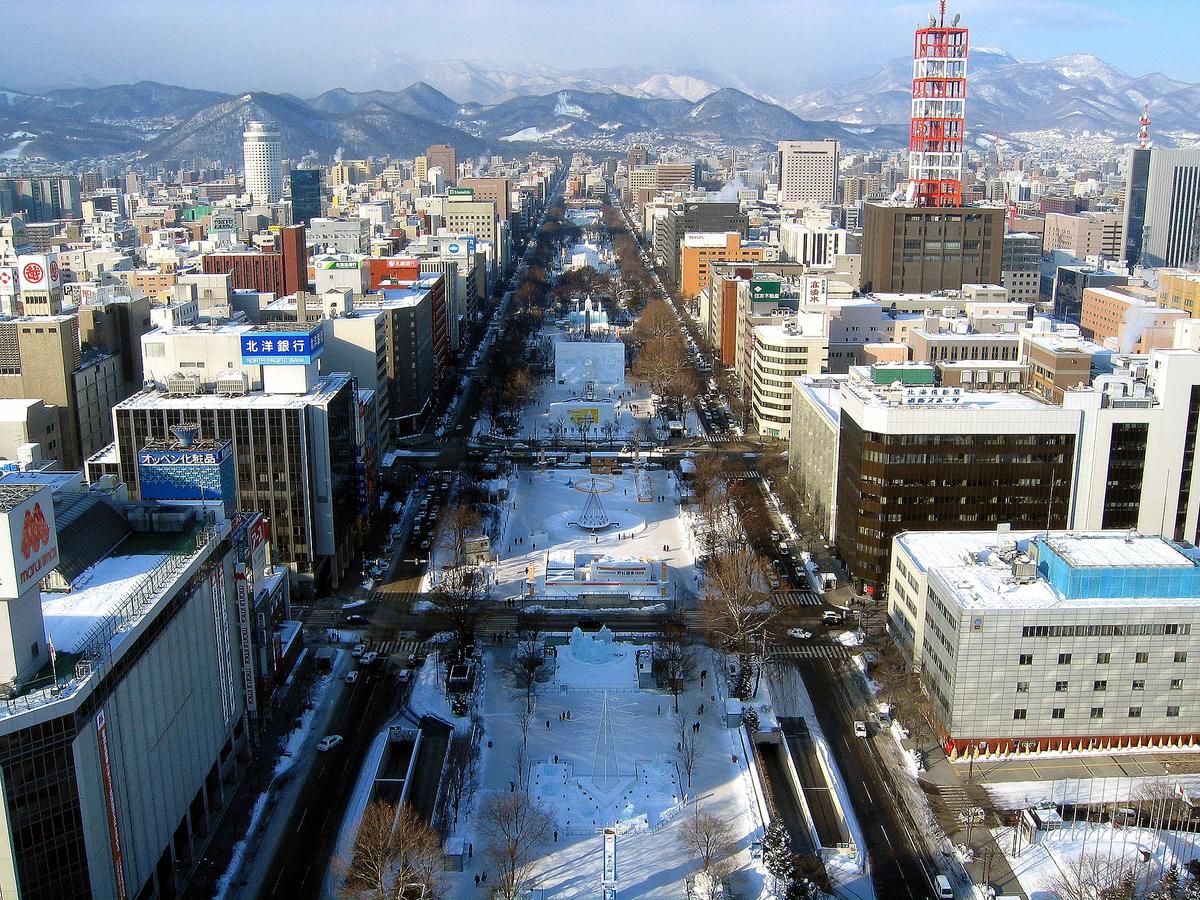
Stop thinking of Sapporo in winter as a pretty snow globe. The city receives 4.5 to 5.5 metres of snow between December and March. The sidewalks are a battlefield of compacted ice locals call mirror burn. Snowbanks narrow pedestrian paths to single file and block your view of oncoming traffic. The single question that determines whether your trip works or fails: how do you navigate Sapporo in winter when the pavement is a skating rink and the snowbanks block everything? The answer lives in a 2km underground walkway maze, a pair of cleats you buy at any convenience store, and a hard rule about the midnight subway shutdown.
Sapporo in Winter: 4.5 Metres of Snow, the Underground Walkway Maze, and What to Wear on the Ice
Most visitors arrive expecting the Sapporo Snow Festival and leave surprised by how hard the city is to walk. The event runs for eight days in February and draws over two million people, but the snow stays from December through March. Daily high temperatures in January hover at -1.0°C, and lows drop to -7.7°C. February is barely warmer: 0.1°C and -7.2°C. December and March are only slightly milder. The snow itself is dry and light. That sounds pleasant until you see that the city centre accumulates about 100cm of depth by February and the cleared snow is piled into walls three metres high on every major street.
The problem is not the cold. It is the ice. Sidewalk black ice forms daily because the freeze-thaw cycle turns packed snow into a polished surface. Locals solve this with a product called subari-tome, slip-on cleats sold at every convenience store. Put them over your boots and they give you grip on mirror burn. Without them, you will walk at a shuffle, arrive at every destination late, and probably fall at least once.
Compacted ice is the reason Google Maps underestimates walking time by 30% in winter. A 15-minute walk in dry conditions becomes 20 minutes when you are picking your way across ice ruts and waiting at intersections where snowbanks block your sightlines. Budget for that extra time on every transfer, especially between subway exits and restaurant entrances.
What to Wear: The Layering System and the Boot Rule
Sapporo winter clothing is a layering system with a down coat on top. A long down coat that covers your thighs matters more than the brand because it traps heat against your torso and keeps snow off your pants. Underneath, wear a wool mid-layer and a moisture-wicking base. Skip cotton. It gets wet from sweat and stays cold. The critical piece is the boot. You need a waterproof boot with deep tread and a non-slip rubber compound. Fashion boots with flat soles are dangerous. Every department store in Sapporo sells proper winter boots, but arriving with your own pair from home saves you the half hour of shopping on jet-lag day. Daimaru Sapporo, Tokyu Department Store, and Mitsukoshi Sapporo all have heated interiors, so you can warm up while you browse. Do not rely on that for comfort.
Pocket hand warmers are not optional. Buy a pack of ten at a drugstore and keep one in each coat pocket. The difference between a good day and a miserable one in Sapporo is whether your hands are warm while you wait to cross a street.
Sapporo Underground Walkway: the 2km Maze You Must Learn
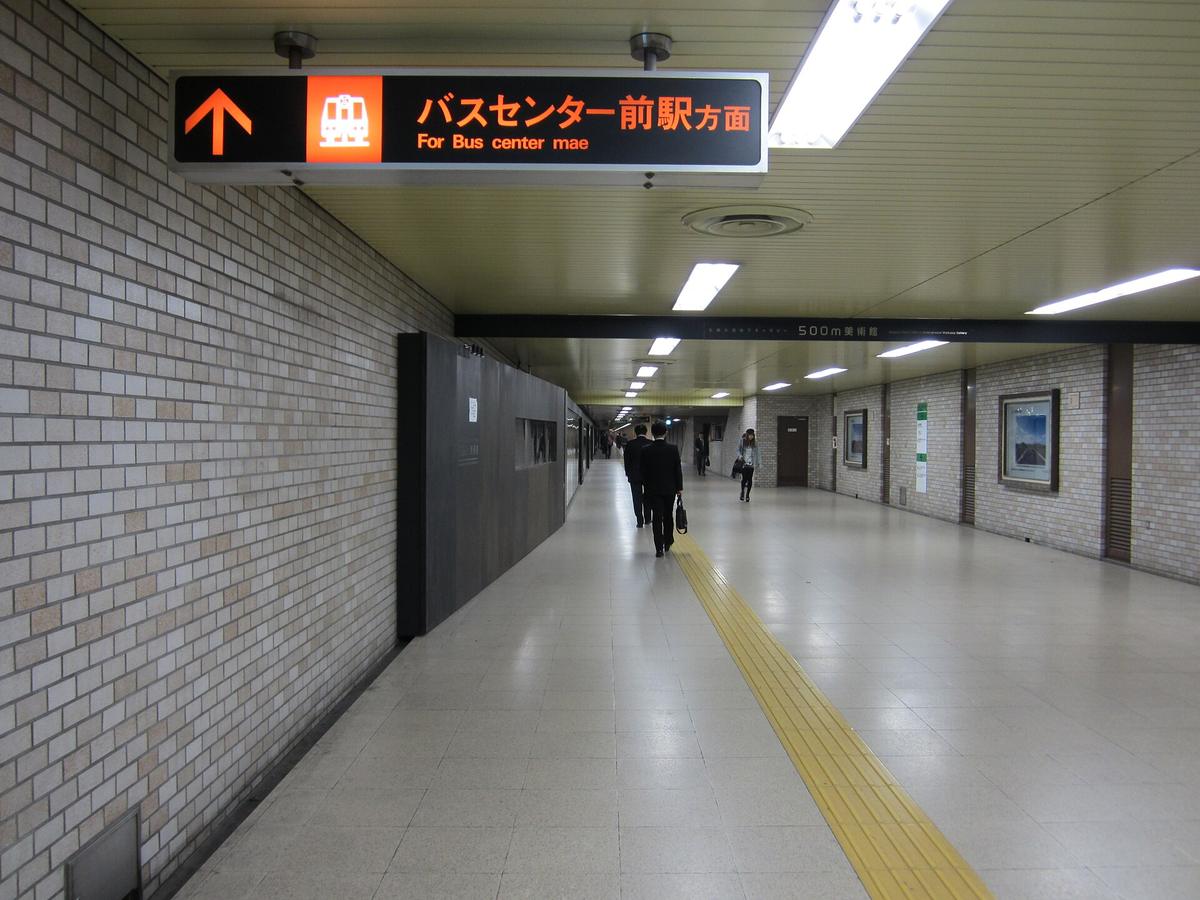
The above-ground sidewalks are treacherous. The underground network is not. Sapporo built a system of heated pedestrian tunnels and shopping arcades called the Chi-Ka-Ho, officially the Sapporo Ekimae-dori Underground Walkway, and Aurora Town. Together they form a continuous 2km route from Sapporo Station through Odori Station to the Susukino transit hub. You can walk the entire distance without stepping outside. This is not a nice feature. It is the city's core winter infrastructure. Treat learning it as your first-day task.
The Chi-Ka-Ho runs from Sapporo Station to Odori Station. Aurora Town continues from Odori Station to the Susukino area. Both are lined with shops, cafes, and department store entrances, so you can orient yourself by the storefronts. The problem is that the network is a maze. Exits are numbered, not named by street. You will surface at the wrong block multiple times. Plan for it. Give yourself an extra 10 minutes the first time you try to find a specific exit, and accept that you will get lost. By day three you will navigate it without thinking.
This network is also how you reach Pole Town and Aurora Town, the two main underground shopping districts. Pole Town sits under Odori and connects to the subway. Aurora Town runs alongside it. Neither is a tourist attraction in itself, but both let you move between the TV Tower area and the entertainment district without freezing.
When the Subway Stops
The Sapporo subway stops around midnight. This is the trap. Visitors arriving from Tokyo or Osaka assume the trains run late, but Sapporo's three subway lines shut down before 00:30 depending on line and direction. After that, your options are walking the 2km underground route back to your hotel if you are between Susukino and Sapporo Station, or competing for a taxi. In a snowstorm, taxis vanish. Surge pricing and hour-long waits are normal on winter weekend nights. The solution is to watch the clock. If you are in Susukino at 23:30 and your hotel is near Sapporo Station, walk the underground route while it is still open. Do not wait for a cab.
Sapporo Winter Snow: What 5 Metres Actually Looks Like
The phrase five metres of snow sounds abstract until you see a snowbank taller than your rental car. Sapporo's seasonal snowfall total of 4.5 to 5.5 metres is not a single accumulation. It is the sum of frequent, moderate snowfalls that arrive throughout the winter. January alone averages 173cm of snowfall. February averages 137cm. Even April can bring a dusting. The city removes snow constantly using municipal plowing and heated pavements on some main streets, but the snowbanks remain. They line every road and block every intersection.
Snowbanks create two hazards for pedestrians. First, they narrow walkways to single-file paths, so meeting someone coming the other way requires one of you to step into the frozen street. Second, they block visibility at intersections. You cannot see vehicles approaching until you step past the bank. Cross only at marked crossings, and look twice. Sapporo drivers slide on ice too, and stopping distances are long.
Snow removal also affects your schedule. Major streets are cleared first, but side streets and sidewalks stay treacherous for days after a heavy snowfall. The JMA publishes snowfall warnings in real time. If a storm is predicted, adjust your plans to stay central. This is also why flight delays at New Chitose Airport are common during heavy snow events. Budget a buffer day on either end of your trip if you are flying in December or January.
Sapporo Winter Activities: What is Worth Your Limited Days
With three minimum days in Sapporo, you cannot do everything. Here is what earns its slot.
The Snow Festival (4-11 February 2026)
The event is enormous and crowded. Odori Park becomes the main site with giant snow sculptures. Susukino hosts an ice sculpture competition. Tsudome, a separate site, has snow slides and play areas for kids. If you come for the festival, book accommodation six months ahead. Hotel rates triple, and availability vanishes. One night is not enough. The common mistake is a one-night stay that leaves you spending more time in transit queues than at the sculptures. Budget two nights minimum, and use your non-festival day for food and the Beer Museum.
Snow-Free Alternatives
If crowds ruin a city for you, skip February entirely. The Sapporo White Illumination runs from late November to mid-March and decorates Odori Park with lights. It is quieter, free, and lets you see the city without the festival crush. The illumination is not a replacement for the sculptures, but it is a better experience for anyone who dislikes shoulder-to-shoulder walking.
The Onsen Escape
Jozankei Onsen is a hot spring village within city limits, about 45 minutes from central Sapporo by bus. Snow-viewing onsens are worth the trip: you sit in 42°C water while snow falls on the rocks around you. Go on your second day when the cold has worn you down. Combine it with a lunch of ishikari nabe, the salmon and miso hotpot, which is on every Jozankei restaurant menu in winter.
Mt Moiwa Ropeway
The ropeway runs year-round but suspends operation during high wind and heavy snow. Check the website before you go. If it is running, the night view from the summit is the best in the city. The lovers' padlock terrace at the top is kitschy but the panorama is not. Budget 90 minutes round trip including the cable car and the ropeway. Do not do this on your first night. Do it when the weather forecast is clear.
Winter Seafood
Winter is the season for kegani (horsehair crab) and taraba-gani (red king crab). Nijo Market serves kaisendon bowls with crab, sea urchin, and salmon roe. Arrive by 08:30 for the best selection. The market closes by late afternoon. Bring cash. Many stalls do not take cards.
Sapporo Winter Clothing: the System That Works
The layering system down coat approach is the standard for a reason. Here is the exact breakdown.
- Base layer: Merino wool or synthetic. No cotton.
- Mid layer: Fleece or lightweight down vest.
- Outer layer: Long down coat reaching mid-thigh or longer. Down is warmer than synthetic fill for the temperatures you will face.
- Boots: Waterproof, insulated, deep tread. Non-slip rubber sole. No exceptions.
- Accessories: Wool hat covering ears, neck gaiter or scarf, insulated gloves, and pocket hand warmers.
You will see locals wearing the same system with one addition: slip-on cleats. Buy them on arrival. Any convenience store in Sapporo Station has them. They attach to your boot soles and turn ice into walkable ground. Remove them indoors. They damage wooden floors and tile.
The heated pavement on some main streets means sections of sidewalk are clear, but most are not. Do not assume you can manage in sneakers. You cannot. Sapporo in winter is not a place to test your tolerance. You wear the gear or you stay indoors.


Sapporo Winter Activities Beyond the Festival
The Snow Festival is the headline, but the city has better winter experiences that do not require queueing for an hour to see a snow sculpture of a video game character.
The Beer Museum
The Sapporo Beer Museum is free to enter. The paid tasting flight gives you fresh unpasteurized draft beer that is only available there. The adjacent Sapporo Beer Garden serves Genghis Khan, the grilled lamb dish cooked on a helmet-shaped skillet. This is where locals go after work, not tourists. Go on a weekday evening when it is less crowded. The museum closes relatively early, so aim for 17:00 arrival.
Day Trip to Sapporo Kokusai Ski Resort
About one hour by bus from central Sapporo, Sapporo Kokusai offers powder skiing from late November to early May. The snow is dry and light, the same quality that made Niseko famous, but without the international crowds and accommodation prices. A day trip is feasible. The bus departs from Sapporo Station. Ski rentals are available at the base. If you are not a skier, the resort has snow play areas and a restaurant with mountain views.
Ramen Without the Queue
The Susukino Ramen Alley has 17 shops and the queues are long at dinner. Go at 11:00 for lunch instead. Miso ramen was born in Sapporo, and the classic topping is corn, butter, and bean sprouts. Skip the tourist-heavy shops at the alley entrance. Walk to the middle of the row and pick the shop with the shortest line of locals. Soup curry is another Sapporo original. Suage and Garaku are the two reliable chains. The spiced broth with whole vegetables is the best cold weather meal in the city.
Who Sapporo in Winter Suits and Who it Does Not
Sapporo in winter works for winter sports enthusiasts who want powder skiing within an hour of a city with excellent food, and for food travellers who care about seafood and ramen more than temple bells. It works for festival chasers who plan the Snow Festival months ahead. It works for urban explorers who like a walkable, less dense Japanese city where the grid layout makes navigation easy even when the streets are buried.
Sapporo in winter does not work for travellers seeking traditional Kyoto style temples and geisha culture. This is a modern city rebuilt after the 1970s. It does not work for nightlife seekers who want a dense Tokyo style club district. Susukino has bars and ramen alleys, not mega clubs. And it absolutely does not work for anyone who dislikes cold. The city is snowbound for nearly five months. If your idea of winter travel is a light jacket and outdoor dining, Sapporo will punish you.
Read next
-
 Sapporo Hotels by District for Snow Festival and Summer Beer Garden Stays
Sapporo hotels book out months ahead for the February Snow Festival and summer beer garden season, with district choice determining whether you walk to the sculptures or ride the subway from Jozankei.
Sapporo Hotels by District for Snow Festival and Summer Beer Garden Stays
Sapporo hotels book out months ahead for the February Snow Festival and summer beer garden season, with district choice determining whether you walk to the sculptures or ride the subway from Jozankei.
-
 Where to Stay in Sapporo and Why the Underground Walkway Decides It
Choosing where to stay in Sapporo comes down to the heated underground walkway network, which makes winter distances deceptive and some neighbourhoods far more practical than they look on a map.
Where to Stay in Sapporo and Why the Underground Walkway Decides It
Choosing where to stay in Sapporo comes down to the heated underground walkway network, which makes winter distances deceptive and some neighbourhoods far more practical than they look on a map.
-
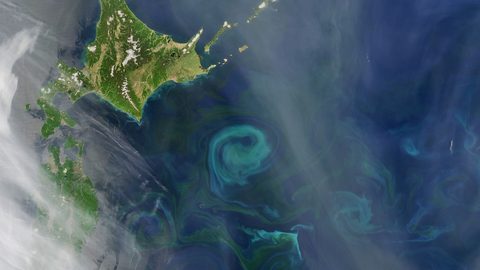 Sapporo Flights and the 37-Minute Train From New Chitose Airport
Flights to Sapporo land at New Chitose Airport, and the JR Rapid train covers the distance to Sapporo Station in 37 minutes for ¥1,150, though winter weather can make the bus the safer choice.
Sapporo Flights and the 37-Minute Train From New Chitose Airport
Flights to Sapporo land at New Chitose Airport, and the JR Rapid train covers the distance to Sapporo Station in 37 minutes for ¥1,150, though winter weather can make the bus the safer choice.
-
 Sapporo Things to Do That Are Worth Your Days in a Young Food City
Sapporo things to do are less about ancient temples and more about beer, ramen, snow sculptures, and a sculptural park by Isamu Noguchi—ranked by what earns your limited days.
Sapporo Things to Do That Are Worth Your Days in a Young Food City
Sapporo things to do are less about ancient temples and more about beer, ramen, snow sculptures, and a sculptural park by Isamu Noguchi—ranked by what earns your limited days.
-
 Best Time to Visit Sapporo When Five Metres of Snow Is the Real Calendar
The best time to visit Sapporo depends on whether you want five metres of snow and the Snow Festival crush or Japan's mildest summer with rooftop beer gardens.
Best Time to Visit Sapporo When Five Metres of Snow Is the Real Calendar
The best time to visit Sapporo depends on whether you want five metres of snow and the Snow Festival crush or Japan's mildest summer with rooftop beer gardens.
-
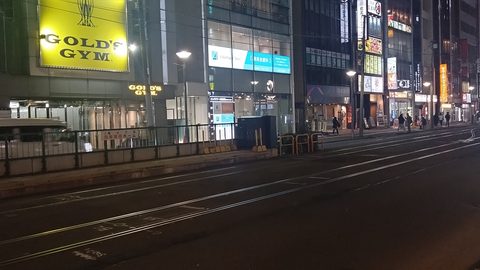 Getting Around Sapporo Starts With Understanding North 3 West 2
Getting around Sapporo becomes trivially easy once you understand that North 3 West 2 is a map coordinate on a numbered grid, not a street name to memorise.
Getting Around Sapporo Starts With Understanding North 3 West 2
Getting around Sapporo becomes trivially easy once you understand that North 3 West 2 is a map coordinate on a numbered grid, not a street name to memorise.
-
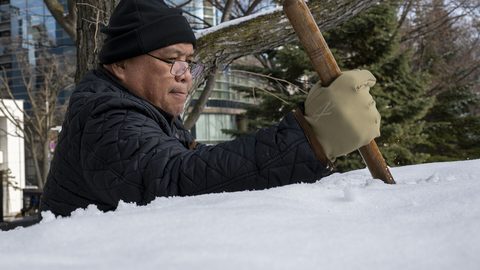 Sapporo Snow Festival
The Sapporo Snow Festival draws two million visitors over seven days in early February, with Odori Park's building-sized sculptures requiring hotels booked by September and a strategy for the crowds.
Sapporo Snow Festival
The Sapporo Snow Festival draws two million visitors over seven days in early February, with Odori Park's building-sized sculptures requiring hotels booked by September and a strategy for the crowds.
-
 Sapporo Beer Museum
The Sapporo Beer Museum offers free entry to a red-brick maltings and a paid tasting flight of unpasteurized beer available nowhere else, with Genghis Khan lamb barbecue at the Beer Garden next door.
Sapporo Beer Museum
The Sapporo Beer Museum offers free entry to a red-brick maltings and a paid tasting flight of unpasteurized beer available nowhere else, with Genghis Khan lamb barbecue at the Beer Garden next door.
-
 Mount Moiwa
 delivers Sapporo's best night panorama via a ropeway and funicular to a summit observation deck, with the city grid stretching toward Ishikari Bay and a lovers' padlock terrace at the top.
Mount Moiwa
Mount Moiwa delivers Sapporo's best night panorama via a ropeway and funicular to a summit observation deck, with the city grid stretching toward Ishikari Bay and a lovers' padlock terrace at the top.