Where to Eat Sapporo Ramen and Soup Curry, Two Dishes Born in This City
Sapporo ramen and soup curry were both invented here. Learn what distinguishes the real versions from tourist imitations and exactly where to eat them.
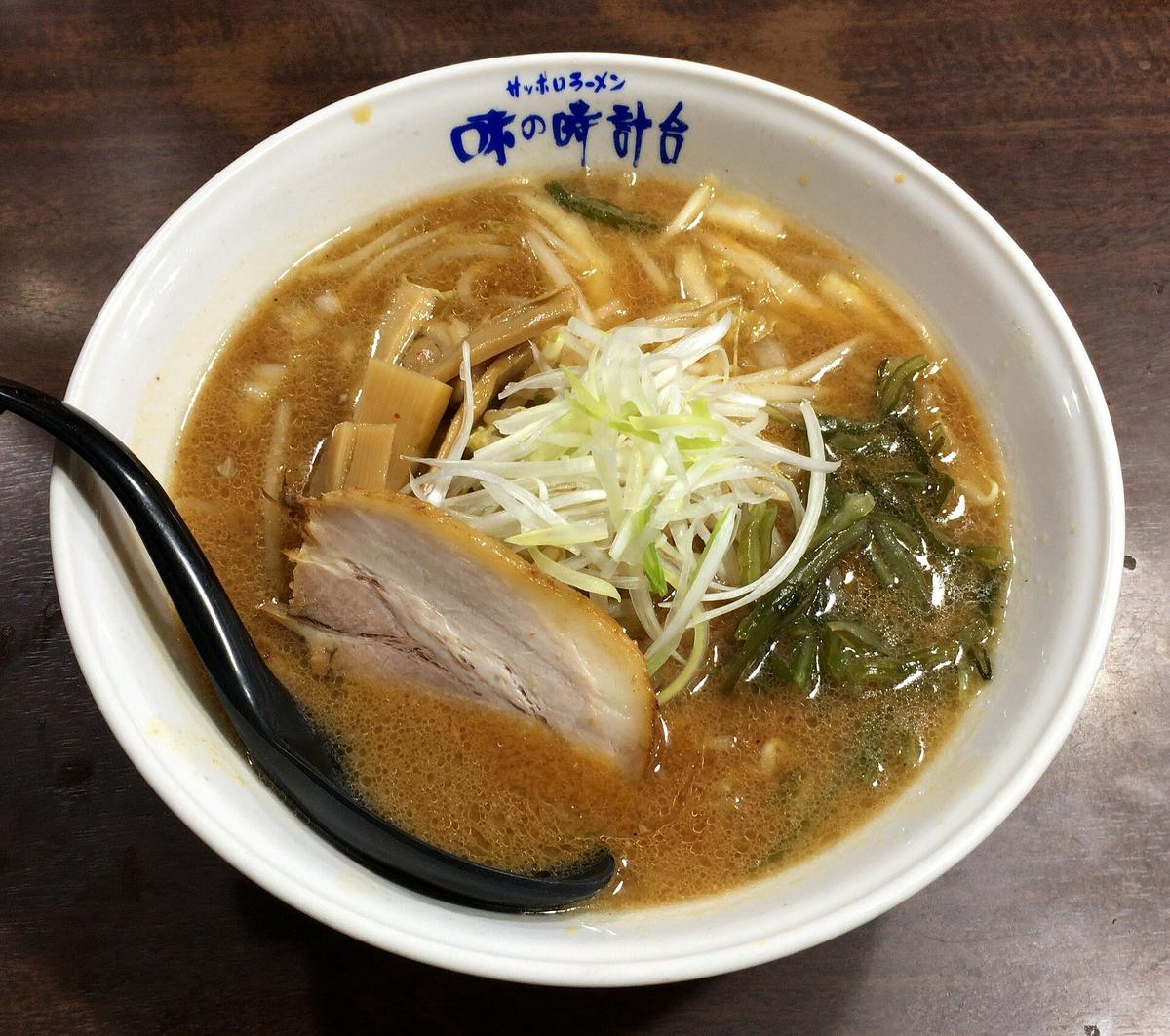
Most visitors land in Sapporo believing they will eat a single bowl of miso ramen and a single bowl of soup curry and call it done. The mistake is assuming these dishes are simple local specialties you tick off a list. They are not. Sapporo ramen and soup curry are two systems of craft, each with a precise technique that most versions outside the city get wrong, and finding the real ones requires knowing what you are looking at. Miso ramen here is not a broth with miso stirred in. Soup curry is not a thin Japanese curry. Both were invented in Sapporo in the same post war decades, and both demand a specific eating protocol that the famous shops enforce without apology. Here is the anatomy of each dish and the exact shops where the technique is still correct.
What Makes Miso Ramen in Sapporo Different from Tokyo Style
Miso ramen was born in Sapporo in the 1950s when a chef added fermented soybean miso paste to pork bone broth and created a tare that had never existed in Japanese noodles. The defining feature is the fat layer. A proper bowl has a visible molten lard film across the entire surface. That lard is not decoration. It functions as thermal insulation, keeping the broth scalding from the first sip to the last noodle, which matters in a city that is snowbound for five months. Tokyo style ramen, by contrast, relies on shoyu or shio tare and a lighter fat emulsion that cools within minutes.
The second difference is the noodle. Sapporo miso ramen uses thick, curly, yellow alkaline noodles with a springy resistance that holds up against the heavy miso base. A good bowl announces itself before you lift the spoon. You should smell the miso aroma rising from the bowl before your lips touch the broth. If you do not, the tare has been diluted or the bowl sat too long.
Why Corn And Butter Belong
Mainland purists dispute the sweetcorn and butter topping. They call it gimmicky Hokkaido noveltism. The defence is simple: the sweetness of Hokkaido corn cuts the aggressive salt of the miso paste, and the butter enriches the lard layer without overwhelming the pork base. The standard toppings are stir fried bean sprouts, ground pork, sweetcorn and butter. A shop that skips the butter or uses canned corn is not making Sapporo style miso ramen. It is making a compromise.
The Wok Frying Technique
The bean sprouts and ground pork are not boiled. They are wok fried separately in a searing hot Chinese wok, then added to the bowl. This step chars the edges of the bean sprouts and renders the pork fat before it meets the broth. A shop that steams its toppings or drops them raw into the bowl is not following the Sapporo method.
Miso Ramen Sapporo: Where to Eat the Real Version
The most efficient place to start is Ramen Alley, a cramped, steam filled passage in the Susukino district that has held approximately 17 shops since roughly the 1950s. Do not expect atmosphere. The alley is narrow, the ceilings low, and the ventilation runs on a prayer. That is the point. The shops here are not restaurants. They are fifteen seat counters where the master ladles, woks, and serves in the same four foot span.
Ramen Alley
Queues inside the alley itself are short. The pattern is reversed from what most visitors expect. Shops on the main passage inside the alley rarely have lines because tourists walk past them, assume they are the ones, and walk in. The real queues form at the shops on the side streets and outer neighbourhoods that most people miss. Arrive at 11:15 for lunch and you wait 20 to 40 minutes. Arrive at 18:30 and you wait 30 to 60 minutes. Prices run ¥800 to ¥1,200, and many shops are cash only. Carry ¥2,000 in coins and notes. The alley is not a place to pay by card.
Ramen Alley Vs Sapporo Station Ramen Yokocho
Sapporo Station also has an underground ramen shopping arcade called Sapporo Ekimae Ramen Yokocho with roughly 15 shops. It is cleaner, more organised, and less intimidating. It is also less interesting. The shops here serve competent bowls, but the masters at Ramen Alley have been at their counters for decades. If you have one meal, go to Ramen Alley. If you are staying near the station and only have 45 minutes before a train, the underground arcade solves the problem.
Soup Curry Sapporo Best: How it Diverged from Indian Curry
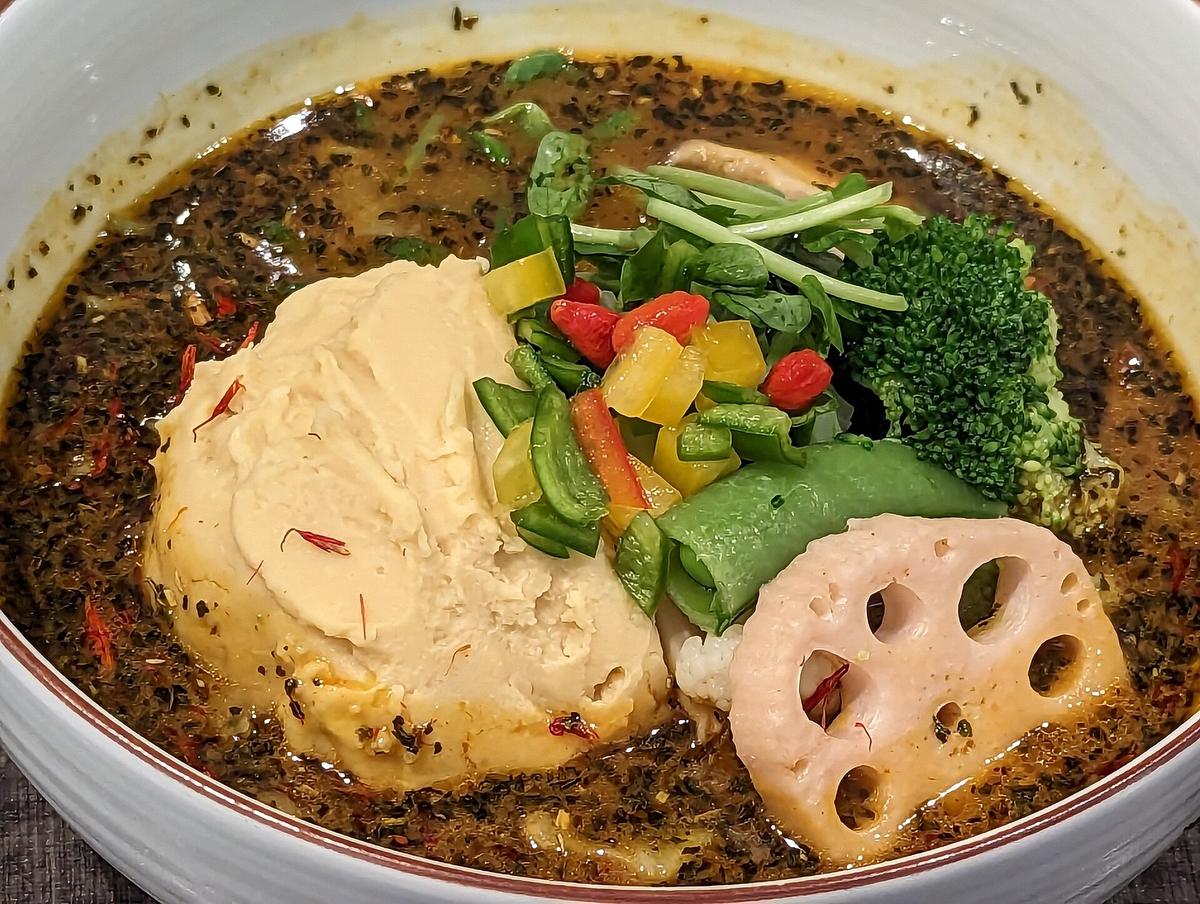
Soup curry was invented in Sapporo in the 1970s. It is not a curry in the Indian or Japanese sense. The broth is thin, spiced, and soup like, thickened with nothing. There is no roux, no flour, no cream. The defining feature is the whole vegetables. A standard bowl arrives with a roasted carrot, a roasted bell pepper, an aubergine half, a potato wedge, and a boiled egg, all charred on the edges and served submerged in the spiced broth. The protein is a whole chicken leg, bone in, cooked until it falls apart at the touch of a spoon.
The rice is served in a separate bowl. You spoon rice into the soup bowl, not soup onto the rice. This is not negotiable. The soup is meant to coat each bite of rice individually, not to be diluted by it. The spice level runs on a numeric scale that varies by shop. Level 1 is mild. Level 10 is hot. Some shops go to 50 or higher. Start at 3 or 4. Sapporo soup curry spice is not a test of machismo. It is a flavour adjustment, and the shops design the scale so that level 5 preserves the taste of the broth.
Garaku Soup Curry
Garaku is the most famous soup curry shop in Sapporo and the one most visitors name. The line is real. Lunch queues run 15 to 30 minutes. Dinner queues run 30 to 50 minutes. The broth is deeply spiced with a turmeric base and a distinct cumin finish. Order the chicken leg with level 5 spice and add cheese as an extra topping. The cheese melts into the broth and binds the spices without dulling them. Garaku is worth the wait, but only once. The portion is large, the broth is heavy, and a second visit in the same trip is time you could spend trying a different lineage.
Suage
Suage is Garaku's rival and the better option for repeat visits. The broth is lighter, with a stronger lemongrass and coriander note that makes it feel less like a stew and more like a soup. The vegetables at Suage arrive with a more aggressive char, almost blistered, which adds a bitterness that cuts the heat. Suage also offers a vegetable only broth at some locations, rare in a city where most soup curry starts with chicken stock. Confirm availability at the counter before you order. Prices at both shops run ¥1,000 to ¥1,500.
Sapporo Food Specialties Beyond Ramen and Curry
Sapporo food specialties extend well beyond the two famous bowls. Misunderstanding this limits your trip. Three other dishes are worth your time and money because they cannot be replicated well outside Hokkaido.
Genghis Khan
Grilled lamb on a helmet shaped skillet. The Sapporo Beer Garden is the standard bearer. The lamb is marinated, the skillet is domed, and the fat runs down the sides to char the vegetables below. Order the all you can eat set and drink the fresh unpasteurized Sapporo draft beer that is only available at the Beer Museum connected to the garden. Do not order the cheapest set. The quality jump from the entry level lamb to the mid range is dramatic, and the price difference is less than ¥1,000.
Zangi And Kaisendon
Zangi is Hokkaido style fried chicken, double battered and served with a vinegar soy sauce dip. It is denser and darker than mainland karaage. Nijo Market serves it alongside kaisendon, the raw seafood bowl topped with sea urchin and crab that defines Hokkaido breakfast. Arrive at Nijo Market by 08:00. The stalls are compact and the seating is counter only. Go to the Central Wholesale Market if you want a tuna auction viewing instead, but you need to arrive by 06:00 and book a tour in advance.
Sapporo Soft Serve
Sold everywhere even in February. The dairy intensity comes from Hokkaido milk, which has a higher butterfat content than any other prefecture. Skip the chain convenience store versions. Buy from a dedicated dairy stand at Odori Park or inside the Sapporo Beer Museum. It is a palate reset between bowls of ramen and soup curry.
| Dish | Definitive Shop | Location | Price Range | Queue Time Lunch | Queue Time Dinner |
|---|---|---|---|---|---|
| Miso Ramen | Ramen Alley (approx. 17 shops) | Susukino District | ¥800–¥1,200 | 20–40 min | 30–60 min |
| Miso Ramen | Sapporo Ekimae Ramen Yokocho (approx. 15 shops) | Sapporo Station Underground | ¥800–¥1,200 | 15–30 min | 20–45 min |
| Soup Curry | Garaku | Chuo-ku | ¥1,000–¥1,500 | 15–30 min | 30–50 min |
| Soup Curry | Suage (multiple locations) | Chuo-ku (scattered) | ¥1,000–¥1,500 | 15–30 min | 30–50 min |


Practical Considerations for Eating in Sapporo
Cash is required at many ramen shops in Ramen Alley and at Nijo Market stalls. Sapporo is in Japan, not a cashless society, and the small counters that make the best food have no card terminals. Carry small denominations. The ¥1,000 note is the unit of ramen payment.
Sidewalk ice from December to March is not a minor inconvenience. It is a hazard. Black ice forms every morning and refreezes every evening. Locals wear slip on cleats. You should too. The underground walkway connecting Sapporo Station to Susukino is a 2km maze that saves you from the ice but costs you in disorientation. It takes two days to navigate efficiently. Accept that you will get lost once and budget 10 extra minutes.
Google Maps routes the subway correctly but underestimates winter walking time by 30%. A 10 minute walk in summer is a 13 minute slip and slide in February. The subway stops around midnight. During snowstorms, taxis become scarce and expensive. Plan your last bowl of ramen to end before 23:00 or you walk back in the snow.
An Honest Caveat About the Snow Festival and Your Food Plans
The Sapporo Snow Festival in February draws over 2 million visitors. Hotel rates triple. Availability vanishes months ahead. The queues at Garaku and Ramen Alley double and the quality does not improve. The festival is worth seeing once, but it is the enemy of good eating. A one night stay during the festival means you spend more time in transit queues than at the sculptures, and you miss the city's excellent food scene entirely. Book a three night minimum. Arrive on a weekday. Eat your first bowl of miso ramen at 11:00 on a Tuesday morning when the queue is 10 minutes and the lard film is intact.
Read next
-

 Sapporo Hotels by District for Snow Festival and Summer Beer Garden Stays
Sapporo hotels book out months ahead for the February Snow Festival and summer beer garden season, with district choice determining whether you walk to the sculptures or ride the subway from Jozankei.
Sapporo Hotels by District for Snow Festival and Summer Beer Garden Stays
Sapporo hotels book out months ahead for the February Snow Festival and summer beer garden season, with district choice determining whether you walk to the sculptures or ride the subway from Jozankei.
-
 Where to Stay in Sapporo and Why the Underground Walkway Decides It
Choosing where to stay in Sapporo comes down to the heated underground walkway network, which makes winter distances deceptive and some neighbourhoods far more practical than they look on a map.
Where to Stay in Sapporo and Why the Underground Walkway Decides It
Choosing where to stay in Sapporo comes down to the heated underground walkway network, which makes winter distances deceptive and some neighbourhoods far more practical than they look on a map.
-
 Sapporo Flights and the 37-Minute Train From New Chitose Airport
Flights to Sapporo land at New Chitose Airport, and the JR Rapid train covers the distance to Sapporo Station in 37 minutes for ¥1,150, though winter weather can make the bus the safer choice.
Sapporo Flights and the 37-Minute Train From New Chitose Airport
Flights to Sapporo land at New Chitose Airport, and the JR Rapid train covers the distance to Sapporo Station in 37 minutes for ¥1,150, though winter weather can make the bus the safer choice.
-
 Sapporo Things to Do That Are Worth Your Days in a Young Food City
Sapporo things to do are less about ancient temples and more about beer, ramen, snow sculptures, and a sculptural park by Isamu Noguchi—ranked by what earns your limited days.
Sapporo Things to Do That Are Worth Your Days in a Young Food City
Sapporo things to do are less about ancient temples and more about beer, ramen, snow sculptures, and a sculptural park by Isamu Noguchi—ranked by what earns your limited days.
-
 Best Time to Visit Sapporo When Five Metres of Snow Is the Real Calendar
The best time to visit Sapporo depends on whether you want five metres of snow and the Snow Festival crush or Japan's mildest summer with rooftop beer gardens.
Best Time to Visit Sapporo When Five Metres of Snow Is the Real Calendar
The best time to visit Sapporo depends on whether you want five metres of snow and the Snow Festival crush or Japan's mildest summer with rooftop beer gardens.
-
 Getting Around Sapporo Starts With Understanding North 3 West 2
Getting around Sapporo becomes trivially easy once you understand that North 3 West 2 is a map coordinate on a numbered grid, not a street name to memorise.
Getting Around Sapporo Starts With Understanding North 3 West 2
Getting around Sapporo becomes trivially easy once you understand that North 3 West 2 is a map coordinate on a numbered grid, not a street name to memorise.
-
 Sapporo Snow Festival
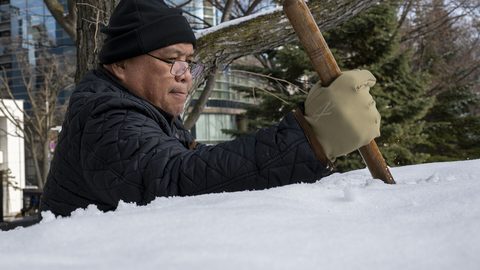
The Sapporo Snow Festival draws two million visitors over seven days in early February, with Odori Park's building-sized sculptures requiring hotels booked by September and a strategy for the crowds.
Sapporo Snow Festival
The Sapporo Snow Festival draws two million visitors over seven days in early February, with Odori Park's building-sized sculptures requiring hotels booked by September and a strategy for the crowds.
-
 Sapporo Beer Museum
The Sapporo Beer Museum offers free entry to a red-brick maltings and a paid tasting flight of unpasteurized beer available nowhere else, with Genghis Khan lamb barbecue at the Beer Garden next door.
Sapporo Beer Museum
The Sapporo Beer Museum offers free entry to a red-brick maltings and a paid tasting flight of unpasteurized beer available nowhere else, with Genghis Khan lamb barbecue at the Beer Garden next door.
-
 Mount Moiwa
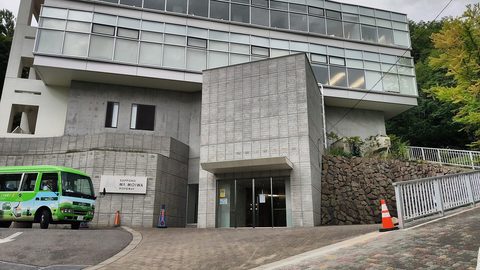
 delivers Sapporo's best night panorama via a ropeway and funicular to a summit observation deck, with the city grid stretching toward Ishikari Bay and a lovers' padlock terrace at the top.
Mount Moiwa
Mount Moiwa delivers Sapporo's best night panorama via a ropeway and funicular to a summit observation deck, with the city grid stretching toward Ishikari Bay and a lovers' padlock terrace at the top.