Sapporo Things to Do Ranked for a Young City Built on Food, Beer and Weather
Sapporo things to do are less about ancient temples and more about beer, ramen, snow sculptures, and a sculptural park by Isamu Noguchi—ranked by what earns your limited days.
Sapporo Things to Do That Are Worth Your Days in a Young Food City
Sapporo has no thousand year temples, no geisha quarter, no castle that survived the war. What it has is snow that lasts half the year, a beer culture that rewrote Japanese drinking habits, and seafood markets that make you reconsider breakfast. The attractions worth your time connect to those real strengths. The famous landmarks you can photograph from the sidewalk and skip are listed too.
Sapporo Attractions Guide: How to Spend Your Three Days
Give the city three full days. Use day one for central landmarks, the markets, and the food crawl. Day two belongs to the beer museum and an evening in Susukino. Day three goes to a day trip or a mountain activity. Sapporo is spread out with wide streets and an easy grid, but visitors underestimate transit time between spots. The subway stops around midnight, and taxis become scarce during snowstorms. Plan the geography before you plan the itinerary.

What to Do in Sapporo: Ranked by How They Use the City’s Strengths
Sapporo Beer Museum And Genghis Khan Hall: Worth A Full Afternoon
Admission to the museum is free. Tasting sets run from roughly 600 to 1,000 yen. Opening hours are 11:00 to 20:00, last entry 19:30, and it is closed Mondays or Tuesday if Monday is a public holiday. This is the birthplace of Japanese beer, and the only place you can drink fresh unpasteurized draft Sapporo Beer. Attach the all you can eat and drink Genghis Khan course at the adjacent Sapporo Beer Garden. The price range runs 3,600 to 5,500 yen per person depending on the course and time limit, typically 90 to 120 minutes. Book the beer garden in advance, especially on weekends.
Nijo Market: Worth 90 Minutes, Arrive By 08:00
About 50 stalls operate from 07:00 to 18:00, but individual shop hours vary. Come for kaisendon, the raw seafood bowl heavy on Hokkaido sea urchin and crab. This market is less touristy than Otaru. Cash is still required at many stalls. Bring it.
Moerenuma Park: Worth A Half Day, Requires A Bus
Isamu Noguchi designed this 188.8 hectare sculptural park. It is 30 to 40 minutes by bus from central Sapporo. Rent a bike once you arrive. The geometry changes with the snow cover, making it one of the few outdoor spaces in the city that justifies the transit time. The design was completed in 1988, construction finished in 2005.
Mount Moiwa Ropeway: Worth The Evening, Not The Day
The lower station sits at 531 meters elevation, and the summit also sits at 531 meters. The round trip adult fare is roughly 2,100 yen. This is one of Japan's three major night views alongside Nagasaki and Kobe. Go after dark, skip the daytime trip. The lovers padlock terrace is there if you want it.
Odori Park And Sapporo TV Tower: Worth A Walk, Not A Destination
Odori Park runs 1.5 kilometers east to west across 13 blocks. During the Snow Festival in early February it becomes the main site, drawing over 2 million visitors. Outside festival weeks, it is a green spine for walking. The TV Tower is 147.2 meters tall. The observation deck costs 1,000 yen adult admission, open 09:00 to 22:00 with last entry at 21:50. The view is fine. You do not need to go up if you have already seen the city from Mount Moiwa.
Former Hokkaido Government Office: Free And Worth 30 Minutes
American Neo Baroque architecture, completed in 1888. The building was closed for renovation from 2019 through 2025 and has since reopened. Admission is free. Walk through the red brick exterior, step inside, keep moving.
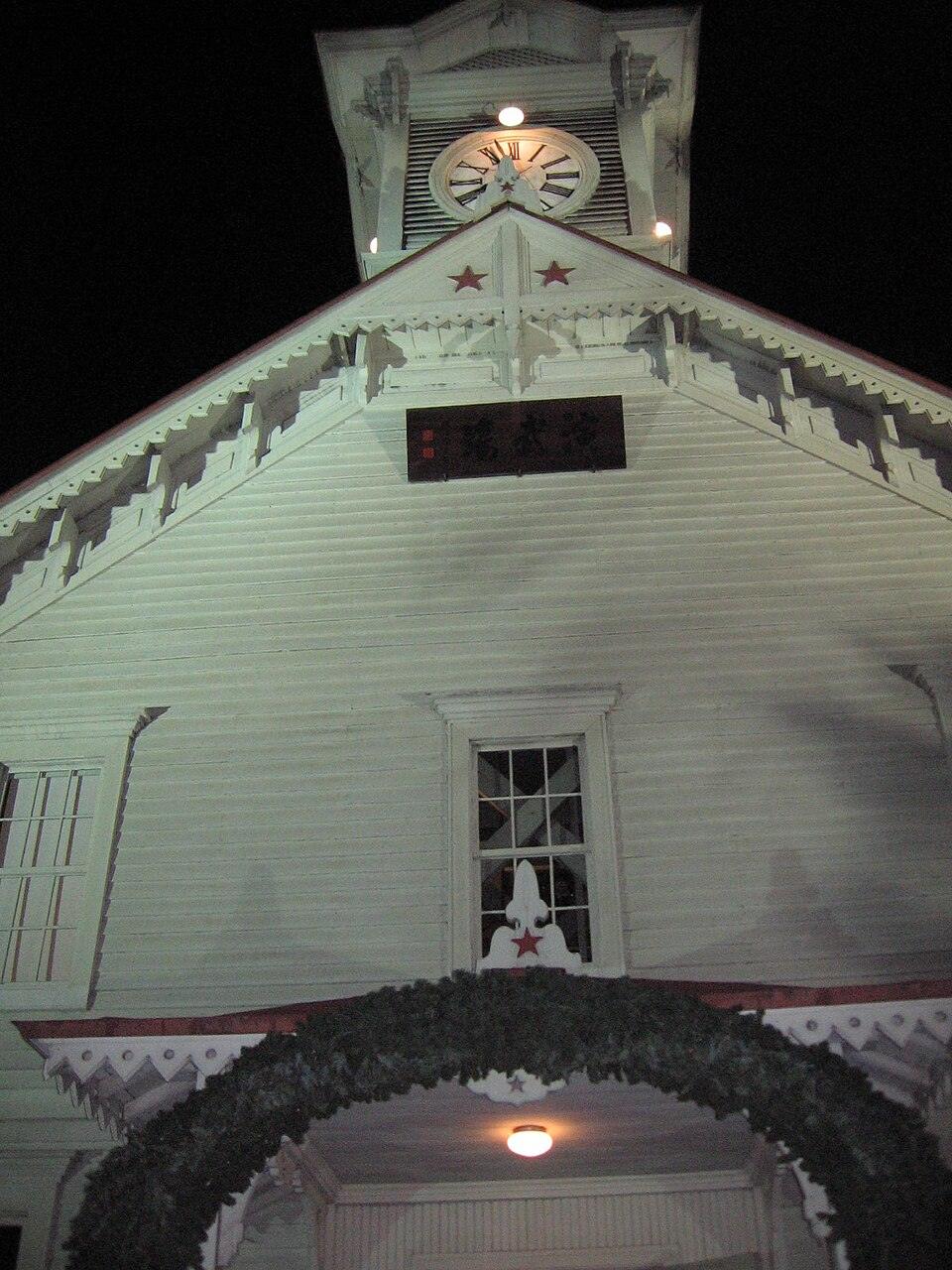
Sapporo Clock Tower: Photo Stop Only
Completed in 1878. Admission costs 200 yen adult. The interior has two floors of local history displays. Locals frequently rank this among Japan's most disappointing tourist attractions because the small wooden building is dwarfed by the modern structures around it. Photograph it from the sidewalk. Do not go inside.
Sapporo Sightseeing Ranking: Which Attractions Justify the Time
Worth Your Full Morning Or Afternoon
Sapporo Beer Museum plus Genghis Khan Hall. Moerenuma Park. Nijo Market for breakfast. Jozankei onsen, the riverside hot spring village 45 minutes from the center, especially during autumn leaves.
Worth One To Two Hours
Mount Moiwa Ropeway at night. Shiroi Koibito Park, the chocolate factory theme park, admission 800 yen adult, factory tour included. Book the factory tour in advance. Hokkaido Shrine, founded 1869, enshrined 1871, located in Maruyama Park. It is a cherry blossom hotspot and a forested Shinto shrine. Sapporo Art Park has 74 outdoor sculptures, the outdoor area is free, the indoor museum costs 700 yen adult, and it is 40 minutes by bus from Sapporo Station. The Historical Village of Hokkaido has 52 historic structures, admission 800 yen adult, 30 minutes by train from Sapporo Station.
Worth A Photo Stop, Not A Queue
Sapporo Clock Tower. Sapporo TV Tower exterior. The Sapporo Dome, capacity 38,794 for football and 53,845 for baseball, 15 minutes by subway from Sapporo Station.
Skip the Sapporo Central Wholesale Market unless you can arrive by 06:00 and have booked the tuna auction tour in advance. Skip the Sapporo Olympic Museum unless you specifically want the ski jump simulator.
.JPG)
Sapporo Winter Activities: What Works and What Fails
Sapporo is snowbound for nearly five months. Sidewalk ice from December to March is treacherous, and black ice forms daily. The underground walkways connecting Sapporo Station to Susukino form a disorienting 2 kilometer maze that takes days to navigate efficiently. Snow removal creates massive roadside snowbanks that block visibility and narrow walking paths to single file.
The Snow Festival is the obvious winter activity, but the crush of visitors makes casual exploration difficult. Better winter options include visiting Jozankei onsen, the hot spring village within city limits, or taking a day trip to Niseko for world famous powder skiing, 2.5 hours by bus. The Sapporo Olympic Museum has a ski jump simulator if you want a dry land option. The Sapporo Autumn Fest runs mid September to early October for three weeks at Odori Park blocks 4 through 11, offering a less crowded seasonal experience.
What Goes Wrong on a Sapporo Trip
The most common mistake is assuming the Snow Festival is the only time to visit and booking a one night stay. Accommodation sells out, you spend more time in transit queues than at the sculptures, and you miss the city's excellent food scene entirely. The second common mistake is underestimating how spread out the attractions are. The Beer Museum is not near the park. Moerenuma Park is not near the market. Mount Moiwa is not near anything else. The third mistake is assuming the subway runs 24 hours. It stops around midnight, and taxis become scarce and expensive during snowstorms. Underground walkways connect Sapporo Station to Susukino, but they are a disorienting 2 kilometer maze. Cash is still required at many ramen shops and Nijo Market stalls. Bring it before you leave the airport.
Sapporo suits winter sports enthusiasts who want city comforts near world class powder. It suits food focused travelers obsessed with seafood, ramen, and dairy. It suits festival chasers targeting the Snow Festival. It suits urban explorers who prefer walkable, less dense Japanese cities. It suits beer and whisky lovers. It does not suit travelers seeking traditional Kyoto style temples and geisha culture. It does not suit nightlife seekers wanting a dense, Tokyo style club district. It does not suit those who dislike cold, because the city is snowbound for nearly five months.
Common Questions
Is the Sapporo Snow Festival worth the crowds?
Yes, but only if you book accommodation six months ahead and stay at least two nights. A one night stay means you spend more time in transit queues than at the sculptures. Hotel rates triple, availability vanishes months ahead. The main site is Odori Park, with additional sites at Susukino and Tsudome. The festival was first held in 1950 and runs for seven days in early February. Avoid weekend dates if possible.
How much time do I need at the Sapporo Beer Museum?
Budget 90 minutes for the museum and tasting. Add another 90 minutes if you do the Genghis Khan all you can eat course at the adjacent beer garden. The museum is free. Tasting sets run 600 to 1,000 yen. Last entry is 19:30, closed Mondays.
Is the Clock Tower really that disappointing?
Yes. The wooden structure from 1878 is surrounded by modern buildings that make it look small. The interior has two floors of local history displays. Admission is 200 yen. Locals rank it among Japan's most disappointing attractions. Photograph it from outside and move on.
Can I walk between all the central attractions?
Odori Park, the TV Tower, the Clock Tower, and the Former Government Office are walkable from each other. The Beer Museum, Moerenuma Park, and Mount Moiwa all require transit. The subway stops around midnight. Black ice from December to March makes walking treacherous. Locals wear slip on cleats. Google Maps underestimates winter walking time by 30 percent.
When is the worst time to visit Sapporo?
November is a grey, slushy no man's land between autumn leaves and proper ski snow. Golden Week in late April to early May brings domestic travel crush and inflated rates. February weekends during the Snow Festival are crushing unless booked six months ahead.
What should I eat and where?
Soup curry at Suage or Garaku. Miso ramen at Ramen Alley in Susukino, which has 17 shops. Kaisendon at Nijo Market. Genghis Khan grilled lamb at the Sapporo Beer Garden. Zangi, the double battered fried chicken. Ishikari nabe, the salmon miso hot pot. Fresh unpasteurized draft beer only at the Beer Museum. Soft serve from Hokkaido milk is sold everywhere, even in winter.
How do I get from the airport to the city?
The JR Rapid Airport train takes 37 minutes and costs 1,150 yen. Buses take 70 minutes and cost 1,300 yen. Taxis take 60 minutes and cost roughly 13,000 to 15,000 yen. The train is the best option.
Read next
-
 Sapporo Hotels by District for Snow Festival and Summer Beer Garden Stays
Sapporo hotels book out months ahead for the February Snow Festival and summer beer garden season, with district choice determining whether you walk to the sculptures or ride the subway from Jozankei.
Sapporo Hotels by District for Snow Festival and Summer Beer Garden Stays
Sapporo hotels book out months ahead for the February Snow Festival and summer beer garden season, with district choice determining whether you walk to the sculptures or ride the subway from Jozankei.
-
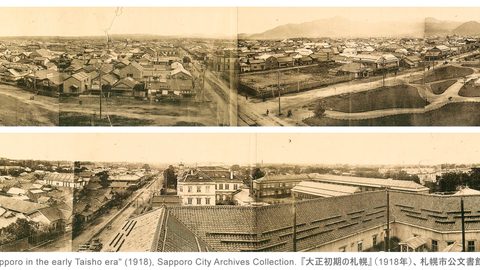 Where to Stay in Sapporo and Why the Underground Walkway Decides It
Choosing where to stay in Sapporo comes down to the heated underground walkway network, which makes winter distances deceptive and some neighbourhoods far more practical than they look on a map.
Where to Stay in Sapporo and Why the Underground Walkway Decides It
Choosing where to stay in Sapporo comes down to the heated underground walkway network, which makes winter distances deceptive and some neighbourhoods far more practical than they look on a map.
-
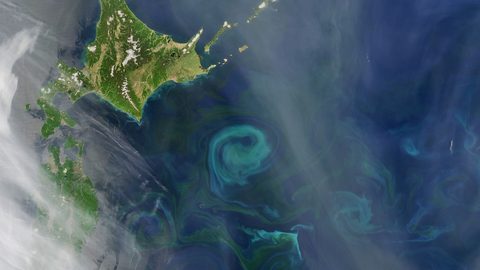 Sapporo Flights and the 37-Minute Train From New Chitose Airport
Flights to Sapporo land at New Chitose Airport, and the JR Rapid train covers the distance to Sapporo Station in 37 minutes for ¥1,150, though winter weather can make the bus the safer choice.
Sapporo Flights and the 37-Minute Train From New Chitose Airport
Flights to Sapporo land at New Chitose Airport, and the JR Rapid train covers the distance to Sapporo Station in 37 minutes for ¥1,150, though winter weather can make the bus the safer choice.
-
 Best Time to Visit Sapporo When Five Metres of Snow Is the Real Calendar
The best time to visit Sapporo depends on whether you want five metres of snow and the Snow Festival crush or Japan's mildest summer with rooftop beer gardens.
Best Time to Visit Sapporo When Five Metres of Snow Is the Real Calendar
The best time to visit Sapporo depends on whether you want five metres of snow and the Snow Festival crush or Japan's mildest summer with rooftop beer gardens.
-
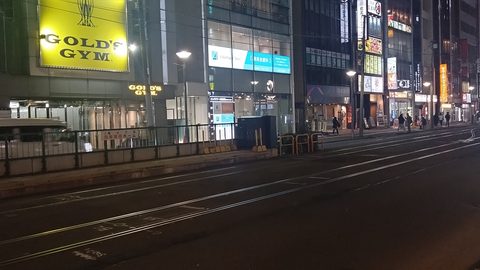 Getting Around Sapporo Starts With Understanding North 3 West 2
Getting around Sapporo becomes trivially easy once you understand that North 3 West 2 is a map coordinate on a numbered grid, not a street name to memorise.
Getting Around Sapporo Starts With Understanding North 3 West 2
Getting around Sapporo becomes trivially easy once you understand that North 3 West 2 is a map coordinate on a numbered grid, not a street name to memorise.
-
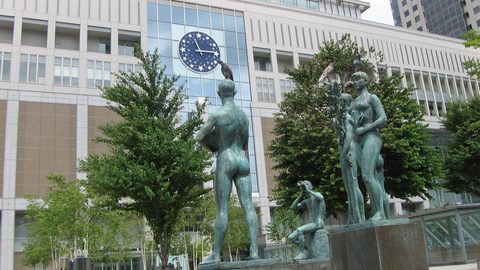 Sapporo Itinerary for Three Days With a Winter and a Summer Version
A three-day Sapporo itinerary needs two versions: the winter route built around snow and underground walkways, and the summer route of beer gardens and bike rides.
Sapporo Itinerary for Three Days With a Winter and a Summer Version
A three-day Sapporo itinerary needs two versions: the winter route built around snow and underground walkways, and the summer route of beer gardens and bike rides.
-
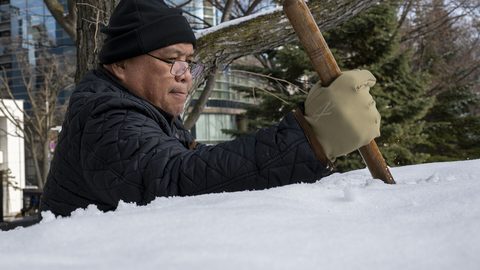 Sapporo Snow Festival
The Sapporo Snow Festival draws two million visitors over seven days in early February, with Odori Park's building-sized sculptures requiring hotels booked by September and a strategy for the crowds.
Sapporo Snow Festival
The Sapporo Snow Festival draws two million visitors over seven days in early February, with Odori Park's building-sized sculptures requiring hotels booked by September and a strategy for the crowds.
-
 Sapporo Beer Museum
The Sapporo Beer Museum offers free entry to a red-brick maltings and a paid tasting flight of unpasteurized beer available nowhere else, with Genghis Khan lamb barbecue at the Beer Garden next door.
Sapporo Beer Museum
The Sapporo Beer Museum offers free entry to a red-brick maltings and a paid tasting flight of unpasteurized beer available nowhere else, with Genghis Khan lamb barbecue at the Beer Garden next door.
-
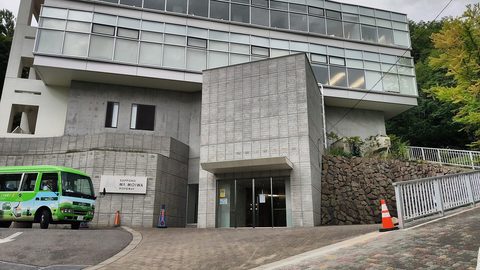 Mount Moiwa
 delivers Sapporo's best night panorama via a ropeway and funicular to a summit observation deck, with the city grid stretching toward Ishikari Bay and a lovers' padlock terrace at the top.
Mount Moiwa
Mount Moiwa delivers Sapporo's best night panorama via a ropeway and funicular to a summit observation deck, with the city grid stretching toward Ishikari Bay and a lovers' padlock terrace at the top.