Getting Around Sapporo by Understanding the Numbered Grid Address System
Getting around Sapporo becomes trivially easy once you understand that North 3 West 2 is a map coordinate on a numbered grid, not a street name to memorise.
Getting Around Sapporo by Understanding the Numbered Grid Address System
North 3 West 2 is not a poetic street name. It is a grid coordinate, and once you read it as one, getting around Sapporo becomes trivial. Every address in the city works the same way: a direction, a number, another direction, another number. The origin point is the Sapporo TV Tower at Odori Park. Streets running north-south are numbered from Odori. Streets running east-west are numbered from the Sosei River. One block is roughly 100 by 100 metres. If you know where the TV Tower is and you know the number of your destination, you can walk there without looking at a phone. Rely on that. Google Maps works here, but on a February afternoon with the temperature at -3.6 degrees Celsius and a phone battery dropping fast, knowing the grid keeps you moving.
Sapporo Subway Guide
Sapporo has three subway lines: the Namboku Line (green), the Tozai Line (orange), and the Toho Line (sky blue). The Namboku Line runs 16 stops from Asabu in the north to Makomanai in the south, passing through Sapporo Station and Odori Station. The Tozai Line runs 19 stops from Miyanosawa to Shin Sapporo, crossing under Odori Park. The Toho Line runs 14 stops from Sakaemachi to Fukuzumi, serving the Susukino district and the eastern side of the city. The base fare is 210 yen. The maximum fare is 390 yen. The subway operates from roughly 06:00 to 00:00. It does not run 24 hours. Missing the last train is the single most common mistake visitors make, and the consequences in winter are severe: taxis become scarce and expensive during snowstorms, and a 20 percent late night surcharge applies from 22:00 to 05:00.
The One Day Card and the Donichika Ticket
If you plan three or more rides in a day, buy the subway One Day Card for 830 yen (prices set by the Sapporo City Transportation Bureau and revised annually; check on arrival for the rate in force). It gives unlimited rides on all three lines for one calendar day. For weekend and holiday visits, the Donichika Ticket costs 520 yen and is valid on Saturdays, Sundays, national holidays, and the year end and New Year period from December 29 to January 3. You can only buy Donichika tickets on those days, at subway station ticket machines. Do not buy either pass if you are only taking two trips. Pay as you go with an IC card instead.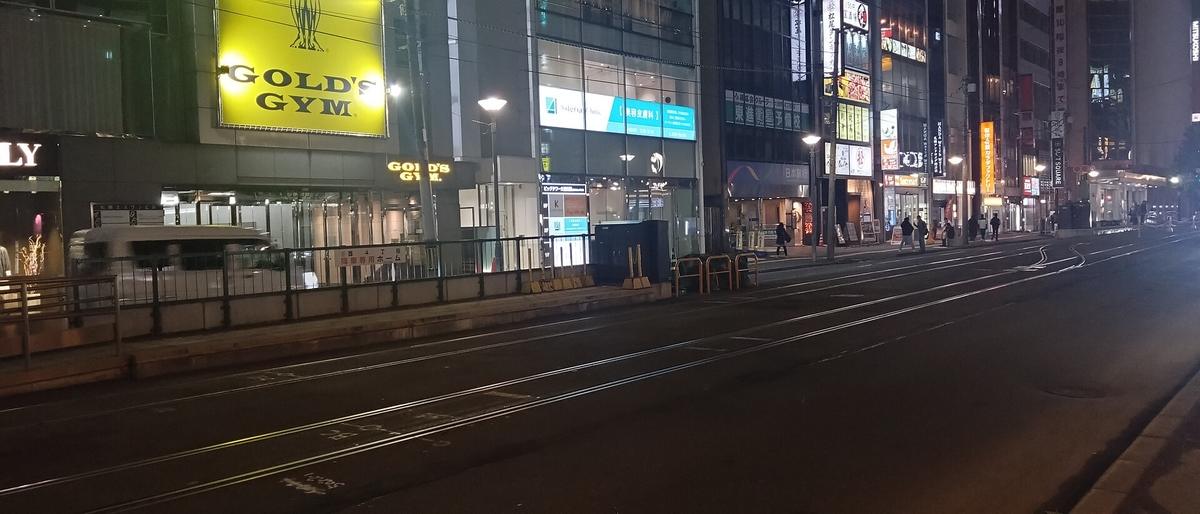

Sapporo Transport Tips
Three lines cover the major districts. The Namboku Line gets you to Makomanai for the ski jump and indoor ice rink, and to Nakajima Park for the concert hall and literary museum. The Tozai Line serves Maruyama for Hokkaido Shrine and Kotoni for its local izakaya. The Toho Line connects the Susukino area to the eastern suburbs. If you are heading to that nightlife district from Sapporo Station, the Toho Line is one stop. If you are heading to Odori, the Namboku Line is one stop. Walking is faster than waiting for a train on a one stop journey, but only in dry weather. In winter, budget 30 percent more time than Google Maps estimates for any walk. Sidewalks are compacted snow and ice from December through March, polished slick by foot traffic. Locals wear slip on crampons. You should too.
When the Subway Stops
Last trains leave central stations around midnight. After that, the streetcar (Sapporo Shiden) runs until roughly 23:30 on its 8.9 kilometre loop line, serving the Susukino area and the western neighbourhoods. The streetcar flat fare is 200 yen. A one day pass costs 380 yen. If you miss both, your options are a taxi or walking. A taxi costs 670 yen for the first 1.2 kilometres and 80 yen per additional 300 metres. In a snowstorm, taxis are hard to find and the walk from the Susukino district to Sapporo Station takes 30 minutes on ice. Plan your evening so you are on the last train.Sapporo Grid Address System
Every address in Sapporo follows one pattern: direction, number, direction, number. Read it as a coordinate. North 3 West 2 means three blocks north of Odori and two blocks west of the Sosei River. South 1 East 4 means one block south of Odori and four blocks east of the river. The TV Tower at Odori 1 chome is the origin. You do not need to memorise street names. You need to know the intersection naming order: north south coordinate first, east west coordinate second. If you are at Sapporo Station (which sits roughly at North 4 West 4) and you need to reach the Sapporo Beer Museum (North 7 East 7), you walk north three blocks and east three blocks. That is 300 metres north and 300 metres east, a 12 minute walk in dry weather and a 16 minute walk on ice. No map required.
| Line | Color | Stations | Route |
|---|---|---|---|
| Namboku Line | Green | 16 | Asabu to Makomanai |
| Tozai Line | Orange | 19 | Miyanosawa to Shin Sapporo |
| Toho Line | Sky blue | 14 | Sakaemachi to Fukuzumi |
Sapporo IC Card
Sapporo's local IC card is called SAPICA. You buy it at subway station ticket machines for a refundable 500 yen deposit and top it up in 1,000 yen increments up to 20,000 yen. The real advantage of SAPICA is that it works on the subway, the streetcar, buses operated by Hokkaido Chuo Bus, JR Hokkaido Bus, and Jotetsu Bus, and JR lines. If you already have a Suica or Pasmo from Tokyo, or an ICOCA from Osaka, those cards work here too. So do TOICA, manaca, PiTaPa, nimoca, and Hayakaken. Do not buy SAPICA if you already carry one of those cards. Do buy a Kitaca card if you arrive from another Hokkaido city and plan to use JR lines. Kitaca is Hokkaido's JR IC card and is interchangeable with the rest of the national system. If you use cash on buses, carry exact change. Bus drivers do not give change.
The Underground Walkway is a Separate Navigation Skill
Sapporo has 1.5 kilometres of connected underground walkways running from Sapporo Station through Odori Station to the Susukino district. The section from Sapporo Station to Odori is called Chi Ka Ho and is 1.2 kilometres long. The section from Odori to that entertainment area is called Aurora Town and is about 300 metres long. These walkways keep you out of the snow and cold, but they are disorienting. Chi Ka Ho is open from 06:00 to 00:00. Aurora Town follows shopping area hours, roughly 10:00 to 20:00, though the passageway is accessible for wider hours. The walk from Sapporo Station to the Susukino area entirely underground takes about 15 minutes. The problem is finding the right exit. The underground network is a maze of department store entrances, food courts, and intersecting corridors. Do not rely on surface level landmarks. Use the numbered street exits, which correspond to the grid above. If you surface at exit North 3 West 2, you will be exactly at that coordinate.
.JPG)
Winter Walking Time is Not What Google Maps Says
Sapporo receives 173 centimetres of snow in January alone. The mean temperature in January is -3.6 degrees Celsius. Sidewalks stay snow covered from December through March. Compacted snow becomes polished ice. Google Maps estimates walking time for dry pavement. On Sapporo's winter sidewalks, add 30 percent. A 10 minute walk becomes 13 minutes. A 20 minute walk becomes 26 minutes. If you are crossing an intersection, add another 2 minutes for slow foot traffic, snowbanks blocking visibility, and single file passage where snow plows have narrowed the path. Do not plan tight connections. If your dinner reservation is at 19:00 and Google Maps says the walk is 15 minutes, leave at 18:30. Do not wear flat soled shoes. Do not wear leather soled boots. Non slip soles with deep treads are the minimum. Slip on ice grips, sold at every drugstore in Sapporo, cost less than 1,000 yen and will keep you vertical.
Getting to Otaru and the Airport
The JR Rapid Airport train runs from New Chitose Airport to Sapporo Station in 37 minutes and costs 1,150 yen one way. The bus takes 70 minutes and costs 1,300 yen. A taxi costs roughly 13,000 to 15,000 yen and takes 60 minutes. If you are heading to Otaru, take the JR Hakodate Main Line. The rapid service takes 30 minutes. The local service takes 45 minutes. The one way fare is 750 yen. Both Otaru and the airport are covered by the same IC cards: Kitaca, Suica, Pasmo, and the others. Do not buy a separate ticket. Tap your card at the gate.
The Thing That Most Often Goes Wrong
Visitors assume the subway runs all night. It does not. The last trains leave central stations around midnight. Taxis become scarce and expensive during snowstorms. If you are out in the Susukino district at 01:00 in February, you will wait 30 to 45 minutes for a taxi that costs double the daytime rate. The streetcar stops at 23:30. Your only option is a cold 30 minute walk on ice. Check the last train times for your station before you go out for dinner, not after. Sapporo is an easy city to navigate when you understand the grid. It punishes the unprepared at night in winter. That is the one thing you need to get right.
Common Questions
How do I read a Sapporo address like North 3 West 2?
North 3 West 2 means three blocks north of Odori Park and two blocks west of the Sosei River. The north south coordinate comes first, then the east west coordinate. The origin point is the Sapporo TV Tower at Odori 1 chome. One block is roughly 100 by 100 metres.
What happens if I miss the last subway in Sapporo?
The subway stops around midnight. The streetcar runs until roughly 23:30. After that, your options are a taxi or walking. A taxi base fare is 670 yen for the first 1.2 kilometres, with a 20 percent surcharge between 22:00 and 05:00. During snowstorms, taxis are scarce and expensive.
Can I use my Suica or Pasmo card in Sapporo?
Yes. Suica, Pasmo, ICOCA, TOICA, manaca, PiTaPa, nimoca, and Hayakaken all work on the subway, streetcar, buses, and JR lines in Sapporo. The local card is SAPICA, but you do not need it if you already carry one of the national IC cards.
How long does it take to walk from Sapporo Station to Susukino underground?
About 15 minutes through the Chi Ka Ho and Aurora Town walkways. Chi Ka Ho is open 06:00 to 00:00. Aurora Town follows shopping hours but the passageway is accessible wider hours. Use the numbered street exits to orient yourself to the grid above.
Is the subway One Day Card worth buying?
Yes if you plan three or more subway rides in a single day. It costs 830 yen. For weekend or holiday travel, the Donichika Ticket costs 520 yen. Both prices are set by the Sapporo City Transportation Bureau and are revised annually. Check the rate in force on arrival.
Read next
-
 Sapporo Hotels by District for Snow Festival and Summer Beer Garden Stays
Sapporo hotels book out months ahead for the February Snow Festival and summer beer garden season, with district choice determining whether you walk to the sculptures or ride the subway from Jozankei.
Sapporo Hotels by District for Snow Festival and Summer Beer Garden Stays
Sapporo hotels book out months ahead for the February Snow Festival and summer beer garden season, with district choice determining whether you walk to the sculptures or ride the subway from Jozankei.
-
 Where to Stay in Sapporo and Why the Underground Walkway Decides It
Choosing where to stay in Sapporo comes down to the heated underground walkway network, which makes winter distances deceptive and some neighbourhoods far more practical than they look on a map.
Where to Stay in Sapporo and Why the Underground Walkway Decides It
Choosing where to stay in Sapporo comes down to the heated underground walkway network, which makes winter distances deceptive and some neighbourhoods far more practical than they look on a map.
-
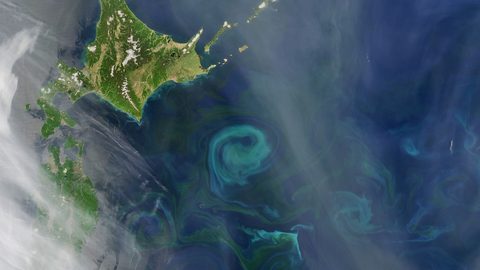 Sapporo Flights and the 37-Minute Train From New Chitose Airport
Flights to Sapporo land at New Chitose Airport, and the JR Rapid train covers the distance to Sapporo Station in 37 minutes for ¥1,150, though winter weather can make the bus the safer choice.
Sapporo Flights and the 37-Minute Train From New Chitose Airport
Flights to Sapporo land at New Chitose Airport, and the JR Rapid train covers the distance to Sapporo Station in 37 minutes for ¥1,150, though winter weather can make the bus the safer choice.
-
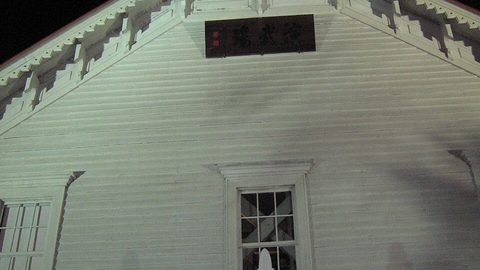 Sapporo Things to Do That Are Worth Your Days in a Young Food City
Sapporo things to do are less about ancient temples and more about beer, ramen, snow sculptures, and a sculptural park by Isamu Noguchi—ranked by what earns your limited days.
Sapporo Things to Do That Are Worth Your Days in a Young Food City
Sapporo things to do are less about ancient temples and more about beer, ramen, snow sculptures, and a sculptural park by Isamu Noguchi—ranked by what earns your limited days.
-
 Best Time to Visit Sapporo When Five Metres of Snow Is the Real Calendar
The best time to visit Sapporo depends on whether you want five metres of snow and the Snow Festival crush or Japan's mildest summer with rooftop beer gardens.
Best Time to Visit Sapporo When Five Metres of Snow Is the Real Calendar
The best time to visit Sapporo depends on whether you want five metres of snow and the Snow Festival crush or Japan's mildest summer with rooftop beer gardens.
-
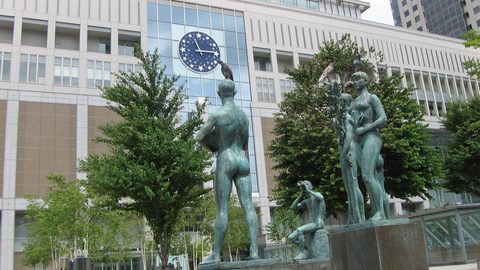 Sapporo Itinerary for Three Days With a Winter and a Summer Version
A three-day Sapporo itinerary needs two versions: the winter route built around snow and underground walkways, and the summer route of beer gardens and bike rides.
Sapporo Itinerary for Three Days With a Winter and a Summer Version
A three-day Sapporo itinerary needs two versions: the winter route built around snow and underground walkways, and the summer route of beer gardens and bike rides.
-
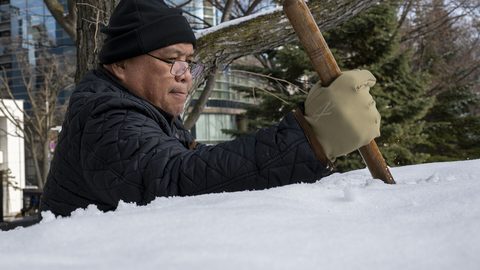 Sapporo Snow Festival
The Sapporo Snow Festival draws two million visitors over seven days in early February, with Odori Park's building-sized sculptures requiring hotels booked by September and a strategy for the crowds.
Sapporo Snow Festival
The Sapporo Snow Festival draws two million visitors over seven days in early February, with Odori Park's building-sized sculptures requiring hotels booked by September and a strategy for the crowds.
-
 Sapporo Beer Museum
The Sapporo Beer Museum offers free entry to a red-brick maltings and a paid tasting flight of unpasteurized beer available nowhere else, with Genghis Khan lamb barbecue at the Beer Garden next door.
Sapporo Beer Museum
The Sapporo Beer Museum offers free entry to a red-brick maltings and a paid tasting flight of unpasteurized beer available nowhere else, with Genghis Khan lamb barbecue at the Beer Garden next door.
-
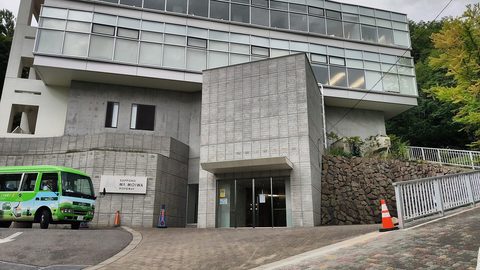 Mount Moiwa
 delivers Sapporo's best night panorama via a ropeway and funicular to a summit observation deck, with the city grid stretching toward Ishikari Bay and a lovers' padlock terrace at the top.
Mount Moiwa
Mount Moiwa delivers Sapporo's best night panorama via a ropeway and funicular to a summit observation deck, with the city grid stretching toward Ishikari Bay and a lovers' padlock terrace at the top.