Where to Stay in Sapporo Based on the Winter Underground Walkway Network
Choosing where to stay in Sapporo comes down to the heated underground walkway network, which makes winter distances deceptive and some neighbourhoods far more practical than they look on a map.
Where to Stay in Sapporo and Why the Underground Walkway Decides it
Most people pick a Sapporo hotel by glancing at a map and choosing something central. That method fails from December through March. Distance on a ground map does not measure winter accessibility. What matters is whether your hotel has a direct entrance to the Chi-Ka-Ho underground walkway, the 1.2 kilometre heated labyrinth that connects Sapporo Station to Susukino via Odori. The sidewalks above freeze into black ice for five months. Snowbanks narrow walking paths to single file. Taxis disappear during storms. The question of where to stay in Sapporo is really a question of which hotel entrance you step out of every morning, and whether that entrance leads you into the heated network or onto an ice sheet.
How the Grid Works and Why it Matters in Winter
Sapporo uses a numbered grid system. Avenues run north south, streets east west. An address like Minami 3-jo Nishi 4-chome tells you exactly which block you are in. Minami means south of Odori Park. Kita means north. The numbers climb as you move away from the park. You can locate any hotel in under thirty seconds using this system, but knowing the coordinates does not tell you whether you can reach breakfast without slipping. The grid is useful for navigation above ground. It is irrelevant for the question of winter practicality. What matters is which subway line runs under which avenue and where the walkway entrances surface.

Sapporo Station Area: the Winter Transit Hub
Direct Underground Access
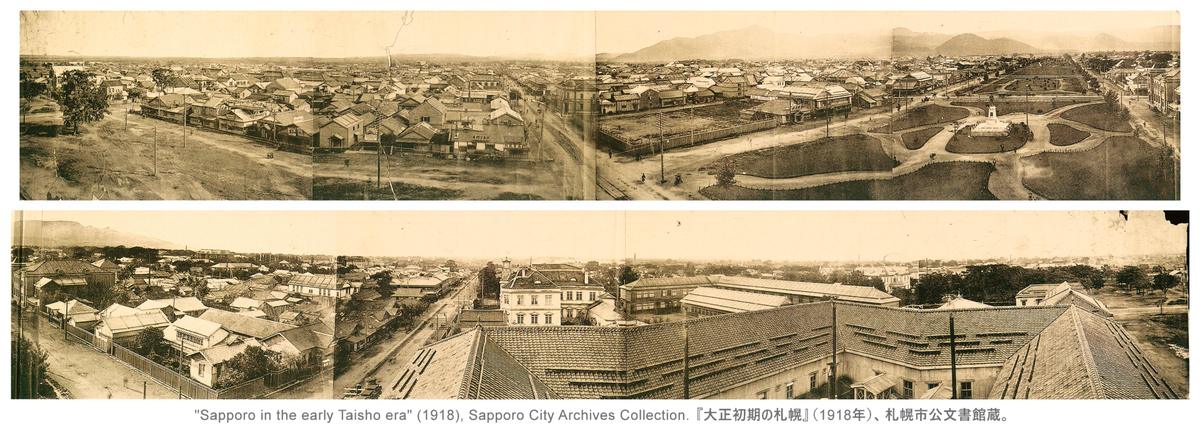
The Sapporo Station area sits north of Odori Park, with Kita 8-jo as its northern boundary. JR Sapporo Station is the arrival point for the airport express train, which reaches New Chitose Airport in 37 minutes for ¥1,150. A hotel within a five minute walk of the station gives you direct underground access to the Chi-Ka-Ho walkway and to the Namboku subway line that runs one stop to Odori and two stops to Susukino. This is the practical choice for winter arrivals who come by train, plan day trips, or do not want to wait for taxis that may not come during a snowfall.
The Tradeoff
The downside is that the station area is a transit and shopping zone, not a neighbourhood with character. The underground shopping labyrinths contain department stores and chain restaurants. You will walk five to ten minutes underground to reach the lively parts of the city. The station area suits first time visitors and winter guests who prioritise connectivity over atmosphere. The tradeoff is that your evenings will involve a longer underground walk to dinner than if you stayed in Susukino.
Odori: Festival Ground Zero and Central Compromise
Odori Park runs east west from Nishi 1-chome to Nishi 12-chome. During the Sapporo Snow Festival in February, this 1.5 kilometre strip is the main site for the large snow sculptures. Hotels near Odori sit between the station and Susukino, giving you a shorter walk in either direction. The Odori area has roughly 10 to 15 hotels within a five minute walk of the park. The Namboku Line subway connects Odori Station to Sapporo Station in one minute and to Susukino Station in one minute. You are on the Chi-Ka-Ho route and can move between the three core districts without going above ground. The tradeoff is that Odori itself is a park, not a dining or entertainment district. You will travel the underground walkway to eat or drink. For festival goers, this is the best neighbourhood because you step out of your hotel into the event. For anyone else, it is a compromise that works but does not excel at anything.
Susukino: the Dining and Late Night District
The Food Core
Susukino is the neon lit entertainment core from Minami 3-jo to Minami 7-jo, Nishi 2-chome to Nishi 6-chome. The district contains approximately 4,500 restaurants, bars and venues. The food density here is the highest in the city. Ramen Alley, soup curry shops, and Genghis Khan grills cluster within a few blocks. The Chi-Ka-Ho walkway reaches Susukino Station, so a hotel with an entrance to the underground network keeps you connected to Odori and Sapporo Station. The Namboku Line runs from Susukino to Odori in one minute and to Sapporo Station in two minutes. Susukino has roughly 20 to 25 hotels within a five minute walk.
Choosing Your Side
The downside is that the west side of the district, particularly Nishi 5-chome and Nishi 6-chome south of Minami 4-jo, contains adult entertainment venues and touts. A hotel in this zone can feel seedy. The practical choice is a hotel on the east side of the district near the subway station or on the north side closer to Odori. Susukino suits nightlife focused guests and food focused guests who want to step out of their hotel and into a restaurant within thirty seconds. The tradeoff is that the area is loud, bright, and active until early morning. Light sleepers should stay elsewhere.
Nakajima Park: Quiet Still on the Subway Line
Nakajima Park sits south of Susukino from Minami 9-jo to Minami 11-jo, Nishi 4-chome to Nishi 7-chome. At approximately 21 hectares, it is a green pocket with a pond, a concert hall and the Sapporo Literary Museum. Nakajima Koen Station on the Namboku Line keeps you on the Chi-Ka-Ho route, two stops from Odori and three stops from Sapporo Station. The area has roughly 5 to 8 hotels within a five minute walk. This is the right choice for people who want a quiet park side setting, lower density, and still want underground access to the heated walkway. The downside is that you are a subway ride away from the restaurant density of Susukino. You will take the train or walk the Namboku Line corridor to eat. The tradeoff is space and quiet for convenience. Nakajima Park suits those seeking calm who do not mind a short subway ride for dinner.
Maruyama: Residential Calm Without the Network
Maruyama is the upscale residential area west of Nishi 15-chome, centred on Maruyama Park at approximately 68 hectares. Hokkaido Shrine and Maruyama Zoo sit inside the park. The area has fewer than five hotels. Maruyama is not on the Chi-Ka-Ho underground walkway. You will walk above ground or take a bus to reach the subway. In February, with the average high at -0.6°C, the average low at -7.0°C, and 137 centimetres of snowfall for the month, that above ground walk means negotiating ice and snowbanks daily. Maruyama suits repeat visitors who know Sapporo and want residential calm and high end independent restaurants. It does not suit first time visitors arriving in winter. The practical advice is to stay in Maruyama only if you are visiting in summer, when the comfortable 20 to 25°C weather makes walking pleasant and the park is worth the detour.
Kotoni, Shiroishi, and the Outer Districts
Kotoni has local shopping streets and authentic izakaya density with zero tourists. Shiroishi is the working class soul of the city with an offshoot of the Sapporo Ramen Republic. Neither neighbourhood is on the Chi-Ka-Ho network. You will rely on buses or a longer subway ride to reach the central attractions. These districts suit people on a lower nightly rate who plan to spend most of their time eating locally rather than seeing sights. The tradeoff is transit time. You will budget 20 to 30 minutes each way to reach Odori or Susukino. For a three day trip, that lost time adds up. Book these areas only if your priority is budget or local authenticity over winter convenience.

The Underground Walkway Hours and What That Means for Your Evening
The Chi-Ka-Ho underground walkway operates from 06:00 to approximately 00:00. The last train on the Namboku Line runs around midnight. If you are in Susukino past midnight and the walkway has closed, you walk above ground on ice or pay for a scarce taxi. The practical move is to confirm your hotel entrance is on the underground network and to know the closing time. A hotel with a street level entrance in Susukino is still fine for late nights because the district is dense and well lit. The problem arises when you stay in a hotel near Sapporo Station and walk back from Susukino after midnight. You will face the ice without the heated walkway. Budget for a taxi or carry ice cleats if you plan late nights.
Sapporo Accommodation Guide: What a Hotel Near the Subway Gets You
Ranking by Practicality
This accommodation guide ranks by winter practicality, not charm. The Sapporo Station area is the most practical. Your hotel entrance leads to the Chi-Ka-Ho walkway. You reach the airport train without going outside. You have department stores and restaurants in the underground shopping labyrinth. The downside is that you are in a transit zone. Odori is the compromise choice. You are on the underground walkway, you are central, and you have a short walk to the festival site. The downside is that you walk underground to eat.
Food and Quiet Choices
Susukino is the food choice. You are on the underground walkway, you have the highest restaurant density, and you can eat without going above ground. The downside is noise and the west side adult zone. Nakajima Park is the quiet choice on the subway line. The downside is the subway ride to dining. Maruyama and the outer districts are warm weather choices only. The decision is straightforward. If you arrive in winter, pick a hotel with a direct entrance to the Chi-Ka-Ho network in the Sapporo Station, Odori, or Susukino area.
Best Sapporo Neighbourhoods Ranked by Winter Practicality
The best Sapporo neighbourhoods for winter are the three that sit on the Chi-Ka-Ho underground walkway. Sapporo Station area ranks first because it combines airport connectivity with the walkway and the shopping labyrinth. Odori ranks second because it is the shortest walk to both station and Susukino, and because the Snow Festival main site is outside your door. Susukino ranks third because the dining density is unmatched but the noise and adult zone are genuine negatives. Nakajima Park ranks fourth. It is on the subway line and quiet, but you ride the train to eat. Maruyama ranks fifth for winter. It requires above ground travel on ice. Kotoni and Shiroishi rank last for winter practicality. They are fine in summer. This ranking ignores charm deliberately. The question for a winter visitor is not which neighbourhood has the best atmosphere. The question is which one keeps you warm, dry and connected to the heated walkway.
Sapporo Winter Hotel Location: the Two Minute Subway Test
A Sapporo winter hotel location passes the test if you can enter the Chi-Ka-Ho walkway from your hotel lobby and reach the Namboku Line subway without going above ground. The Namboku Line connects Sapporo Station to Odori in one minute and Odori to Susukino in one minute. That is a two minute subway ride from one end of the central zone to the other. Any hotel that requires an above ground walk to reach the subway fails the winter test. You will do that walk in darkness, on ice, at -7.0°C, with snowbanks blocking your view of traffic. The walkable radius shrinks in winter. Google Maps underestimates walking time by 30 percent on icy sidewalks. If a hotel is listed as a 10 minute walk from Sapporo Station, budget 13 to 15 minutes in February. The practical instruction is to filter hotels by underground access. If the listing does not mention a direct connection to the Chi-Ka-Ho or the Sapporo Station underground shopping complex, assume you will walk above ground.
Sapporo Station vs Susukino Stay: Which One Suits Your Trip
The Sapporo Station vs Susukino stay decision depends on your arrival method and your evening plans. Choose Sapporo Station if you arrive by train, plan day trips to Otaru or Niseko, or want to access the airport express without a taxi. The station area suits people who value transit convenience over dining density. Choose Susukino if your primary reason for visiting Sapporo is food and nightlife. The 4,500 establishments in the district mean you eat well without travelling. The tradeoff is that Susukino is louder and grittier. A third option exists. Stay at Odori and split the difference. You are one minute by subway from the station and one minute from Susukino, and your walk is equal in both directions. For first time visitors on a three day trip, Odori is the safer choice. You are not committed to either extreme, and the Chi-Ka-Ho walkway connects you to both without going outside.
Common Questions
Is the Chi-Ka-Ho underground walkway open 24 hours?
No. The walkway operates from approximately 06:00 to 00:00. The precise closing time varies by section and is published by the Sapporo City government. After midnight, you walk above ground or take a taxi.
How many hotels have direct underground access in the Sapporo Station area?
Roughly 15 to 20 hotels sit within a five minute walk of Sapporo Station. Not all have direct lobby connections to the Chi-Ka-Ho. Confirm with the hotel before booking.
Can I reach Susukino from Sapporo Station without going outside?
Yes. The Chi-Ka-Ho walkway connects the two via Odori. The underground route is approximately 1.2 kilometres and takes 15 to 20 minutes at walking pace.
Should I stay near Odori Park during the Snow Festival?
Yes, if you are attending the festival. The main site occupies the full length of Odori Park from Nishi 1-chome to Nishi 12-chome. A hotel near the park puts you steps from the sculptures. The tradeoff is that Odori itself has few restaurants, so you walk underground to eat.
What is the cheapest way to reach a central Sapporo hotel from the airport?
The JR Rapid Airport train to Sapporo Station costs ¥1,150 for an unreserved seat and runs every 12 to 15 minutes during daytime. The ride takes 37 minutes. From the station, use the Chi-Ka-Ho walkway to reach your hotel without going outside.
Read next
-

 Sapporo Hotels by District for Snow Festival and Summer Beer Garden Stays
Sapporo hotels book out months ahead for the February Snow Festival and summer beer garden season, with district choice determining whether you walk to the sculptures or ride the subway from Jozankei.
Sapporo Hotels by District for Snow Festival and Summer Beer Garden Stays
Sapporo hotels book out months ahead for the February Snow Festival and summer beer garden season, with district choice determining whether you walk to the sculptures or ride the subway from Jozankei.
-
 Sapporo Flights and the 37-Minute Train From New Chitose Airport
Flights to Sapporo land at New Chitose Airport, and the JR Rapid train covers the distance to Sapporo Station in 37 minutes for ¥1,150, though winter weather can make the bus the safer choice.
Sapporo Flights and the 37-Minute Train From New Chitose Airport
Flights to Sapporo land at New Chitose Airport, and the JR Rapid train covers the distance to Sapporo Station in 37 minutes for ¥1,150, though winter weather can make the bus the safer choice.
-
 Sapporo Things to Do That Are Worth Your Days in a Young Food City
Sapporo things to do are less about ancient temples and more about beer, ramen, snow sculptures, and a sculptural park by Isamu Noguchi—ranked by what earns your limited days.
Sapporo Things to Do That Are Worth Your Days in a Young Food City
Sapporo things to do are less about ancient temples and more about beer, ramen, snow sculptures, and a sculptural park by Isamu Noguchi—ranked by what earns your limited days.
-
 Best Time to Visit Sapporo When Five Metres of Snow Is the Real Calendar
The best time to visit Sapporo depends on whether you want five metres of snow and the Snow Festival crush or Japan's mildest summer with rooftop beer gardens.
Best Time to Visit Sapporo When Five Metres of Snow Is the Real Calendar
The best time to visit Sapporo depends on whether you want five metres of snow and the Snow Festival crush or Japan's mildest summer with rooftop beer gardens.
-
 Getting Around Sapporo Starts With Understanding North 3 West 2
Getting around Sapporo becomes trivially easy once you understand that North 3 West 2 is a map coordinate on a numbered grid, not a street name to memorise.
Getting Around Sapporo Starts With Understanding North 3 West 2
Getting around Sapporo becomes trivially easy once you understand that North 3 West 2 is a map coordinate on a numbered grid, not a street name to memorise.
-
 Sapporo Itinerary for Three Days With a Winter and a Summer Version
A three-day Sapporo itinerary needs two versions: the winter route built around snow and underground walkways, and the summer route of beer gardens and bike rides.
Sapporo Itinerary for Three Days With a Winter and a Summer Version
A three-day Sapporo itinerary needs two versions: the winter route built around snow and underground walkways, and the summer route of beer gardens and bike rides.
-
 Sapporo Snow Festival
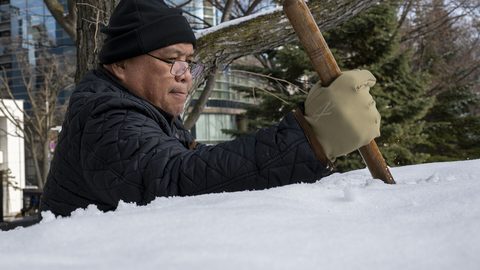
The Sapporo Snow Festival draws two million visitors over seven days in early February, with Odori Park's building-sized sculptures requiring hotels booked by September and a strategy for the crowds.
Sapporo Snow Festival
The Sapporo Snow Festival draws two million visitors over seven days in early February, with Odori Park's building-sized sculptures requiring hotels booked by September and a strategy for the crowds.
-
 Sapporo Beer Museum
The Sapporo Beer Museum offers free entry to a red-brick maltings and a paid tasting flight of unpasteurized beer available nowhere else, with Genghis Khan lamb barbecue at the Beer Garden next door.
Sapporo Beer Museum
The Sapporo Beer Museum offers free entry to a red-brick maltings and a paid tasting flight of unpasteurized beer available nowhere else, with Genghis Khan lamb barbecue at the Beer Garden next door.
-
 Mount Moiwa
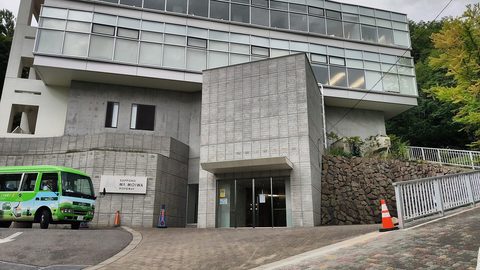
 delivers Sapporo's best night panorama via a ropeway and funicular to a summit observation deck, with the city grid stretching toward Ishikari Bay and a lovers' padlock terrace at the top.
Mount Moiwa
Mount Moiwa delivers Sapporo's best night panorama via a ropeway and funicular to a summit observation deck, with the city grid stretching toward Ishikari Bay and a lovers' padlock terrace at the top.