Sapporo Hotels: Choosing a District for Snow Festival Access and Summer Beer Garden Stays
Sapporo hotels book out months ahead for the February Snow Festival and summer beer garden season, with district choice determining whether you walk to the sculptures or ride the subway from Jozankei.
Sapporo Hotels: Choosing a District for Snow Festival Access and Summer Beer Garden Stays
The single most useful fact about booking Sapporo hotels is this: if you arrive in February without a reservation made by September, you will sleep in Otaru or pay five times the low season rate for a capsule pod in Susukino. The Sapporo Snow Festival, running 4 to 11 February in 2027, draws over two million visitors into a city that does not have the room to hold them at normal prices. Summer, from mid-July through late August, is the second peak, driven by beer gardens on every block and day trips to lavender fields. Your district choice determines whether you walk to the ice sculptures or fight a subway queue, whether you hear street noise until 3am or wake to birds in a park, and whether you spend ¥5,000 or ¥50,000 a night. Match the area to your trip dates and priorities.
Sapporo Hotel Districts: the Five Options That Matter
Sapporo is a spacious, orderly city with wide streets and an easy grid layout, but visitors consistently underestimate how spread out the attractions are. The subway stops around midnight, taxis become scarce and expensive during snowstorms, and the pedestrian tunnels connecting Sapporo Station to Susukino are a disorienting 2km maze that takes days to navigate efficiently. Picking the right district is not a preference: it is the difference between enjoying the trip and spending it in transit. Five districts cover nearly every traveler's needs.

Snow Festival Accommodation Sapporo: Odori Park for Festival Access
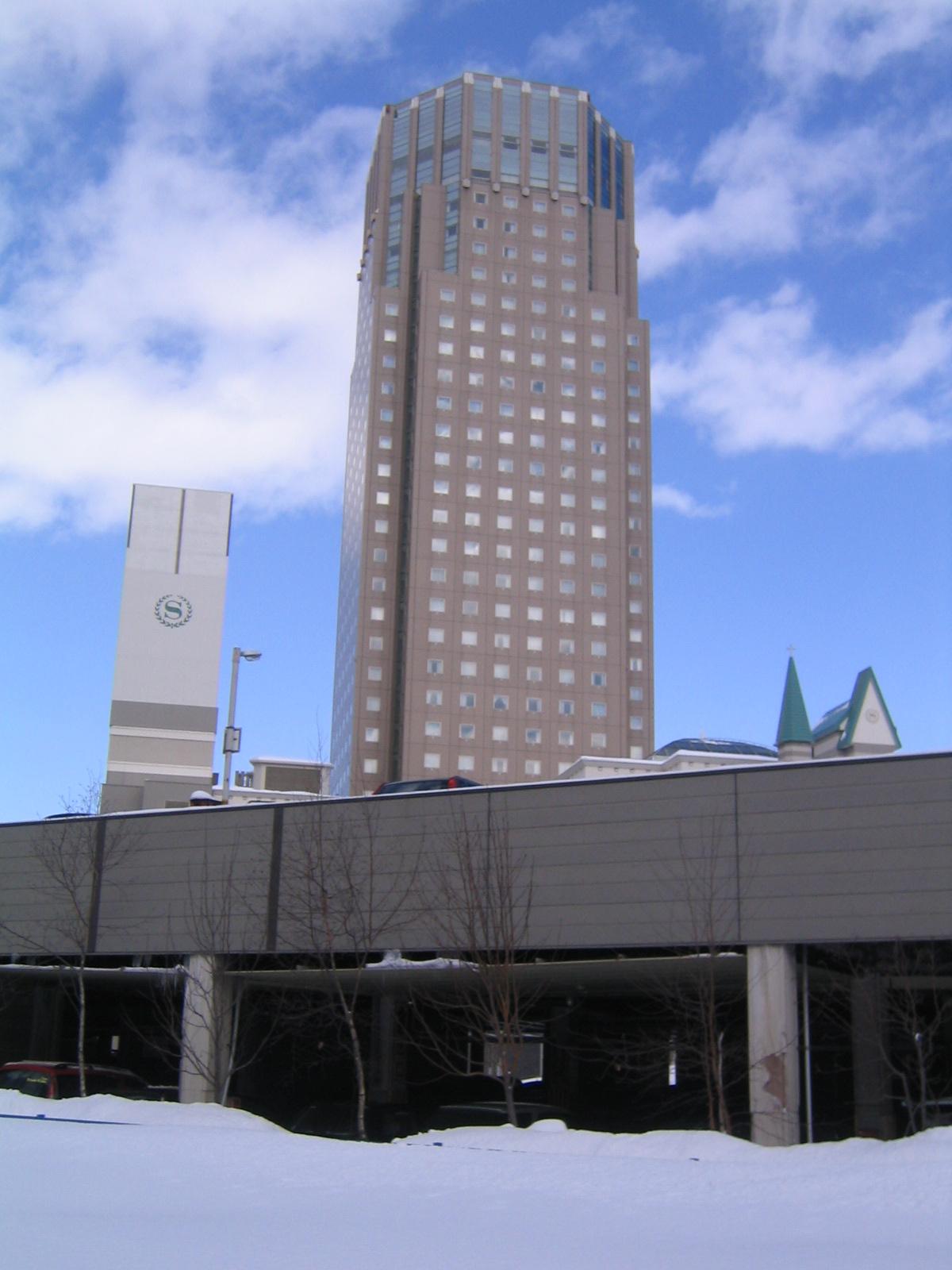
Odori Park is the Snow Festival's main site. The 1.5km green spine transforms into a corridor of ice sculptures, and the Sapporo TV Tower at its east end serves as a visual anchor. Hotels on Odori put you directly on the festival grounds. The Sapporo Grand Hotel sits at Odori Nishi 4-chome and connects to the Chi-Ka-Ho walkway, meaning you can reach Susukino without stepping onto sidewalk ice. The Keio Plaza Hotel Sapporo, at Odori Nishi 7-chome, is a five minute walk to the west end of the festival. The Ana Crowne Plaza Sapporo is also in the Odori cluster.
The downside is price. The Sapporo Grand Hotel's low season nightly rate runs ¥15,000 to ¥30,000. During the Snow Festival that rate jumps to ¥50,000 to ¥90,000 a night, a 3x to 5x multiplier that holds across the entire Odori luxury cluster. International chains in this area book out 6 to 8 months ahead. If you are coming for the festival and want to step out of your lobby onto the ice, book by August for the following February. If you cannot afford those rates, do not stay in Odori. Move to a district with subway access and accept the 15 minute commute.
Sapporo Station Hotel Convenience: Transit Hub and Underground Access
Business Hotel Clusters and Rates
The Sapporo Station area is the dominant cluster for business hotel chains. Toyoko Inn, APA Hotel, Dormy Inn, Super Hotel, JR Inn, Richmond Hotel, and Mitsui Garden Hotel all have properties here. APA Hotel alone runs three properties near the terminal: Sapporo-Ekimae, Sapporo-Ekikita, and TKP Sapporo-Ekimae. Toyoko Inn has a Kita-guchi property and a Minami-guchi property. These are not glamorous. Typical room size is 12 to 16 square meters, and the low season nightly rate runs ¥5,000 to ¥9,000. During the Snow Festival that rate triples to ¥18,000 to ¥35,000, but even the peak rate is half what Odori charges.
Transit and the Pedestrian Network
The advantage is transit. The JR Rapid Airport train from New Chitose Airport reaches Sapporo Station in 37 minutes and costs ¥1,150. From there you can access the Chi-Ka-Ho walkway that runs all the way to Susukino, passing Odori along the way. In winter, black ice forms daily on sidewalks from December to March, and locals wear slip-on cleats for a reason. The pedestrian path lets you avoid that entirely for the 2km stretch. The Dormy Inn Premium Sapporo adds a natural hot spring on its top floor, a welcome feature after a day on frozen sidewalks. The JR Tower Hotel Nikko Sapporo, occupying floors 23 to 34 of the JR Tower, offers low season rates of ¥20,000 to ¥40,000 and sits directly above the terminal. It is the premium option in this district, but its Snow Festival rates are not published in the research and you should expect a comparable spike.
Susukino Hotel Nightlife: Where the Entertainment District Stays Open All Night
Susukino is Sapporo's neon lit entertainment district, home to the Ramen Alley with 17 miso ramen shops, hostess bars, and a density of izakaya that keeps the streets active until the subway shuts down around midnight. The hotel cluster here includes budget and business properties with low season rates of ¥4,500 to ¥8,000 per night, rising to ¥15,000 to ¥30,000 during the Snow Festival. Capsule hotels are abundant, with over ten properties within 500 meters of the district's main subway stop, and typical capsule rates run ¥2,500 to ¥4,000 per night in low season.
The trade off is noise. The loudest streets for hotels run from Minami 4-jo to Minami 6-jo and from Nishi 2-chome to Nishi 5-chome, which is the entertainment core. Quieter options exist on Minami 7-jo and south, and on Nishi 6-chome and west. This area is walkable to Ramen Alley and the Odori festival site is a ten minute walk north, so you save on transit. But if you need sleep before midnight, choose a hotel on the quieter southern edge or skip the district entirely for the Sapporo Station area.
Jozankei Onsen Ryokan: Hot Spring Seclusion Within City Limits
Jozankei is an onsen resort town that sits within Sapporo city limits, 27 kilometers from the main rail terminal and roughly 50 to 60 minutes by bus. The Jotetsu Bus Kappa Liner runs from the station and costs ¥790 to ¥880 one way. Ryokan rates per person with two meals run ¥15,000 to ¥35,000 in low season, rising to ¥25,000 to ¥50,000 per person during the Snow Festival. If you are coming in summer, the riverside setting and autumn leaves make it a worthwhile splurge, but the research does not provide summer rates for this town. Notable ryokan include Jozankei Tsuruga Resort Spa Mori no Uta, Shogetsu Grand Hotel, and Jozankei View Hotel. For a day trip, Jozankei Onsen Ichijo offers a public bath for ¥800 entry.
The downside is distance. A 60 minute bus ride each way means you lose two hours of your day to transit. Do not stay here if the Snow Festival is your primary reason for visiting: you will spend more time on the bus than at the sculptures. This resort is for travelers who want the onsen experience and are willing to trade central access for riverside quiet and a kaiseki dinner included in the rate.
Nakajima Park Hotel Quiet: the Peaceful Alternative
Nakajima Park is a cultural pocket with a concert hall, a pond, and a literary museum, offering the quietest central hotel cluster in the city. The Sapporo Park Hotel sits on the park at Nishi 3-chome, and the Sapporo Prince Hotel is at Nishi 11-chome near the park's edge. The Ibis Styles Sapporo also operates in this area. Low season rates for the Sapporo Prince Hotel run ¥10,000 to ¥22,000 per night. The research does not provide its Snow Festival rates, but the 3x to 5x multiplier that applies across the city almost certainly applies here as well.
This district works best for summer visitors who want a quiet base near greenery. In winter, the park is snow covered and less useful as an amenity, and you are a 15 minute walk south of Odori Park. If you value sleep over nightlife and do not mind a subway ride to the festival, Nakajima Park is a strong choice. The Namboku subway line runs through the area and connects directly to Odori and the main terminal.
.JPG)
Sapporo Hotel Price Spike: When Rates Triple and How to Survive it
The Festival Multiplier
The Snow Festival creates a 3x to 5x rate multiplier across central Sapporo. A typical business hotel room that costs ¥5,000 to ¥9,000 in low season jumps to ¥18,000 to ¥35,000 a night. The Sapporo Grand Hotel in Odori jumps from ¥15,000 to ¥30,000 low season to ¥50,000 to ¥90,000 during the festival. The premium JR Tower Hotel Nikko Sapporo charges ¥20,000 to ¥40,000 in low season; its festival rate is not in the research but expect ¥60,000 or more.
Summer Demand and Booking Strategy
Summer rates from mid-July through late August are also elevated, but the research does not provide a specific summer multiplier. The summer peak is driven by comfortable 20 to 25 degrees Celsius weather, lavender fields, and the Obon week from 13 to 16 August 2027, when domestic travel surges. If you book for Obon without a reservation by February, you will face the same scarcity problem as the Snow Festival.
The single most effective strategy for the price spike is to book central hotels 4 to 6 months ahead for summer and 6 to 8 months ahead for the Snow Festival. If you cannot book that far in advance, accept a less central district. Kotoni, with its zero tourist density and authentic izakaya, has a budget guesthouse option. Shiroishi, the working class neighborhood with a Sapporo Ramen Republic offshoot, offers unpolished local character and lower rates. Neither is walkable to the festival, but both are on subway lines. A 30 minute commute is preferable to paying ¥30,000 for a 12 square meter room you only sleep in.
Where to Stay Sapporo Winter: Lead Times and Backup Plans
The common mistake is assuming the Snow Festival is the only time to visit and booking a one night stay. Accommodation sells out, you spend more time in transit queues than at the sculptures, and you miss the city's excellent food scene entirely. Minimum three days is the research backed recommendation: one day for central landmarks and markets, one for the beer museum and evening food, and one for a nearby day trip or mountain activity. If you are coming for the Snow Festival, add a fourth day.
For winter stays not aligned with the festival, avoid February weekends unless you booked six months ahead. Also avoid Golden Week in late April to early May for domestic travel crush, and November entirely, which is a grey, slushy no man's land between autumn leaves and proper ski snow. The February rate spike is real, and the research is clear: rooms vanish by autumn. If you are reading this in late August 2026 and want February 2027, you are already behind for Odori and Susukino central hotels. Check the main terminal business hotels and Jozankei ryokan first, as they have the highest inventory and the longest booking windows.
Apartment Style and Alternative Accommodation
Apartment style operators such as Mimaru, The Base Sapporo, and Stay Sapporo offer entire unit listings with typical minimum stays of two nights. Low season rates for a 2 to 4 person unit run ¥8,000 to ¥18,000 per night, rising to ¥25,000 to ¥60,000 during the Snow Festival. Common locations are Odori, the main terminal, and Susukino. Airbnb listings follow the same pattern. These work well for groups or travelers who want a kitchen and more space than a business hotel. The downside is that many apartment style properties lack front desks, meaning late check in is handled by a lockbox, and you need reliable internet access to receive check in instructions.
Breakfast included kaisendon is available at Nijo Market and the Central Wholesale Market. If your hotel does not include breakfast, budget ¥1,000 to ¥2,000 for a seafood bowl at Nijo Market. The market is smaller than Otaru and less touristy, making it a better morning stop before a day of sightseeing.
The Underground Walkway Advantage and Winter Navigation
The Chi-Ka-Ho Route
The Chi-Ka-Ho pedestrian walkway extends from the main rail terminal to Odori to Susukino, covering roughly 2km. It operates from 06:00 to 00:00, though hours vary by section. Hotels with direct access include the Sapporo Grand Hotel, JR Tower Hotel Nikko Sapporo, Keio Plaza Hotel Sapporo, Hotel Monterey Sapporo, and Ibis Styles Sapporo. If you are visiting in February, prioritize a hotel with this access. Sidewalk ice from December to March is treacherous, black ice forms daily, and snow removal creates massive roadside snowbanks that narrow walking paths to single file. Google Maps underestimates winter walking time by 30 percent. The pedestrian path solves all of that, but it is a disorienting maze. Budget two days to learn the routes.
Subway Lines and Late Night Planning
The subway system uses three lines: the Namboku Line in green, the Tozai Line in orange, and the Toho Line in blue. Fares run ¥210 to ¥380 based on distance. Operating hours run roughly 06:00 to 00:30, with first and last trains varying by station and line. If you plan to eat late in Susukino, know that the subway stops around midnight and taxis become scarce and expensive during snowstorms. Plan your last train or budget for a 30 minute walk back to your hotel.
Common Questions
Which Sapporo district is best for first time Snow Festival visitors?
Odori Park, because the festival main site is literally outside your hotel. The Sapporo Grand Hotel and Keio Plaza Hotel Sapporo both offer direct access. Book six to eight months ahead and budget ¥50,000 to ¥90,000 per night. If that price is too high, stay at the main terminal and use the Chi-Ka-Ho walkway to reach the festival in 15 minutes without stepping on ice.
Can I visit the Snow Festival on a day trip from another city?
Technically yes, but the research advises against it. The common mistake is booking a one night stay or a day trip. You spend more time in transit queues than at the sculptures, and you miss the city's food scene. Minimum three days is the recommended stay, and during the Snow Festival add a fourth day.
What is the cheapest way to stay in Sapporo during the Snow Festival?
A capsule hotel in Susukino. Typical capsule rates run ¥2,500 to ¥4,000 per night in low season, and even with the festival multiplier you will pay less than ¥10,000. Over ten capsule properties exist within 500 meters of the district's main subway stop. The trade off is noise and limited privacy. For a step up, book a business hotel at the main terminal, where Snow Festival rates run ¥18,000 to ¥35,000 per night for a 12 to 16 square meter room.
Is Jozankei Onsen worth the 60 minute bus ride from the main terminal?
Only if you want a ryokan experience with two meals included. Rates run ¥15,000 to ¥35,000 per person in low season and ¥25,000 to ¥50,000 per person during the Snow Festival. If your primary goal is the Snow Festival, stay central. Jozankei is better for travelers who want hot spring seclusion and are willing to trade two hours of daily transit for riverside quiet.
When should I book a Sapporo hotel for summer 2027?
Four to six months ahead for central hotels. Summer peak runs mid-July through late August, with Obon week from 13 to 16 August 2027 driving domestic travel demand. If you wait until June, expect sold out properties at Odori and Susukino and elevated rates at the main terminal business hotels.
Read next
-
 Where to Stay in Sapporo and Why the Underground Walkway Decides It
Choosing where to stay in Sapporo comes down to the heated underground walkway network, which makes winter distances deceptive and some neighbourhoods far more practical than they look on a map.
Where to Stay in Sapporo and Why the Underground Walkway Decides It
Choosing where to stay in Sapporo comes down to the heated underground walkway network, which makes winter distances deceptive and some neighbourhoods far more practical than they look on a map.
-
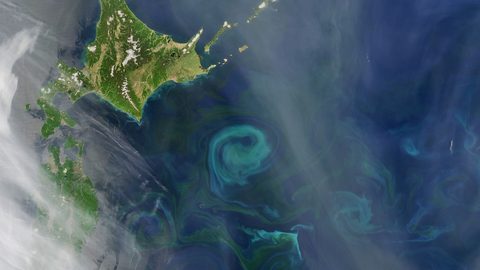 Sapporo Flights and the 37-Minute Train From New Chitose Airport
Flights to Sapporo land at New Chitose Airport, and the JR Rapid train covers the distance to Sapporo Station in 37 minutes for ¥1,150, though winter weather can make the bus the safer choice.
Sapporo Flights and the 37-Minute Train From New Chitose Airport
Flights to Sapporo land at New Chitose Airport, and the JR Rapid train covers the distance to Sapporo Station in 37 minutes for ¥1,150, though winter weather can make the bus the safer choice.
-
 Sapporo Things to Do That Are Worth Your Days in a Young Food City
Sapporo things to do are less about ancient temples and more about beer, ramen, snow sculptures, and a sculptural park by Isamu Noguchi—ranked by what earns your limited days.
Sapporo Things to Do That Are Worth Your Days in a Young Food City
Sapporo things to do are less about ancient temples and more about beer, ramen, snow sculptures, and a sculptural park by Isamu Noguchi—ranked by what earns your limited days.
-
 Best Time to Visit Sapporo When Five Metres of Snow Is the Real Calendar
The best time to visit Sapporo depends on whether you want five metres of snow and the Snow Festival crush or Japan's mildest summer with rooftop beer gardens.
Best Time to Visit Sapporo When Five Metres of Snow Is the Real Calendar
The best time to visit Sapporo depends on whether you want five metres of snow and the Snow Festival crush or Japan's mildest summer with rooftop beer gardens.
-
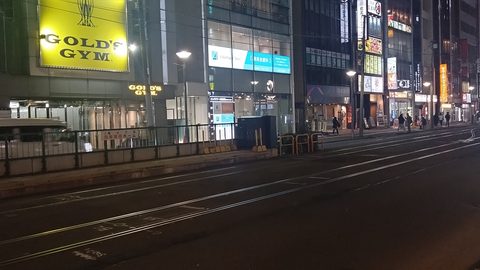 Getting Around Sapporo Starts With Understanding North 3 West 2
Getting around Sapporo becomes trivially easy once you understand that North 3 West 2 is a map coordinate on a numbered grid, not a street name to memorise.
Getting Around Sapporo Starts With Understanding North 3 West 2
Getting around Sapporo becomes trivially easy once you understand that North 3 West 2 is a map coordinate on a numbered grid, not a street name to memorise.
-
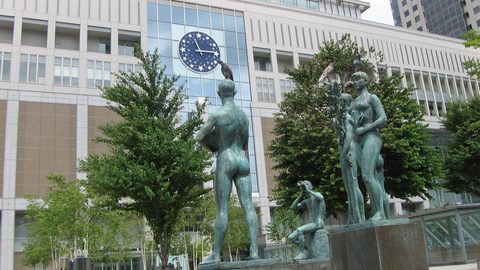 Sapporo Itinerary for Three Days With a Winter and a Summer Version
A three-day Sapporo itinerary needs two versions: the winter route built around snow and underground walkways, and the summer route of beer gardens and bike rides.
Sapporo Itinerary for Three Days With a Winter and a Summer Version
A three-day Sapporo itinerary needs two versions: the winter route built around snow and underground walkways, and the summer route of beer gardens and bike rides.
-
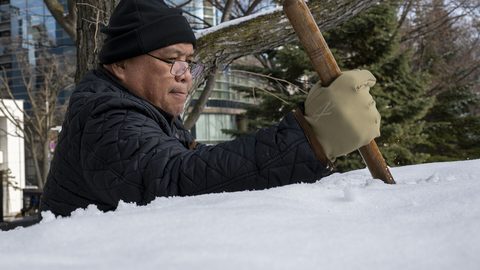 Sapporo Snow Festival
The Sapporo Snow Festival draws two million visitors over seven days in early February, with Odori Park's building-sized sculptures requiring hotels booked by September and a strategy for the crowds.
Sapporo Snow Festival
The Sapporo Snow Festival draws two million visitors over seven days in early February, with Odori Park's building-sized sculptures requiring hotels booked by September and a strategy for the crowds.
-
 Sapporo Beer Museum
The Sapporo Beer Museum offers free entry to a red-brick maltings and a paid tasting flight of unpasteurized beer available nowhere else, with Genghis Khan lamb barbecue at the Beer Garden next door.
Sapporo Beer Museum
The Sapporo Beer Museum offers free entry to a red-brick maltings and a paid tasting flight of unpasteurized beer available nowhere else, with Genghis Khan lamb barbecue at the Beer Garden next door.
-
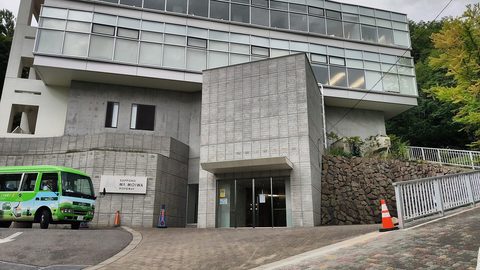 Mount Moiwa
 delivers Sapporo's best night panorama via a ropeway and funicular to a summit observation deck, with the city grid stretching toward Ishikari Bay and a lovers' padlock terrace at the top.
Mount Moiwa
Mount Moiwa delivers Sapporo's best night panorama via a ropeway and funicular to a summit observation deck, with the city grid stretching toward Ishikari Bay and a lovers' padlock terrace at the top.