Hakone or Nikko: Picking Your Tokyo Day Trip
Hakone offers a volcanic loop with Fuji views and art museums, while Nikko delivers ornate shrine architecture and ancient cedar forests—here is which fits your day.
Hakone or Nikko: Picking Your Tokyo Day Trip
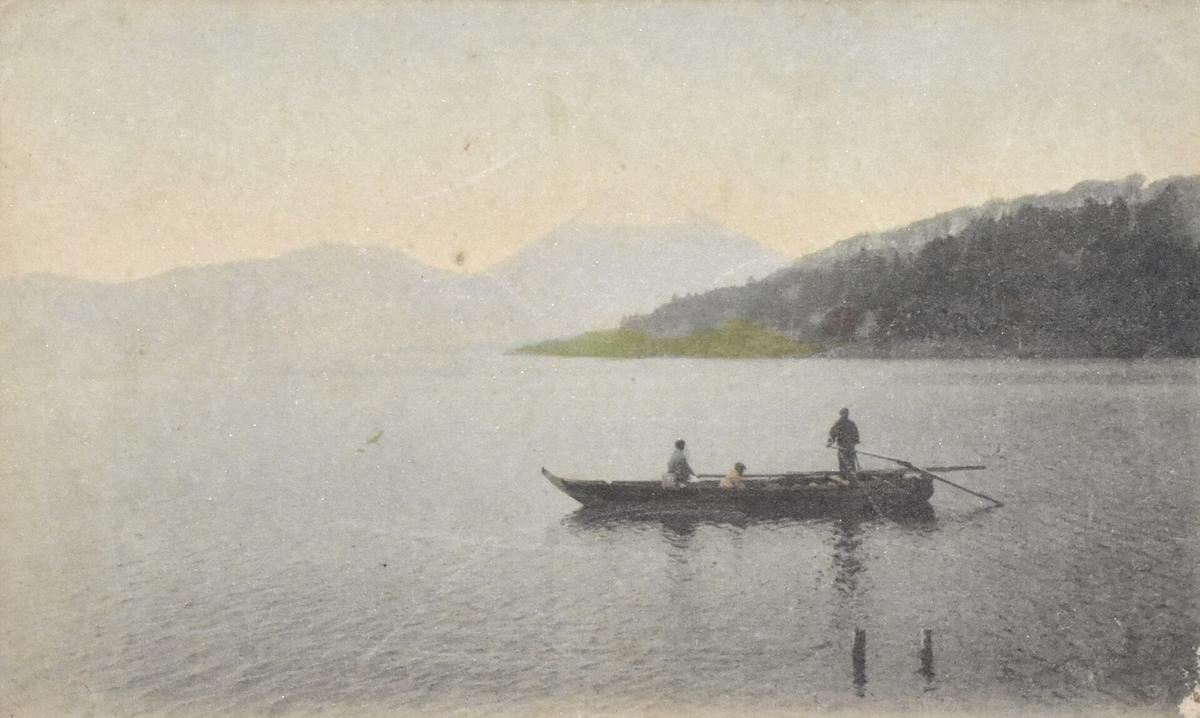
The cable car hangs still above the sulphur vents at Owakudani, steam billowing across the valley floor. A few hundred metres below, the pirate ship cuts a wake across Lake Ashi, its deck crowded with people scanning the horizon for Mt. Fuji. This is the Hakone circuit, and it runs like a machine designed to fill a day with movement. The question is whether you want a day in motion or a day in one place.
Between Hakone and Nikko, which day trip from Tokyo fits a traveller who wants nature and culture in a single day? The answer depends on which kind of nature and which kind of culture you mean. Hakone is a circuit of volcanic landscapes, a lake crossing, and conditional mountain views. Nikko is a walk through an old-growth cedar forest to a mausoleum complex so ornate it makes Kyoto look restrained. They share almost nothing except a departure from Tokyo and a return before dinner. The right pick is the one whose failure modes you can accept.
| Axis | Hakone | Nikko |
|---|---|---|
| Distance from Tokyo Station | 85 km | 125 km |
| One-Way Travel Time (Fastest) | 85 min from Shinjuku | 110 min from Asakusa |
| Day-Trip Pass (2-Day) Cost 2026 | ¥6,100 from Shinjuku (Odakyu, approximate, check operator site) | ¥4,600 from Asakusa (Tobu, approximate, check operator site) |
| Minimum Visit Time | 4-5 hours for full loop | 3-4 hours for shrine complex |
| Full Day Feasibility | Loop fits comfortably | Shrines fit; adding Kegon Falls requires 07:30 departure |
| Weather Dependency | High: Fuji view lost in cloud | Low: shrines unaffected, falls degraded in cloud |
| Crowd Density Peak | High at cable car and cruise | Very high at Toshogu gate, quiet in forest |
| Best For | Transport variety, geothermal activity, onsen, Fuji possibility | UNESCO architecture, Tokugawa history, forest walks, waterfall |
| Worst For | Low cloud days, visitors who dislike timed connections | Visitors wanting varied transport modes or a single loop experience |
What Each Day Actually Looks Like
The Hakone Circuit: Seven Modes, One View
Your day in Hakone is a prescribed loop. Start at Hakone-Yumoto station, take the Hakone Tozan Railway up the mountain switchbacks to Gora. Switch to the cable car up to Sounzan. Ride the gondola over the volcanic valley to Owakudani, where you can buy a black egg cooked in the geothermal springs (they add five minutes to your life, according to local marketing). Descend to Togendai, board the sightseeing cruise across Lake Ashi, and disembark at Hakone-machi or Moto-Hakone. From there, a bus returns you to Hakone-Yumoto. The whole thing runs four to five hours if you do not linger, but factor in at least thirty minutes of queue time at the gondola and cruise during peak season.
The entire operation is weather dependent in one specific way. You can do the loop in rain, but the view becomes a white wall and the lake crossing turns into a grey ferry ride. The one view that matters, Mt. Fuji from the gondola or the lake, appears on maybe one in three clear winter days and fewer in summer. If you go for the mountain, check the live camera feeds at Hakone-Yumoto station before you buy your pass. If you go for the geothermal spectacle and the pleasure of moving through seven transport modes in a single afternoon, the weather barely matters.
The Hakone Freepass covers round-trip Odakyu line from Shinjuku plus unlimited use of every mode inside the loop. The 2026 approximate cost of ¥6,100 is published by Odakyu and revised annually; check their official site for the figure in force on your travel date. The pass also covers buses within the designated zone, which matters because the walk from the cruise landing to the bus stop at Moto-Hakone is a fifteen-minute uphill slog in humidity.
The Nikko Walk: One Place, One Forest
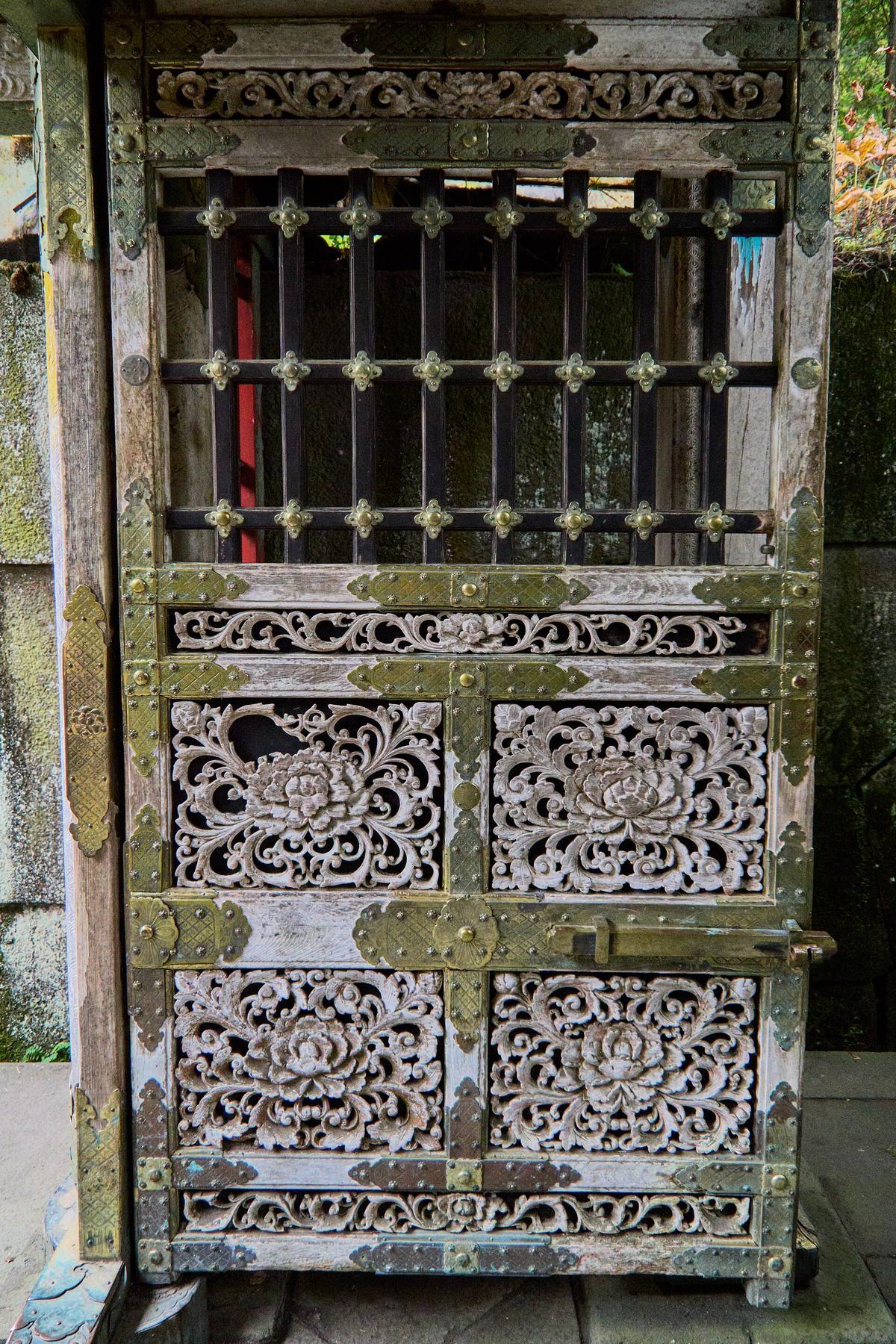
Your day in Nikko is a walk. Exit Tobu Nikko station, cross the red Shinkyo bridge, and enter the UNESCO World Heritage area. The three structures that demand your time are Rinnoji Temple, Toshogu Shrine, and Futarasan Shrine. Toshogu is the reason tourists come: the Tokugawa Ieyasu mausoleum, carved and lacquered in such excess that the gold leaf reflects sunlight across the cedar shadows. The Sleepy Cat carving above the entrance gate and the Hear No Evil, See No Evil, Speak No Evil monkeys are the crowd magnets, but the real experience is the dark corridor of the 1.3-kilometre cedar avenue, planted in the 17th century, that filters the light green.
You can see all three shrines in three to four hours at a walking pace that lets you read the information boards. That fits a day trip from Asakusa easily. What does not fit is adding Kegon Falls and Lake Chuzenji. The lake sits at 1,269 metres elevation, reached by a winding road (Irohazaka) or a bus ride of about forty minutes from the shrine area. Kegon Falls drops 97 metres and is spectacular, but the round-trip adds two hours to your day plus the bus wait. Only attempt this if you depart Asakusa by 07:30 on the first Tobu Limited Express Spacia and accept a return after 18:00. Miss that early departure and the falls will still be there tomorrow; your return train will not wait.
The Nikko Pass (World Heritage Area) covers your round-trip Tobu line from Asakusa plus unlimited buses within the shrine area. The approximate 2026 cost of ¥4,600 is published by Tobu Railway and changes yearly; confirm on their site before purchase. The pass is cheaper than the Hakone Freepass partly because it covers less territory and partly because Nikko does not operate a cable car, gondola, and cruise loop.
The Failure Modes You Need to Know
Every day trip has a way it can go wrong. Knowing yours in advance is what separates an enjoyable outing from a frustrated one.
Hakone Failure Modes
Low cloud is the big one. You cannot see Mt. Fuji, Lake Ashi turns grey, and the gondola view vanishes. The loop still operates, but the reward for the four-hour transport marathon becomes much smaller. The second failure mode is queue creep. In autumn foliage season (mid-November to late November), the gondola wait can hit forty-five minutes. The cruise boat queues are shorter because the boats run frequently, but the total time in line can push your loop from four hours to six. The third failure mode is the last train. Miss the final Odakyu Romancecar connection at Hakone-Yumoto and the return to Shinjuku becomes a local train crawl that adds an hour. Budget a thirty-minute buffer before the last departure.
Nikko Failure Modes
Nikko's failure mode is the opposite of Hakone's: it works too well. The Toshogu shrine area packs with tour groups by 10:00, and the narrow paths in front of the Yomeimon Gate become single-file shuffles in high season (late October for foliage, weekends year-round). The second failure mode is the decision paralysis about the lake. You arrive at Tobu Nikko station, look at the bus schedule for Chuzenji, and debate whether you have time. You do not, unless you left at dawn. Third: winter. The shrine area stays accessible December through March, but Lake Chuzenji and the Irohazaka road receive heavy snow and can close. If you arrive in January expecting the waterfalls, check the road status before you board the Tobu line.


Worth it if
- Hakone delivers a varied transport experience: train, cable car, gondola, and boat in one loop.
- Hakone offers genuine onsen towns (Hakone-Yumoto) for a soak before the return train.
- Nikko provides the most concentrated UNESCO shrine architecture outside Kyoto, with a forest setting.
- Nikko is less weather dependent for its core attraction: the shrines look the same in rain.
- Nikko costs less: the 2026 approximate pass price is ¥1,500 cheaper than the Hakone equivalent.
Skip it if
- Hakone's signature view (Mt. Fuji) is conditional; you might see nothing but cloud.
- Hakone requires you to follow a prescribed transport loop with timed connections.
- Nikko requires a much earlier departure to see the waterfall and lake alongside the shrines.
- Nikko's shrine area suffers severe crowding at the main gate during peak foliage and weekends.
- Nikko offers no onsen within walking distance of the station; the nearest is a bus ride away.
Read next
-
 Tokyo Hotels by Type and Budget from Capsules to Luxury
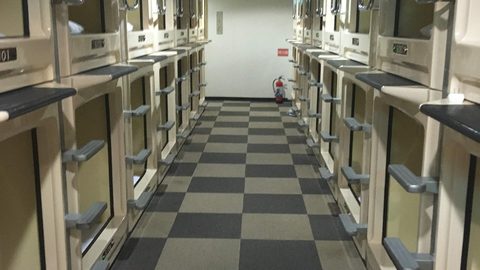
Tokyo hotels organised by type and price band, from efficient capsule pods to full-service luxury towers, to help you book the right room.
Tokyo Hotels by Type and Budget from Capsules to Luxury
Tokyo hotels organised by type and price band, from efficient capsule pods to full-service luxury towers, to help you book the right room.
-
 Where to Stay in Tokyo by District and Travel Style
A comparison of Tokyo's major districts to help you choose the right base for your travel style, whether you want calm or chaos.
Where to Stay in Tokyo by District and Travel Style
A comparison of Tokyo's major districts to help you choose the right base for your travel style, whether you want calm or chaos.
-
 Narita or Haneda for Tokyo and What That Airport Choice Costs You
Narita or Haneda for Tokyo: compare door-to-district time, transfer cost, and what the wrong airport choice eats from your trip.
Narita or Haneda for Tokyo and What That Airport Choice Costs You
Narita or Haneda for Tokyo: compare door-to-district time, transfer cost, and what the wrong airport choice eats from your trip.
-
 Things to Do in Tokyo That Are Worth Your Limited Days
A curated list of Tokyo's highest-impact sights and experiences, from immersive art to quiet backstreets, to help you prioritise your days.
Things to Do in Tokyo That Are Worth Your Limited Days
A curated list of Tokyo's highest-impact sights and experiences, from immersive art to quiet backstreets, to help you prioritise your days.
-
 Best Time to Visit Tokyo Month by Month Tradeoffs
A month-by-month guide to visiting Tokyo, laying out the trade-off between weather, crowds, price, and what's actually open.
Best Time to Visit Tokyo Month by Month Tradeoffs
A month-by-month guide to visiting Tokyo, laying out the trade-off between weather, crowds, price, and what's actually open.
-
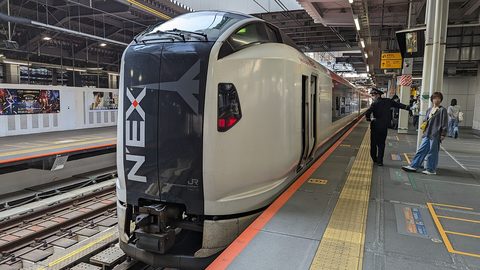 Getting Around Tokyo by Train Airport Transfers and IC Cards
A practical guide to Tokyo's rail network, covering airport transfers, IC cards, and how to avoid the station navigation mistakes that eat your day.
Getting Around Tokyo by Train Airport Transfers and IC Cards
A practical guide to Tokyo's rail network, covering airport transfers, IC cards, and how to avoid the station navigation mistakes that eat your day.
-
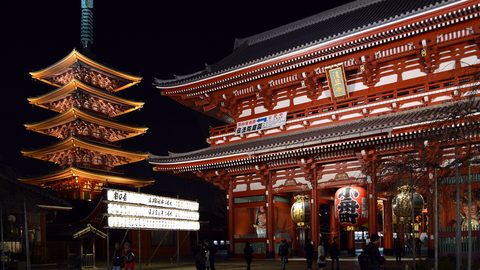 Senso-ji
 is free and never closes, but the experience at 6am with empty Nakamise stalls is nothing like the 11am crush under Kaminarimon. Here is when to go and what you get at each hour.
Senso-ji
Senso-ji is free and never closes, but the experience at 6am with empty Nakamise stalls is nothing like the 11am crush under Kaminarimon. Here is when to go and what you get at each hour.
-
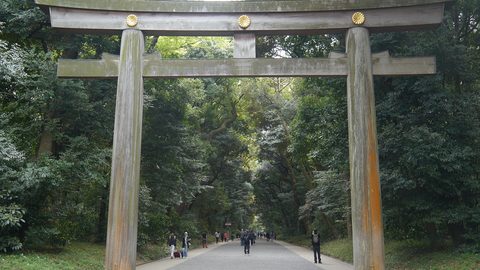 Meiji Jingu
The Meiji Jingu visit changes completely depending on which torii gate you enter. One drops you from Harajuku noise into sudden forest, the other builds quiet slowly from Yoyogi.
Meiji Jingu
The Meiji Jingu visit changes completely depending on which torii gate you enter. One drops you from Harajuku noise into sudden forest, the other builds quiet slowly from Yoyogi.
-
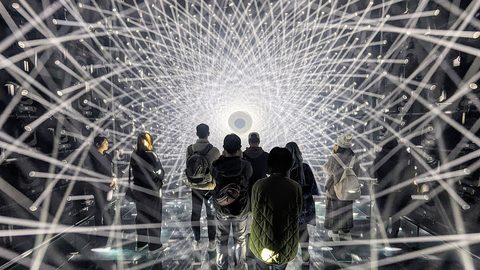 teamLab
 Borderless and Planets are two different Tokyo venues with separate booking systems. Borderless tickets at Azabudai Hills sell in timed slots and the maze has no fixed route.
teamLab
teamLab Borderless and Planets are two different Tokyo venues with separate booking systems. Borderless tickets at Azabudai Hills sell in timed slots and the maze has no fixed route.