What Hakuba Offers in Spring, Summer, and Autumn When the Snow Melts
Hakuba beyond ski season offers alpine hiking, summer chairlift rides, and hot springs. A realistic look at a long day trip from Tokyo.

What Hakuba Offers in Spring, Summer, and Autumn When the Snow Melts
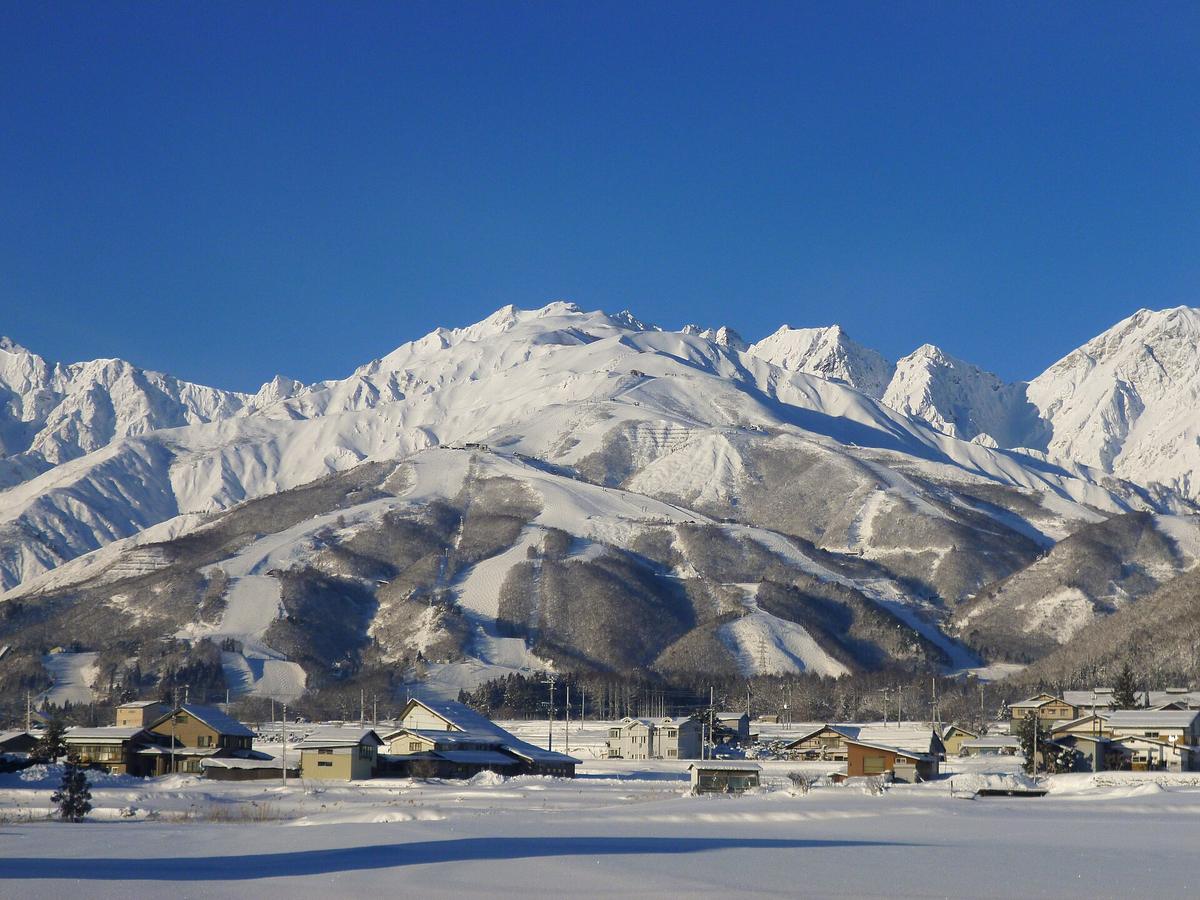
Most people assume Hakuba is a one-season town. They picture deep powder, ski-lift queues, and après-ski in base-lodge boots. That is the story the internet tells, and it is true for five months of the year. The other seven months, the valley becomes a different thing entirely: an alpine hiking destination with chairlift access to 2,060 metres, cold-river onsen baths, and autumn foliage trails that rival anything in Nikko. The snow does not disappear in May. It recedes uphill, exposing ridge walks and a larch forest that turns gold in October. The question is whether the 3.5-hour one-way transit from Tokyo Station is worth it when you cannot stay overnight. The answer is yes, but only if you treat it as a deliberate mountain day, not a casual add-on.
Why Summer and Autumn Make Sense as a Day Trip
A Hakuba day trip from Tokyo in summer works because the lift infrastructure built for winter does not sit idle. From late April to early November, the main gondola hauls hikers, not skiers. You ride from the valley base to the top station in about 15 minutes, skip 1,000 vertical metres, and step out onto a trail system that connects ridges, subalpine ponds, and rest huts. The payoff is immediate: you are above treeline within an hour of leaving the car park. Compare that to a hike in Kamakura, where you spend the morning walking through temple grounds at sea level. This valley gives you altitude fast.
Happo-ike Pond and the Ridge Walk
The standard summer route starts at the top station and follows the trail to Happo-ike Pond at 2,060 metres. The one-way hike takes about 1.5 hours. The pond sits in a cirque below the main ridge, and the water is clear enough to reflect the peak of Mount Shirouma on a calm day. You do not need mountaineering gear, but you do need ankle-support boots, sunscreen, and a wind layer. The trail is exposed. The lift operates until early November, which means autumn colour hikers can ride up through the larch zone and walk the ridge while the valley below is still green. The vertical drop here is 1,071 metres across 16 courses, but in summer those courses become hiking and mountain-bike routes. The terrain mix translates to trails that suit casual walkers and experienced scramblers alike.
Iwatake for Views Without the Crowd
This resort has a quieter profile than the main mountain. Its vertical drop is only 539 metres, and its 15 courses draw a family-oriented crowd in winter. In summer, the resort runs a gondola to the top station where a small cafe, a viewing platform, and a network of short walking trails sit. The panorama takes in the entire valley and the northern Japan Alps. Choose Iwatake if you want a relaxed day with less walking and more looking. Gentle meadow paths and steeper ridge options replace the winter pistes. The mountain-bike trails here are purpose-built, and the resort rents bikes at the base. If you only have four hours on the mountain, this place gives you a higher ratio of reward to effort than any other resort in the valley.
Tsugaike Nature Trail for Alpine Flora and Autumn Foliage
Tsugaike Kogen operates a gondola that accesses a high-altitude boardwalk through a marsh and larch forest. The terrain is beginner-dominant, which in summer translates to flat, well-marked trails suitable for all fitness levels. The alpine flora blooms from late June through August: rhododendrons, false hellebore, and gentians. In October, the larch needles turn yellow and the marsh reflects the colour. This spot is also the least crowded of the four major resorts during summer because its winter reputation as a beginner zone means experienced hikers skip it. That is a mistake. The boardwalk route takes about an hour, and you can extend it onto higher trails that connect to the ridge. The vertical drop here is 804 metres across 14 courses, but you use the lift to skip most of it, so the walking is almost entirely at altitude.
Year-Round Onsen and Summer Activities That Replace Winter Sports
The onsen in Hakuba do not close when the snow melts. Hakuba Happo Onsen sits near the main base area and offers an outdoor bath fed by a natural hot spring. Hakuba Goryu Onsen, branded as Hakuba Symphony, is a modern facility with indoor and outdoor pools. Iwatake Onsen is inside the Iwatake Onsen Hotel and takes day guests. Tsugaike Kogen Onsen is a simple, no-frills bathhouse with a valley view. The water chemistry across all four is similar: sodium-calcium sulphate, clear, and moderately hot at around 42 degrees Celsius. The tattoo restriction applies at all public onsen in the valley, but private baths are available if you book ahead. Budget for the entry fee of approximately ¥800 to ¥1,200, and bring a small towel from your accommodation. You will not find a towel for rent at most of these facilities.
Summer Activity Operators Worth Your Time
Iwatake Mountain Resort runs a summer luge track and a mountain-bike downhill course. The luge is a wheeled sled on a concrete track, controlled by a brake lever. One run takes about three minutes. Hakuba Paraglider School operates tandem paragliding flights from the main mountain, launching from the ridge near the top gondola station. The flight lasts 15 to 20 minutes. Tsugaike Kogen maintains a network of marked trekking routes and an alpine flora boardwalk. Goryu connects to Hakuba 47 in summer via a shared lift pass, though the snow-free terrain is mostly mountain-bike trails and walking paths. None of these operators require a booking more than 24 hours ahead, but check the website before you leave Tokyo because some close on rainy days. The summer viability of the valley is real but reduced: not every restaurant is open, public bus frequency drops, and some accommodations close entirely until November.
The Honest Transit Reality and How to Execute the Day
The journey from Tokyo Station to Hakuba takes approximately 3.5 to 4 hours each way. You take the Hokuriku Shinkansen from Tokyo to Nagano, which runs in about 80 minutes. At Nagano Station, you transfer to a bus bound for the valley. The bus takes 60 to 70 minutes and costs ¥1,500. The last return bus to Nagano departs between 17:00 and 18:00 depending on the season. The last Shinkansen from Nagano to Tokyo leaves around 22:00. That means you have a window of roughly six hours in the mountains. If you leave Tokyo by 06:00, you can be on the first lift by 10:00, hike to the pond and back, soak at the onsen, and catch the 17:00 bus back to Nagano. The total round-trip travel time is 8 to 10 hours. That is a long day. Accept it before you book. If you cannot accept it, spend your day in Kamakura or Kawaguchiko instead.
What to Skip and What to Prioritise
Do not attempt to visit more than one resort in a single day. The bus between resorts runs infrequently in summer, and the distance between the main mountain and Tsugaike is 25 minutes by car but 45 minutes by local bus. Pick one mountain and commit. The main ridge area is the best choice for hikers who want altitude and wide views. Iwatake is the best choice for photographers and casual walkers who want a panorama with minimal effort. Tsugaike is the best choice for families and flower enthusiasts. Goryu is the weakest option in summer because its terrain is less distinct and its night-skiing infrastructure sits unused. Skip Goryu entirely during the non-ski months unless you are mountain-biking. The highway bus from Shinjuku takes 5 to 6 hours and is not worth your time for a day trip. The train-and-bus combination is the only viable option for a same-day return.
| Resort | Gondola Access | Best For | Vertical Drop |
|---|---|---|---|
| Happo-one | Yes, late Apr to early Nov | Ridge hiking, Happo-ike Pond | 1,071 m |
| Iwatake | Yes, late Apr to early Nov | Views, mountain biking, luge | 539 m |
| Tsugaike | Yes, late Apr to early Nov | Alpine flora boardwalk, autumn foliage | 804 m |
| Goryu | Yes, late Apr to early Nov | Mountain biking, night skiing (winter only) | 926 m |
One Honest Caveat Before You Go
Hakuba in summer is not a polished tourist product. The shuttle buses run on a reduced schedule. Some mountain-top cafes close by 15:00. The onsen facilities are functional, not luxurious. The valley is a ski town in its off-season, and it looks like one: empty car parks, shuttered rental shops, and a handful of restaurants that serve the same curry rice and soba they serve in winter. If you need a curated experience with English menus and a gift shop, stay in Tokyo. If you want to stand at 2,060 metres, look across a ridge of the Japan Alps, and soak in a hot spring before a 80-minute train ride back to Nagano, this is the only day trip that delivers that combination within reach of Tokyo.
Read next
-
 Tokyo Hotels by Type and Budget from Capsules to Luxury
Tokyo hotels organised by type and price band, from efficient capsule pods to full-service luxury towers, to help you book the right room.
Tokyo Hotels by Type and Budget from Capsules to Luxury
Tokyo hotels organised by type and price band, from efficient capsule pods to full-service luxury towers, to help you book the right room.
-
 Where to Stay in Tokyo by District and Travel Style
A comparison of Tokyo's major districts to help you choose the right base for your travel style, whether you want calm or chaos.
Where to Stay in Tokyo by District and Travel Style
A comparison of Tokyo's major districts to help you choose the right base for your travel style, whether you want calm or chaos.
-
 Narita or Haneda for Tokyo and What That Airport Choice Costs You
Narita or Haneda for Tokyo: compare door-to-district time, transfer cost, and what the wrong airport choice eats from your trip.
Narita or Haneda for Tokyo and What That Airport Choice Costs You
Narita or Haneda for Tokyo: compare door-to-district time, transfer cost, and what the wrong airport choice eats from your trip.
-
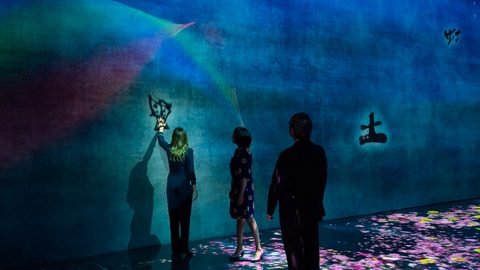 Things to Do in Tokyo That Are Worth Your Limited Days
A curated list of Tokyo's highest-impact sights and experiences, from immersive art to quiet backstreets, to help you prioritise your days.
Things to Do in Tokyo That Are Worth Your Limited Days
A curated list of Tokyo's highest-impact sights and experiences, from immersive art to quiet backstreets, to help you prioritise your days.
-
 Best Time to Visit Tokyo Month by Month Tradeoffs
A month-by-month guide to visiting Tokyo, laying out the trade-off between weather, crowds, price, and what's actually open.
Best Time to Visit Tokyo Month by Month Tradeoffs
A month-by-month guide to visiting Tokyo, laying out the trade-off between weather, crowds, price, and what's actually open.
-
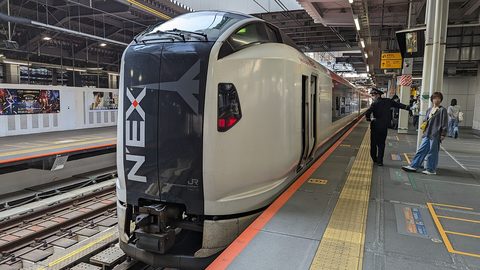 Getting Around Tokyo by Train Airport Transfers and IC Cards
A practical guide to Tokyo's rail network, covering airport transfers, IC cards, and how to avoid the station navigation mistakes that eat your day.
Getting Around Tokyo by Train Airport Transfers and IC Cards
A practical guide to Tokyo's rail network, covering airport transfers, IC cards, and how to avoid the station navigation mistakes that eat your day.
-
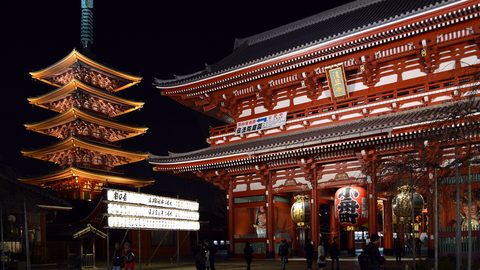 Senso-ji
 is free and never closes, but the experience at 6am with empty Nakamise stalls is nothing like the 11am crush under Kaminarimon. Here is when to go and what you get at each hour.
Senso-ji
Senso-ji is free and never closes, but the experience at 6am with empty Nakamise stalls is nothing like the 11am crush under Kaminarimon. Here is when to go and what you get at each hour.
-
 Meiji Jingu
The Meiji Jingu visit changes completely depending on which torii gate you enter. One drops you from Harajuku noise into sudden forest, the other builds quiet slowly from Yoyogi.
Meiji Jingu
The Meiji Jingu visit changes completely depending on which torii gate you enter. One drops you from Harajuku noise into sudden forest, the other builds quiet slowly from Yoyogi.
-
 teamLab
 Borderless and Planets are two different Tokyo venues with separate booking systems. Borderless tickets at Azabudai Hills sell in timed slots and the maze has no fixed route.
teamLab
teamLab Borderless and Planets are two different Tokyo venues with separate booking systems. Borderless tickets at Azabudai Hills sell in timed slots and the maze has no fixed route.