What Tokyo in July and August Is Really Like and How to Handle the Humidity
Tokyo in July and August brings oppressive humidity and the Obon travel peak, but also fireworks festivals and the best kakigori shaved ice of the year.

What Tokyo in July and August is Really Like and How to Handle the Humidity
Your skin will feel wet within three minutes of stepping outside. The average high temperature in August is 31.0°C, but with relative humidity at 73% (76% in July) the daytime heat index ranges from 35°C to 42°C. That is the actual feels like temperature. The rainy season, tsuyu, typically ends around 21 July, dumping roughly 350 mm of precipitation across June and July. August trades drizzle for a dense, sticky heat that does not break until evening.
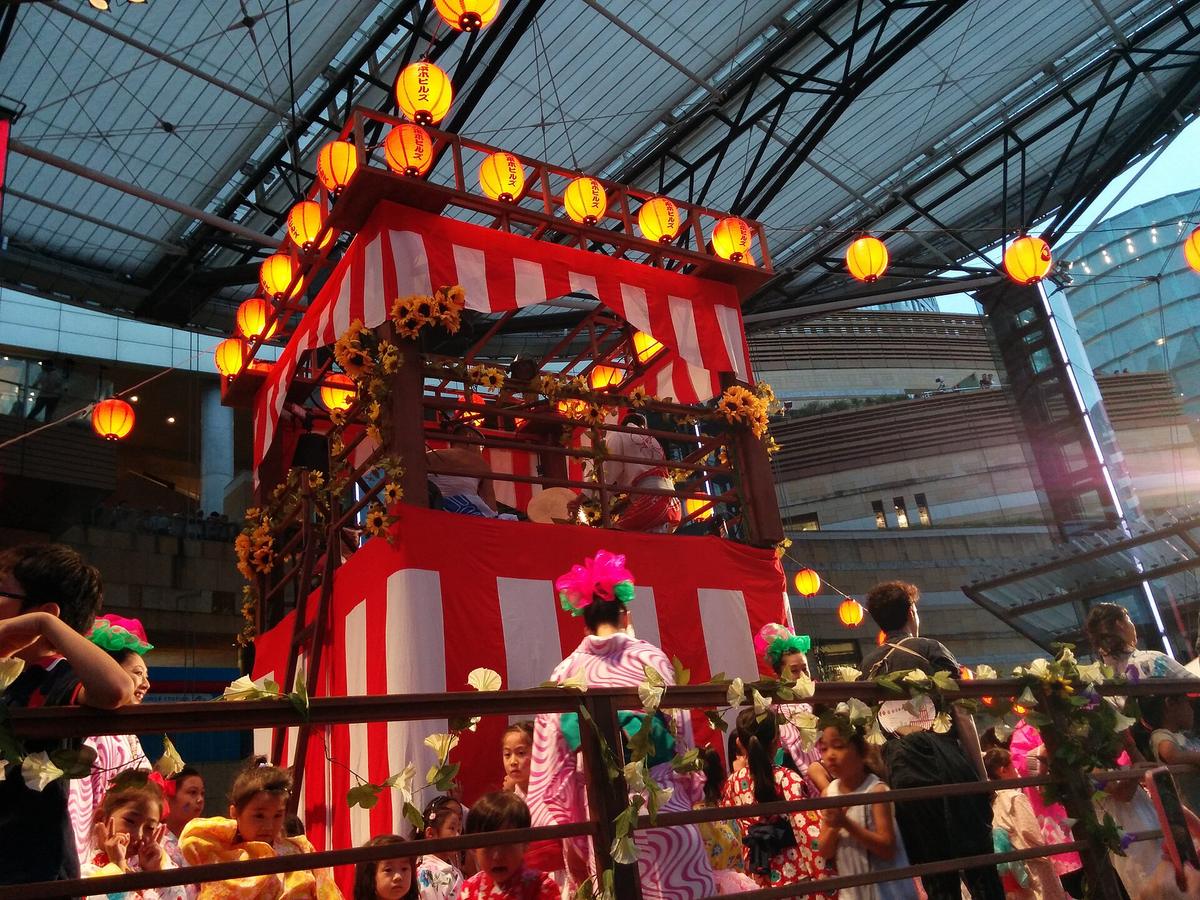
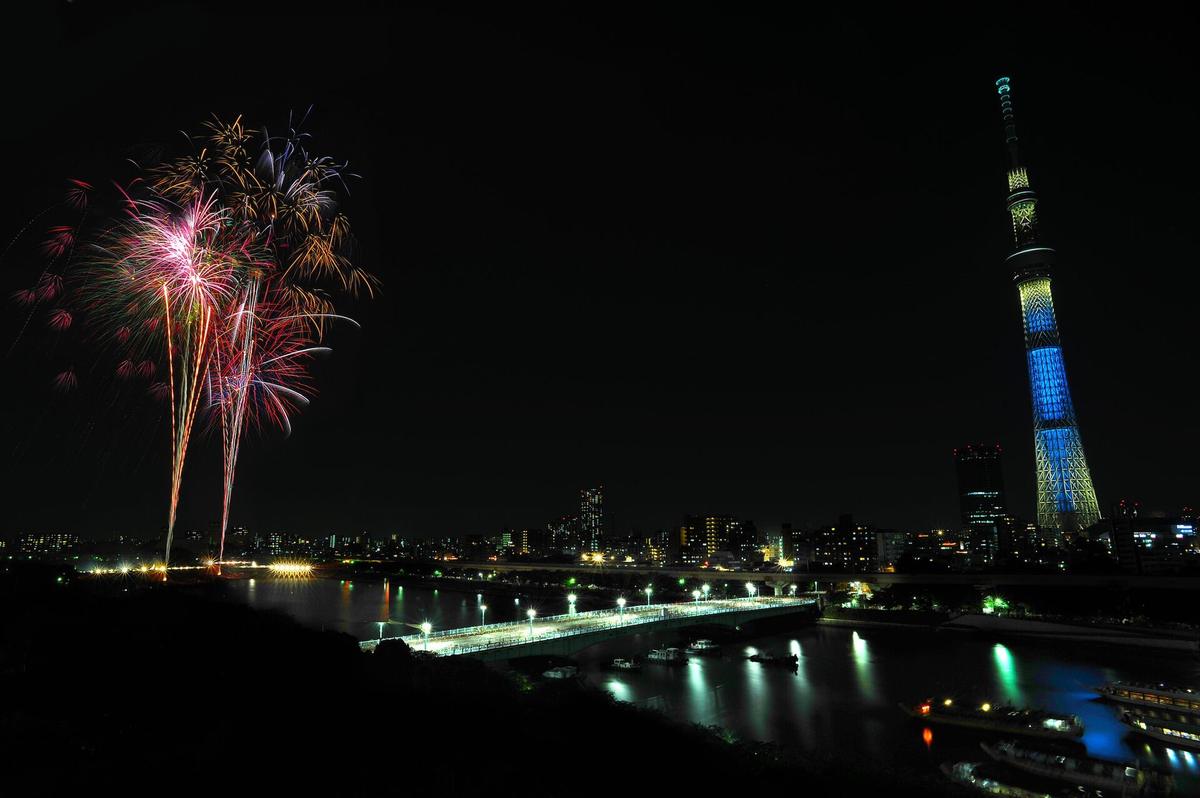
People still come. The reason is not the weather. Summer in Tokyo unlocks a version of the city the other seasons cannot produce: 20,000 shells launched at the Sumidagawa Fireworks Festival on the last Saturday of July, over 30 major matsuri street festivals in July and August, and kakigori shaved ice at its peak for ¥300 to ¥800 from street stalls or ¥1,000 to ¥3,000 at specialty shops. The Beer Garden at Koishikawa Korakuen operates mid June to mid September and runs all you can drink courses for ¥3,500 to ¥5,000 for two hours. These are not compensatory activities. They are the primary draw.
Your Heat Strategy
You need a strategy. Peak heat hours for outdoor activity risk run 11:00 to 15:00. Outdoor attractions open at 09:00. Arrive early, leave by 11:00, and return after 15:00. The 34,000 vending machines in Tokyo are your emergency cooling stations. Department stores like Isetan Shinjuku and Mitsukoshi Nihonbashi have strong air conditioning and public rest areas. 7 Eleven, FamilyMart and Lawson offer the same. Use them deliberately, not as backup.
The Obon Problem and How it Reshapes Your Plan
What Closes and What Stays Open
Obon runs 13 to 16 August. Some observances shift to 13 to 15 July, but the August dates cause the most disruption. Small independent shops and family run restaurants close. Chain restaurants, convenience stores, department stores and major tourist attractions stay open. The effect is that your carefully chosen local ramen shop might be shuttered while the conveyor belt sushi chain three blocks away is running normally.
Plan backup meals. If you booked a tiny six seat monjayaki spot on Tsukishima, check its Obon schedule in advance. Keep a mental list of department store basement food halls (depachika) at Isetan Shinjuku or Mitsukoshi Nihonbashi. They stay open and their grazing format works well when the heat kills your appetite anyway.
Travel and Eating Tactics During Obon
Domestic travel spikes during Obon. Trains and highways fill. Inside Tokyo the crowds are less extreme than Golden Week because many residents leave the city for their home towns. Major sights have shorter queues than you might expect, but the neighbourhoods around them have fewer open restaurants. Adjust your eating window. Lunch at 11:30, dinner at 17:30. Beat the limited supply.
Which Festivals Are Worth the Sweat
Sumidagawa Fireworks Festival
The Sumidagawa Fireworks Festival launches around 20,000 shells on the last Saturday of July. Reserved seating requires paid tickets that go on sale in June. Reserved seats and boxes have ranged from about ¥3,000 to ¥50,000 depending on category; each festival publishes its own prices and lottery dates. The Japan Meteorological Society publishes the official figure each year. If you miss the sale window, arrive at the free viewing spots along the Sumida River by 14:00 with a picnic and a hand towel. Do not expect a good view after 16:00.
Major Matsuri and the Samba Carnival
Beyond fireworks, Tokyo hosts over 30 major matsuri in July and August. The Asakusa Samba Carnival in late August is the most unexpected. The Kanda Festival runs alternate years but not in summer. The Fukagawa Matsuri in mid August involves water throwing, which is a relief. Check the Tokyo Events Calendar on the Japan Official Travel App for exact dates. Matsuri schedules shift annually.
What to Wear, Carry, and Do at 1am
Essential Kit
Cotton that breathes. A hand towel the size of a washcloth. A portable fan that runs on USB. These items are not optional. The hand towel is for wiping your face at every vending machine stop, of which there should be many between 11:00 and 15:00. You cannot buy a towel at a convenience store. Pack it.
Public water fountains exist at Ueno Park near the main museum complex and fountain plaza and at Yoyogi Park near the Harajuku gate and central field. They are rare elsewhere. Reuse a plastic bottle from a vending machine and fill it at these fountains. Do not rely on finding a tap in a random backstreet.
After Midnight
At 1am the heat drops to around 26°C. It is still humid but walkable. The underground networks at Tokyo Station connecting to Otemachi (roughly 3 km of linked passages) and Shinjuku Station connecting west and east exits (roughly 2 km of passages) stay open. If your accommodation lacks air conditioning or you just cannot sleep, walk these cooled corridors. They are empty at that hour.
Trash cans are virtually non existent in public. You carry your rubbish to the next convenience store. In summer this means a damp plastic bottle and a used hand towel in your bag until you find a konbini. Factor that into your route. 7 Eleven, FamilyMart and Lawson accept all waste types.

Day Trips That Make Thermal Sense
Coastal and Forest Escapes
Kamakura is one hour by JR Yokosuka Line. The giant Buddha is outdoors and exposed, but the seaside temples catch coastal breezes that Tokyo lacks. Go at 09:00, finish by 12:00, eat shaved ice at a stall near Hase Station, and return before the afternoon heat peaks. Nikko is two hours by Tobu Limited Express from Asakusa. The Toshogu shrine complex sits in cedar forest, which drops the temperature roughly 3°C compared to central Tokyo. The walk from the station to the shrine is uphill and exposed. Take a taxi for the climb.
Urban and Shaded Day Trips
Kawaguchiko is two hours by highway bus from Shinjuku. The Mount Fuji view requires clear air, which summer humidity rarely provides. Skip it in July and August unless you are prepared to see a mountain shaped cloud bank. Yokohama is 30 minutes by Tokyu Toyoko Line. The waterfront at Minato Mirai has wind and the Cup Noodles Museum is air conditioned. Kawagoe is 45 minutes by Tobu Tojo Line. The Edo era warehouse district is mostly shaded alleyways and the sweet potato treats are a good energy snack for ¥300.
The Single Thing That Most Often Goes Wrong
Packing Too Many Districts Into One Day
Visitors try to cover Shibuya, Shinjuku, Harajuku, Asakusa, Akihabara and Roppongi in two days. The trains run fast, but station navigation and district depth eat half the day. Pick two areas maximum per day. One common failure is exiting through the wrong gate at a multi company station, which invalidates your transfer ticket and forces a fare recalculation at a staffed window. In summer, that window has a queue and no air conditioning. Keep your Suica or Pasmo IC card on your phone wallet and tap it at every gate change. Do not buy paper transfers.
Who Should Come, Who Should Wait
Tokyo in July and August suits solo explorers who thrive on anonymity and food obsessed travellers planning trips around specific meals. It does not suit travellers seeking a compact walkable old town or those who find crowds and underground mazes anxiety inducing. If that is you, come in late October or early November instead.
Read next
-
 Tokyo Hotels by Type and Budget from Capsules to Luxury
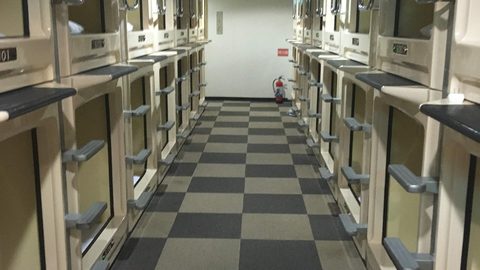
Tokyo hotels organised by type and price band, from efficient capsule pods to full-service luxury towers, to help you book the right room.
Tokyo Hotels by Type and Budget from Capsules to Luxury
Tokyo hotels organised by type and price band, from efficient capsule pods to full-service luxury towers, to help you book the right room.
-
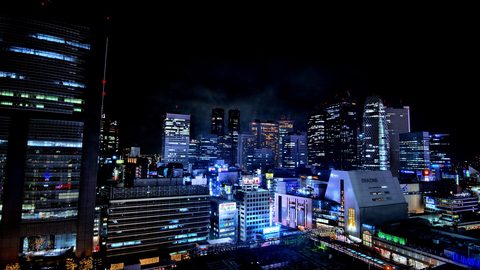 Where to Stay in Tokyo by District and Travel Style
A comparison of Tokyo's major districts to help you choose the right base for your travel style, whether you want calm or chaos.
Where to Stay in Tokyo by District and Travel Style
A comparison of Tokyo's major districts to help you choose the right base for your travel style, whether you want calm or chaos.
-
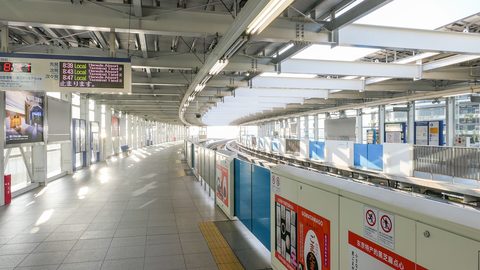 Narita or Haneda for Tokyo and What That Airport Choice Costs You
Narita or Haneda for Tokyo: compare door-to-district time, transfer cost, and what the wrong airport choice eats from your trip.
Narita or Haneda for Tokyo and What That Airport Choice Costs You
Narita or Haneda for Tokyo: compare door-to-district time, transfer cost, and what the wrong airport choice eats from your trip.
-
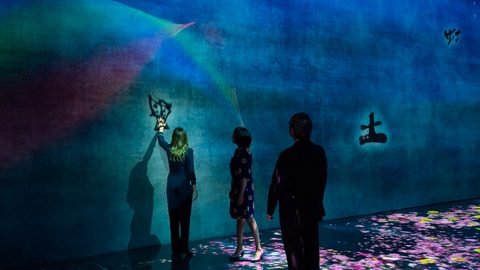 Things to Do in Tokyo That Are Worth Your Limited Days
A curated list of Tokyo's highest-impact sights and experiences, from immersive art to quiet backstreets, to help you prioritise your days.
Things to Do in Tokyo That Are Worth Your Limited Days
A curated list of Tokyo's highest-impact sights and experiences, from immersive art to quiet backstreets, to help you prioritise your days.
-
 Best Time to Visit Tokyo Month by Month Tradeoffs
A month-by-month guide to visiting Tokyo, laying out the trade-off between weather, crowds, price, and what's actually open.
Best Time to Visit Tokyo Month by Month Tradeoffs
A month-by-month guide to visiting Tokyo, laying out the trade-off between weather, crowds, price, and what's actually open.
-
 Getting Around Tokyo by Train Airport Transfers and IC Cards
A practical guide to Tokyo's rail network, covering airport transfers, IC cards, and how to avoid the station navigation mistakes that eat your day.
Getting Around Tokyo by Train Airport Transfers and IC Cards
A practical guide to Tokyo's rail network, covering airport transfers, IC cards, and how to avoid the station navigation mistakes that eat your day.
-
 Senso-ji
 is free and never closes, but the experience at 6am with empty Nakamise stalls is nothing like the 11am crush under Kaminarimon. Here is when to go and what you get at each hour.
Senso-ji
Senso-ji is free and never closes, but the experience at 6am with empty Nakamise stalls is nothing like the 11am crush under Kaminarimon. Here is when to go and what you get at each hour.
-
 Meiji Jingu
The Meiji Jingu visit changes completely depending on which torii gate you enter. One drops you from Harajuku noise into sudden forest, the other builds quiet slowly from Yoyogi.
Meiji Jingu
The Meiji Jingu visit changes completely depending on which torii gate you enter. One drops you from Harajuku noise into sudden forest, the other builds quiet slowly from Yoyogi.
-
 teamLab
 Borderless and Planets are two different Tokyo venues with separate booking systems. Borderless tickets at Azabudai Hills sell in timed slots and the maze has no fixed route.
teamLab
teamLab Borderless and Planets are two different Tokyo venues with separate booking systems. Borderless tickets at Azabudai Hills sell in timed slots and the maze has no fixed route.